
Most people finish school knowing how to pass exams. Hardly anyone finishes knowing how to look after a home. And yet, a home is usually the biggest thing a family will ever pay for.
That’s the strange part. So much effort goes into learning theory, but almost none goes into learning how to protect the place where life actually happens, such as where bills arrive, kids grow up, guests visit, and things quietly wear out.
What drains money isn’t usually one huge disaster. It’s the small stuff. The socket that feels a bit warm. The light that flickers now and then. The job that gets put off because it still “sort of works.”
Those tiny moments stack up. And over time, they turn into very real costs. A few simple household skills can stop those leaks before they turn into big repairs.
1. Understanding Where Energy Really Goes
Energy bills don’t jump for no reason. They creep up when a home is working harder than it should. Old wiring, crowded sockets, and tired fittings all of it puts pressure on a system that was designed for a different time.
Plug too many things into one area, and the house has to push power through paths that weren’t built for that load. Lights dip. Breakers trip. Appliances wear out faster. That’s not bad luck. That’s a home quietly saying, “Something’s not right.”
This is where a proper inspection changes everything. A qualified electrician Surrey homeowners rely on can see the small inefficiencies most people miss, the ones that slowly push bills higher year after year. For everyday energy-saving advice, the Energy Saving Trust is a solid, practical resource.
2. Learning to Hear What the House Is Saying
Homes don’t usually break overnight. They give hints. Some of those hints look like:
- Lights dimming when something switches on
- Sockets that feel warm
- Breakers that trip “just sometimes”
- Bills that rise even though habits haven’t changed
These aren’t just little annoyances. They’re early warnings. Ignoring them doesn’t make them disappear; it just lets them grow into something more expensive.
UK safety guidance shows that small faults often come before serious incidents. The real skill isn’t fixing everything personally. It’s noticing when something feels off and taking it seriously.
3. Knowing the Difference Between Care and Panic
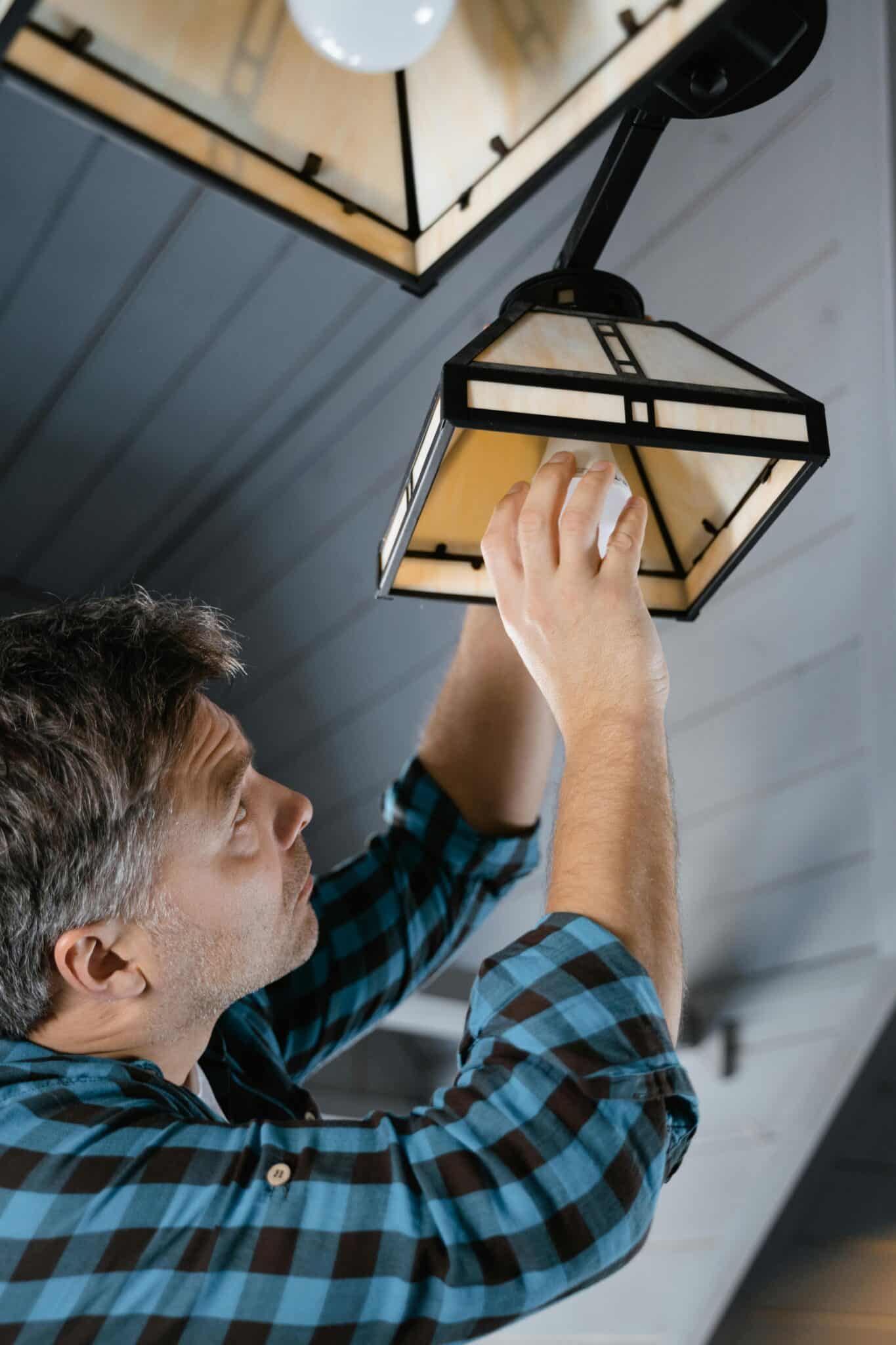
There’s a huge gap between looking after a home and rushing to fix it when something breaks.
Maintenance is calm. Repairs are stressful. Good care looks like:
- Testing safety switches and alarms
- Checking outdoor sockets before winter
- Replacing tired fittings before they fail
Waiting until something stops working usually means:
- Emergency call-outs
- Extra damage to walls or flooring
- Higher labour costs because everything’s urgent
Homes that get gentle, regular care almost always cost less than homes that are only touched when something goes wrong.
4. Understanding What Not to Touch
The internet makes every job look easy. Real life is different.
Painting a wall? Fine.
Changing a light fitting? Often okay if done properly.
Touching wiring, fuse boards, or outdoor circuits? That’s not a weekend experiment.
Bad electrical work doesn’t always fail straight away. Sometimes it hides inside walls for years before it causes trouble. Knowing when to stop and call someone qualified protects both the house and the people in it.
5. Thinking Like Someone Who Plans to Stay
A home isn’t just a place to sleep. It’s a system with parts that age and wear out. Thinking like a long-term owner means:
- Keeping track of what’s old
- Planning upgrades before things fail
- Choosing safety and efficiency over shortcuts
Replacing an ageing consumer unit might not feel exciting, but it makes the whole home safer and ready for modern life. Doing it early always costs less than doing it in a panic.
6. Having the Right People to Call
Every house runs better when there’s a small circle of trusted professionals ready when something doesn’t feel right. Not for constant work, just for those moments when quick, informed help matters. Knowing who to call saves time, stress, and money. Waiting almost always makes things worse.
Final Thought
Household skills aren’t about becoming a tradesperson. They’re about awareness. Listening to what a home is telling you. Acting early. Respecting the fact that a house is quietly complex.
The homes that stay safe, efficient, and affordable aren’t the ones with the fanciest upgrades. They’re the ones looked after with care, attention, and a little common sense.