
Walk into a room that feels flat, even with perfect furniture and paint colors. Something’s missing, right? That missing piece is often texture in interior design.
Flat spaces look unfinished because they lack depth. Your eyes need variety to feel engaged.
Texture solves this problem by adding layers you can see and touch. A velvet pillow next to a linen sofa. Rough brick against smooth glass. These contrasts make rooms come alive.
This guide covers what texture means, the different types you can use, and how light changes everything. You’ll learn room-specific ideas for living spaces, bedrooms, kitchens, and more.
Plus, we’ll show you how different design styles handle texture.
What Texture Means in Interior Design?
Texture refers to how surfaces feel and look in a space. It includes both the actual touch of materials and their visual appearance. Think of a soft velvet sofa, rough brick walls, or smooth marble countertops.
Texture in interior design adds depth and interest to rooms. It helps create contrast and makes spaces feel complete. You can experience texture through touch or just by looking at it.
Smooth glass, bumpy stone, and fluffy fabrics all bring different textures to your home. When used well, texture prevents rooms from feeling flat or boring.
Types of Texture in Interior Design
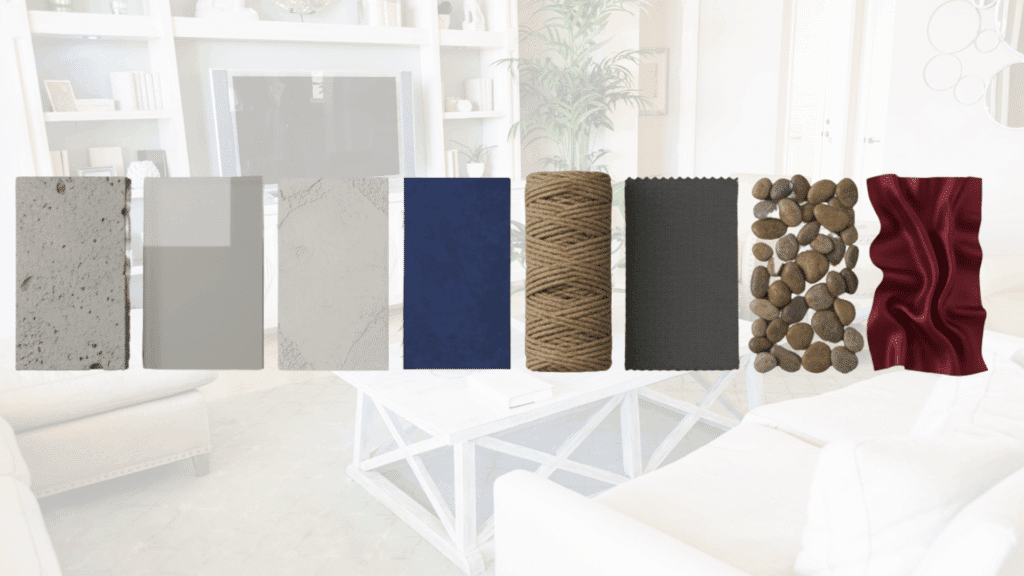
Understanding different texture types helps you make better design choices. Each type serves a unique purpose in creating rooms that feel balanced and complete.
- Actual (Tactile) Texture: The real, physical feel you get when you touch a surface with your hands.
- Visual Texture: Visual texture is what surfaces look like they would feel, even if you don’t touch them.
- Natural Texture: These textures come from natural materials such as wood, stone, wool, and cotton.
- Artificial (Man-Made) Texture: Man-made textures are created through manufacturing processes, such as those used to produce plastic, vinyl, or synthetic fabrics.
- Rough Texture: Rough textures have uneven, bumpy surfaces, such as exposed brick, jute rugs, or concrete walls.
- Smooth Texture: Smooth textures feel flat and even, like polished marble, glass, or silk fabrics.
- Matte Texture: Matte surfaces absorb light and have no shine, creating a soft, subdued look.
- Glossy Texture: Glossy textures reflect light, creating a shine that makes surfaces appear bright and polished.
How Texture Works with Light and Color?
Texture changes how light and color behave in your space. Rough surfaces create shadows that add depth and dimension to walls. These shadows shift throughout the day as sunlight moves.
Sheen levels also affect the mood of a room. Matte finishes absorb light and feel calm, while glossy surfaces reflect light and create energy. The same color looks different on various textures, too.
Blue velvet appears richer than blue cotton because of how each material interacts with light. Rough textures make colors look deeper, while smooth surfaces make them brighter.
This is why your paint sample can look different on the wall than in the store. Understanding these relationships helps you create the exact feeling you want in each room.
Ways to Add Texture to Any Room in Your Home
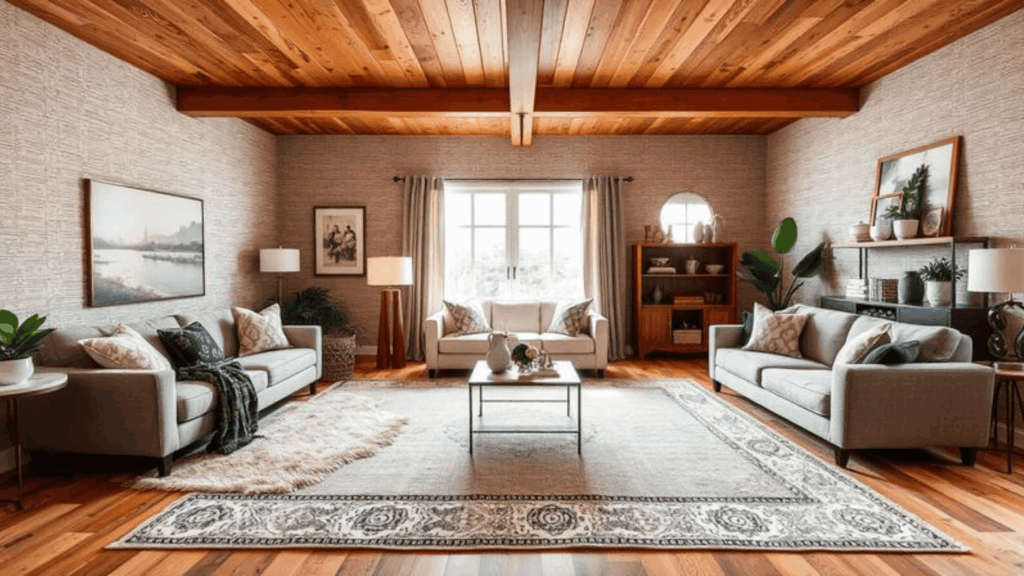
Adding texture is easier than you think. Here are practical ways to bring textural interest into every part of your home.
1. Texture Ideas for Walls
Wallpaper with raised patterns adds instant dimension to flat walls. Exposed brick or stone veneer creates rustic appeal.
Wood paneling, shiplap, or beadboard brings warmth and character. You can also try textured paint techniques or 3D wall panels for a modern look.
2. Texture Ideas for Ceilings
Coffered ceilings add architectural interest and depth overhead. Wood beams create a cozy, traditional feeling in living spaces. Textured plaster or popcorn alternatives soften the look of flat ceilings.
Wallpaper on the ceiling is a bold way to add pattern and texture above.
3. Texture Ideas for Floors
Layering rugs with different pile heights creates visual and tactile contrast. Natural fiber rugs like sisal or jute add organic texture underfoot. Mix materials like hardwood with tile or carpet in different rooms. Area rugs with high-low patterns bring dimension to smooth floors.
4. Texture Ideas Using Furniture
Choose upholstered pieces in varied fabrics, such as linen, velvet, or leather. Woven rattan or cane furniture adds natural, textured elements to rooms.
Mix wood finishes from smooth lacquer to rough reclaimed styles. Metal furniture with hammered or brushed finishes creates an industrial texture.
5. Texture Ideas Using Textiles
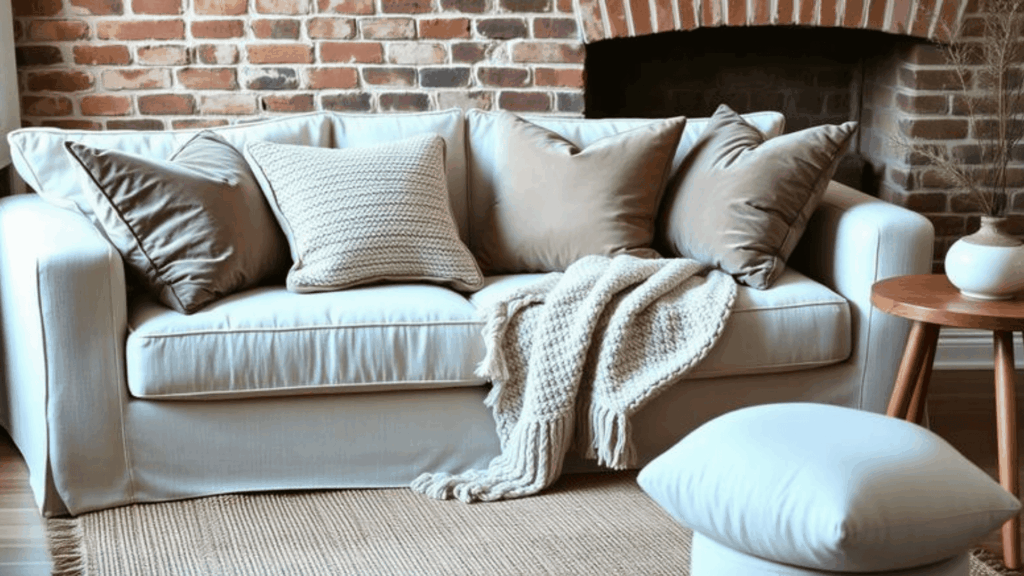
Layer throw pillows in different fabrics, such as chenille, cotton, and faux fur. Chunky knit blankets draped over sofas add cozy, tactile appeal.
Mix smooth silk curtains with nubby linen cushions for contrast. Quilted bedspreads and cable-knit throws bring warmth through texture.
6. Texture Ideas Using Decor and Accessories
Ceramic vases with rough, matte finishes contrast beautifully with glass. Woven baskets for storage add natural, handcrafted texture to shelves.
Metal candleholders with different finishes, such as brass or copper, add a shine. Books with varied spines and covers create subtle textural layers.
7. Texture Ideas Using Greenery and Natural Elements
Live plants with different leaf textures bring organic variety indoors. Dried pampas grass or branches add height and soft, feathery texture. Driftwood pieces or river rocks create natural focal points on tables.
Moss walls or terrariums introduce lush, living texture to your space.
Texture in Popular Interior Design Styles
Different design styles use texture in their own unique ways. Here’s how texture shows up across popular interior styles.
| Style | Key Textures | How Texture is Used |
|---|---|---|
| Modern | Smooth, matte, controlled contrast | Minimal clutter with intentional surfaces that create clean lines |
| Minimalist | Natural textures like wood, linen, and stone | Texture replaces color and pattern to add interest without busy details |
| Farmhouse | Distressed wood, woven baskets, cozy textiles | Rustic, worn materials create warmth and lived-in comfort |
| Traditional | Layered fabrics, polished wood, subtle decor | Multiple textile layers and refined finishes add depth and richness |
| Boho | Macramé, woven textiles, natural fibers | High layering of handmade and organic materials creates eclectic charm |
| Industrial | Concrete, brick, leather, aged metals | Raw, unfinished materials with exposed structural elements dominate |
Room-by-Room Texture Ideas
Each room in your home needs its own textural approach. Here’s how to layer texture in interior design for every space.
1. Living Room
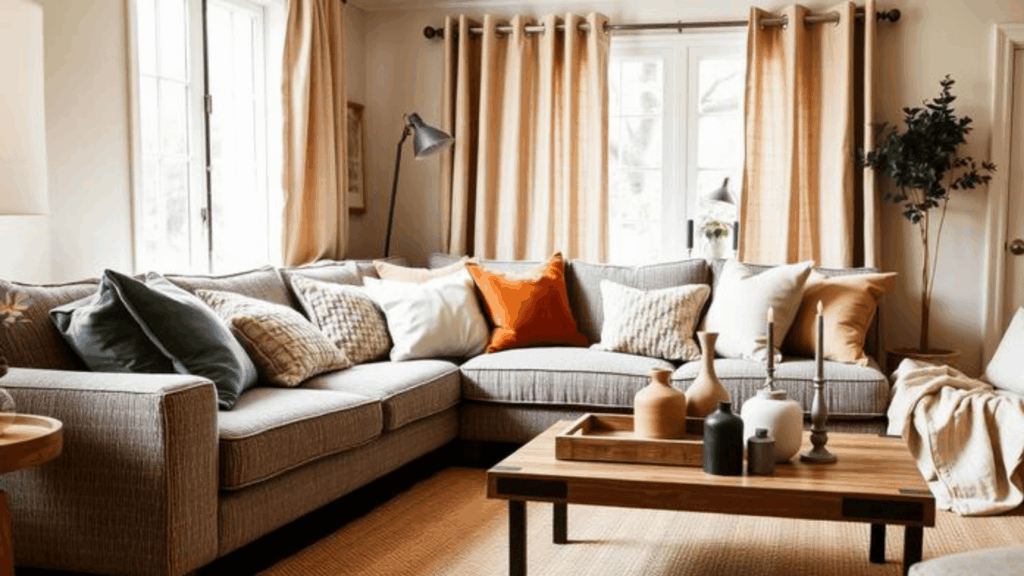
Mix your sofa upholstery with contrasting rug textures for instant depth. Layer throw pillows in different fabrics, such as velvet, linen, and cotton.
Add natural-weave curtains and style your coffee table with wood, metal, and ceramic pieces. This combination creates a space that feels rich and inviting.
2. Bedroom
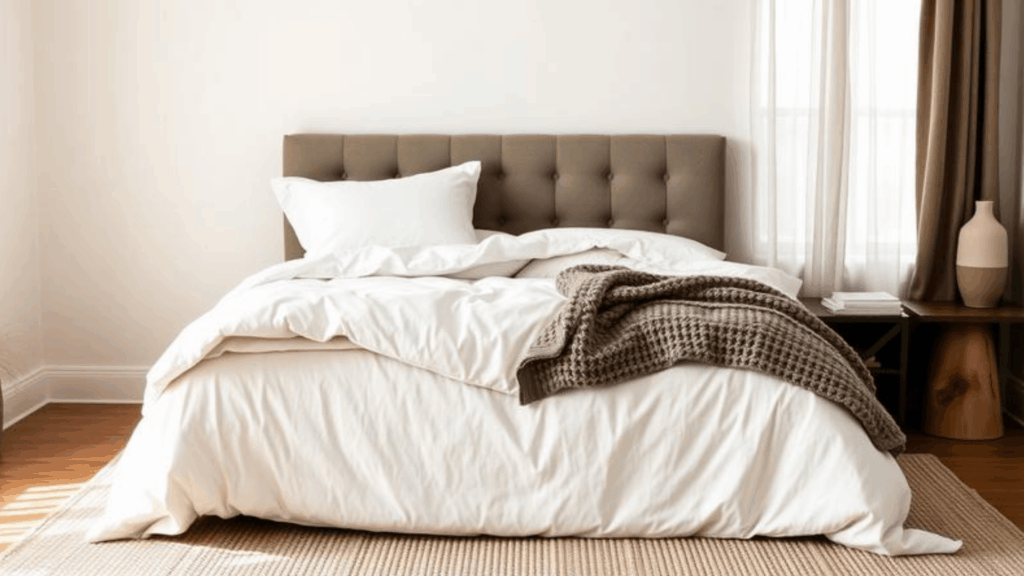
Layer your bedding with cotton sheets, linen duvet covers, and chunky knit throws. An upholstered headboard adds softness against the wall while a textured rug feels good underfoot.
Mix matte and shiny finishes in lamps and hardware. These layers make bedrooms feel like personal retreats.
3. Kitchen
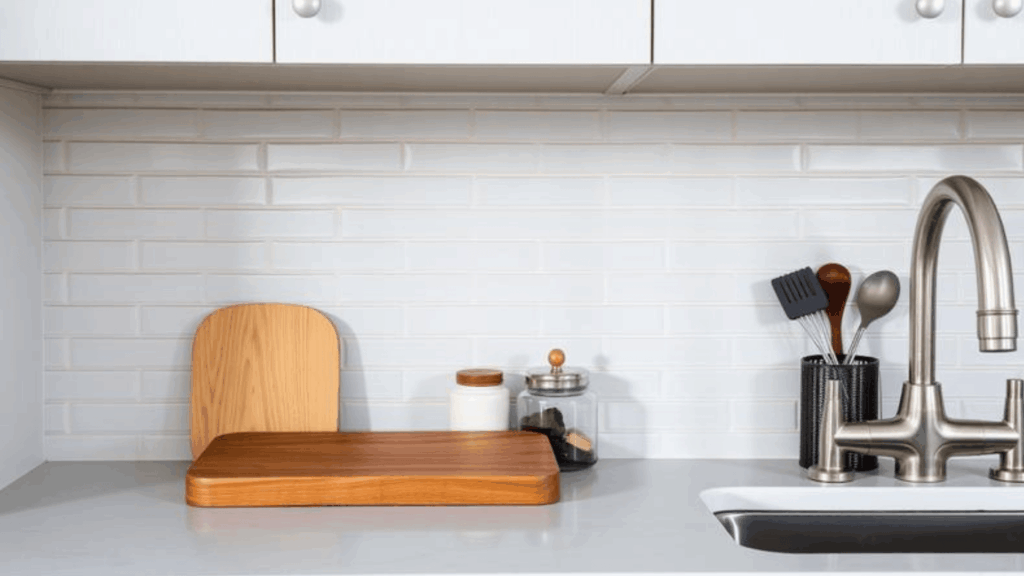
Choose between matte or glossy tile finishes for your backsplash to set the mood. Display wooden cutting boards and ceramic canisters on countertops to add natural texture.
Mix metal hardware finishes, such as brushed nickel handles, with polished faucets. These small details add character to functional spaces.
4. Bathroom
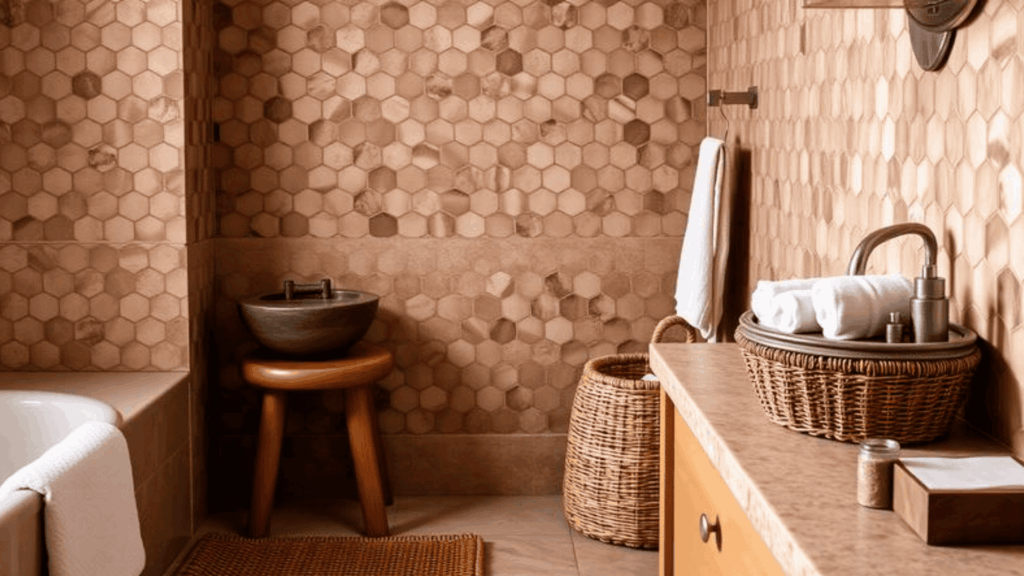
Use varied tile textures on walls and floors to create visual interest. Layer plush towels with textured bath mats for comfort and style. Add stone soap dishes or toothbrush holders to add a natural element. Woven storage baskets keep things organized while adding warmth.
5. Dining Room
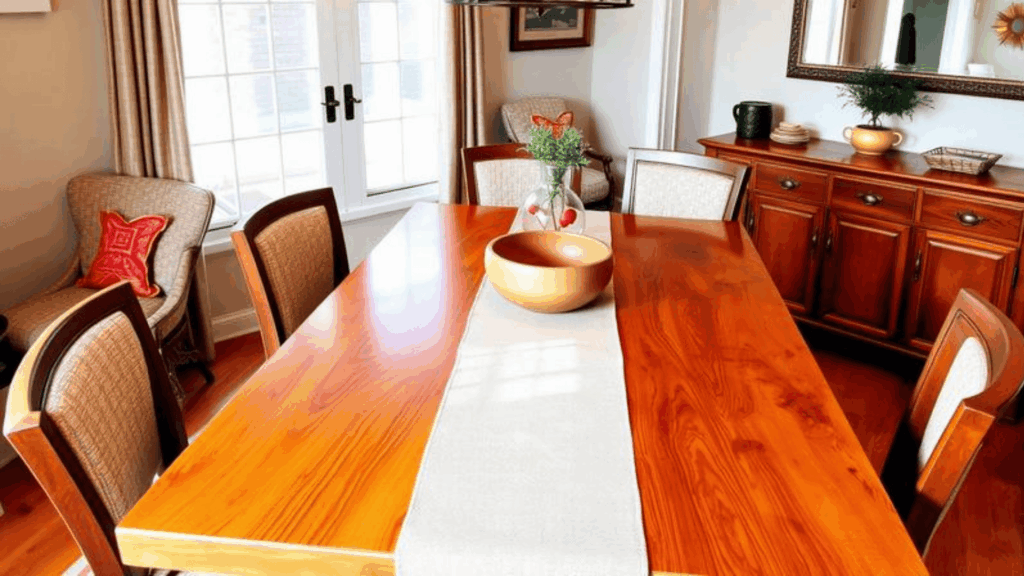
Upholstered dining chairs bring softness to hard table surfaces. Let the natural wood grain of your table shine as a focal point.
Drape a linen table runner down the center for casual texture. Create centerpieces with natural materials, such as wooden bowls or ceramic vases.
6. Entryway and Hallway
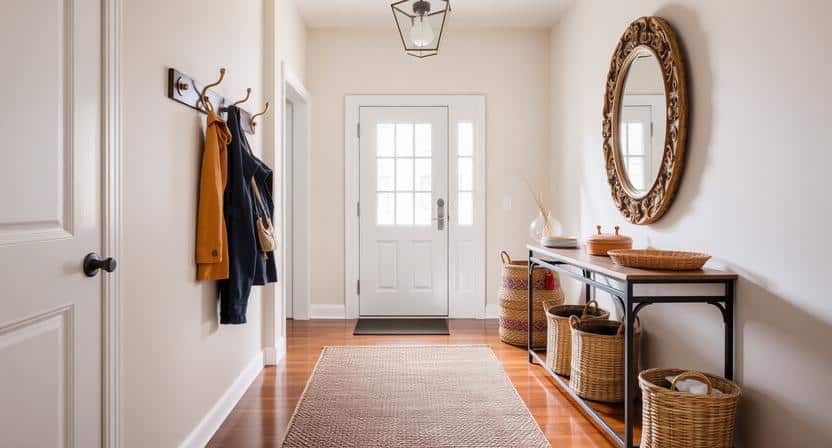
Place runner rugs with interesting weaves to welcome guests with texture. Install wall hooks in various materials, such as brass, wood, or iron. Use woven baskets for keys, mail, and everyday items.
Choose a statement mirror with a textured or ornate frame as a focal point.
7. Home Office
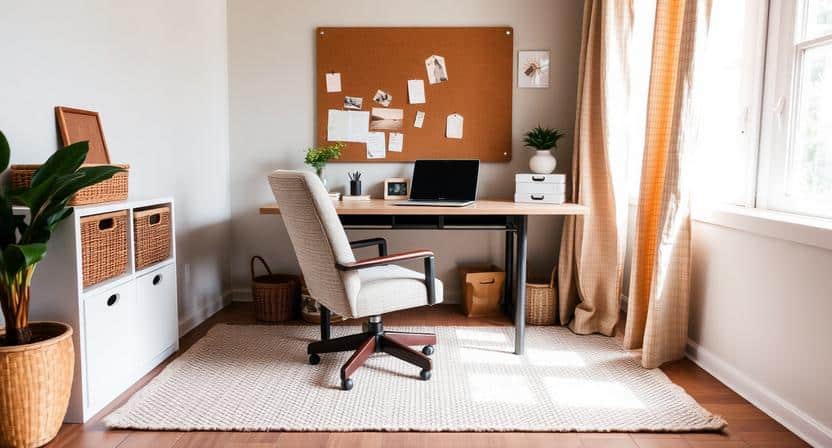
Add a soft rug under your desk to absorb sound and add comfort. Pin fabric or cork pinboards to walls for both function and texture. Hang curtains in natural fabrics or choose an upholstered office chair.
These touches make workspaces feel less sterile and more personal.
How to Incorporate Texture in Interior Design?
Start by mixing different materials in each room. Combine smooth with rough, soft with hard, and matte with shiny for balance. Layer textiles like rugs, curtains, and pillows in varied fabrics.
Choose furniture pieces with interesting surfaces, such as woven chairs or tufted sofas. Add texture to walls with wallpaper, paneling, or paint techniques.
Bring in natural elements such as plants, wood, and stone for an organic appeal. Don’t forget small details like textured vases, baskets, and throws. The key is variety, not matching everything perfectly.
Touch different surfaces as you shop to understand how they feel. Build your room slowly, adding one textured piece at a time. This approach prevents overwhelming your space while creating depth and interest.
Final Thoughts
Texture in interior design changes flat spaces into rooms that feel alive and complete. It’s not about buying expensive pieces or doing major renovations.
Small changes make big differences. Add a chunky throw blanket. Swap out smooth pillows for textured ones. Hang woven baskets on empty walls. Mix your materials and finishes in every room.
Start with one space today. Touch the surfaces around you. Notice what’s missing. Then add something rough where everything feels smooth, or something soft where everything feels hard. Your home should engage all your senses, not just your eyes.
Ready to give your space more depth? Try one texture tip from this guide this week. Share your results in the comments below. We’d love to see how you’re bringing texture into your home.