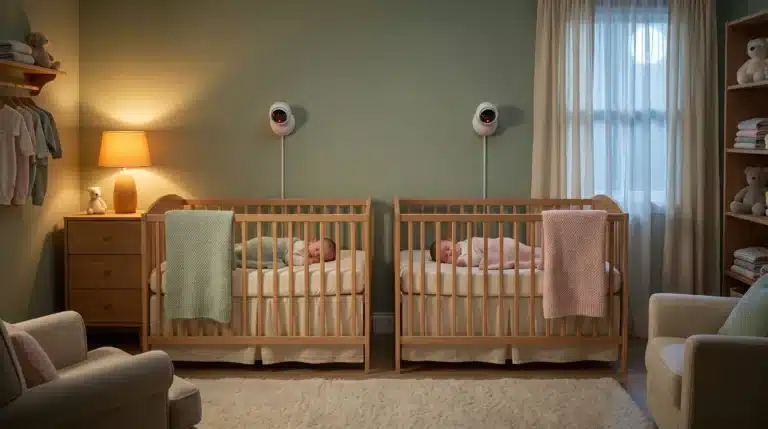

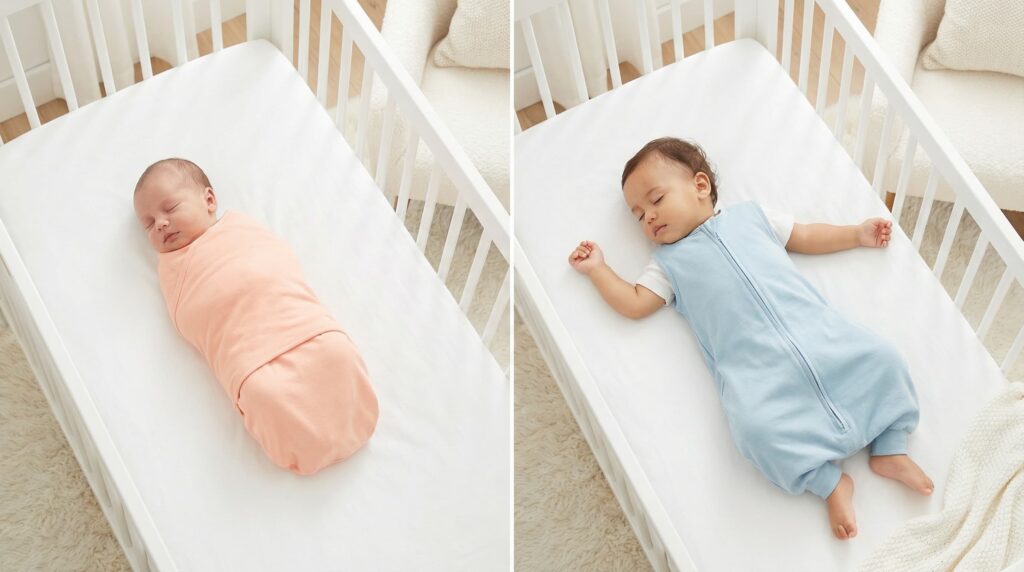
Your baby is fed. The room is quiet. And sleep still feels far away. Sound familiar?
Most new parents go through this exact moment more times than they can count. What your baby wears to sleep matters more than you think.
A swaddle and a sleep sack both help, but they work in very different ways. Using the wrong one at the wrong stage can make nights harder, not easier.
This guide covers everything you need to know about a sleep sack vs swaddle. You will learn what each one does, when to use it, and how to keep your baby safe and comfortable at every stage of growth.
What Is a Swaddle?
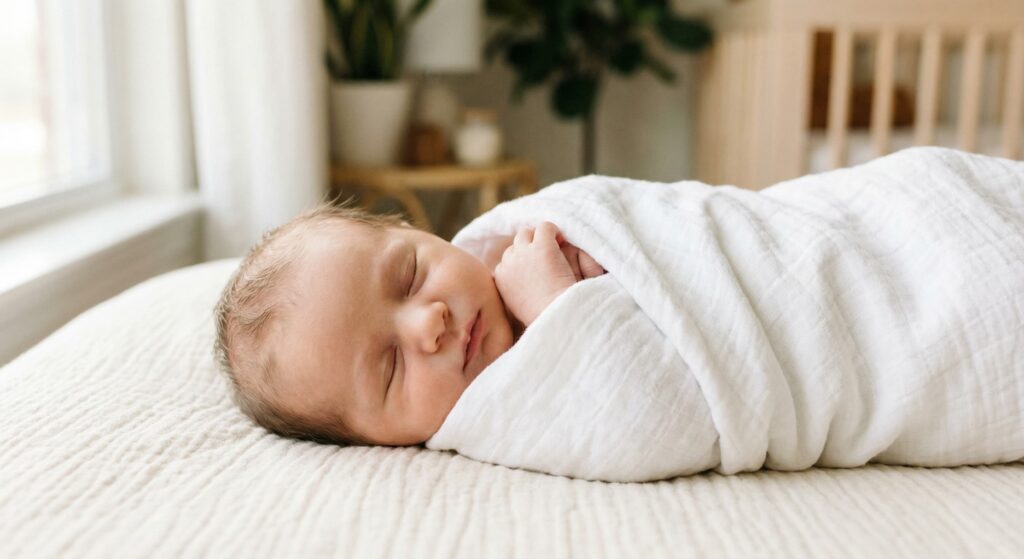
A swaddle is a soft blanket or wrap used to hold a newborn’s arms snugly against their body. It recreates the tight, warm feeling of being inside the womb.
Most swaddles are made from light, breathable fabrics like muslin or cotton. The goal is straightforward: help your baby feel safe, settle faster, and sleep without waking from sudden arm movements.
Benefits of Swaddling Your Baby
Swaddling has been used for thousands of years, and there is a solid reason parents still rely on it today. Here is what it actually does for your newborn.
- Calms the startle reflex: Newborns jerk their arms without warning during sleep, and swaddling keeps those movements from waking them up.
- Helps babies settle faster: A snug wrap signals safety to your baby’s body, which makes falling asleep quicker and easier.
- Soothes a fussy baby: The held-in feeling can calm a crying newborn the same way being held closely does.
- Supports safer sleep: Keeping your baby on their back in a proper swaddle reduces the risk of loose fabric near their face.
- Adds gentle warmth: A breathable swaddle gives just the right amount of warmth without the risk of overheating.
When to Use a Swaddle
Timing matters a lot with swaddling. Using it beyond the right window can go from helpful to risky very quickly.
| Stage | Guidance |
|---|---|
| Birth to 2 months | Ideal time to swaddle. Baby has a strong startle reflex and needs that snug feeling. |
| 2 to 4 months | Continue swaddling only if your baby shows no signs of rolling. Watch closely. |
| Baby starts to roll | Stop swaddling immediately, even if it is just an attempt. This is a firm safety rule. |
| After rolling begins | Move to a sleep sack. It is the only safe option from now on. |
Pro Tip: Always place a swaddled baby flat on their back. A swaddle should never be used when a baby is on their stomach.
What Is a Sleep Sack?
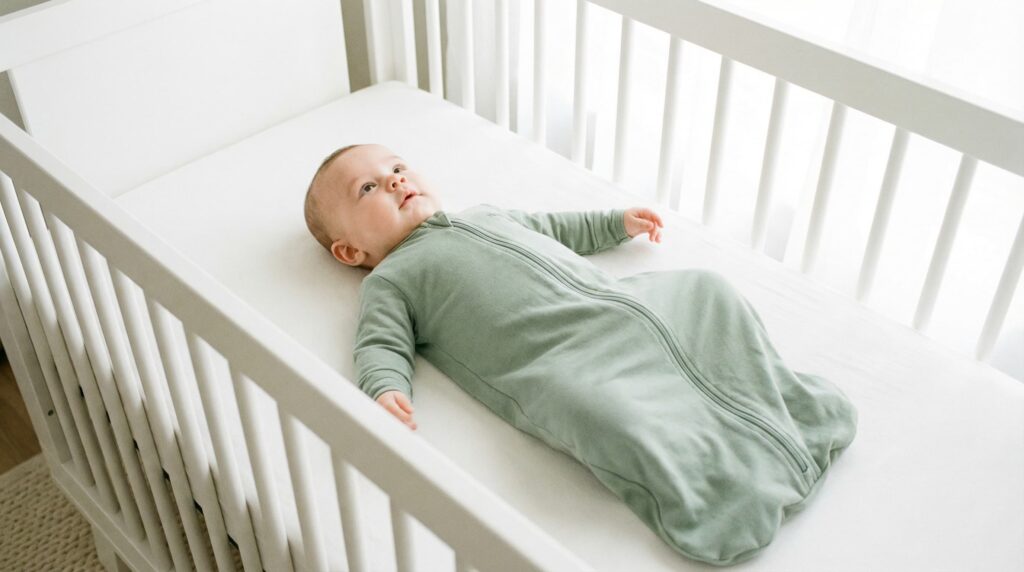
A sleep sack is a wearable blanket shaped like a small sleeping bag. It covers your baby’s body and legs while keeping their arms free.
Most sleep sacks close with a zip or snap, so there is no folding or wrapping involved. They come in sizes from newborn all the way to toddler, and they replace loose blankets in the crib completely.
Benefits of Using a Sleep Sack
Once your baby outgrows the swaddle stage, a sleep sack becomes the go-to sleep option. Here is why so many parents love it.
- Safe for rolling babies: Free arms let your baby shift their weight and roll safely without getting stuck.
- No loose fabric in the crib: The fitted design keeps warmth close to the body, with nothing near the face.
- Easy to use: Zip it up, and you are done. There is no technique to learn.
- Supports healthy hip development: The roomy bottom lets baby’s legs move and kick freely, which is important for proper hip growth.
- Lasts longer: A well-sized sleep sack can be used from around 2 months all the way to age 3 or 4.
- Builds a sleep association: Over time, many babies connect the sleep sack with bedtime, which helps them settle more quickly.
When to Use a Sleep Sack
A sleep sack is not just for after the swaddle stage. Knowing exactly when to bring it in makes your baby’s sleep much smoother.
| Stage | Guidance |
|---|---|
| 2 months old or older | A good time to start, especially if your baby is beginning to wiggle out of swaddle wraps. |
| When rolling signs appear | Switch right away. This is the most important trigger for moving to a sleep sack. |
| 3 months to 12 months | Prime sleep sack stage. No loose blankets should be in the crib during this time. |
| 12 months to 3 years | Sleep sacks remain safe and useful even into toddlerhood. |
Note: The American Academy of Pediatrics advises against loose blankets in the crib until at least 12 months. A sleep sack fills that gap safely.
Sleep Sack vs Swaddle: Key Differences at a Glance
Both a swaddle and a sleep sack keep your baby warm and comfortable during sleep. But the way they work and the stage at which they work best are very different. Here is a side-by-side look at what sets them apart.
1. Arm Position
When you compare a swaddle vs sleep sack, arm position is the first big difference. A swaddle holds a baby’s arms pressed against their chest or sides. This controls the startle reflex in newborns.
A sleep sack leaves the arms completely free. This matters once a baby starts rolling, because they need their arms to push up and reposition their body safely.
2. Age and Stage of Use
A swaddle is designed for newborns and very young babies, typically from birth up to around 3 or 4 months.
A sleep sack, on the other hand, can be used from around 2 months of age through toddlerhood. Most families use both over time, just at different stages of their baby’s growth.
3. Ease of Use
A swaddle requires a specific wrapping technique to work properly. Wrap it too loosely, and it falls apart. Wrap the hips too tightly, and it can affect hip development.
A sleep sack needs no technique at all. You place your baby in it and zip it up. For tired parents managing nighttime changes, this is a significant practical difference.
4. Safety Considerations
Both options are safe when used correctly. A swaddle is only safe when a baby is not yet rolling. Once rolling starts, it becomes a risk because the baby cannot free their arms if they flip onto their stomach.
A sleep sack remains safe through the rolling stage and beyond. It allows free movement while still keeping your baby warm.
5. Hip Health
A properly done swaddle should always leave room for the hips to move. Tight wrapping around the legs can put stress on the hip joints and increase the risk of hip dysplasia over time.
A sleep sack is designed with a wider, looser base that gives legs plenty of room. This makes it the safer long-term choice for hip development.
6. Transition Out of Each
When your baby outgrows the swaddle, you have to actively help them adjust, which can be a tough few nights. Sleep sacks do not require any transition out.
As your baby grows, you simply buy the next size up. Many children use a sleep sack right up until they move out of the crib.
How to Move From a Swaddle to a Sleep Sack?
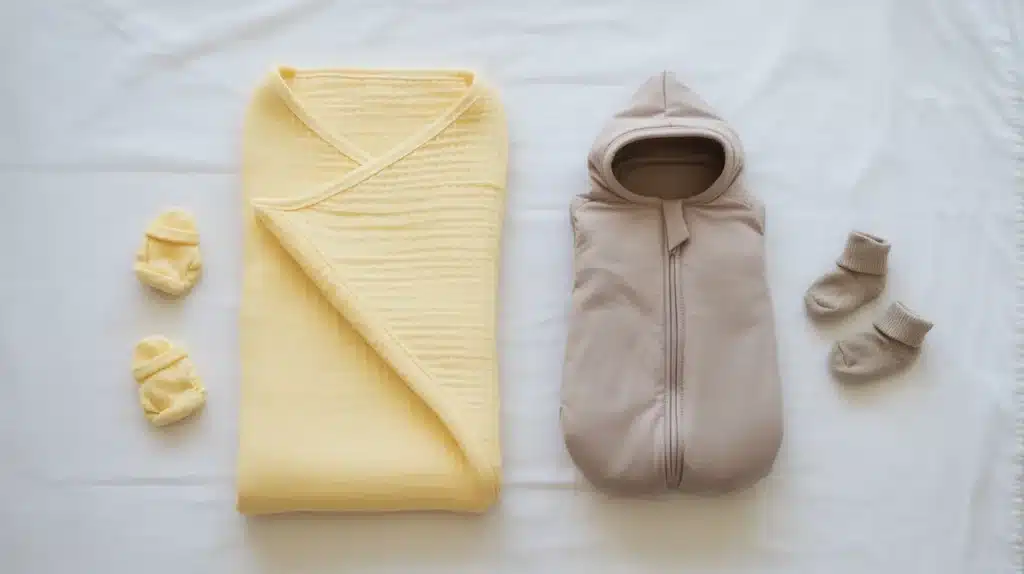
Making the switch from a swaddle to a sleep sack does not have to be a rough week for your whole household. A slow, step-by-step approach makes the change much easier for your baby to handle.
- Watch for the signs: Look for rolling attempts, regular swaddle breakouts, or more restlessness at night. These are your cues to start the change.
- Try one arm out first: Swaddle as usual, but leave one arm free for a few nights so your baby gets used to having some movement.
- Free both arms: After a few nights, leave both arms out while still wrapping the rest of the body snugly.
- Introduce the sleep sack: Once your baby is comfortable with both arms free, fully put your baby into a sleep sack.
- Keep everything else the same: Same bedtime, same room temperature, same wind-down routine. Consistency is what helps your baby adjust.
- Give it time: A few nights of fussiness are normal. Most babies settle into the new setup within one week.
Mistakes Parents Make With Swaddles and Sleep Sacks
Most parents learn swaddling and sleep sack use as they go, which means small mistakes are common. The good news is that most of them are easy to fix once you know what to look for.
| Mistake | Why It Matters |
|---|---|
| Wrapping the hips too tightly in a swaddle | This puts pressure on the hip joints and can raise the risk of hip dysplasia over time. |
| Continuing to swaddle after rolling starts | A swaddled baby who rolls onto their stomach cannot push themselves back up, which is a serious safety risk. |
| Using the wrong TOG rating in warm weather | Babies overheat easily. A sleep sack that is too warm for the room can disturb sleep and raise body temperature in an unsafe way. |
| Buying a sleep sack that is too big | Excess fabric near the face is a risk. The chest area must fit closely and securely. |
| Stopping the sleep sack too early | Many parents stop around 12 months, but sleep sacks are safe and helpful well past that age for crib-sleeping children. |
| Over-layering under the sleep sack | One layer of clothing, with the right TOG, is usually all your baby needs. More than that leads to overheating. |
Sleep Sack vs Swaddle: Which Is Safer?
Both options are safe when used correctly and at the right time. For newborns who are not yet rolling, a properly done swaddle is a safe and effective choice.
The key rules are to keep the hips loose, place the baby only on their back, and use a breathable fabric. Once your baby starts showing signs of rolling, a sleep sack becomes the safer option without question.
It gives your baby the freedom to move while still keeping them warm and away from loose bedding. In short, swaddle vs sleep sack is not about which is better overall.
It is about which one fits your baby’s current stage of development.
The Bottom Line
Choosing between a sleep sack vs swaddle comes down to one thing: where your baby is right now.
Swaddles are built for the early newborn weeks when the startle reflex is strong, and your baby needs that womb-like closeness. Sleep sacks take over once your baby starts to move and grow.
Used at the right time, both make your baby’s sleep safer and more restful, and much less stressful for you.
Trust the signs your baby gives you, follow the safety guidelines, and know that getting this right is something every parent figures out.
What stage is your baby at right now? Drop your question in the comments below.