


Most parents know what autism is. But very few know how to talk about it with their kids.
Your child asks, “Why does my brother act like that?” and you freeze. You want to say the right thing, but the words just do not come. You are not alone.
This guide on explaining autism to kids gives you real, simple words to use. You will find age-by-age tips, ready-to-use scripts, and honest advice for every situation.
What Is Autism?
Autism Spectrum Disorder (ASD) is a developmental condition that affects how a person thinks, communicates, and connects with others.
It is called a “spectrum” because no two people with autism are exactly the same. Some children are nonverbal. Others talk a great deal.
Autism is not an illness, it is not caused by vaccines, and it does not go away, but children with autism can learn, grow, and do well with the right support.
Signs of Autism
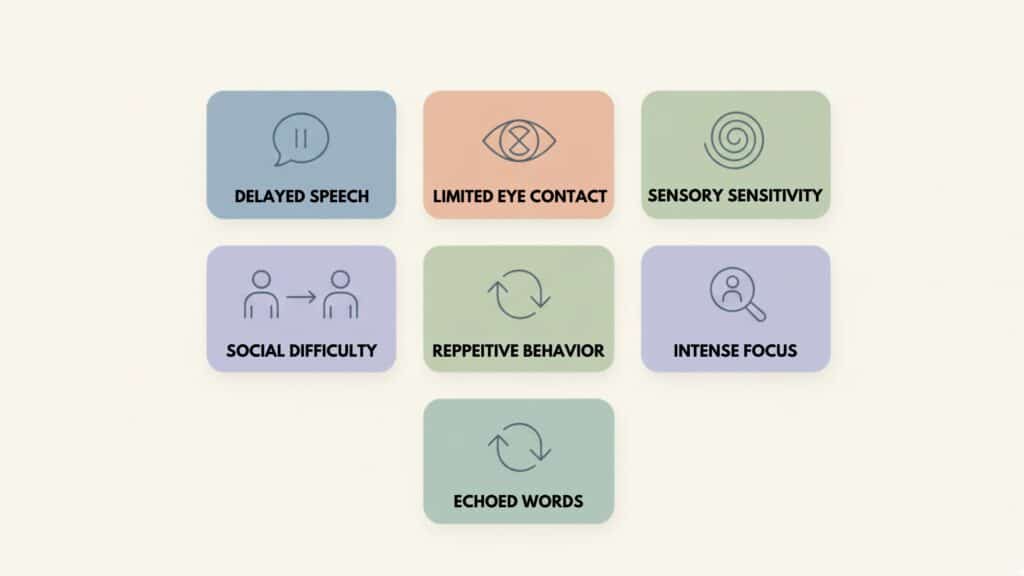
Every child with autism is different. Still, there are common signs that show up early and help parents and teachers spot the condition. Knowing these signs is the first step to getting your child the right support at the right time.
- Delayed speech or language skills: Your child may not talk as early as other kids their age, or they may stop using words they once used.
- Avoiding eye contact: Many children with autism find it hard to look directly at others during conversation.
- Repeating words or phrases: A child may repeat the same word, sentence, or sound over and over without context.
- Strong reactions to sensory input: Loud sounds, bright lights, or certain textures may cause distress or a strong emotional response.
- Difficulty with social interaction: Making friends, taking turns, or reading social cues may feel very hard.
- Repetitive behaviors or routines: A child may line up toys, follow strict routines, or get very upset when things change.
- Intense focus on specific interests: Many children with autism develop a very deep, detailed interest in one or two topics.
Talking about autism openlywith the child, with siblings, and with peers, builds a foundation of understanding that lasts a lifetime.
Children notice differences. If you do not explain, they fill the silence with wrong ideas. According to the CDC, 1 in 36 children in the United States is diagnosed with autism. That means your child will encounter autism at home, at school, or in their community.
Before You Start the Conversation
Jumping into the talk without preparing is where most parents go wrong. A little thought before the conversation makes a big difference in how your child receives what you share.
Here is what to get right before you sit down with your child.
| What to Do | How to Do It |
|---|---|
| Learn their autism profile | Know their strengths, triggers, and support needs first. |
| Pick the right moment | Calm and quiet. Not during a meltdown or a rushed morning. |
| See it from their point of view | Start from what they already notice, not a clinical definition. |
| Watch what others overhear | Kids misread overheard talks. Be deliberate about where you speak. |
| Keep the tone warm | A loving conversation, not a medical briefing. |
| Do not cover everything at once | One short talk to start. Build on it over time. |
Pro Tip: Autism educator Dr. Stephen Shore recommends three guiding principles: start early, keep it ongoing, and always frame it with a positive lens.
How to Explain Autism to a Child With Autism By Age
Explaining autism to the child who has it is different from explaining it to others. This child needs to understand themselves, not just a condition.
The goal is to give them language for what they already feel inside. How you do this well depends on the child’s age and what they are ready to understand.
1. Toddlers and Preschoolers (Ages 2–5)
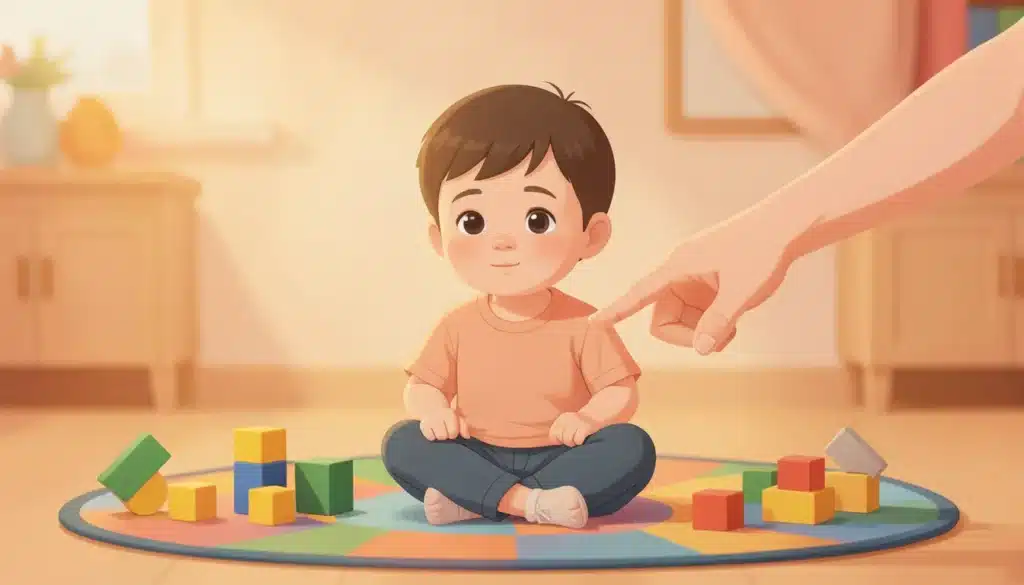
At this age, the word “autism” is less important than the feeling of being understood and celebrated. Young children need to hear that who they are is good, not that something is different or wrong with them.
How to approach it:
- Narrate their play in a positive way: “You love lining things up. Your brain is great at patterns.”
- Do not force the word “autism” yet. Focus on strengths and daily experiences.
- Read picture books like Uniquely Wired together.
- Introduce Julia, the autistic Muppet from Sesame Street. She makes autism feel normal and safe.
- Keep conversations short, warm, and repeated often.
2. Early School-Age Kids (Ages 6–8)
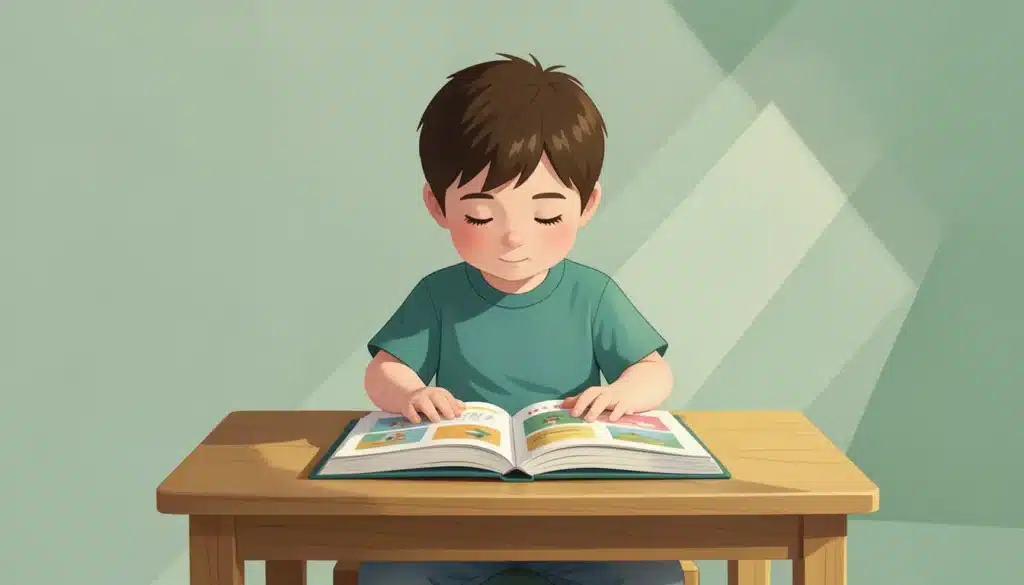
Children this age understand much more than parents expect. They already notice they are different. Giving that difference a name helps them make sense of their own world.
How to approach it:
- Use the brain comparison: “Everyone’s brain works a little differently. Yours is really strong at [strength]. Some things take more practice for you, that is autism.”
- Frame therapy as coaching, not fixing: “Your therapist is like a sports coach. She helps you practice the things that feel hard.”
- Connect autism to what they already feel: “You know how loud places sometimes feel like too much? That is part of how your brain works.”
- Let them ask questions. Answer honestly and simply.
- Revisit the conversation a few weeks later to see what they are still thinking about.
3. Tweens (Ages 9–12)
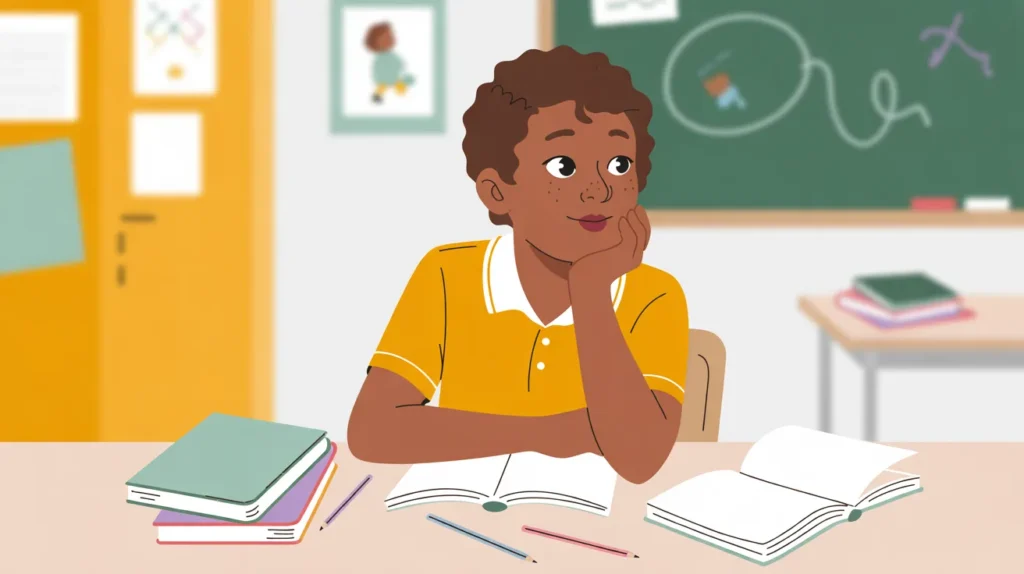
Children this age are socially aware. They have likely already felt left out or different. They need real honesty, not watered-down answers. Avoiding the truth at this stage often backfires.
How to approach it:
- Be clear and direct: “Autism is a condition that affects how your brain processes things like sounds, conversations, and social situations.”
- Explain the spectrum: “Some kids with autism do not talk at all. Others, like you, talk a lot. That is what ‘spectrum’ means.”
- Share stories of autistic people who have made real contributions in science, art, sports, and technology.
- Use the word “neurodiversity” and explain it simply: “Different brains, not broken brains.”
- Ask what they think and feel, then listen without interrupting.
4. Teenagers (Ages 13+)

Teenagers will search the internet on their own. If you do not tell them the truth, someone else will — and that information may not be accurate or kind. Full honesty is the only real option at this age.
How to approach it:
- Use accurate, medically correct language. They are ready for it.
- Talk about real life: friendships, school, future jobs, and relationships.
- Let them lead: “What do you already know? What do you want to understand better?”
- Connect them to safe, vetted peer communities and teen support programs.
- Validate every emotion. A diagnosis can bring relief, confusion, anger, or grief, and all of it is valid.
Pro Tip: Many teens feel a strong sense of relief after learning about their autism diagnosis. It finally gives a name to something they have been feeling for years.
How to Explain Autism to Siblings
Siblings see everything that happens at home. They carry more than parents often realize, and they need honest answers just as much as the child with autism does. Start from what they already see and feel, not from a textbook definition.
1. Start With What They Already See
Do not open with a clinical explanation. Open with their experience.
Say: “You know how your brother gets really upset when there is too much noise? There is a reason for that. His brain processes sounds differently than yours does.”
This builds understanding from something the sibling has already lived through.
2. Use Comparisons They Can Relate To
Help siblings link autism to feelings they have had themselves.
Try: “Remember when you were scared of the dark? That is a little like how your sister feels when things change suddenly. Her brain sends a really strong alarm.”
This builds empathy without overwhelming a young child with too much information.
3. Make It Clear That They Are Not Caregivers
Siblings are children. They should not carry the weight of managing their sibling’s behavior or feelings.
Tell them clearly: “Your job is to be a good brother or sister. That is it. The grown-ups will take care of the rest.”
4. Name Their Feelings Too
Siblings may feel left out, confused, or resentful. Those feelings are real and valid.
Ask them: “How do you feel when things are hard at home?” Then listen without rushing to fix it.
5. Use Books Made for Siblings
- All My Stripes by Shaina Rudolph and Danielle Royer, Works well for ages 4 to 8
- The Sibling Survival Guide, good fit for older children who need more depth
How to Explain Autism to Classmates and Peers
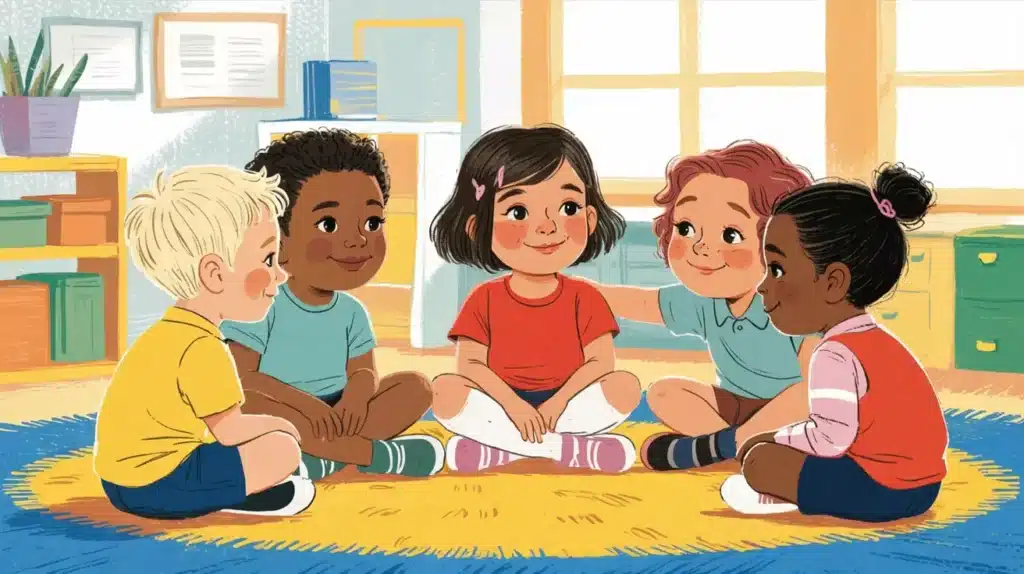
Classmates do not need a diagnosis. But they do need enough understanding to be kind, patient, and helpful. Simple language goes a long way in a classroom setting.
Talk to the teacher first. Then use these approaches with children.
- Use plain, positive language. Say: “Their brain sorts things a little differently. They may need more time to answer or may not like loud sounds. That is just how their brain works.”
- Teach kids what to do. Tell classmates to wait patiently, not copy behaviors, and let a grown-up know if someone is being unkind.
- Give classmates a role. Suggest a buddy system where students support each other’s strengths.
- Use classroom tools. Sesame Street’s free autism materials work very well for younger children.
- Create a simple friendship guide. A one-page sheet with the child’s interests, what helps them stay calm, and how to be a good friend gives classmates something practical to use.
- Address myths directly. Explain that the child with autism does feel emotions, they may just show them differently.
Pro Tip: Ask the school about their peer inclusion programs. Many schools have structured programs for this that teachers can lead in the classroom.
Scripts and Real Words You Can Use Right Now
Most parent guides tell you what to do. This section gives you the exact words to say. Use these as a starting point and adjust them to fit your child.
If your child with autism asks, “Why am I different?”
Say: “Your brain works in a special way. It is really good at [name a strength]. And some things feel harder for you — like [name a challenge]. That is called autism. It is part of who you are. And I love who you are.”
If a sibling asks: “Why does she yell like that?”
Say: “Her brain feels sounds and feelings more strongly than ours. When everything gets too loud, it is really hard for her. She is not trying to be difficult.”
If a classmate asks: “Why won’t he look at me?”
Say: “He can hear you. His brain just finds it easier to listen when he is not making eye contact. He is paying attention — just in his own way.”
If a grandparent says, “There is nothing wrong with this child.”
Say: “You are right — there is nothing wrong. Autism just means his brain works differently. Learning about it helps us support him better.”
If your child asks: “Will I always have autism?”
Say: “Yes. But that does not mean things will always be hard. You will learn new skills every year. And you will always have people who love you and are on your side.”
What Not to Say When Explaining Autism to a Child
Even the most caring parents fall into a few patterns that make these conversations harder than they need to be. Knowing what not to do is just as useful as knowing what to do.
Most of these mistakes come from a place of love, but they still get in the way.
| Mistake | Why It Backfires | What to Do Instead |
|---|---|---|
| Waiting too long | Kids fill silence with wrong ideas | Start early, keep it simple |
| Using negative language | Frames autism as damage, not difference | Lead with strengths first |
| Covering everything at once | Overwhelms the child | Short talks, repeated over time |
| Speaking in earshot too soon | Kids misread what they overhear | Be deliberate about where you speak |
| Focusing only on challenges | Builds a negative self-image | Always lead with strengths |
| Hiding the diagnosis | Shame grows in silence | Speak about it openly |
| Assuming they understood | A nod is not understanding | Follow up with open questions |
| Telling them before a stressful event | Too much at once | Pick a calm, pressure-free day |
Best Resources to Help Kids Understand Autism

You do not have to do this alone. There are great resources built exactly for this conversation.
1. Books for Young Children (Ages 3–7)
- All My Stripes by Shaina Rudolph and Danielle Royer, A child with autism learns that his traits make him who he is
- Uniquely Wiredby Julia Cook, Celebrates what makes autistic kids different and strong
- Why Does Izzy Cover Her Ears? by Jennifer Veenendall, Explains sensory sensitivities in child-friendly language
- The Superhero Brainby Christiane Kerney, Frames the autistic brain as a source of strength
2. Books for Tweens and Teens
- The Aspie Teen’s Survival Guide by J.D. Kraus, Written by a young person with Asperger’s, for other teens
- Freaks, Geeks, and Asperger Syndromeby Luke Jackson, A candid, teen-to-teen guide
- I Am Special by Peter Vermeulen, A structured workbook that helps children process their own diagnosis step by step
3. Videos and Shows
- Julia on Sesame Street, An autistic Muppet created with real input from the autistic community. Best for ages 2 to 7.
- Amazing Things Happen, A short, warm animated video. Great for siblings and young family members.
- Everything You Know About Autism is Wrong, A TEDx talk by Jac den Houting. Good for older teens and parents.
4. Websites and Free Tools
- Sesame Workshop, Free autism resources for families and educators
- Indiana Resource Center for Autism, Workbooks to help parents introduce a child to their diagnosis
- Autism Speaksm, Story libraries and family guides for every stage
| Disclaimer: This guide is written for informational purposes only. It is not a substitute for advice from a licensed therapist, psychologist, or autism specialist. Always consult a qualified professional for your child’s specific needs. |
When to Ask a Specialist for Help
Sometimes this conversation needs more support than a parent can give alone, and that is completely okay.
If your child becomes anxious, withdrawn, or angry after learning about their diagnosis, a licensed therapist or ABA specialist can guide the next steps.
The same applies when a sibling shows signs of stress or resentment, when family conversations keep ending in conflict, or when the child with autism is preverbal and standard approaches do not work.
Occupational therapists, school counselors, and speech-language pathologists are all trained to support these conversations in ways that fit the child’s specific needs.
Final Notes
Learning how to explain autism to kids is not about finding a perfect speech. It is about showing up with honesty and patience, again and again.
Start with one simple sentence. Build on it over time. When children grow up understanding autism, their own or a peer’s, they become more accepting, more patient, and more connected to the people around them.
You do not need all the answers today. You just need to start the conversation.
What question has your child asked about autism that caught you off guard? Share it in the comments. You might help another parent going through the very same thing.