
You’ve finally found the home of your dreams. It’s perfect for your family and has everything that you could ever imagine, and you know that your dog is going to love it too. The hard part of searching and landing on your new home can be exhausting, but for dog owners, the work doesn’t end there.
Before moving into a new home, there are certain considerations that pet owners will want to take into account. Just because the family who lived in this home before you also had a dog doesn’t mean that it’s ready for your dog. Below are tips on dog-proofing interior spaces, outdoor and yard evaluations, and tips on home security for pet owners.
Dog Proofing Interior Spaces
When you sign the paperwork and get the keys to your new home, you may be so excited to show it to your pup. But try to resist the temptation. It’s always a good idea to first scope out the space and make sure it’s dog-proofed. Small hazardous items may have been mistakenly left behind by the last owners during the move-out process, putting your dog at risk of choking.
Go room-by-room to make sure that there are no small objects or dangling cords, and secure any electrical cords with cord covers to prevent electric shock. Any cleaning supplies should be moved to high shelves. Cabinets should be secured in the kitchen and bathrooms, especially if there are any items inside that you don’t want your dog to accidentally get into.
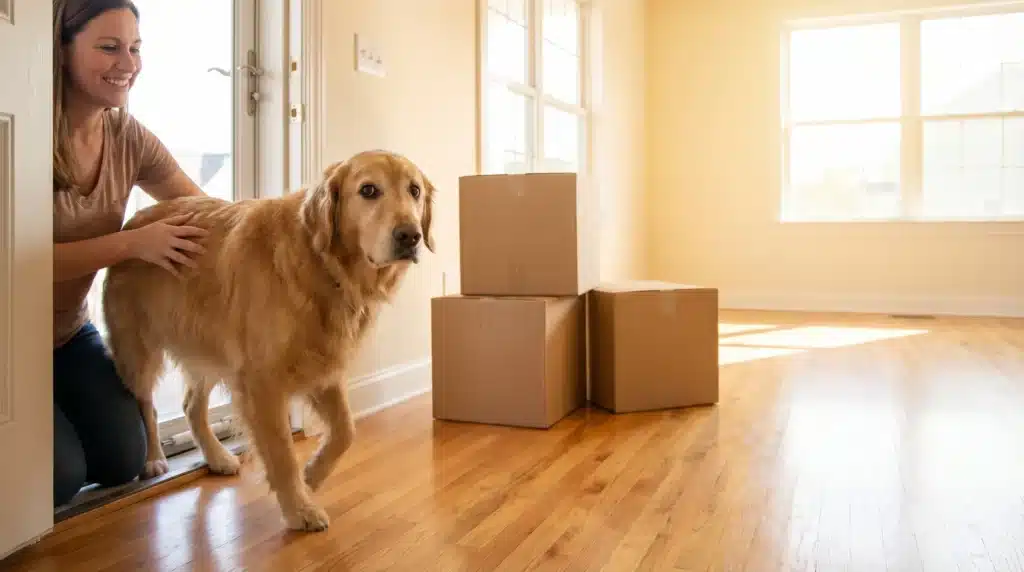
Remember, moving to a new space can trigger anxiety for some dogs. They will likely want to check every nook and corner of the new home for themselves, ensuring that there are no threats or other animals in their territory. Because of this, it’s important to be thorough in your dog-proofing efforts, tying down and closing anything that could pose a danger.
Outdoor and Yard Evaluation
Once the interiors have been checked, it’s then time to evaluate the exterior. Again, thoroughly check the space to make sure that any potential dangers like exposed wires, sharp items, or debris are removed. There may be leftover materials in the trash bins from the prior movers, so be sure to check this area as well.
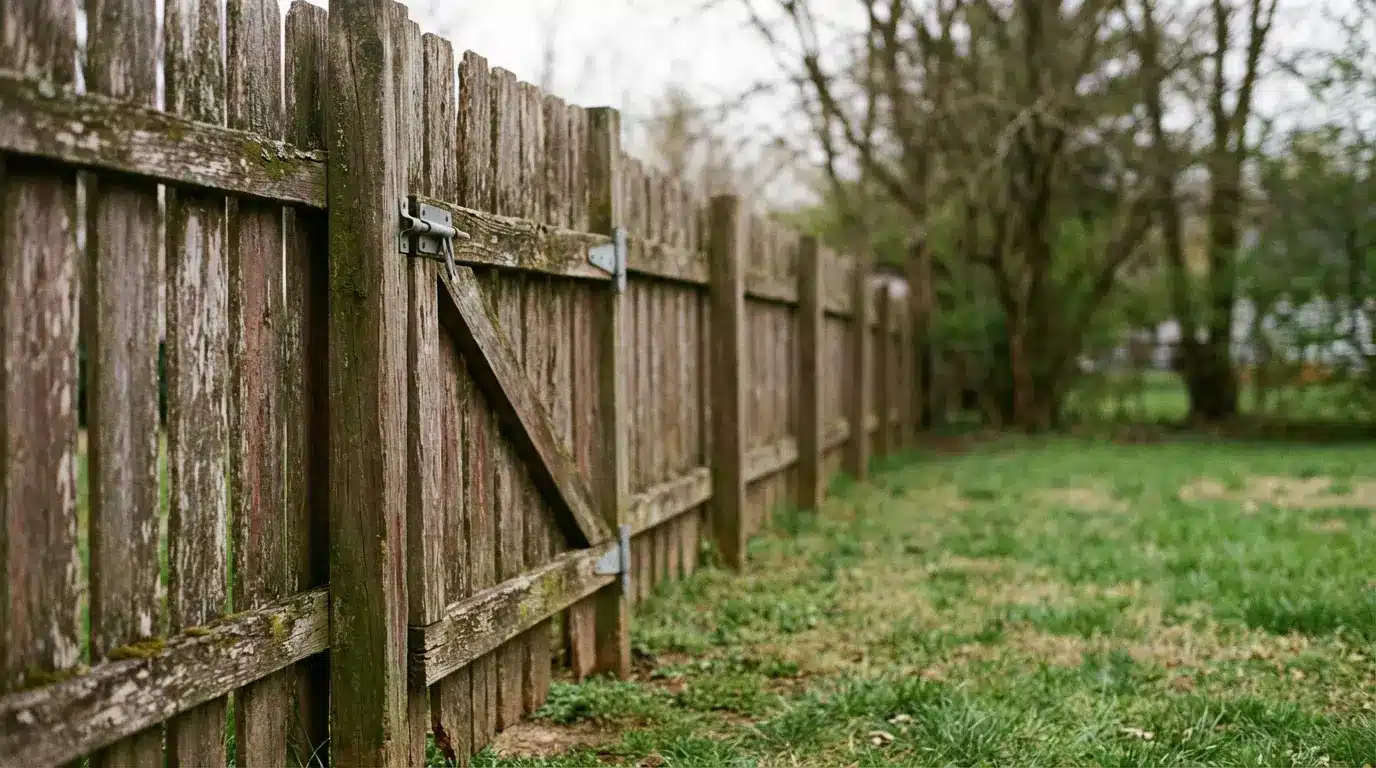
If a fence is in place, it’s a good idea to check the perimeter and examine if there are any loose boards, holes, or weak spots. Gate latches should be tightly secured. Dogs can be prone to digging, and may find a way to escape, especially if they are feeling any anxiety after the move. If there isn’t currently a fence, it may be one of the first items on your to-do list. Select one that is an appropriate height for your pup.
Lastly, check for any poisonous plants that can be harmful to pets. Lilies, azaleas, sago palms, rhododendrons, castor beans, and some spring bulbs like tulips and daffodils can be toxic. If you’re not familiar with vegetation, hire a professional landscape or ecological designer to inspect your yard for toxic plants. These professionals can suggest safer alternatives that are both beautiful and pet-friendly.
Home Security for Pets
You may have thought about a security system for your family, but leaving out Fido would be a real miss — after all, he’s a family member too! Home security for pets ensures that your furry friend is safe and protected in the new home. Again, this can be especially important during the first few weeks or months after move-in. Your dog may be more restless in the new space, and may find themselves challenging more rules than they have in the past.
A pet-friendly home security system can send real-time alerts to your phone if or when your dog does something unusual. Through the use of smart cameras, motion detectors, and environmental sensors, you will receive an alert if your dog is in distress or potentially trying to escape. Indoor and outdoor camera setups allow you to have an eye on them no matter where they are in the home, and many feature two-way audio so you can interact with them. This is a great feature to help dogs acclimate to their new surroundings, as hearing a familiar voice may be all they need to feel more at ease.
In terms of camera placement, choose areas where you know your dog is likely to frequent. A camera near their dish bowl is a great spot, as is one by the front and back door. If you have a doggy door, placing a camera near this entrance point can also be useful. Just be sure to hide any cords to prevent any chewing.
Top Takeaways for Pet Owners
Moving can be both exciting and exhausting. Unpacking and figuring out where everything will fit in your new residence doesn’t happen overnight. As a dog owner, it’s important to remember that your furry friend doesn’t necessarily understand what’s going on either. Whether this is your first move with your dog or your fifth, they won’t fully grasp what you’re doing and if you’re going to leave them here.
It’s important to be extra loving during this time, reassuring them that they are part of the family. Leaving familiar items such as bedding, toys, and blankets in a room while you’re unpacking another part of the home can be helpful. Keeping a routine with walks and feeding schedules can also be comforting. And before leaving for a full day of work with them alone, try experimenting with shorter durations of time. Moving is an adjustment for everyone, and bringing your dog along for the process can make it less stressful and traumatic for them.