

Struggling to keep up with assignments? Can’t figure out why some students seem to have it all together?
Academic skills make the difference, and they’re not something you’re born with. You build them. This guide walks you through essential skills every student needs, from critical thinking to time management.
You’ll learn what these skills actually are, how universities support your growth, and practical ways to develop them on your own.
We’ll cover the challenges you’ll face and real solutions that work. Ready to study smarter instead of harder?
What Are Academic Skills?
Academic skills are the coreabilities that help students learn, grow, and succeed in their education. These include critical thinking, time management, research methods, note-taking, and academic writing.
They matter because they directly impact how well you perform in exams, complete assignments, and handle presentations.
Examples include managing your study schedule effectively, taking clear notes during lectures, and conducting thorough research for essays.
When you build these skills, you gain tools that support lifelong learning and professional success.
Academic Skills Every Student Should Master
Building strong academic skills means developing abilities across multiple areas. Let’s break down 42 essential skills into seven categories that cover everything from thinking critically to working with others.
Cognitive Skills

Your brain does the heavy lifting when it comes to learning. These cognitive skills help you think clearly, solve problems, and make smart decisions.
-
Critical Thinking: This means examining information carefully before accepting it as true. You question assumptions, spot biases, and form your own informed opinions.
-
Problem Solving: This skill helps you find solutions when faced with challenges or obstacles. You break down complex issues into smaller parts and work through them step by step.
-
Analytical Thinking: You learn to examine information by looking at patterns, connections, and relationships. This helps you understand how different pieces of data fit together.
-
Creativity: This involves thinking outside the box and generating original ideas. You approach problems from new angles and find innovative solutions.
-
Decision Making: You weigh options carefully and choose the best course of action. This skill combines logic with judgment to reach good conclusions.
-
Research Methodology: This means understanding how to design studies, collect data, and draw valid conclusions. You learn the systematic approach to investigating questions.
-
Logical Reasoning: You connect ideas in ways that make sense and avoid flawed thinking. This helps you build strong arguments and spot weak ones.
Reading and Comprehension Skills

Reading is more than just looking at words on a page. These skills help you extract meaning, remember key points, and understand complex material quickly.
-
Skimming and Scanning: You quickly identify main ideas without reading every word. This saves time when you need to find specific information fast.
-
Note-taking from Readings: You capture important points while reading so you can review them later. Good notes highlight key concepts without copying everything word-for-word.
-
Understanding Complex Texts: You break down difficult material into simpler concepts you can grasp. This skill grows as you practice reading academic journals and textbooks.
-
Summarizing Texts: You condense long passages into short, clear summaries. This shows you understand the main message and can explain it concisely.
-
Textual Analysis: You examine how authors structure their arguments and use evidence. This helps you evaluate the strength and purpose of written work.
-
Making Inferences from Texts: You read between the lines to understand implied meanings. This skill helps you grasp what authors suggest without stating directly.
-
Interpreting Research Articles: You understand the structure of scholarly papers and what each section means. This includes reading methods, results, and conclusions with a critical eye.
Writing and Communication Skills

Expressing your ideas clearly matters in every assignment and presentation. These skills help you communicate effectively in academic settings and beyond.
-
Academic Writing: You write in a formal, clear style that suits scholarly work. This includes using proper vocabulary, structure, and tone for your audience.
-
Essay Structuring: You organize your ideas with clear introductions, body paragraphs, and conclusions. Good structure makes your arguments easier to follow and more convincing.
-
Citing Sources (APA/MLA/Chicago): You give credit to authors whose work you reference. Proper citations prevent plagiarism and show you’ve done thorough research.
-
Grammar and Syntax: You write sentences that are clear, correct, and easy to read. Strong grammar helps your ideas shine without distracting errors.
-
Developing Arguments: You build logical cases supported by evidence and reasoning. This skill helps you persuade readers and defend your position effectively.
-
Presentation Skills: You share information verbally in ways that engage your audience. Good presentations combine clear speech, visual aids, and confident delivery.
-
Editing and Proofreading: You review your work to catch mistakes and improve clarity. This final step ensures your writing is polished and professional.
Organizational and Time Management Skills

Staying organized keeps you on track when juggling multiple assignments and deadlines. These skills help you work efficiently and reduce last-minute stress.
-
Task Prioritization: You identify which tasks need attention first based on importance and urgency. This prevents you from wasting time on less important activities.
-
Effective Scheduling: You plan your days and weeks to balance study time with other commitments. A good schedule includes buffer time for unexpected delays.
-
Deadline Management: You track due dates and start work early enough to finish on time. This skill helps you avoid rushing and submitting poor-quality work.
-
Project Management: You break large assignments into smaller tasks with their own deadlines. This makes big projects feel less overwhelming and more manageable.
-
Creating Effective To-Do Lists: You write lists that actually help you get things done. Good lists are specific, realistic, and organized by priority.
-
Avoiding Procrastination: You start tasks promptly instead of putting them off until later. Recognizing why you procrastinate helps you develop strategies to overcome it.
-
Multi-Tasking Efficiently: You handle multiple responsibilities without sacrificing quality. This means knowing when to focus on one thing and when to switch between tasks.
Research and Information Literacy Skills

Strong research skills separate good students from great ones. These abilities help you find reliable sources, analyze data, and contribute new knowledge to your field.
-
Conducting Literature Reviews: You survey existing research on a topic to understand what’s already known. This shows gaps in knowledge and helps you position your own work.
-
Using Academic Databases: You search specialized resources like JSTOR, PubMed, and Google Scholar effectively. These databases contain peer-reviewed articles not available through regular search engines.
-
Evaluating Sources for Credibility: You determine which sources are trustworthy and which aren’t. This includes checking author credentials, publication dates, and potential biases.
-
Synthesizing Information: You combine ideas from multiple sources to form a new understanding. This goes beyond summarizing by showing how different perspectives connect.
-
Writing Research Proposals: You outline your intended research question, methods, and significance. Good proposals convince reviewers that your project is worth pursuing.
-
Using Citation Management Tools (Zotero, Mendeley): You organize references and generate bibliographies automatically. These tools save hours of manual formatting work.
-
Data Analysis: You interpret numbers and statistics to draw meaningful conclusions. This includes using software and understanding what the results actually mean.
Technological Literacy Skills

Technology shapes how we learn and research today. These digital skills help you use tools effectively and stay connected in academic environments.
-
Using Research Software: You operate programs designed for data collection and analysis. This might include statistical software, qualitative coding tools, or specialized databases.
-
Digital Collaboration Tools: You work with classmates using platforms like Google Docs, Slack, or Microsoft Teams. These tools make group projects easier, even when members aren’t in the same place.
-
Online Learning Platforms: You use systems like Canvas, Blackboard, or Moodle to access course materials. Understanding these platforms helps you submit work correctly and stay informed.
-
Understanding Data Privacy: You protect sensitive information and follow ethical guidelines when using online services. This includes knowing what to share publicly and what to keep private.
-
Using Academic Tools like Zotero: You manage large collections of sources and generate citations quickly. Learning these tools early saves time throughout your academic career.
-
Using Presentation Software: You create slides that support your message without overwhelming viewers. Good presentations use visuals strategically to reinforce key points.
-
Online Communication Tools: You participate professionally in video calls, discussion boards, and email. Strong digital communication prevents misunderstandings and builds good relationships.
These 42 skills work together to support your success as a student. You don’t need to master all of them immediately, but recognizing which ones need improvement helps you grow strategically.
University Resources That Support Your Academic Skills
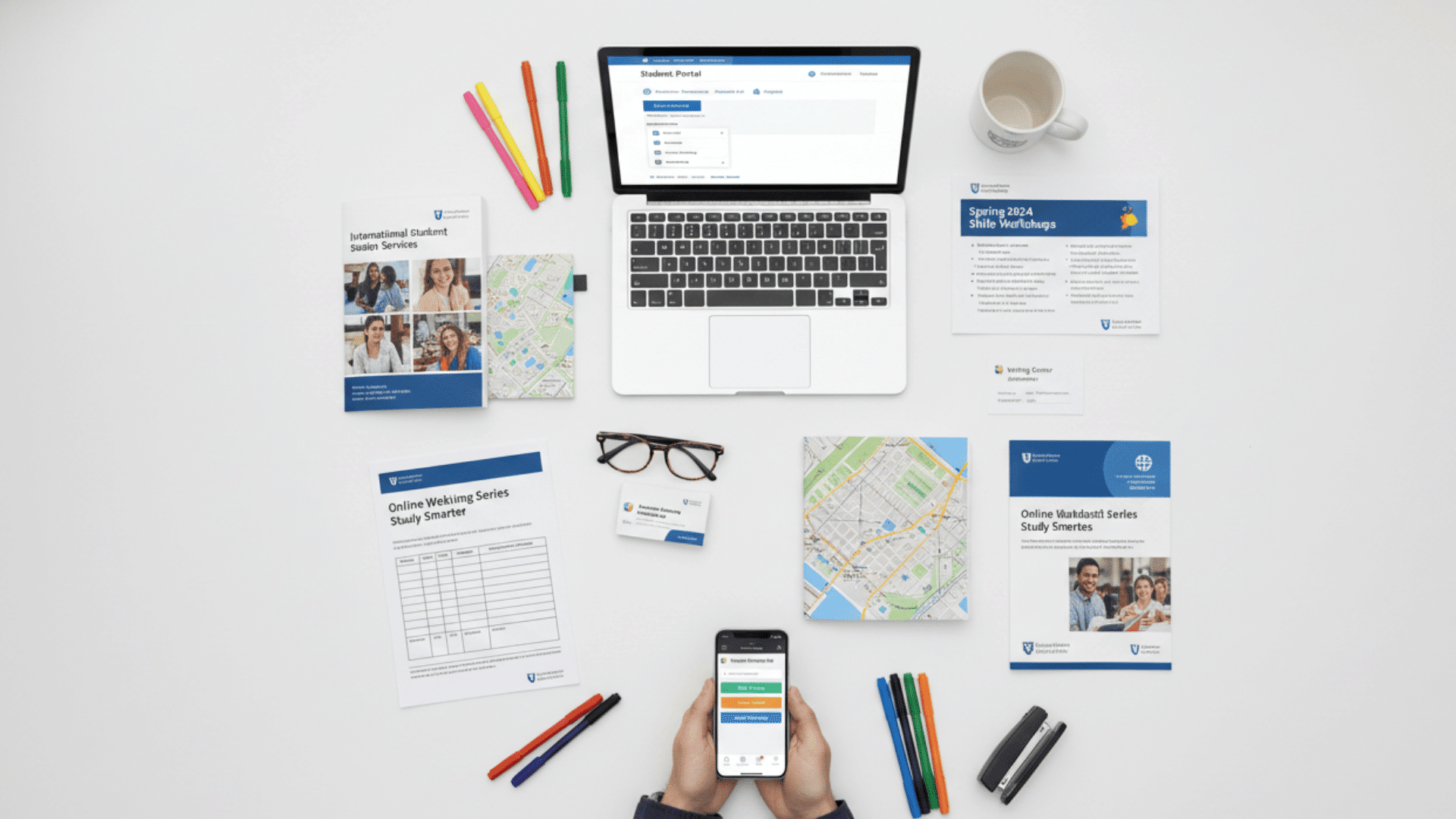
Universities know that students need more than just lectures to succeed. That’s why most campuses offer dedicated resources, workshops, and support services to help you build strong academic skills. These services are often free and designed specifically for student needs.
1. Academic Skills Centers
Academic skills centers are your go-to places for improving how you study, write, and manage your time. These centers offer tutoring, workshops, and one-on-one sessions where you can get personalized help with everything from critical thinking to note-taking strategies.
Examples:
- University of Oxford runs workshops focused on critical thinking and academic writing techniques.
- Stanford University offers sessions that help students improve their research and analytical skills.
- These centers typically schedule appointments online, making it easy to get help when you need it.
2. Writing Centers
Writing centers focus specifically on helping you become a better writer. Staff members review your drafts, help you structure essays, fix grammar issues, and teach you proper citation formats.
Examples:
- UCLA Writing Center provides one-on-one appointments where tutors work through your drafts with you.
- Many writing centers offer drop-in hours for quick questions about grammar or formatting.
- Some universities offer online submission options, where you can upload your draft and receive written feedback within days.
3. Library Services and Research Support
University libraries do much more than lend books. Librarians help you find reliable sources, search academic databases effectively, and organize your research materials.
Examples:
- University of Cambridge provides research guidance through both in-person consultations and online platforms.
- Many libraries offer workshops on evaluating source credibility and avoiding predatory journals.
- Research librarians can help you develop search strategies that save hours of frustration.
4. Digital Learning Platforms
Digital platforms give you access to online tutorials, courses, and webinars whenever you need them. These resources cover everything from basic study skills to advanced research methods.
Examples:
- Harvard University offers free online resources covering time management and academic writing fundamentals.
- Many universities provide video tutorials on using library databases and citation software.
- Some platforms include interactive quizzes that help you test your understanding of new concepts.
5. Academic Coaching and Advising
Academic coaches work with you individually to set goals, create study plans, and work through challenges. Unlike tutors, who focus on specific subjects, coaches focus on developing your overall approach to learning.
Examples:
- Many universities assign academic coaches who meet with you regularly to track your progress.
- Coaches help you break down large projects into manageable steps with realistic deadlines.
- Some programs focus specifically on helping students who are on academic probation get back on track.
6. Peer Learning and Study Groups
Learning from classmates who’ve already mastered difficult concepts can be incredibly helpful. Peer learning programs connect you with other students for tutoring, study groups, and mentoring.
Examples:
- University of Southern California runs peer mentoring programs where upperclassmen tutor underclassmen in challenging courses.
- Many departments organize weekly study groups during exam periods.
- Peer tutors often explain concepts in more relatable terms than professors do.
7. Workshops, Webinars, and Structured Programs
Universities regularly schedule workshops and webinars on topics that matter to students. These sessions cover practical skills like managing stress, meeting deadlines, conducting literature reviews, and preparing for presentations.
Examples:
- University of Chicago hosts regular workshops on research methods and academic writing conventions.
- Many schools offer webinar series on time management specifically designed for online learners.
- Some programs run intensive boot camps before major exams or at the start of thesis work.
8. International Student Support Services
International students face unique challenges when adapting to new academic systems and language requirements. Specialized support services help with everything from understanding grading systems to improving English language skills.
Examples:
- University of Melbourne provides programs specifically designed to help international students develop academic skills in English-speaking environments.
- Many universities offer English language support, including writing assistance and conversation practice.
- Some schools run orientation programs that explain academic expectations and cultural norms for international students.
These resources exist because universities want you to succeed. Take advantage of them early instead of waiting until you’re struggling.
How to Access These Services at Universities
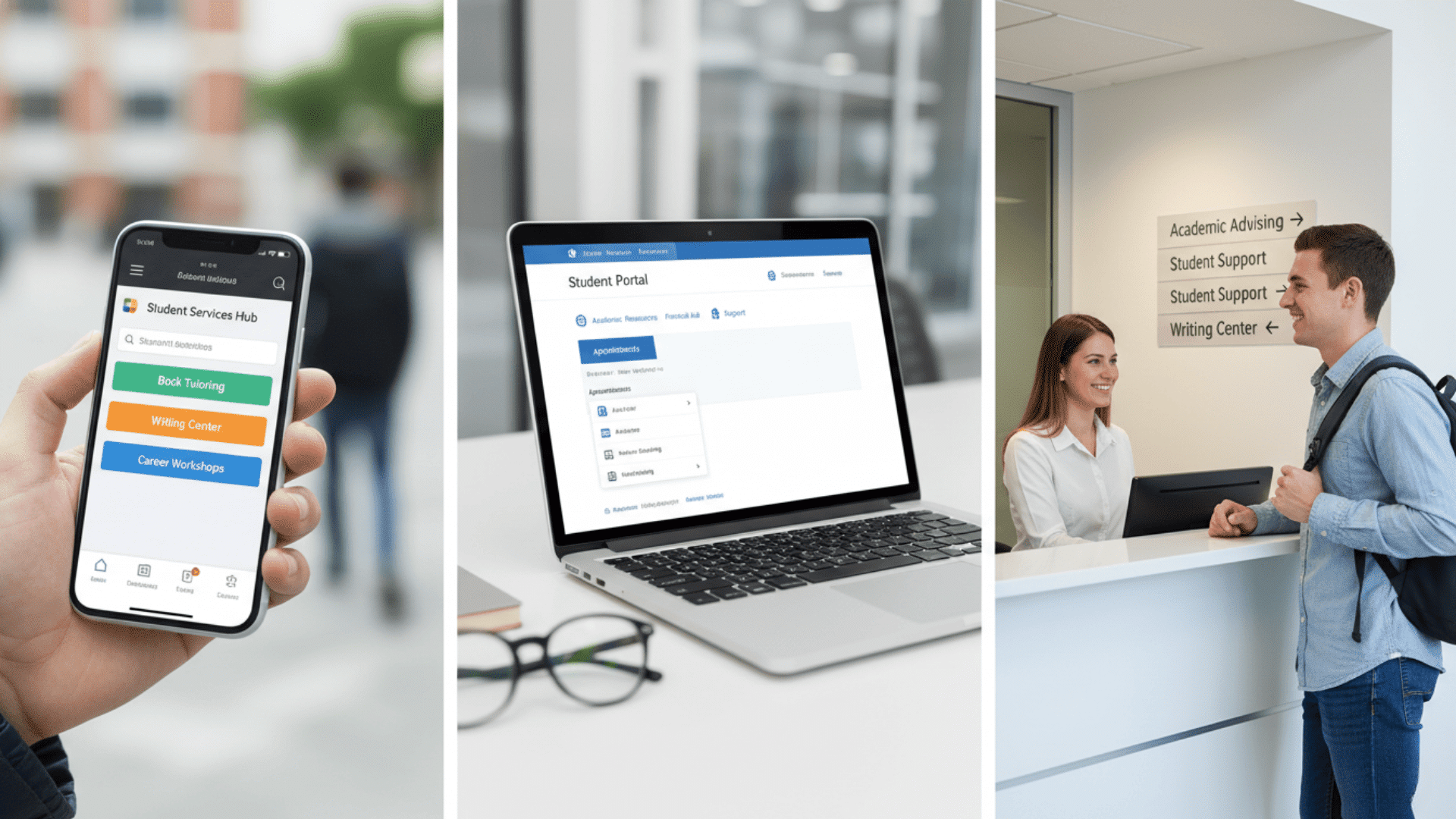
Knowing these services exist is one thing, but actually using them is another. Here’s how you can find and access the academic support your university offers.
Entry Points: Most universities make their support services easy to find through student portals, campus offices, or dedicated websites where you can browse options and book appointments.
Examples: You can access tutoring sessions, writing center appointments, and workshop registrations directly through your university’s app or online student portal.
Maximizing Support: Get the most value by booking appointments well before deadlines, attending multiple workshops throughout the semester, and requesting regular feedback rather than waiting until you’re struggling.
Challenges Students Face in Developing Academic Skills
Even motivated students sometimes struggle to build strong academic skills. Let’s look at common challenges and how you can overcome them with the right strategies and support.
| Challenge | Solutions | University Support |
|---|---|---|
| Procrastination | Use time-blocking and break tasks into steps | Academic coaching |
| Poor Time Management | Use task manager apps and realistic schedules | Time management workshops |
| Lack of Motivation | Set clear goals and reward progress | Academic advisors |
| Language Barriers | Practice daily and use grammar tools | Writing centers and ESL tutoring |
| Information Overload | Prioritize sources and take focused notes | Research strategy sessions |
These challenges are normal, and universities expect them. The key is reaching out for help early rather than waiting until problems become overwhelming.
How to Develop Academic Skills Independently?
You don’t always need formal help to improve your academic skills. Build daily habits like reading regularly, taking notes during lectures, and reviewing materials each day instead of cramming.
Use apps like Evernote for organizing notes, Trello for managing tasks, and Google Scholar for finding research sources. These tools keep your work organized and save time when assignments pile up.
Learning with others helps you grow faster. Join study groups to discuss concepts and review assignments together. Practice consistently, reflect on what works, and adjust your approach over time.
Small improvements add up, and skills that once felt difficult become natural.
Key Takeaways
Academic skills form the foundation of your success in university and beyond.
From critical thinking and time management to research methods and collaboration, these skills across seven categories prepare you for both exams and your future career.
Your university offers numerous resources, such as writing centers, workshops, and academic coaching, to support your growth.
But you can also build these skills independently through daily practice, using helpful apps, and learning with peers. Don’t wait until you’re struggling to seek help.
Start using these resources today, develop consistent study habits, and watch your confidence grow. Which academic skill will you work on first?