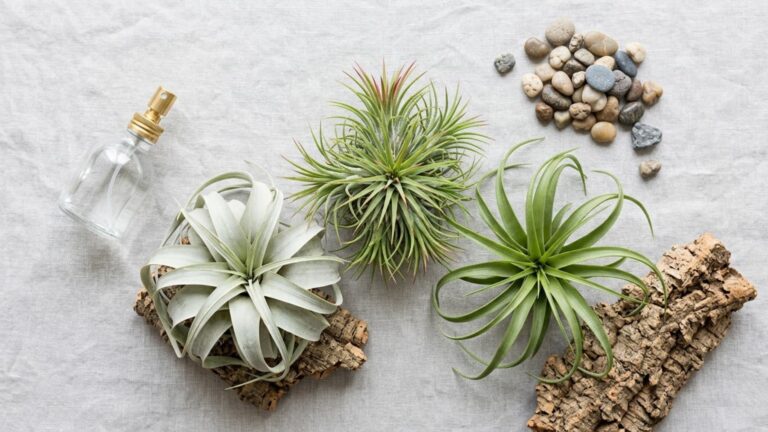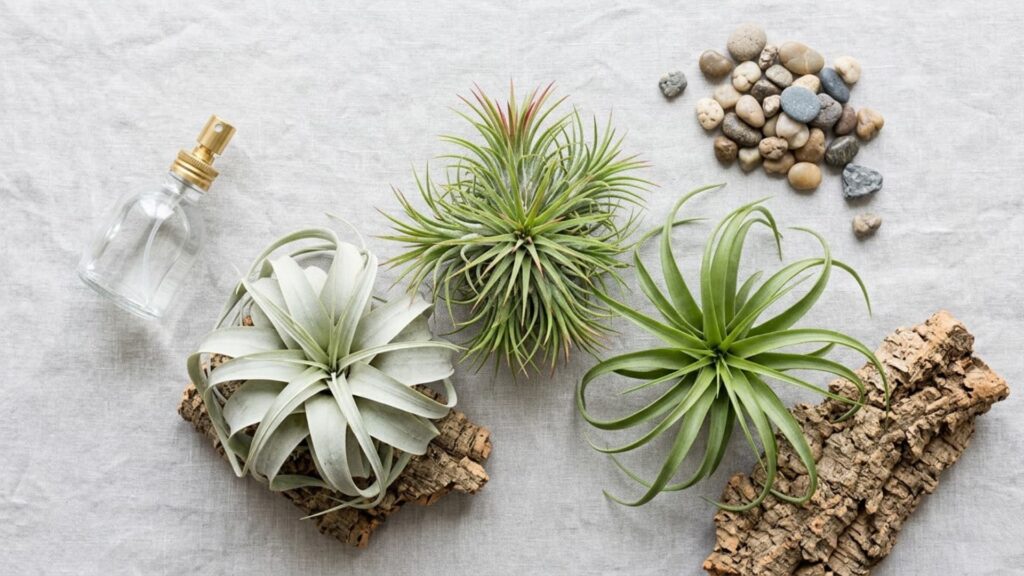

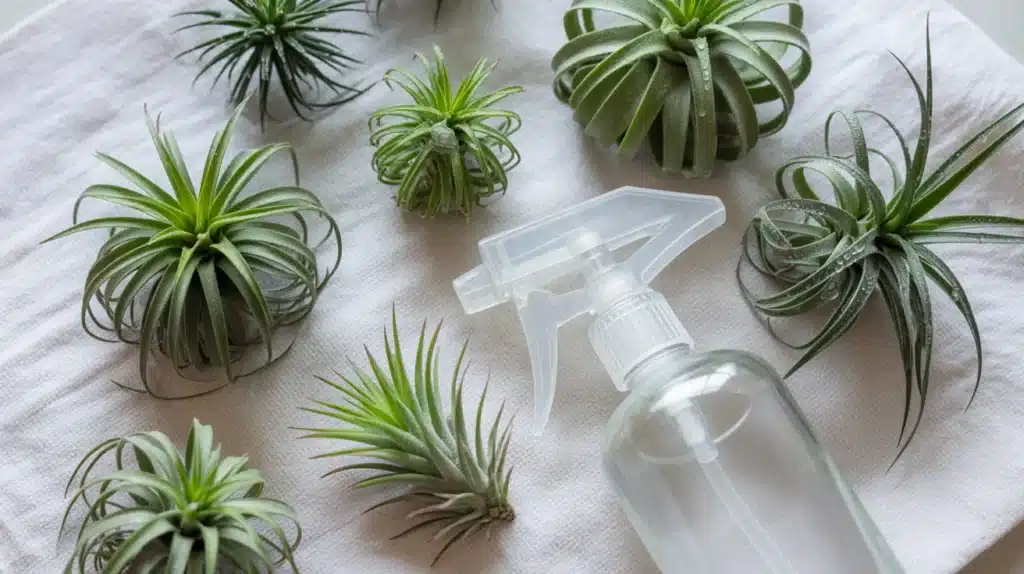
Air plants look almost too good to be true. No soil, no mess, just a tiny green thing sitting on your shelf looking effortlessly cool.
But then it starts curling. The tips go brown. You panic a little. The truth is, watering an air plant is not hard. It just works differently from any other plant you have owned.
These plants pull moisture straight through their leaves, not their roots. So if you have been misting once a week and calling it done, that might be exactly why yours looks sad right now.
This guide covers everything about how to water air plants, step by step, so yours actually thrive.
What Are Air Plants, and Why Do They Need Water?
Air plants, or Tillandsia, are soil-free plants that attach themselves to trees, rocks, or other surfaces in the wild.
They are epiphytes, meaning they absorb water and nutrients directly through tiny structures on their leaves called trichomes, not through roots.
Despite the name, air alone cannot keep them alive. Without regular water, they dry out, stop growing, and eventually die.
What Type of Water Is Best for Air Plants?
Not all water is created equal, and the type you use can make a real difference in how your air plant grows. The right water gives your plant the minerals it needs; the wrong one can slowly starve it.
- Rainwater: The best option. It is naturally mineral-rich and slightly acidic, which suits air plants well.
- Spring water: A reliable choice and easy to find at any grocery store.
- Aquarium water: Works great. Fish waste adds natural nutrients that air plants love.
- Tap water: Acceptable. Let it sit in an open container overnight before using it to let the chlorine off-gas.
- Distilled or filtered water: Avoid these. They strip out the minerals your plant depends on.
- Softened water: Do not use it. The salt content will harm the plant over time.
How to Water Air Plants: 3 Main Methods
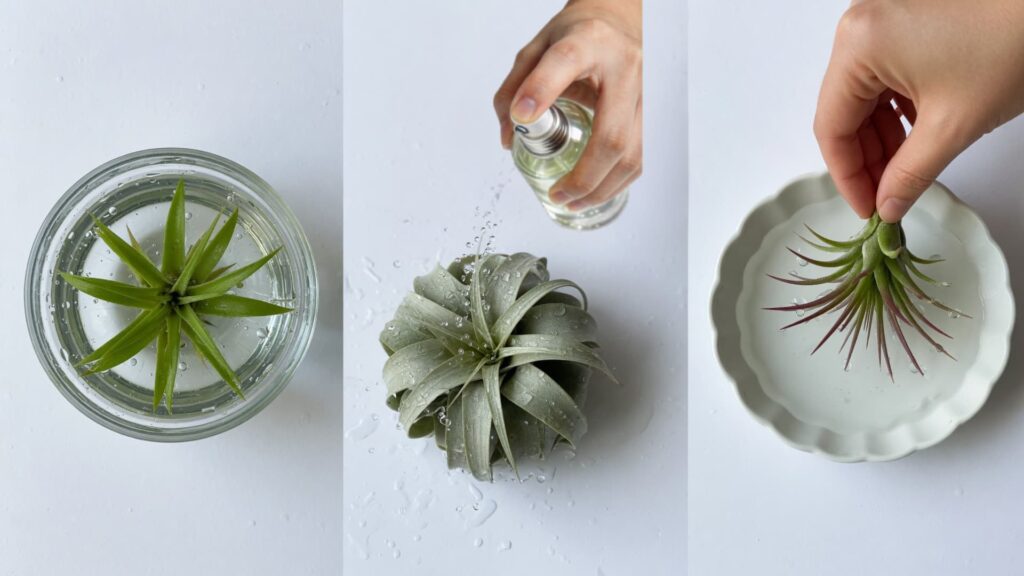
There is no single correct way to water an air plant. The best method depends on the type of plant you have and the conditions in your home.
1. The Soaking Method
Fill a bowl or sink with room-temperature water and place the plant in it for 20 to 30 minutes. For a plant that looks very dry, a soak of up to one hour is fine. After soaking, gently shake the plant to remove water from the base and leaves. Then set it upside down on a dry towel to drain fully.
Note: Do not soak a plant that is in bloom. Rinse it gently under running water instead so the flowers stay intact.
2. The Misting Method
Using a spray bottle, mist the entire surface of the plant until it looks lightly wet but not dripping. Do this once a week in addition to your regular soaking schedule. In hot or dry conditions, mist more often, even daily. Misting alone is not enough to keep most plants healthy, so never use it as a substitute for soaking.
3. The Dunking Method
Fill a bowl with water and dip the plant in and out several times until it is fully wet. This works well for xeric types that prefer less water and more light. It gives them a thorough rinse without a long soak. Shake off the excess water after and allow the plant to dry fully.
How Often Should You Water Air Plants?
Finding the right watering schedule is less about following a strict routine and more about reading your plant. That said, here is a solid starting point for most people.
- Every 1 to 2 weeks: Soak or thoroughly rinse your air plant as the main watering session.
- Once a week: Mist between soaks to add light moisture.
- Every 2 to 3 weeks: Do a longer soak of 1 to 2 hours to restore deep hydration.
- In summer or dry conditions: Water more often. Heat pulls moisture from the plant faster.
- In winter or humid climates: Water less often. Cooler, moister air does some of the work.
- Near heaters or fireplaces: Increase misting even in winter. These appliances dry the air around the plant faster than you might expect.
Mesic vs. Xeric Air Plants: Do They Need Different Watering?
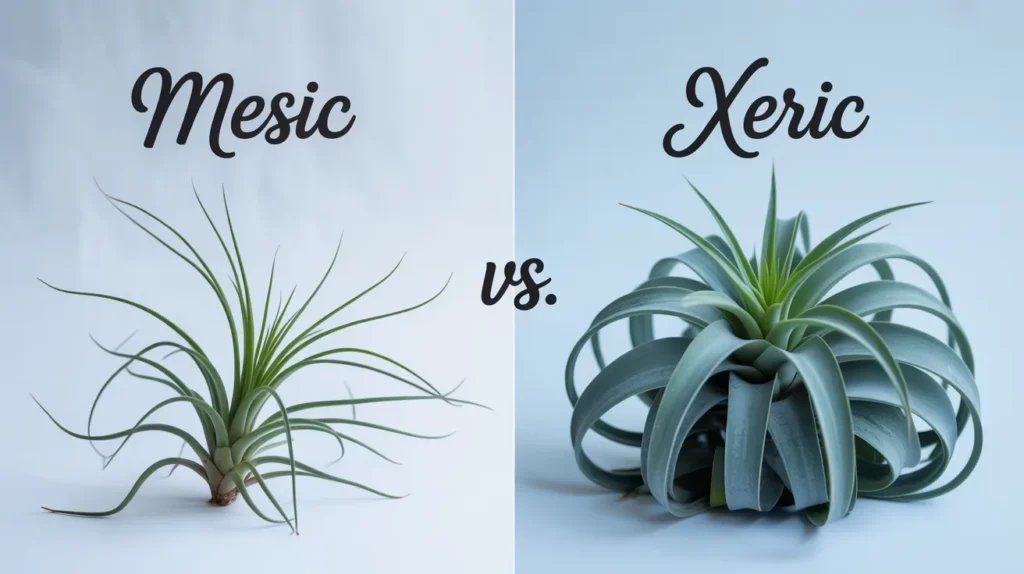
Not all air plants are the same, and watering them all in the same way is one of the most common mistakes new owners make. Knowing which type you have changes how often you water and which method you use.
| Feature | Mesic Air Plants | Xeric Air Plants |
|---|---|---|
| Appearance | Smooth, shiny, green leaves | Fuzzy, grey-green, or silvery leaves |
| Origin | Moderate-moisture environments | Dry, desert-like environments |
| Watering Needs | More frequent water | Less frequent water |
| Best Method | Soaking | Dunking or light misting |
| Light Needs | Bright, indirect light | Can handle some direct morning sun |
| Common Examples | Aeranthos, Capitata, Brachycaulos | Xerographica, Duratii, Streptophylla |
Pro Tip: Never group mesic and xeric plants together and water them the same way. One group will always end up with too much or too little water.
How to Dry Air Plants After Watering
Drying your air plant correctly after each watering session is just as important as the watering itself. Rot is the leading cause of air plant death, and it almost always starts from water sitting at the base for too long.
- Shake first: After soaking or rinsing, gently shake the plant to remove water from the leaves and base.
- Turn it upside down: Place it on a dry towel or drying rack with the base facing up.
- Allow airflow: Set it in a bright spot with good air circulation to speed up drying.
- Dry within 4 hours: The plant must be fully dry within 3 to 4 hours. If it stays wet longer, move it somewhere brighter or airier.
- Never return it wet: Do not place a wet plant back into a terrarium, glass container, or any enclosed space without airflow.
- Morning only: Always water in the morning. Watering at night slows drying and blocks the plant’s natural overnight gas exchange process.
Signs Your Air Plant Needs More Water
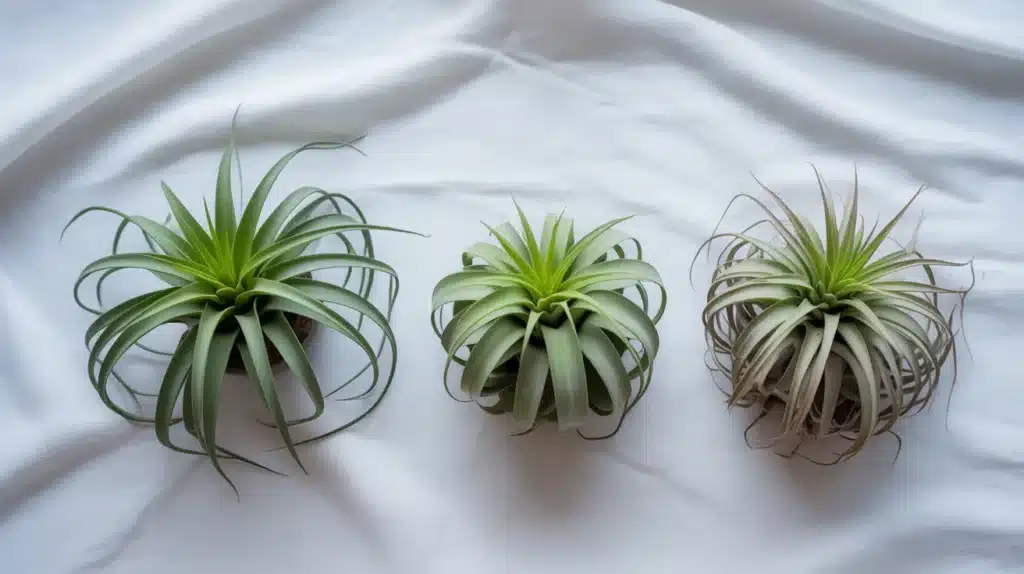
Your air plant will not tell you when it is thirsty, but it will definitely show you. Checking the leaves regularly gives you a clear read on how well your watering routine is working.
| Sign | What It Means |
|---|---|
| Leaf tips turn brown or crispy | The plant needs more water |
| Leaves look more curled or rolled than usual | Likely underwatered |
| Leaves feel soft and look lighter in color | Time to soak |
| Leaves feel firm and full after watering | The plant is well hydrated |
| The base of plant turns brown or black | Overwatering or rot is setting in |
| Leaves fall from the center of the plant | Root rot, likely from too much water |
| The plant looks unusually compact or smaller | Extended dry period, soak it now |
How and When to Add Fertilizer to Your Watering Routine
Add a liquid bromeliad or air plant-specific fertilizer to your soaking water once or twice a month. This is enough to give the plant a nutritional boost without overwhelming it.
Never fertilize more frequently, as too much can burn the leaves. Always check that the product does not contain copper or boron, as both are harmful to Tillandsia.
If you use rainwater or aquarium water regularly, your plant may need less fertilizer. Those water sources already carry some natural nutrients on their own.
Wrapping It Up
Watering an air plant is not complicated once you know what to look for. Soak it every one to two weeks, dry it fully after each session, and use clean mineral-rich water.
Check the leaves often. They will tell you when the plant is thirsty or sitting in too much water. The biggest mistake most people make is either ignoring their plant or overdoing it.
Both lead to the same result. Treat air plant care like a light routine, not a strict schedule. Once you find your rhythm, these plants are genuinely low effort and very rewarding to grow.
Have a question or tip? Drop it in the comments below.