


Most New Year’s resolutions die by February. You start strong, then life happens. Work piles up, motivation fades, and suddenly that exciting goal feels impossible.
They fail because they demand too much change too fast. Setting 10 goals at once or choosing habits that require perfect conditions sets you up for disappointment.
Real change happens differently. It starts with one small, sustainable action that fits your actual schedule. Not someone else’s routine from social media. Yours.
This guide covers practical resolution ideas across health, fitness, finances, relationships, and more.
You’ll learn how to choose resolutions that match your lifestyle, break them into manageable steps, and stick with them when life gets messy. No perfection required.
How to Choose the Right New Year’s Resolution?
Picking the proper resolution starts with honest self-assessment. Look at your current daily routine. Note what time you wake up, when you work, and how much free time you actually have.
The best resolutions fit into your life without significant disruption. If you only have 15 minutes free each morning, don’t plan a 2-hour workout routine. Start with what works now, then build from there.
Consistency beats perfection every single time. A small habit done daily creates more change than a big goal attempted once a week.
Matching Goals to Your Real Life:
| Ask Yourself | Good Sign to Proceed | Warning Sign to Adjust |
|---|---|---|
| Do I have time for this daily? | Yes, I can fit this into my morning or evening | I’ll need to rearrange my entire schedule |
| Have I done something similar before? | Yes, or I know someone who does this | This is entirely new and complicated |
| Can I do this on my worst days? | Yes, even a smaller version | Only on perfect days when I feel motivated |
| Does this solve a real problem? | Yes, I’ve been wanting to fix this for months | It just sounds good or trendy |
| Can I measure my progress easily? | Yes, I’ll know if I did it or not | It’s vague and hard to track |
Health and Wellness New Year Resolution Ideas

Small health changes create lasting results. These ideas focus on daily habits that improve your well-being without overwhelming your schedule.
1. Walk for 20 minutes at least five days a week: Regular walking improves heart health and boosts mood. Pick a time that fits your routine, like during lunch breaks or after dinner.
2. Stretch every morning for five minutes: Morning stretches reduce stiffness and prepare your body for the day. Focus on gentle movements that feel good rather than intense poses.
3. Drink more water by keeping a reusable bottle nearby: Having water visible reminds you to drink throughout the day. Aim to refill your bottle at least twice during work hours.
4. Go to bed at the same time on weeknights: Consistent sleep schedules improve rest quality and energy levels. Set an alarm 30 minutes before bedtime as a wind-down reminder.
5. Reduce sugar instead of cutting it out completely: Gradual reduction prevents cravings and feels more sustainable. Start by swapping one sugary drink for water each day.
6. Add one extra serving of vegetables each day: More vegetables mean better nutrition without strict dieting. Try adding greens to breakfast eggs or snacking on carrots.
7. Take regular screen breaks during the workday: Looking away from screens every hour protects eye health. Use these breaks to stand, stretch, or look out a window.
8. Practice deep breathing for two minutes daily: Controlled breathing lowers stress and improves focus. Try it when you first sit at your desk or before bed.
9. Schedule annual health checkups on time: Preventive care catches problems early when they’re easier to treat. Mark your calendar now so you don’t forget later.
10. Replace one processed snack with a whole food option: Whole foods provide better nutrition and longer-lasting energy. Swap chips for apple slices or nuts.
11. Limit late-night scrolling before sleep: Blue light from phones disrupts your natural sleep cycle. Put devices away at least 30 minutes before bed.
12. Move your body after long sitting periods: Standing and walking briefly prevent stiffness and improve circulation. Set hourly reminders to get up and move.
13. Focus on portion awareness rather than strict dieting: Noticing portion sizes creates healthier habits without feeling restrictive. Use smaller plates or check serving size labels.
14. Spend more time outdoors each week: Fresh air and natural light improve mental and physical health. Even 15 minutes outside during lunch makes a difference.
15. Listen to your body instead of pushing through exhaustion: Rest is part of health, not laziness or failure. Take breaks when you feel tired rather than forcing yourself forward.
Mental Health and Mindset Goals for the New Year

Your mental health deserves the same care as physical health. These goals help create emotional balance through simple daily practices.
16. Start a short daily journaling habit: Writing thoughts down clears mental clutter and reduces stress. Even three sentences each morning counts as progress.
17. Practice gratitude by noting one good thing daily: Focusing on positive moments shifts your mindset over time. Write it down before bed or share it with someone.
18. Reduce negative self-talk: Notice when you criticize yourself and reframe those thoughts. Speak to yourself like you would to a good friend.
19. Learn to say no without guilt: Protecting your time and energy is healthy, not selfish. Practice saying no to small things first to build confidence.
20. Take mental health days when needed: Rest days prevent burnout and improve long-term productivity. Plan them or use them when you feel overwhelmed.
21. Stop comparing progress to others: Everyone moves at their own pace with different circumstances. Focus on your own growth instead of measuring against others.
22. Create a calming morning routine: Starting the day peacefully sets a better tone for everything else. Include activities that relax you, like tea or quiet reading.
23. Set realistic expectations for yourself: Impossible standards lead to constant disappointment and stress. Adjust your goals to match your actual capacity and resources.
24. Unplug from news or social media at set times: Constant information overload increases anxiety and mental fatigue. Choose specific hours to check updates instead of scrolling all day.
25. Ask for help when overwhelmed: Seeking support is a strength, not a weakness or failure. Reach out to friends, family, or professionals when things feel too heavy.
26. Focus on progress instead of perfection: Small improvements matter more than flawless execution. Celebrate what you did accomplish rather than what you missed.
27. Spend quiet time alone each week: Solitude helps you process thoughts and recharge your energy. Schedule at least one hour weekly for activities you do alone.
Fitness and Movement Resolution Ideas
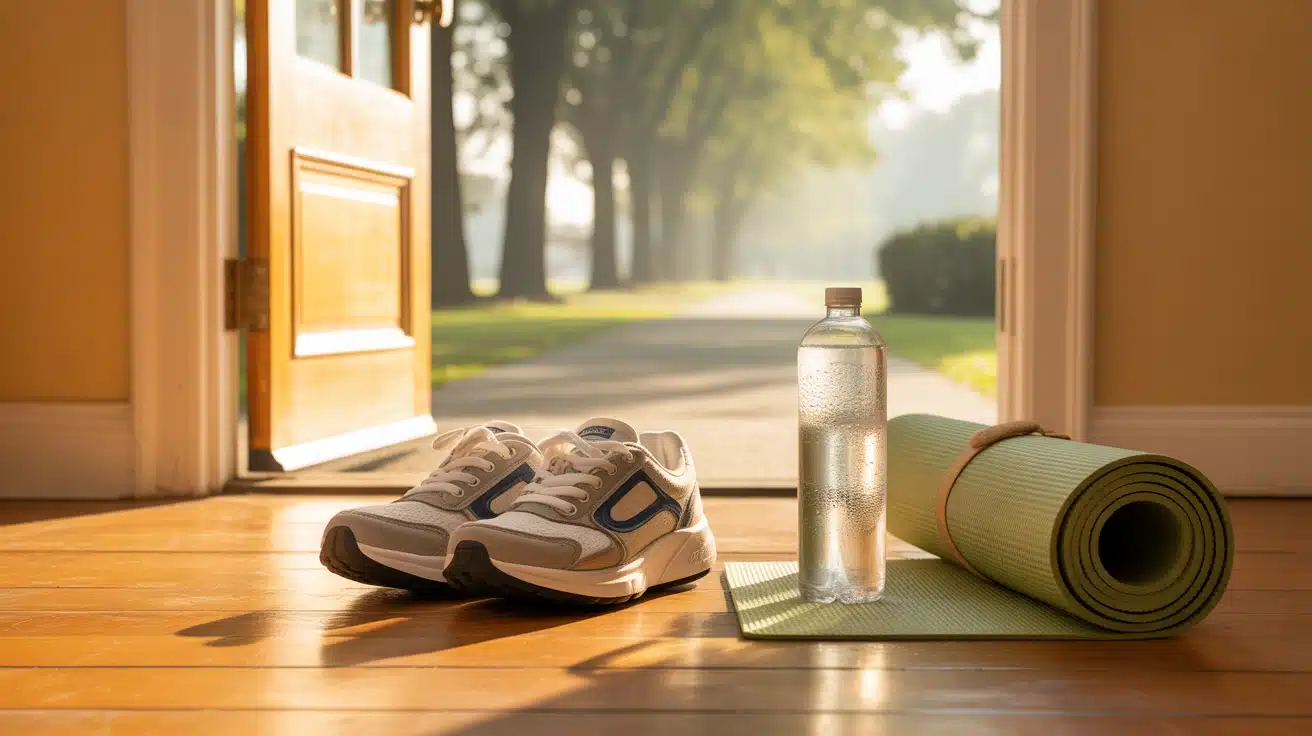
Movement doesn’t require gym memberships or intense workouts. These ideas make physical activity accessible and sustainable for everyone.
28. Do light movement every day instead of intense workouts: Daily gentle activity beats sporadic challenging exercise for long-term health. A 10-minute walk counts just as much as showing up.
29. Try a new physical activity each month: Variety keeps movement interesting and works different muscle groups. Explore options like swimming, dancing, or hiking.
30. Strength train twice a week: Building muscle improves metabolism and daily function throughout life. Start with bodyweight exercises like squats and pushups.
31. Improve posture while working or sitting: Better alignment reduces back pain and increases energy levels. Check your posture hourly and adjust your sitting position.
32. Walk more instead of driving short distances: Extra steps add up quickly and improve cardiovascular health. Park farther away or walk to nearby errands.
33. Take the stairs whenever possible: Stair climbing strengthens legs and heart with minimal time investment. Start with one flight and build from there.
34. Follow a beginner-friendly workout routine: Simple programs prevent injury and build confidence in movement. Look for routines labeled as beginner or starter level.
35. Focus on consistency over intensity: Regular moderate exercise beats occasional extreme workouts every time. Show up even when you only have energy for half an effort.
36. Stretch after physical activity: Post-workout stretching prevents soreness and improves flexibility over time. Spend five minutes on gentle stretches after each session.
37. Track movement without obsessing over numbers: Awareness helps without creating unhealthy fixation on data. Note what you did rather than constantly checking stats.
38. Warm up properly before exercise: Warming muscles reduces injury risk and improves workout performance. Spend five minutes doing light cardio or dynamic stretches first.
39. Rest when your body needs it: Recovery days are when muscles actually grow stronger. Taking breaks prevents burnout and injury better than pushing through pain.
Personal Growth and Self-Improvement Goals

Growing as a person happens through small, intentional actions. These goals build skills and confidence without requiring dramatic life changes.
40. Read for 15 minutes a day: Regular reading expands knowledge and improves focus over time. Keep a book by your bed or read during breakfast.
41. Learn one new skill this year: Skill-building keeps your mind active and opens new opportunities. Choose something that genuinely interests you, not what sounds impressive.
42. Replace scrolling time with learning time: Swap 20 minutes of social media for educational content daily. Listen to podcasts or watch tutorial videos instead.
43. Set weekly personal check-ins: Reflecting regularly keeps you aware of your growth and struggles. Sunday evenings work well for reviewing the past week.
44. Improve time management skills: Better time use reduces stress and increases productivity naturally. Start by tracking how you currently spend each hour.
45. Create better daily routines: Consistent routines reduce decision fatigue and create automatic positive habits. Design morning and evening sequences that support your goals.
46. Work on self-discipline gently: Building willpower takes time and patience with yourself. Start with one small commitment and expand slowly from there.
47. Practice patience in stressful situations: Responding calmly instead of reacting improves relationships and decision-making. Pause and breathe before responding when upset.
48. Focus on one habit at a time: Multiple changes at once overwhelm your capacity for growth. Master one new behavior before adding another.
49. Build confidence through small wins: Accomplishing tiny goals proves you’re capable of bigger ones. Celebrate each success, no matter how minor it seems.
50. Reflect on monthly progress: Looking back shows how far you’ve come, even when daily progress feels slow. Write down three wins from each month.
51. Spend time doing things that spark curiosity: Following interests keeps life engaging and develops new abilities. Try activities just because they sound fun or engaging.
Financial New Year Resolution Ideas

Money stress affects every part of life. These goals create financial stability through manageable habits rather than extreme sacrifices.
52. Save a small amount from every paycheck: Consistent saving builds security even with modest amounts. Automate transfers of $20 or whatever you can afford.
53. Track spending once a week: Regular tracking shows spending patterns without requiring daily attention. Review transactions every Sunday to stay aware.
54. Build an emergency fund gradually: Start with $500, then work toward three months of expenses. Small deposits each month add up faster than you expect.
55. Reduce unnecessary subscriptions: Monthly charges you don’t use drain money without providing value. Review subscriptions quarterly and cancel what you skip.
56. Set a realistic monthly budget: Budgets only work if they match your actual life and needs. Track spending first, then set limits based on real numbers.
57. Avoid impulse purchases: Waiting 24 hours before buying prevents regret and saves money. Add items to a wishlist instead of your cart immediately.
58. Plan purchases before shopping: Lists prevent overspending and forgotten essential items. Write what you need before entering stores or browsing online.
59. Pay down high-interest debt first: Focusing on expensive debt saves the most money long-term. Make minimum payments elsewhere while attacking the highest rate.
60. Review bank statements regularly: Checking statements catches errors and prevents overdraft fees. Set a reminder to review accounts twice monthly.
61. Learn basic money management skills: Understanding finances reduces anxiety and improves decision-making. Watch free videos or read beginner money guides.
62. Increase savings instead of cutting joy: Building wealth shouldn’t mean eliminating all fun from life. Find one area to save more without removing things you love.
63. Set one clear financial goal: Multiple money goals create confusion and reduce follow-through. Choose saving, debt reduction, or investing for this year.
Career and Work-Life Balance Resolution Goals

Work consumes significant time and energy in life. These resolutions help you perform well without sacrificing your health or personal time.
64. Set more precise work boundaries: Defining when work ends protects your personal life and prevents burnout. Communicate your availability clearly to colleagues and managers.
65. Improve focus during work hours: Concentrated work finishes tasks faster than distracted effort all day: close unnecessary tabs and silence non-urgent notifications.
66. Learn a skill related to your job: Growing professionally increases value and opens advancement opportunities. Take free online courses or shadow experienced coworkers.
67. Take breaks without guilt: Rest improves productivity more than grinding through exhaustion does. Step away from your desk at least once every two hours.
68. Organize your workspace: Clean, organized spaces reduce stress and improve concentration significantly. Spend 10 minutes tidying your desk each Friday afternoon.
69. Communicate more effectively at work: Clear communication prevents misunderstandings and wasted time on corrections. Ask questions when instructions seem unclear.
70. Reduce multitasking: Switching between tasks decreases quality and increases completion time. Finish one thing before starting another whenever possible.
71. Plan your workweek: Knowing priorities prevents reactive scrambling throughout the week. Spend 15 minutes on Sunday or Monday mapping key tasks.
72. Ask for feedback regularly: Input from others helps you improve faster than guessing alone. Request specific feedback monthly from managers or teammates.
73. Stop working beyond set hours: Constant overtime leads to diminishing returns and health problems. Close your laptop at your set time unless true emergencies arise.
74. Prioritize tasks more effectively: Tackling important work first ensures critical items get done. Use morning energy for tasks requiring the most focus.
75. Take your paid time off: Unused vacation time hurts you without benefiting anyone else. Schedule days off in advance so work doesn’t pile up.
Relationship and Social New Year Resolution Ideas

Strong relationships provide support and meaning throughout life. These goals strengthen connections through consistent, thoughtful actions.
76. Check in with loved ones more often: Regular contact maintains closeness even when life gets busy. Text or call one person weekly just to say hello.
77. Improve listening skills: Truly hearing others strengthens bonds and prevents misunderstandings. Put your phone down during conversations and ask follow-up questions.
78. Spend quality time without distractions: Present attention matters more than hours spent together. Put devices away during meals or planned activities with loved ones.
79. Express appreciation more openly: Telling people you value them strengthens relationships and spreads positivity. Say thank you and I appreciate you more often.
80. Let go of draining relationships: Some connections cause more harm than good over time. It’s okay to step back from people who consistently make you feel worse.
81. Make time for meaningful conversations: Superficial chatter doesn’t build real connection or understanding. Ask more profound questions about feelings, goals, and experiences.
82. Be more present during social interactions: Mental presence shows respect and creates genuine bonding moments. Notice when your mind wanders and refocus on the person.
83. Set healthier boundaries: Protecting your needs doesn’t damage good relationships with reasonable people. Communicate limits clearly and kindly when necessary.
84. Resolve conflicts calmly: Addressing issues directly and gently prevents resentment from building up. Talk when you’re calm rather than in the heat of anger.
85. Reconnect with old friends: Valuable friendships can survive gaps in contact with effort. Reach out to someone you miss but haven’t talked to lately.
86. Show kindness intentionally: Small, generous acts create warmth in all your relationships. Hold doors, offer help, and give sincere compliments regularly.
Home and Lifestyle Resolution Ideas

Your living space affects your daily mood and stress levels. These goals create a more comfortable, organized home environment.
87. Declutter one area each month: Tackling small spaces prevents overwhelm and gradually clears your home. Start with one drawer, shelf, or corner at a time.
88. Create a calming evening routine: Peaceful nights lead to better sleep and lower stress overall. Design a sequence of relaxing activities before bed each night.
89. Keep living spaces tidy daily: Five minutes of maintenance prevents hours of deep cleaning later. Do quick pickups before bed or after meals.
90. Reduce household waste: Less waste saves money and benefits the environment simultaneously. Start with reusable bags, containers, and water bottles.
91. Organize digital files and photos: Digital clutter creates stress just like a physical mess does. Spend 15 minutes monthly sorting files and deleting unnecessary items.
92. Cook more meals at home: Home cooking improves health and saves significant money over eating out. Start with just two extra home-cooked dinners per week.
93. Create a relaxing home environment: Comfortable spaces improve your daily mood and energy levels. Add plants, adjust lighting, or play calming background music.
94. Maintain a consistent cleaning schedule: Regular light cleaning beats occasional marathon sessions every time. Assign specific tasks to specific days each week.
95. Improve indoor air quality: Better air reduces allergies and improves sleep and focus. Open windows daily and consider adding air-purifying plants.
96. Limit unnecessary purchases for the home: Buying less means less to clean, organize, and maintain later. Wait before purchasing non-essential home items.
97. Designate tech-free areas: Spaces without devices create opportunities for rest and real conversation. Make bedrooms or dining areas phone-free zones.
98. Focus on comfort over perfection: Your home should serve your needs, not look like a magazine. Choose practical over impressive when making home decisions.
Simple New Year Resolution Ideas for Beginners
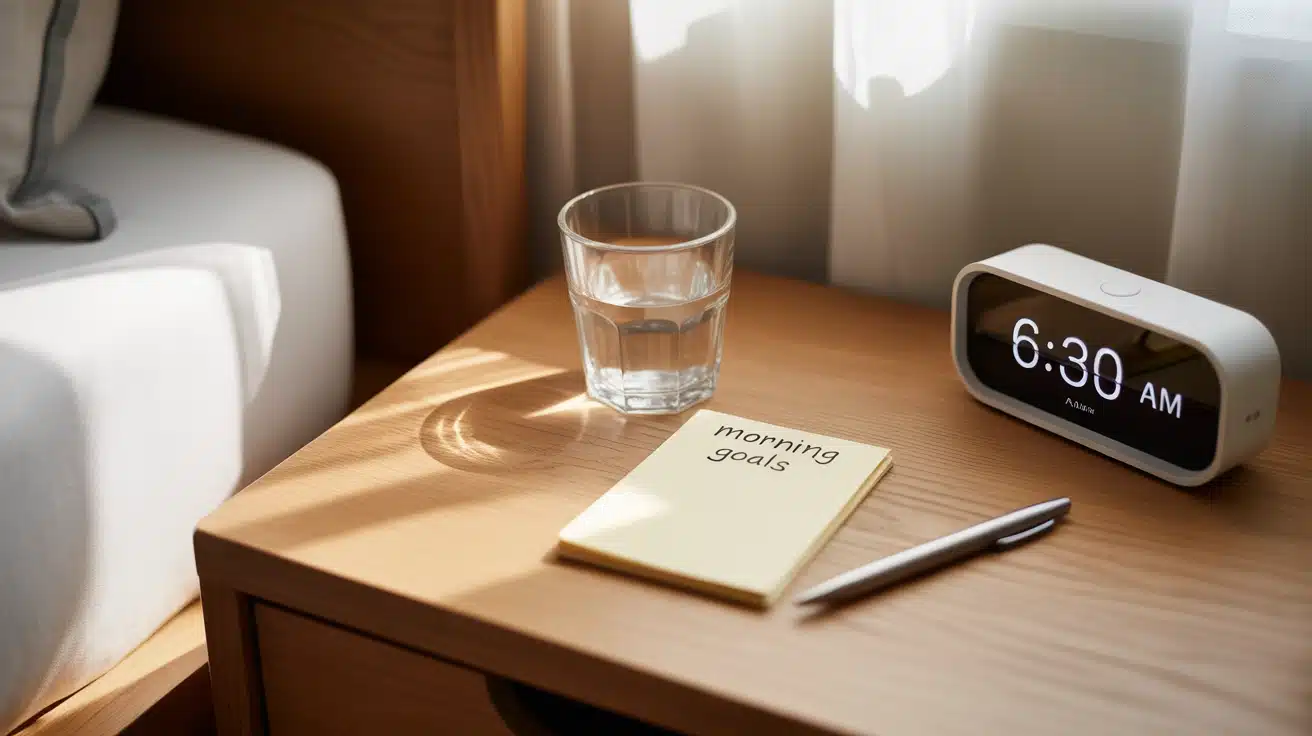
Starting small builds confidence and creates a foundation for bigger changes. These ideas require minimal effort while still creating a positive impact.
99. Drink one extra glass of water daily: Adding just one glass is easy but improves hydration noticeably. Keep water on your desk or nightstand as a reminder.
100. Wake up ten minutes earlier: Small time additions feel manageable and give breathing room each morning. Use those minutes for quiet time before the rush begins.
101. Make your bed each morning: This quick task creates immediate accomplishment and a tidier bedroom appearance. It takes under two minutes but improves your space all day.
102. Go for a short walk daily: Even five-minute walks count as movement and provide fresh air. Walk around your block or building during a work break.
103. Write one goal for the week: Weekly planning keeps you focused without overwhelming yourself with details. Choose one main thing to accomplish each Sunday evening.
104. Stretch before bed: Nighttime stretching relaxes muscles and can improve sleep quality over time. Spend three minutes on gentle stretches while watching TV.
105. Reduce screen time slightly: Cutting even 15 minutes daily frees time for other activities. Replace scrolling with reading, talking, or simply resting your eyes.
106. Eat one home-cooked meal daily: Starting with one meal makes home cooking feel achievable rather than overwhelming. Breakfast or lunch often works better than dinner for beginners.
107. Practice one positive habit consistently: Choosing just one focus prevents the confusion of multiple changes. Master it before adding anything new to your routine.
108. Tidy one small space per day: Cleaning just one surface or corner keeps things manageable and gradual. Your home improves slowly without exhausting cleaning sessions.
109. Focus on one resolution only: Doing one thing well beats attempting five things poorly. Pick your most important goal and ignore everything else for now.
110. Celebrate little progress: Acknowledging wins keeps you motivated when change feels slow. Give yourself credit for showing up even when results seem tiny.
How to Stick With Your New Year’s Resolution All Year?
Sticking with resolutions requires flexibility, not rigid perfection. Break your goal into tiny daily actions that take less than five minutes to complete.
A big goal like getting fit becomes walking for 10 minutes each morning. Track your progress in simple ways that feel helpful rather than stressful.
Mark calendar days when you complete your habit or keep a basic checklist. Avoid tracking every detail, or you’ll feel overwhelmed by data.
Life will throw unexpected changes your way throughout the year. When things shift, adjust your resolution instead of abandoning it altogether.
If work gets busy, reduce your goal from daily to three times weekly. The key is staying in the game even when circumstances change.
Final Thoughts
New year resolution ideas work best when they fit your real life. You don’t need to change everything at once or set goals that sound impressive to others.
Pick one or two resolutions that genuinely matter to you. Start small, stay consistent, and adjust when needed. Progress beats perfection every single time. Missing a day doesn’t mean failure.
It just means you’re human. Get back to your resolution the next day and keep going. Small daily actions create the biggest changes over time. Which resolution from this list will you start with today?
Choose one goal, write it down, and take the first step right now. Your future self will thank you for starting.
















One Response
this helped me so much and motivated me to start working on my resolutions the next year, thanks!