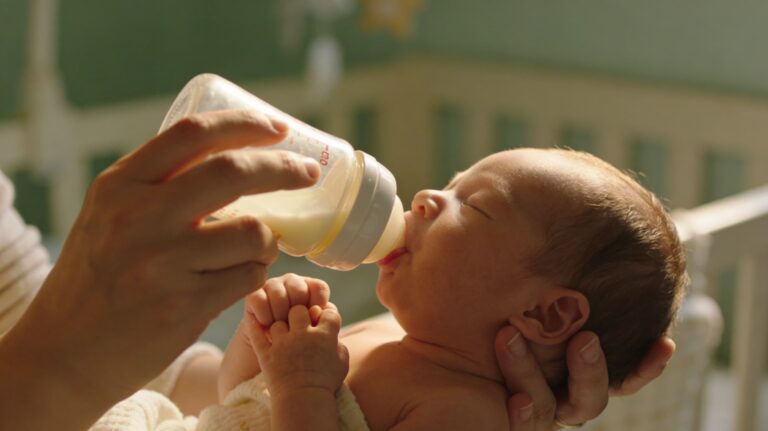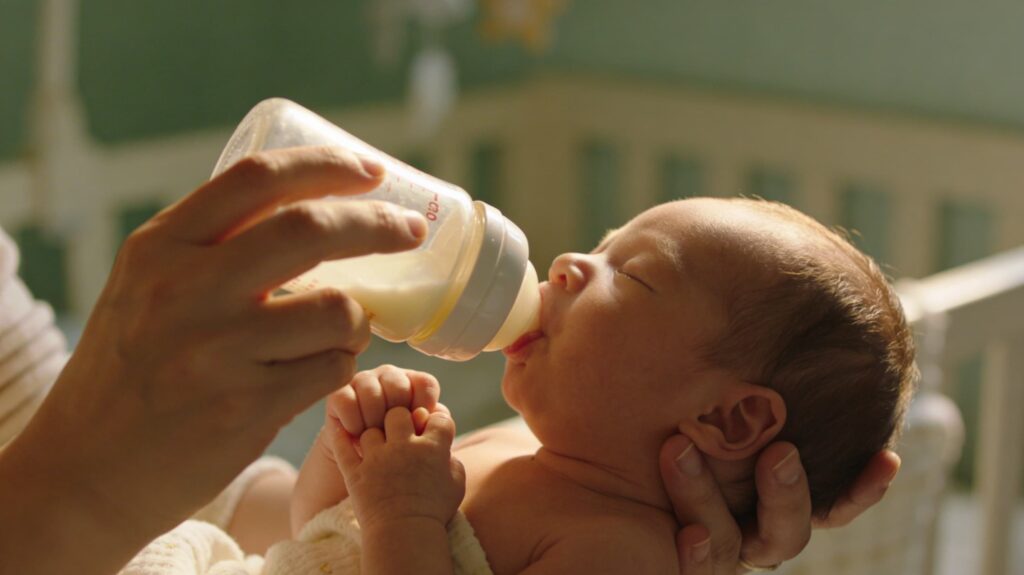


Three in the morning. Baby is crying again. You fed them, changed them, and rocked them for what feels like an hour. Still nothing works. It is one of those moments that makes new parents question everything.
A fussy baby is exhausting, but it is rarely a sign that something is seriously wrong. Most of the time, your baby is trying to tell you something very specific. The cry is the only tool they have right now.
This blog breaks down the real reasons why your baby is so fussy, from hunger and gas to teething and the dreaded witching hour, so you know exactly what to do next.
Is It Normal for Babies to Be Fussy?
Yes, it is. Most healthy babies cry up to 3 hours a day in their first 2 to 3 months of life.
Fussiness typically peaks around 6 weeks and begins to settle down by 3 to 4 months. As long as your baby is feeding well and gaining weight, some daily fussiness is just a normal part of this stage.
Why Is My Baby So Fussy? 10 Common Reasons

Babies cannot talk yet, but they are always trying to communicate. Here are 10 of the most common reasons your baby might be fussy right now.
1. Hunger
Newborns need to be fed every 2 hours, and sometimes even more often during cluster feeds. If your baby is fussing, hunger is always the first thing to check. During growth spurts, they may want to feed more often than usual.
2. Gas and Digestive Discomfort
Babies have immature digestive systems that do not fully break down food. Air gets trapped during feeds, causing bloating and pressure that hurts. Burping your baby after each feed, along with a gentle clockwise belly massage, can provide quick relief.
3. Colic
Colic is when an otherwise healthy baby cries for more than 3 hours a day, more than 3 days a week, for over 3 weeks straight. About 25% of newborns go through it, and it usually starts around 2 weeks of age. The reassuring part is that colic typically resolves on its own by 3 to 4 months.
4. Overtiredness
When babies miss their sleep window, the body releases cortisol and adrenaline, making it very hard for them to settle. Watch for sleepy cues like yawning, eye rubbing, or looking away. Getting your baby to sleep before they reach that overtired stage makes a significant difference.
5. Overstimulation
By the time evening comes, your baby may have taken in more sensory input than their small nervous system can handle. Too much noise, light, or activity around them can tip things over the edge. Moving to a quiet, dim room often helps them calm down within minutes.
6. Teething Pain
Most babies begin teething between 4 and 6 months, and it is genuinely painful. You may notice increased drooling, hand or toy chewing, and increased crying throughout the day. A cool teething ring or a gentle finger gum massage can bring some relief.
7. Growth Spurts
During growth spurts, babies feel hungrier, sleep more, and are generally cranky for a few days. These phases occur several times in the first year and usually last 2 to 3 days. Feeding on demand during this time is the best approach.
8. Routine Changes
Babies feel most settled when their day is predictable. Skipping a nap, going out during feeding time, or having new people around can throw them off. Keeping feeding and sleep times consistent helps babies feel more secure throughout the day.
9. Cow’s Milk Protein Allergy (CMPA) or Food Sensitivity
CMPA is the most common food allergy in babies and can cause excessive crying, vomiting, rashes, or blood in the stool. Breastfeeding mothers may need to remove dairy from their diet, while formula-fed babies may need a special formula. Always speak to a pediatrician before making any changes to feeding.
10. Illness or Infection
Babies often become fussier right before or during an illness. Watch for signs such as fever, refusal of feeds, a different-sounding cry, or unusual weakness and lethargy. If your baby is under 2 months old and has a fever of 100.4°F (38°C) or above, call your doctor immediately.
Why Is My Baby So Fussy at Night?
Evening fussiness, often called the witching hour, typically happens between 5 and 11 p.m. and is very common in newborns.
By the end of the day, babies are overtired, overstimulated, and in many cases, dealing with a slower breast milk supply in the evening.
This phase usually resolves on its own by 4 to 6 months as babies build more predictable sleep patterns.
Why Is My Baby So Fussy After Feeding?
If your baby cries right after a feed, the feed itself might be the issue. A few specific things can make feeding time uncomfortable for babies.
| Cause | What It Looks Like | What to Do |
|---|---|---|
| Reflux | Spitting up often, back arching, crying after feeds | Speak to your pediatrician |
| Foremilk and Hindmilk Imbalance | Gassy, unsettled after breastfeeds | Let the baby fully drain one breast before switching |
| Tongue Tie or Lip Tie | Poor latch, frequent feeds, ongoing gas | See a pediatrician or pediatric dentist |
| Overfeeding | Crying, spitting up, looking uncomfortable | Check feed amounts with your doctor |
| Fast Let-down | Gulping, choking, pulling off the breast | Try a laid-back breastfeeding position |
Age-by-Age: Why Babies Get Fussy at Different Stages

Fussiness does not always mean the same thing at every stage. The age of your baby often gives you the clearest clue about what is bothering them.
Newborn to 6 Weeks
Everything is unfamiliar for a newborn, and adjusting to life outside the womb takes time. Gas, hunger, and general discomfort from the surrounding environment are the main causes of fussiness at this stage. Crying typically reaches its peak around 6 weeks.
6 Weeks to 3 Months
Cognitive development speeds up significantly, which can be tiring and overwhelming for babies. Colic is most common during this window, and it can feel relentless for parents. Things usually start to improve as your baby approaches the 3-month mark.
4 to 6 Months
Teething often starts during this period, bringing real and consistent discomfort. Babies also become much more aware of the world around them, which increases the likelihood of overstimulation. Sleep regressions can also begin during this stage, adding to the fussiness.
9 to 12 Months
Babies this age want to move, but often cannot do everything their brain tells them to. The frustration of learning to crawl, pull up, or walk makes them cranky and hard to settle. Separation anxiety also begins around this time, so they may want to be held far more than before.
How to Calm a Fussy Baby: What Actually Works
There is no single fix for a fussy baby, but some methods work more often than others. Try a few of these and see what your baby responds to.
- Skin-to-skin contact: Holding your baby close regulates their heart rate, breathing, and stress levels.
- Swaddling: A snug wrap makes babies feel safe and keeps their arms from startling them awake.
- White noise: Sounds that mimic the womb, like a fan or a white noise machine, calm many babies fast.
- Gentle rocking or motion: A rocking chair, baby swing, or slow bouncing often does the trick.
- Sucking: A pacifier or breastfeeding triggers a natural calming response in babies.
- Going outside: Fresh air and a change of surroundings can break the crying cycle for both baby and parent.
- A warm bath: Many babies settle almost immediately when placed in warm water.
- A car ride: The vibration and steady hum of a moving car is surprisingly effective for many babies.
- Belly massage: Gentle clockwise circles around the belly button help move trapped gas along.
- Bicycle legs: Moving the baby’s legs in a gentle pedaling motion can release trapped gas quickly.
| When to Call the Doctor
Call your doctor right away if your baby is under 2 months old and has a fever of 100.4°F (38°C) or higher. You should also get in touch if your baby is not eating, is losing weight, has blood in the stool, vomits often, or cries in a way that sounds very different from their usual cry. Trust your instincts. If something feels off, it is always worth a call. |
How to Take Care of Yourself When Your Baby Won’t Stop Crying
Caring for a fussy baby is genuinely hard, and feeling frustrated or helpless is completely normal. Parents actually have a hormonal response that causes real distress when their baby cries.
It is biological, not a sign of weakness. Ask for help when you need it, step away for a few minutes when you feel overwhelmed (with baby safely in the crib), and let the smaller things go for now.
You are doing a better job than you think.
The Bottom Line
Figuring out why your baby is so fussy can feel like learning a new language overnight. But the more you pay attention to the cues, the patterns, and the timing, the easier it gets.
Most fussiness in babies is completely normal and does get better with time. The peak is usually around 6 weeks, and by 3 to 4 months, most parents start to feel real relief.
Be patient with your baby. Be patient with yourself, too. You are not failing. You are learning.
Did any of these reasons match what your baby is going through? Which tip worked best for you? Comment down below and let us know.
Frequently Asked Questions
Why Is My Baby So Fussy When Nothing Is Wrong?
Sometimes babies fuss simply because they need closeness and comfort, not because something is medically off. It is their only way of saying, “I just need you right now.”
How Do I Stop My Baby From Being Fussy?
Check the basics first: hunger, gas, sleep, and overstimulation. If those are all fine, try skin-to-skin contact, white noise, or a short walk outside.
When Is Peak Fussiness for Babies?
Most babies reach peak fussiness around 6 weeks of age. After that, it gradually improves and typically settles down by 3 to 4 months.