

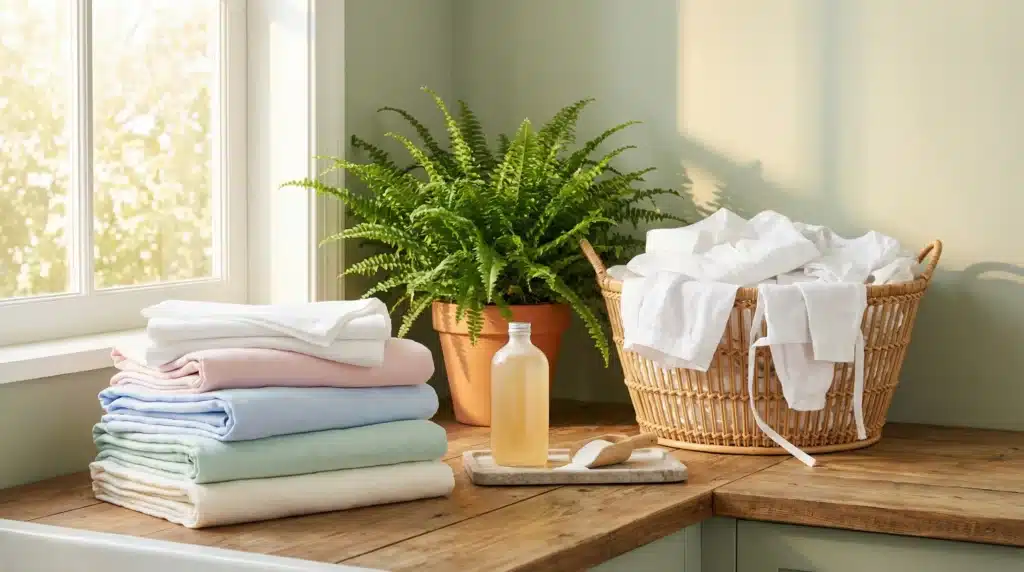
There is a certain inertia to laundry. The routine sets in early, detergent, dryer sheets, hot water, repeat, and most households never revisit it. But the reality is that laundry habits are one of the easiest places to make a meaningful shift without upending daily life. Even now, even after years of doing things one way, it is not too late to rethink what goes into the wash and what comes out of it. Small changes here tend to stick, and over time they add up in ways that are both practical and noticeable.
Old Habits Stick Around
Laundry routines tend to be inherited rather than chosen. People use what their parents used, or what was on sale at the grocery store, without much thought about ingredients, water use, or long term effects on fabrics and skin. That familiarity can make change feel unnecessary, even when there are better options sitting right there on the shelf. The good news is that eco-friendly alternatives do not require a full reset. Most swaps can happen gradually, one product at a time, without disrupting the rhythm of the household.
There is also a misconception that making greener choices means sacrificing performance. That was true years ago in some cases, but it does not hold up now. Modern formulations clean just as well, often with fewer additives that can build up on clothing or irritate sensitive skin. Once people try them, they tend to realize they are not giving anything up.
Getting Started Without Overthinking It
The easiest way to begin is to simplify the process rather than complicate it. Instead of researching every single product individually, an eco-friendly laundry essentials kit that has everything you need to get started is the best way to go. It removes the guesswork and keeps the transition from feeling like a project. Most kits include a concentrated detergent, a stain solution, and reusable alternatives to things like dryer sheets, which makes the shift feel manageable right away.
This kind of approach also prevents the common trap of switching one item but leaving everything else the same. When everything works together, the results are more consistent, and people are less likely to revert back out of frustration. It becomes a system rather than a one off experiment.
Breaking the Cycle of Waste
Laundry generates more waste than people realize. Plastic detergent bottles, single use dryer sheets, and excess packaging all add up quickly. Once you start paying attention, it is hard to ignore how much gets tossed out every week. The shift to reusable or low waste options changes that pattern in a noticeable way.
It is similar to the way people feel when they see a sink full of dirty dishes, there is an immediate awareness of accumulation. Laundry waste operates on the same principle, it just happens more quietly. Concentrated detergents, refill systems, and reusable drying tools reduce that buildup without adding extra steps. Over time, the reduction in waste becomes part of the appeal, not just an environmental consideration but a practical one.
Energy and Water Use Add Up
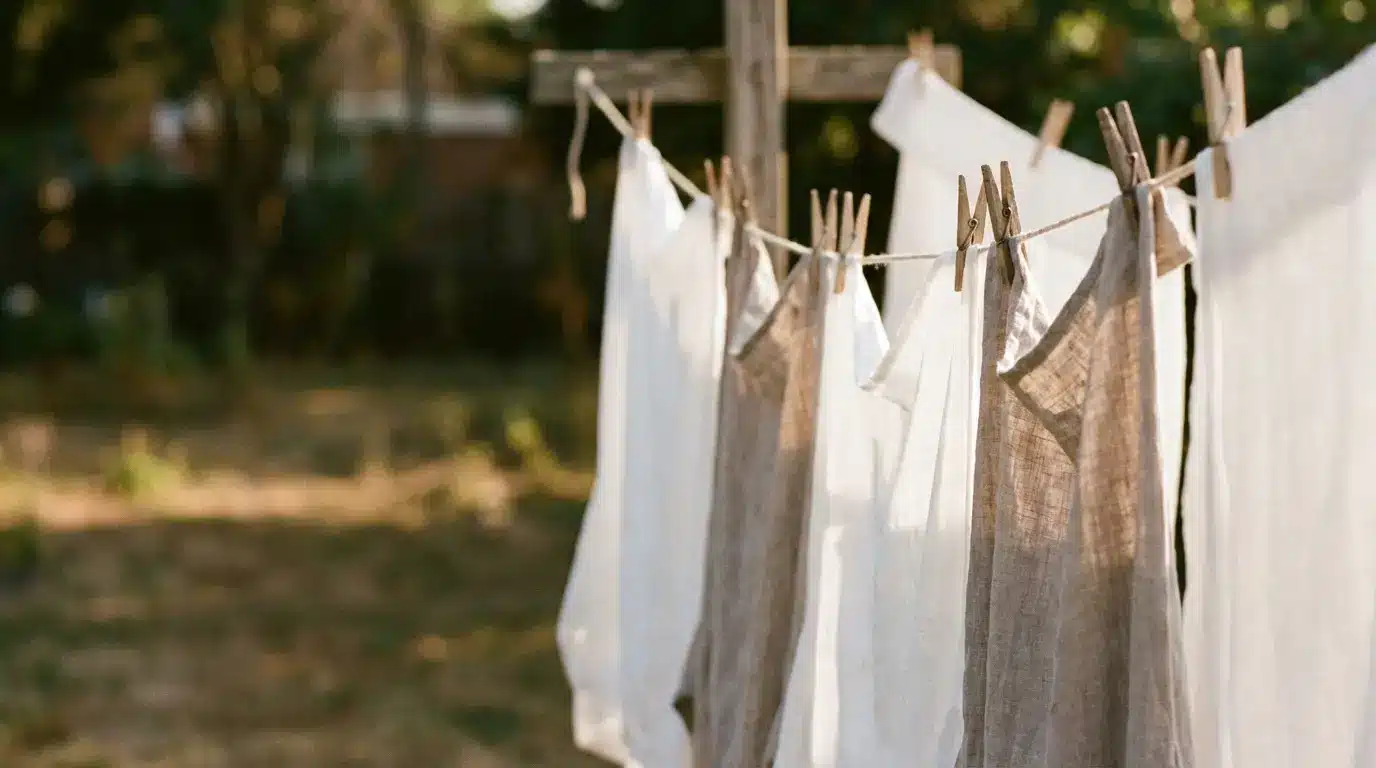
One of the less obvious benefits of eco-friendly laundry practices is how they change the way people use machines. Lower temperature washes, shorter cycles, and air drying when possible all contribute to reduced energy use. These adjustments are small in isolation, but they happen multiple times a week, which makes the impact more significant than it might seem at first glance.
Clothing also tends to last longer under gentler conditions. Hot water and aggressive cycles can wear down fibers, leading to fading and thinning over time. When fabrics hold up better, there is less need to replace them, which connects back to the broader goal of reducing consumption without making it feel restrictive.
Skin and Fabric Feel the Difference
Many conventional laundry products rely on synthetic fragrances and additives that linger on clothing. For some people, that is just part of the expected outcome, but it can also lead to irritation, especially for children or anyone with sensitive skin. Eco friendly options often skip those extras or use milder alternatives, which changes how clothes feel against the skin.
There is also a noticeable difference in how fabrics behave over time. Without heavy residues, towels stay more absorbent, and everyday clothing maintains its texture longer. It is one of those shifts that is hard to quantify until you experience it, but once you do, it is difficult to go back.
It Fits Into Real Life
The biggest reason it is not too late to make the switch is that it does not require perfection. Laundry happens constantly, which means there are endless opportunities to adjust and improve without pressure. If one change works, it sticks. If something does not, it can be replaced without much disruption.
That flexibility makes eco friendly laundry practices more approachable than other lifestyle changes that feel all or nothing. It is not about doing everything at once or getting it exactly right. It is about making better choices where it is easy to do so, and letting those choices build over time.
A Small Shift That Stays
Laundry is one of those everyday tasks that rarely gets a second look, yet it touches almost every part of daily life. Changing how it is done does not require a dramatic overhaul, just a willingness to try something different and see how it fits. Once it does, it tends to stay, quietly improving things in the background without demanding attention.