

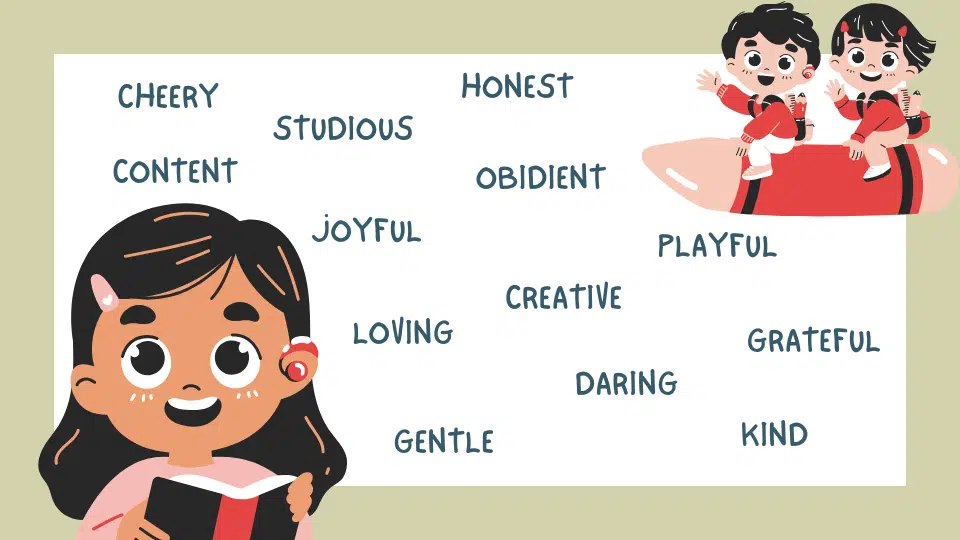
Choosing the right words to describe a child can support how adults communicate with teachers, family members, and caregivers.
Clear and positive language helps highlight strengths and encourages healthy growth.
This list brings together a wide range of qualities that fit different ages and personalities, making it easier to describe traits in school settings, family moments, or everyday routines.
The sections below cover character, behavior, emotions, learning, and social skills.
Each category offers simple words that reflect who the child is and how they interact with the world around them.
Positive Adjectives to Describe a Child
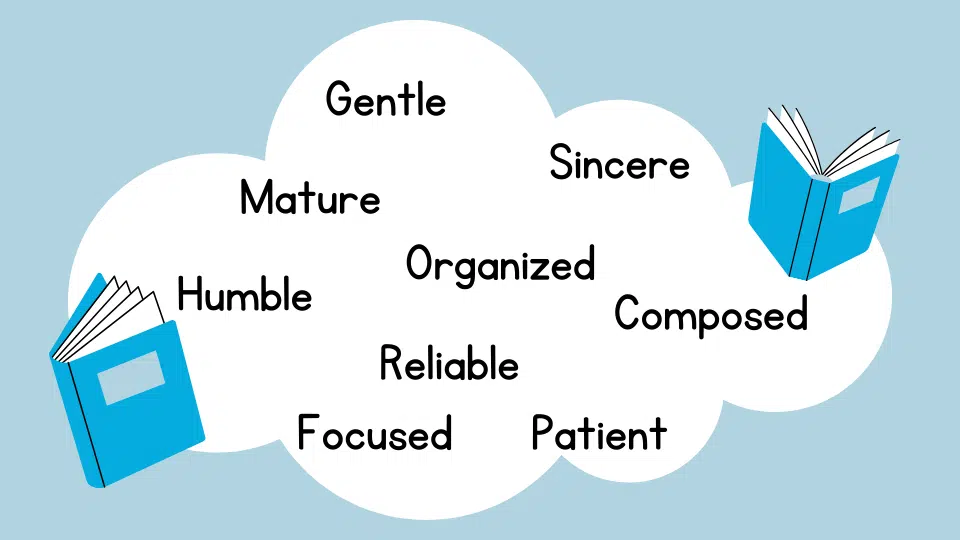
A child’s personality is shaped by small daily moments, such as how they treat others, how they react to challenges, and how they express themselves in familiar and new situations.
The words you choose to describe these qualities can help highlight the traits that make them unique.
Some children show calm and steady behavior, while others shine through their energy, creativity, or gentle nature.
Using clear and positive words allows you to capture these qualities in a way that feels encouraging and true to who they are.
Below is a wide collection of personality words you can use when talking about your child at home, in school settings, or during conversations with caregivers:
Kind
Caring
Honest
Brave
Warm
Friendly
Supportive
Calm
Patient
Respectful
Helpful
Cooperative
Focused
Polite
Cheerful
Hardworking
Reliable
Consistent
Gentle
Thoughtful
Independent
Fair
Dedicated
Sincere
Confident
Responsible
Trustworthy
Mature
Ambitious
Soft-spoken
Determined
Steady
Joyful
Easygoing
Playful
Hopeful
Balanced
Forgiving
Genuine
Flexible
Humble
Considerate
Persistent
Tidy
Organized
Purposeful
Self-aware
Self-controlled
Composed
Upbeat
Level-headed
Approachable
Words to Describe Your Child’s Emotions and Feelings
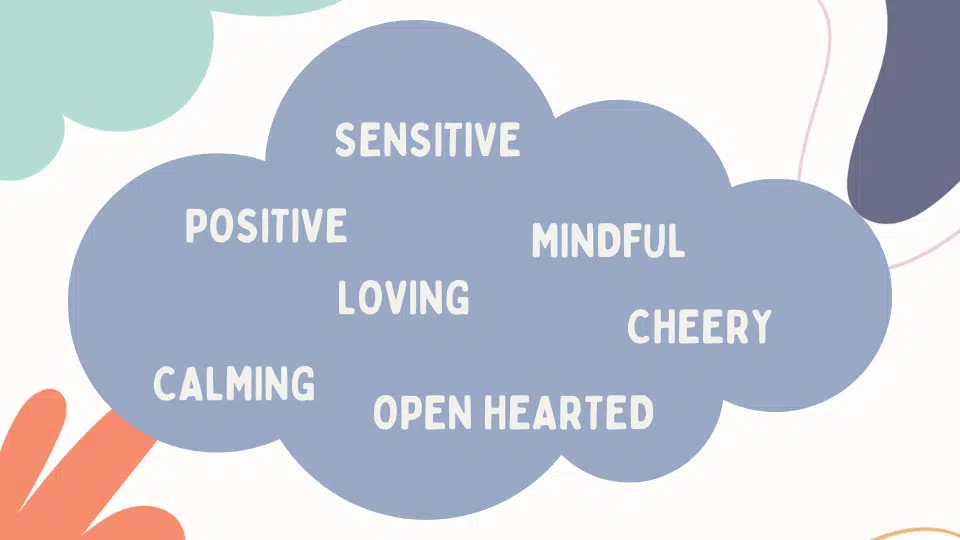
These describing words, with gentle thoughtfulness, help adults understand the child’s inner life.
It also gives the child language for feelings they may not know how to express yet.
The right words can capture these differences and support emotional awareness.
Here is a collection of words you can use to describe how your child feels, understand his responses, and connect emotionally:
Loving
Empathetic
Positive
Thoughtful
Balanced
Grateful
Gentle
Hopeful
Affectionate
Compassionate
Sensitive
Comforting
Emotionally-aware
Kind-hearted
Calming
Encouraging
Light-hearted
Appreciative
Understanding
Mindful
Uplifting
Reassuring
Accepting
Stable
Peaceful
Content
Cheery
Optimistic
Patient-hearted
Soothing
Self-soothing
Warm-spirited
Grounded
Heart-centered
Open-feeling
Emotionally patient
Soft-natured
Words to Describe Your Child’s Learning and Growth
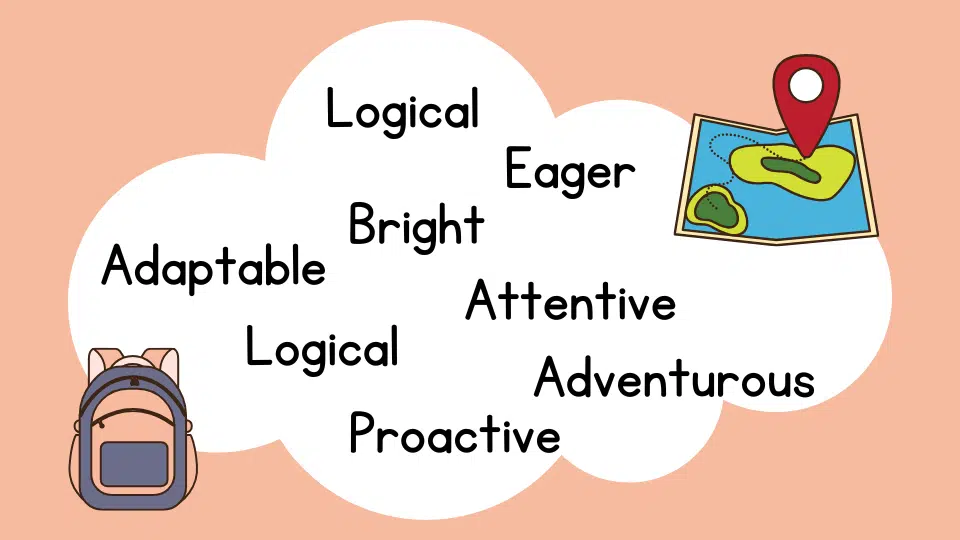
Some children learn through observation, others through hands-on experiences, and many through a mix of curiosity and patience.
Using the right words to describe their learning habits can help teachers, caregivers, and family members better support their development.
Here is a collection of words that show the child that learning is a steady process shaped by effort, interest, and confidence.
Curious
Observant
Smart
Creative
Motivated
Organized
Quick-learning
Logical
Innovative
Insightful
Bright
Analytical
Attentive
Detail-oriented
Eager
Composed
Critical-thinking
Imaginative
Adaptable
Knowledge-seeking
Resourceful
Studious
Engaged
Reflective
Independent-thinker
Focused learner
Open to feedback
Disciplined
Conscientious
Growth-minded
Goal-oriented
Proactive
Methodical
Clear-thinking
Sharp-minded
Steady learner
Idea-oriented
Skill-building
Forward-thinking
Words to Describe Your Child’s Social Skills
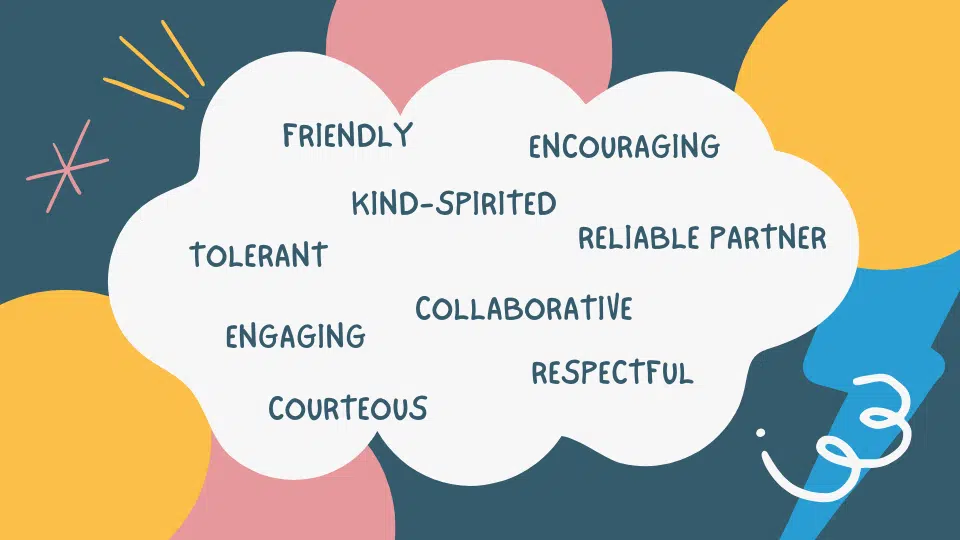
These moments can be small, such as comforting a classmate, waiting for their turn, joining group activities, or asking thoughtful questions.
These words help children feel recognized for their kindness, cooperation, and communication.
Below is a list of words that reflect how your child interacts with friends, peers, and adults in different settings:
Social
Communicative
Inclusive
Approachable
Respectful
Open-minded
Cooperative
Friendly
Welcoming
Good listener
Supportive peer
Team-player
Kind-spirited
Polite communicator
Helpful classmate
Patient with others
Encouraging
Clear speaker
Considerate
Tolerant
Easy to talk to
Warm-hearted
Courteous
Engaging
Thoughtful friend
Gentle communicator
Collaborative
Fair-minded
Adaptable in groups
Positive influence
Understanding of differences
Reliable partner
Group-friendly
Peer-supportive
Fair in conversations
How to Choose the Right Words for Your Child?
Choosing the right words begins with truly seeing your child as they are.
Every child shows certain traits through small gestures, habits, and reactions, and the words you choose should reflect those real moments.
Instead of picking terms that sound impressive, focus on qualities that genuinely fit your child’s nature.
This helps them feel understood and supported.
Think about the situations where you see their strengths shine, moments at school, playtime with friends, or quiet routines at home.
The right words should match those settings so the description feels accurate and meaningful.
Most importantly, keep your language simple and supportive.
The goal is not to label your child, but to describe them in a way that encourages growth, confidence, and self-awareness.
When words feel faithful and gentle, children are more likely to connect with them and carry those traits forward.
How to Use These Words in Daily Life?
Using positive words becomes more meaningful when they connect to real moments in your child’s day.
Children learn a lot from the language they hear, and when adults speak to them with clarity and warmth, it helps them recognize their own strengths.
The key is to notice the small things they do to solve a problem calmly, help a friend, stay focused on a task, or show patience during a challenge.
You can use descriptive words during conversations, bedtime routines, or moments when your child needs reassurance.
Linking words to specific actions helps them understand why you’re describing them that way.
Instead of general praise, thoughtful language gives them a clear picture of their growth.
Here are a few simple examples you can use in your daily conversations:
“You were very kind when you helped your friend today.”
“I like how curious you were while figuring out how that toy works.”
“You stayed patient while finishing your puzzle, and that made a big difference.”
“Your creative ideas made the project really enjoyable.”
“You showed real courage when you tried something new.”
This kind of language helps children feel seen, valued, and confident in who they are becoming.
Conclusion
The words used to describe a child can influence how they see themselves and how others recognize their strengths.
Choosing language that is clear, gentle, and connected to real moments helps children feel truly seen.
It also supports confidence and steady communication, creating a calm and positive atmosphere at home, in school, and in the community.
Every child grows in their own way. Some show their qualities quietly, while others express them with energy and openness.
Taking time to notice these traits can strengthen understanding and deepen connection.
If there is a word that fits your child perfectly, share it below. Your insight may help another parent find the right way to describe their child.