
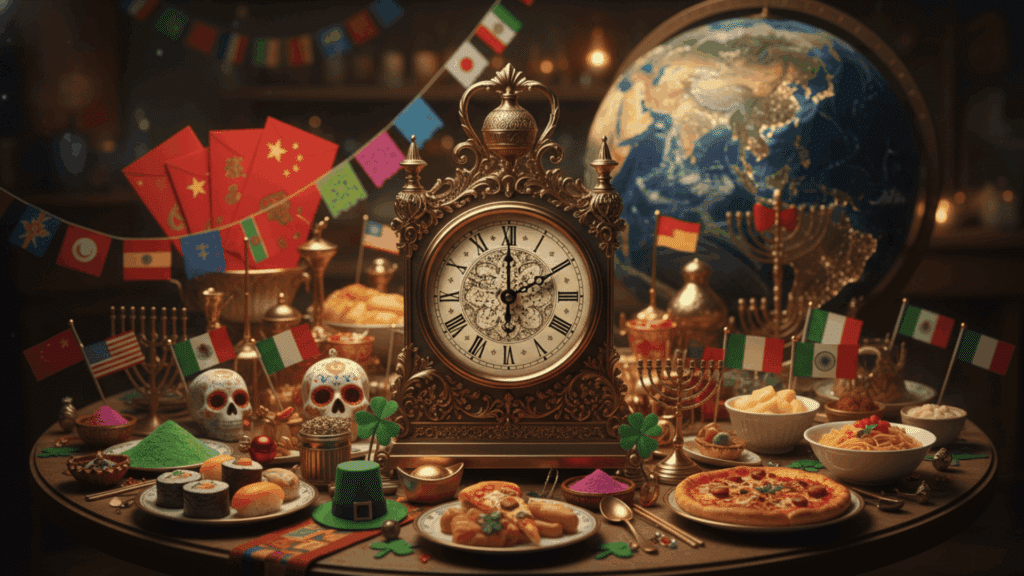
Ever wonder why Spaniards frantically stuff grapes in their mouths at midnight while Filipinos wear polka dots and make as much noise as possible?
New Year’s Eve looks completely different depending on where you stand on the globe. Some people jump ocean waves, others burn papers, and a few even throw water out their windows.
These aren’t random acts. They’re meaningful traditions rooted in culture, history, and the universal hope for a better year ahead.
In this post, you’ll explore how different continents celebrate December 31st.
From Mexico’s colored underwear to Japan’s temple bells, we’ll cover the unique customs that make each country’s celebration special. You’ll see what connects us all despite our differences.
What Are New Year’s Eve Traditions?
New Year’s Eve traditions are special customs people follow to celebrate the end of one year and welcome the next.
These practices started centuries ago when ancient communities marked seasonal changes and harvests with rituals and ceremonies. Over time, each culture added its own beliefs, foods, and celebration styles based on local history and values.
That’s why you’ll find Spaniards eating twelve grapes at midnight while Japanese families visit temples and ring bells. Today, these traditions connect families, honor the past, and bring hope for what’s coming.
New Year’s Eve Traditions in North America
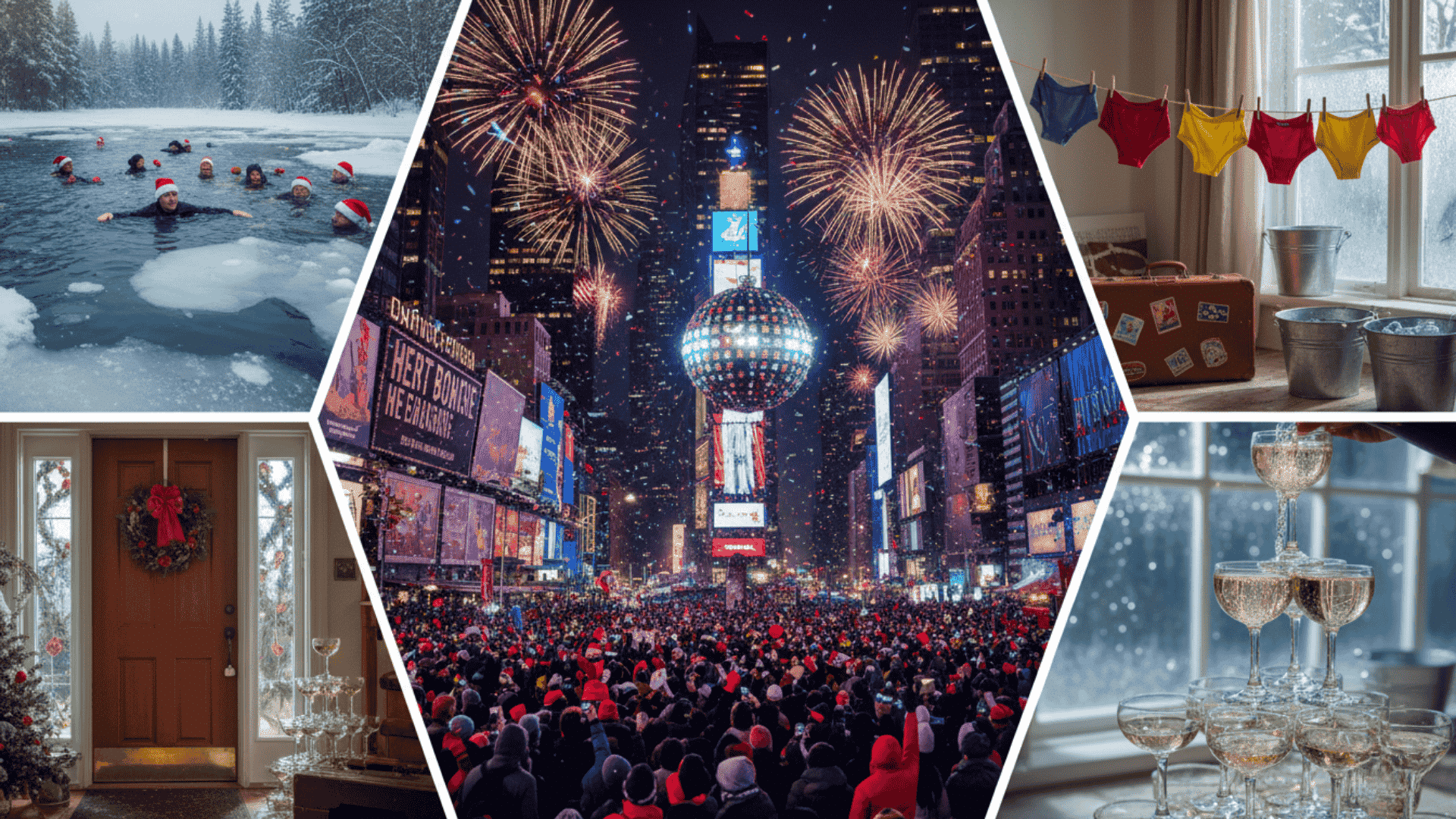
North America celebrates New Year’s Eve with a mix of festive gatherings, symbolic rituals, and community events. From city squares to family homes, people across the continent mark this special night with customs passed down through generations.
United States
- Watching the Times Square ball drop: Millions gather in New York City or watch on TV as a glowing ball descends. This tradition began in 1907 and has become a symbol of the American New Year.
- Midnight countdown parties: Friends and family host gatherings with music, dancing, and food leading up to midnight. The final ten seconds are shouted together as everyone prepares to ring in the new year.
- Making New Year’s resolutions: Americans set personal goals for self-improvement on January 1st. Common resolutions include getting healthier, saving money, or learning new skills.
- Fireworks displays: Cities across the country light up the sky with colorful explosions at midnight. These shows bring communities together and create a sense of shared celebration.
- Midnight toasts: People raise glasses of champagne or sparkling cider when the clock strikes twelve. This tradition symbolizes good wishes and prosperity for the coming year.
Canada
- City fireworks: Major cities like Toronto and Vancouver host large public displays that draw thousands of spectators. Families bundle up in winter clothing to watch the colorful shows together.
- Polar bear swims: Brave Canadians plunge into icy ocean waters on New Year’s Day. Vancouver’s annual swim attracts thousands who believe the cold water brings good luck and health.
- Family dinners: Canadian families gather for special meals featuring traditional dishes and desserts. These dinners create warm memories during the cold winter season.
- Countdown parties at home: Many Canadians prefer intimate celebrations with close friends and relatives. Board games, movies, and conversation fill the hours before midnight.
- Midnight celebrations: As the clock strikes twelve, Canadians kiss loved ones and exchange hugs. This moment marks a fresh start and renewed hope for the future.
Mexico
- Eating twelve grapes at midnight: Mexicans eat one grape with each bell chime at midnight for twelve months of good luck. Each grape represents the hopes and wishes for the corresponding month ahead.
- Wearing colored underwear for luck: Red underwear attracts love, while yellow brings money and success. This playful tradition adds fun and anticipation to New Year’s preparations.
- Carrying empty suitcases for travel: People walk around their block with empty luggage to attract travel opportunities. This ritual expresses the desire for new experiences and faraway places.
- Sweeping the home before midnight: Families clean their houses to sweep away bad luck from the old year. The sweeping motion goes from inside toward the door to push out negativity.
- Writing New Year wishes: Mexicans write down their hopes and dreams on paper before burning them at midnight. The rising smoke is believed to carry wishes up to the universe.
Cuba
- Throwing water out of windows: Cubans toss buckets of water into the street at midnight to wash away the old year. This cleansing ritual symbolizes a fresh start and new beginnings.
- Family gatherings: Extended families come together for large meals featuring roasted pork and traditional Cuban dishes. Multiple generations celebrate under one roof with music and laughter.
- Fireworks: Neighborhoods explode with color and sound as midnight approaches. The loud noises are meant to scare away evil spirits from the past year.
- Eating traditional meals: Special foods like black eyed peas and pork bring good fortune for the coming year. These dishes have been part of Cuban celebrations for generations.
- Midnight toasts: Families raise glasses of rum or wine to honor ancestors and bless the new year. Toast words often include prayers for health, happiness, and prosperity.
New Year’s Eve Traditions in South America
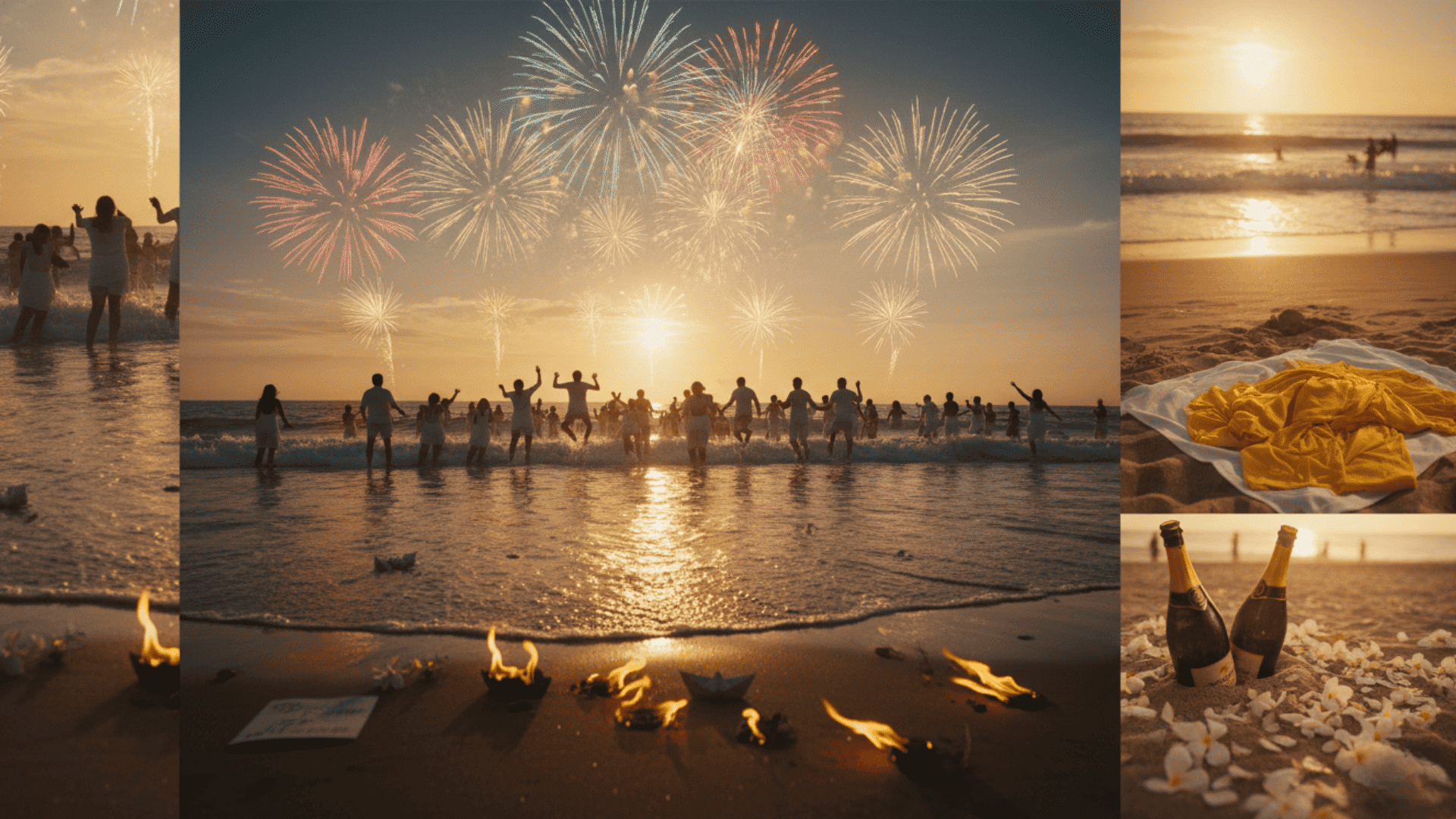
South American countries blend indigenous customs with European influences to create unique New Year’s celebrations. Coastal nations often incorporate ocean rituals while inland communities focus on family traditions and symbolic foods.
Brazil
- Wearing white clothing: Brazilians dress in white to honor Yemanja, the goddess of the sea. This tradition represents peace, purity, and protection for the year ahead.
- Jumping seven ocean waves: Beachgoers leap over seven waves while making a wish with each jump. This ritual connects people to the ocean’s power and natural energy.
- Offering flowers to the sea: White flowers and gifts are tossed into the water as offerings to sea deities. These gifts thank the ocean for its blessings and ask for continued good fortune.
- Fireworks on beaches: Copacabana and other famous beaches host massive fireworks displays, drawing millions of people. The combination of ocean, sand, and colorful explosions creates an unforgettable scene.
- Midnight toasts: Brazilians drink champagne while standing in the ocean water. This toast blends modern European customs with traditional water blessings.
Argentina
- Burning old papers: Argentinians burn documents, receipts, and old papers to symbolize letting go of the past. This cleansing fire represents releasing negative memories and making room for positive experiences.
- Family dinners: Large meals featuring grilled meats and empanadas bring families together. The dinner often lasts for hours with multiple courses and endless conversation.
- Fireworks at midnight: Cities and neighborhoods light up with private and public displays. The noise and light are believed to chase away evil spirits.
- Champagne celebrations: Toasting with bubbly wine is a must at the stroke of midnight. Friends clink glasses and share embraces as the new year begins.
- Street parties: Young people gather in city centers for outdoor concerts and dancing. These parties continue well past midnight into the early morning hours.
Chile
- Fireworks displays: Valparaiso hosts one of the world’s longest fireworks shows, lasting over thirty minutes. Spectators watch from hilltops overlooking the Pacific Ocean.
- Eating lentils for prosperity: Chileans consume lentils at midnight, believing they attract wealth and abundance. Some people even put lentils in their pockets or shoes.
- Wearing yellow clothing: Yellow underwear or accessories are worn to attract good fortune and happiness. This colorful tradition adds a playful element to formal celebrations.
- Family gatherings: Multiple generations share meals and memories. These gatherings strengthen family bonds and honor Chilean traditions.
- Midnight embraces: At twelve o’clock, everyone exchanges hugs and kisses with loved ones. These embraces express gratitude and hope for the coming year.
Peru
- Wearing yellow for good luck: Peruvians believe yellow clothing brings prosperity and positive energy. Markets sell yellow underwear specifically for New Year’s Eve celebrations.
- Making wish dolls: Families create dolls representing the old year and burn them at midnight. This ritual destroys bad luck and makes space for good fortune.
- Fireworks celebrations: Communities pool money to buy impressive fireworks displays. The colorful explosions light up the Andean sky with spectacular patterns.
- Family meals: Traditional Peruvian dishes like tamales and roasted chicken fill dinner tables. These special foods only appear during important celebrations and holidays.
- Midnight countdowns: Crowds gather in central squares to count down the final seconds together. The shared experience creates a sense of unity and community spirit.
New Year’s Eve Traditions in Europe
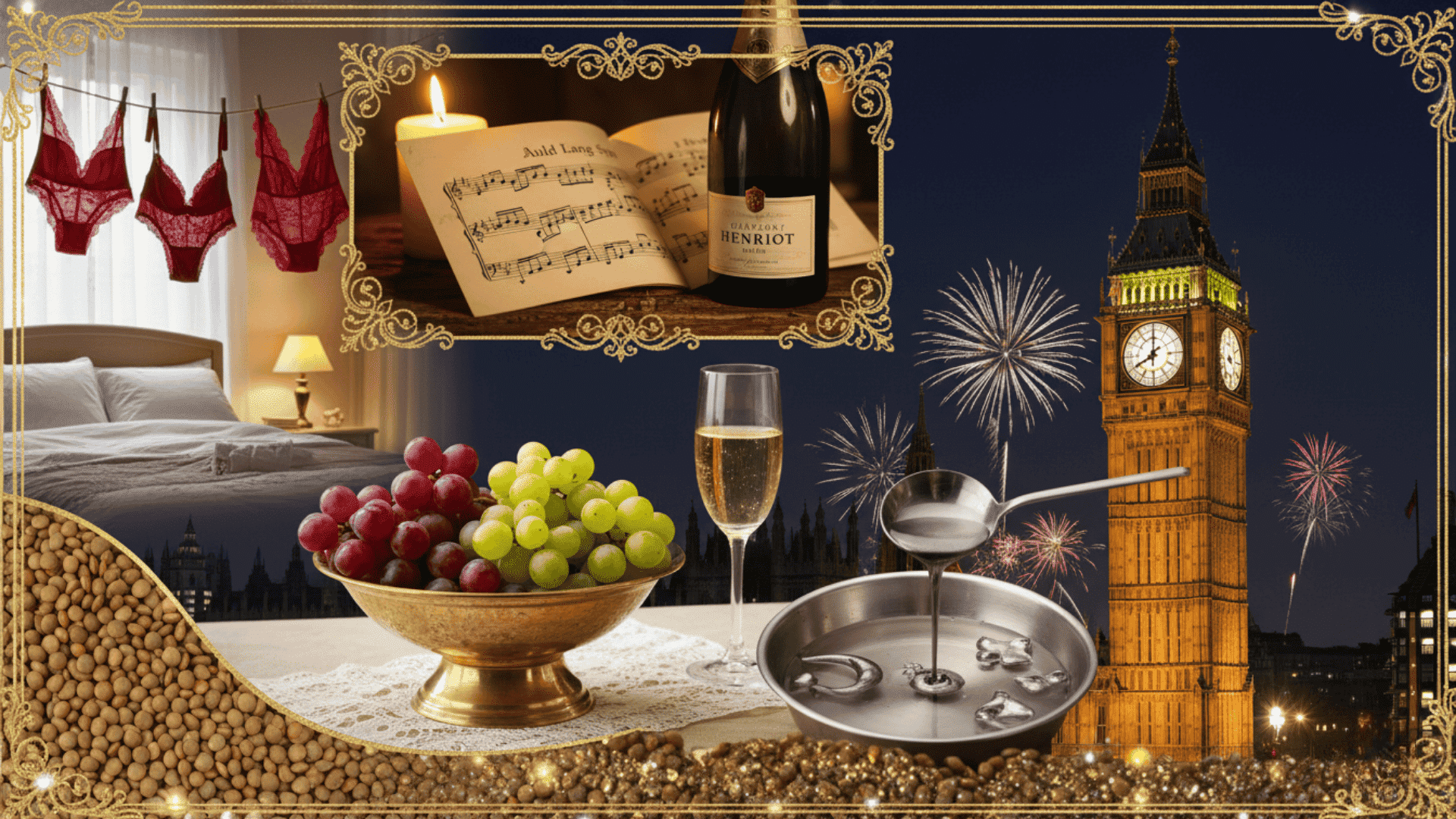
European New Year’s celebrations combine centuries-old traditions with modern festivities. Each country maintains unique customs while sharing common themes of renewal, prosperity, and community.
United Kingdom
- First footing tradition: The first person to enter a home after midnight should be dark-haired and bring gifts like coal or whiskey. This Scottish custom ensures good luck for the household throughout the year.
- Singing Auld Lang Syne: People join hands and sing this traditional Scottish song at midnight. The lyrics celebrate old friendships and cherished memories from years past.
- Midnight toasts: Glasses of whiskey, wine, or champagne are raised as Big Ben chimes twelve times. Each chime represents one month of good fortune ahead.
- Fireworks shows: London’s display along the Thames attracts hundreds of thousands of spectators. Other cities host their own shows synchronized to local landmarks.
- House cleaning before the new year: British families tidy their homes to start fresh. Cleaning symbolizes sweeping away old problems and preparing for new opportunities.
Spain
- Eating twelve grapes: Spaniards eat one grape with each bell toll at midnight in Puerta del Sol square. Successfully eating all twelve grapes guarantees good luck for each month ahead.
- Gathering in city squares: Thousands pack into Madrid’s main square to participate in the grape-eating ritual together. The collective energy creates an electric atmosphere.
- Wearing red clothing: Red underwear worn on New Year’s Eve attracts love and romance. Stores sell special red undergarments in the weeks leading up to the celebration.
- Fireworks displays: After the grape eating, cities explode with colorful fireworks. Families then continue celebrations at home or in restaurants.
- Midnight wishes: As people eat their grapes, they make a wish for each one. These twelve wishes cover all aspects of life, from health to career success.
Germany
- Pouring molten metal to predict the future: Small lead or tin pieces are melted and poured into cold water. The resulting shapes are interpreted to predict what the new year will bring.
- Fireworks and noise-making: Germans set off massive amounts of private fireworks, creating incredibly loud celebrations. The noise is meant to scare away evil spirits.
- Watching New Year’s programs: Popular TV shows featuring comedy sketches and musical performances are family traditions. “Dinner for One” has been broadcast every New Year’s Eve since 1963.
- Good luck charms: Small marzipan pigs, chimney sweeps, and four-leaf clovers are given as gifts. These symbols are believed to bring wealth and good fortune.
- Midnight toasts: Friends and family raise glasses of champagne or “Sekt” sparkling wine. The German word “Prosit” means “may it be good” for the coming year.
Italy
- Wearing red underwear: Italians wear red undergarments on New Year’s Eve to attract love and fertility. This tradition is taken seriously, and stores sell red underwear specifically for this night.
- Eating lentils for wealth: Lentil dishes are served just after midnight because their coin-like shape symbolizes money. The more lentils eaten, the more prosperity expected.
- Large family dinners: Extended families gather for elaborate multi-course meals called “Cenone.” These dinners include seafood, pasta, and traditional Italian desserts.
- Fireworks celebrations: Cities compete to have the most impressive displays. Rome and Naples are particularly famous for their spectacular shows.
- Midnight kisses: Couples kiss at midnight to ensure their relationship remains strong. Single people hope a midnight kiss will bring romance in the new year.
France
- New Year’s Eve feasts: French families prepare “Réveillon” dinners featuring oysters, foie gras, and champagne. These luxurious meals can last for several hours.
- Midnight champagne toasts: France produces the world’s finest champagne, so toasting is a national tradition. Glasses are raised with wishes of “Bonne Année” or Happy New Year.
- Fireworks: The Eiffel Tower and Champs Élysées host impressive displays. Parisians and tourists gather to witness these spectacular shows.
- Partying with friends: Young people attend nightclub events and house parties throughout the night. French celebrations often continue until sunrise.
- Sending New Year greetings: Cards and messages are exchanged throughout January. These greetings maintain relationships and spread good wishes.
New Year’s Eve Traditions in Asia
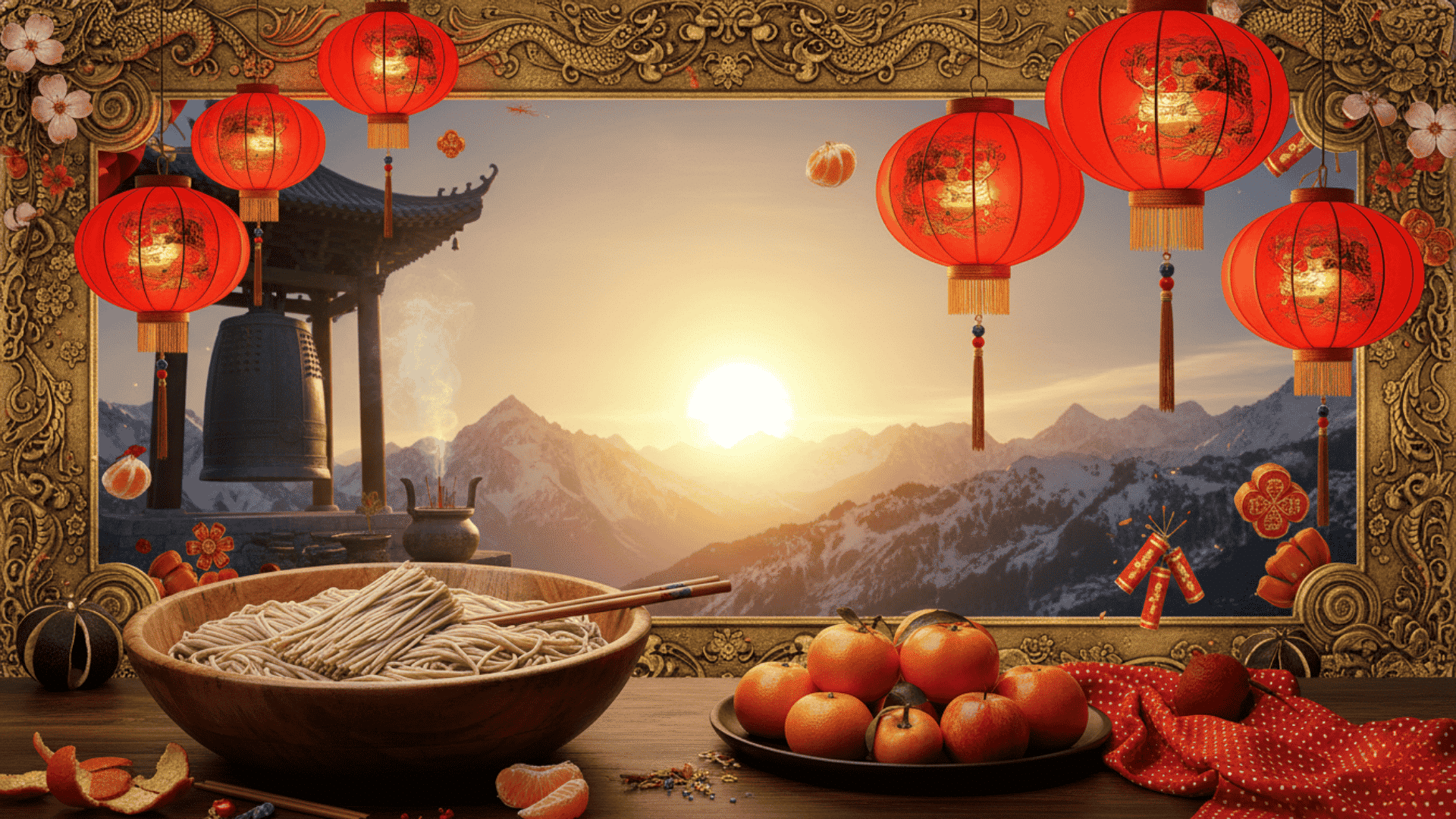
Asian New Year’s Eve celebrations often blend ancient spiritual practices with modern festivities. Many countries focus on family, religious observance, and symbolic rituals meant to bring good fortune.
Japan
- Temple bells rung 108 times: Buddhist temples ring their bells 108 times to cleanse the 108 earthly desires. This “Joya no Kane” ceremony happens just before and after midnight.
- Cleaning homes before the new year: Japanese families perform “Osoji” or big cleaning to purify their spaces. Every corner is scrubbed to welcome the new year with a fresh start.
- Eating traditional noodles: “Toshikoshi soba” or year crossing noodles are eaten for longevity. The long noodles symbolize a long, healthy life ahead.
- Visiting shrines: Millions of people visit Shinto shrines for “Hatsumode” orthe first prayer. They pray for health, success, and happiness in the coming year.
- Quiet family gatherings: Unlike Western celebrations, Japanese New Year’s is typically calm and reflective. Families spend time together watching special TV programs and eating traditional foods.
China
- Family reunions: Chinese families travel great distances to gather for New Year’s Eve dinner. This reunion meal is the most important gathering of the entire year.
- Fireworks and firecrackers: Loud explosions scare away evil spirits and bad luck. China consumes more fireworks during the New Year than any other country.
- Red decorations: Homes are decorated with red lanterns, banners, and paper cutouts. Red symbolizes good fortune, joy, and prosperity in Chinese culture.
- Symbolic foods: Dumplings, fish, and spring rolls each carry special meanings. Fish represent abundance, while dumplings symbolize wealth.
- Staying awake until midnight: Families stay up late to “Shou Sui” or guard the year. This practice is believed to extend parents’ lifespans.
South Korea
- Watching the first sunrise: Koreans climb mountains or visit beaches to see the year’s first sunrise. This tradition, called “Haedoji,” brings good luck and grants wishes.
- Temple visits: Buddhist temples hold special ceremonies and ring bells 33 times. Visitors pray for peace, health, and prosperity.
- Family meals: Traditional dishes like “Tteokguk” rice cake soup are served. Eating this soup symbolizes gaining one year of age and wisdom.
- Traditional games: Families play “Yutnori” board games and “Jegichagi” shuttlecock kicking. These games create fun memories and friendly competition.
- Making New Year wishes: People write wishes on colorful papers and hang them at temples. These prayers ask for blessings in specific areas of life.
Thailand
- Water splashing rituals: In some regions, people splash water to wash away bad luck. This practice cleanses the spirit and prepares for new beginnings.
- Religious ceremonies: Thai Buddhists visit temples to make merit and pray. Monks chant blessings for the community and individual families.
- Family gatherings: Extended families share meals and exchange gifts. Younger members show respect to elders through traditional greetings.
- Fireworks displays: Cities host public shows while families set off their own fireworks. The bright lights and loud sounds celebrate the transition to a new year.
- Public celebrations: Bangkok and other cities hold concerts and countdown events. These modern celebrations attract young people and tourists.
Philippines
- Wearing polka dots: Filipinos believe circular patterns attract wealth and prosperity. Stores sell polka-dotted clothing specifically for New Year’s Eve.
- Displaying round fruits: Tables are filled with twelve types of round fruits. Each round shape represents coins and money coming in the new year.
- Making loud noises: At midnight, people bang pots, honk horns, and set off firecrackers. The noise drives away evil spirits and announces the new year.
- Family feasts: “Media Noche” or midnight meal features Filipino favorites like pancit noodles and lechon. The entire family eats together as the clock strikes twelve.
- Midnight fireworks: Neighborhoods compete to create the loudest and brightest displays. The sky lights up across the entire country simultaneously.
New Year’s Eve Traditions in Africa

African New Year’s celebrations reflect the continent’s diverse cultures, mixing traditional practices with modern influences. Many countries emphasize community, spirituality, and music in their year-end festivities.
South Africa
- Street celebrations: Cities like Cape Town and Johannesburg host massive street parties. Thousands of people gather to dance, sing, and celebrate together.
- Fireworks displays: Major cities synchronize their displays at midnight. The V&A Waterfront in Cape Town offers spectacular views of these colorful shows.
- Music festivals: Outdoor concerts feature local artists and international performers. These events continue throughout the night with various music genres.
- Community gatherings: Neighborhoods organize block parties where everyone contributes food and drinks. These gatherings strengthen community bonds and create inclusive celebrations.
- Midnight countdowns: Large crowds gather at public venues to count down the final seconds. The shared experience creates a powerful sense of unity.
Egypt
- Fireworks along the Nile: Cairo hosts impressive displays along the famous river. Spectators watch from bridges, boats, and riverside hotels.
- River cruises: Luxury dinner cruises offer special New Year’s packages. Guests enjoy traditional Egyptian food while floating past historic landmarks.
- Family dinners: Egyptian families prepare large feasts with multiple meat dishes. These meals bring together several generations under one roof.
- Music and dancing: Traditional and modern music fill homes and public spaces. People dance to celebrate the transition into the new year.
- Midnight celebrations: Hotels and restaurants host themed parties with live entertainment. These events attract both locals and international tourists.
Ghana
- Church services: Many Ghanaians attend special “Watch Night” services that end at midnight. These religious gatherings include prayers, singing, and testimonials.
- Prayer gatherings: Communities come together to pray for blessings in the new year. These spiritual events emphasize gratitude and hope.
- Music and drumming: Traditional African drums and modern instruments create festive sounds. Music is central to Ghanaian celebrations and cultural expression.
- Community feasts: Villages organize shared meals where everyone contributes dishes. This communal eating reinforces social ties and shared identity.
- Midnight reflections: Ghanaians take time to reflect on the past year’s challenges and successes. This thoughtful practice helps people enter the new year with intention.
Nigeria
- Church crossover services: Millions attend overnight services that “cross over” into the new year. These powerful gatherings feature preaching, worship, and midnight prayers.
- Fireworks and concerts: Lagos and Abuja host large-scale entertainment events. Popular musicians perform for enthusiastic crowds.
- Family gatherings: Nigerian families prepare traditional dishes like jollof rice and grilled meat. Extended families share meals and exchange blessings.
- Prayers for the new year: Religious observance plays a significant role in Nigerian celebrations. People pray for prosperity, health, and divine protection.
- Community celebrations: Neighborhoods organize street parties with food vendors and music. These inclusive events welcome everyone regardless of background.
New Year’s Eve Traditions in Australia and New Zealand
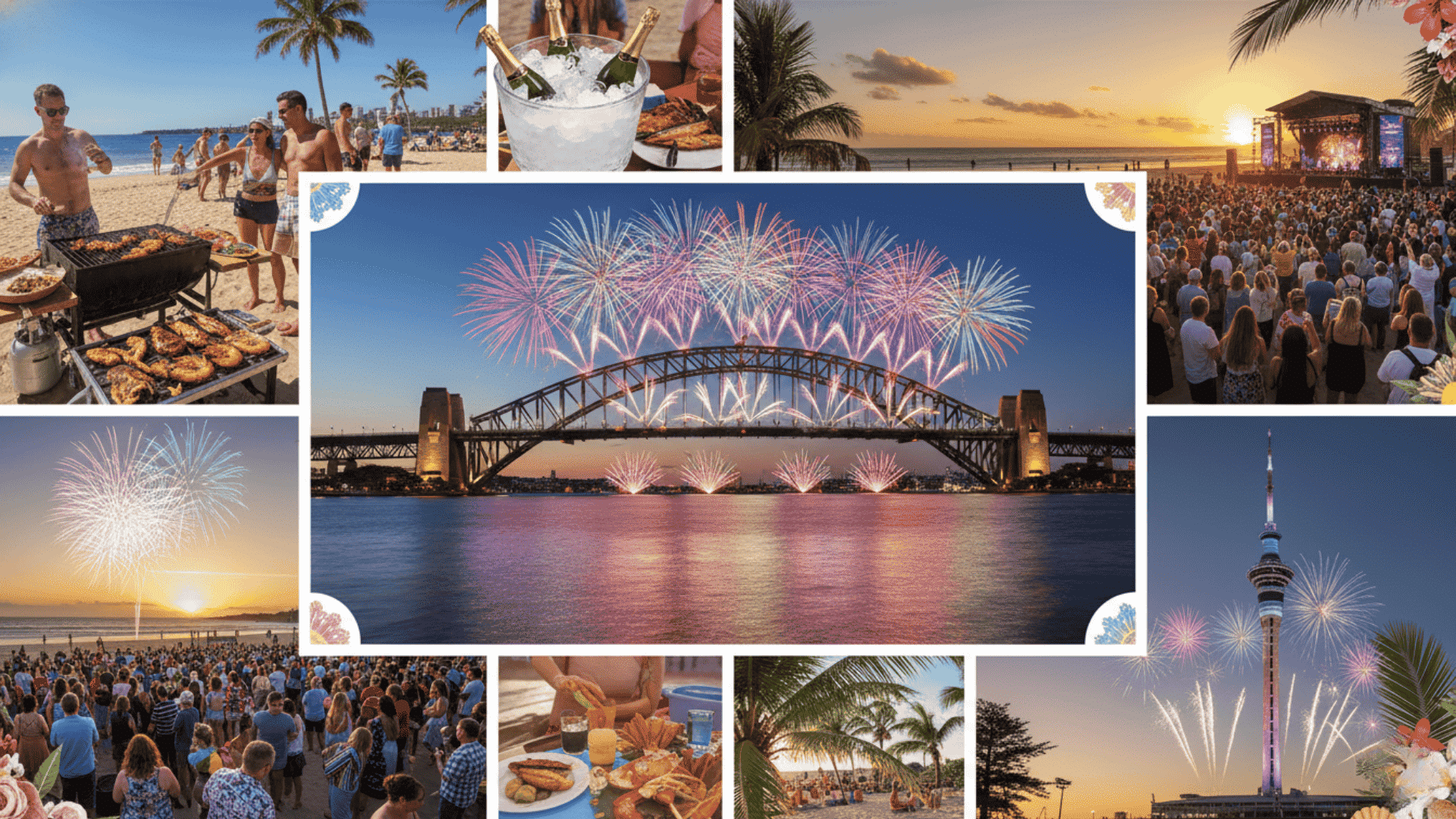
Australia and New Zealand celebrate the new year during summer, creating unique outdoor festivities. These nations are among the first to welcome each new year due to their time zone position.
Australia
- Sydney Harbour fireworks: One of the world’s most famous displays attracts over one million spectators, and the fireworks launch from the Harbour Bridge and surrounding barges.
- Beach celebrations: Australians gather at famous beaches like Bondi for outdoor parties. The warm weather allows for swimming and beach games throughout the night.
- Outdoor barbecues: “Barbies” are fired up for casual meals with friends and family. Grilled seafood, sausages, and vegetables are popular menu items.
- Music concerts: Cities host free outdoor concerts featuring Australian and international artists. These events create a relaxed, festive atmosphere.
- Midnight countdowns: Public spaces fill with people counting down the final seconds. The countdown is broadcast nationally for those celebrating at home.
New Zealand
- Early New Year celebrations: Being close to the international date line means Kiwis celebrate before most of the world. This early timing creates excitement and anticipation globally.
- Fireworks displays: Auckland’s Sky Tower serves as the centerpiece for impressive shows. Other cities host their own displays at midnight.
- Outdoor festivals: Music festivals and camping events attract young people. The summer weather makes overnight outdoor celebrations comfortable.
- Family gatherings: Many Kiwis host backyard barbecues with extended family. These casual gatherings reflect New Zealand’s relaxed culture.
- Midnight toasts: Champagne or local wine is raised as midnight arrives. The toast celebrates the new year and the beauty of summer.
New Year’s Eve Traditions in Antarctica
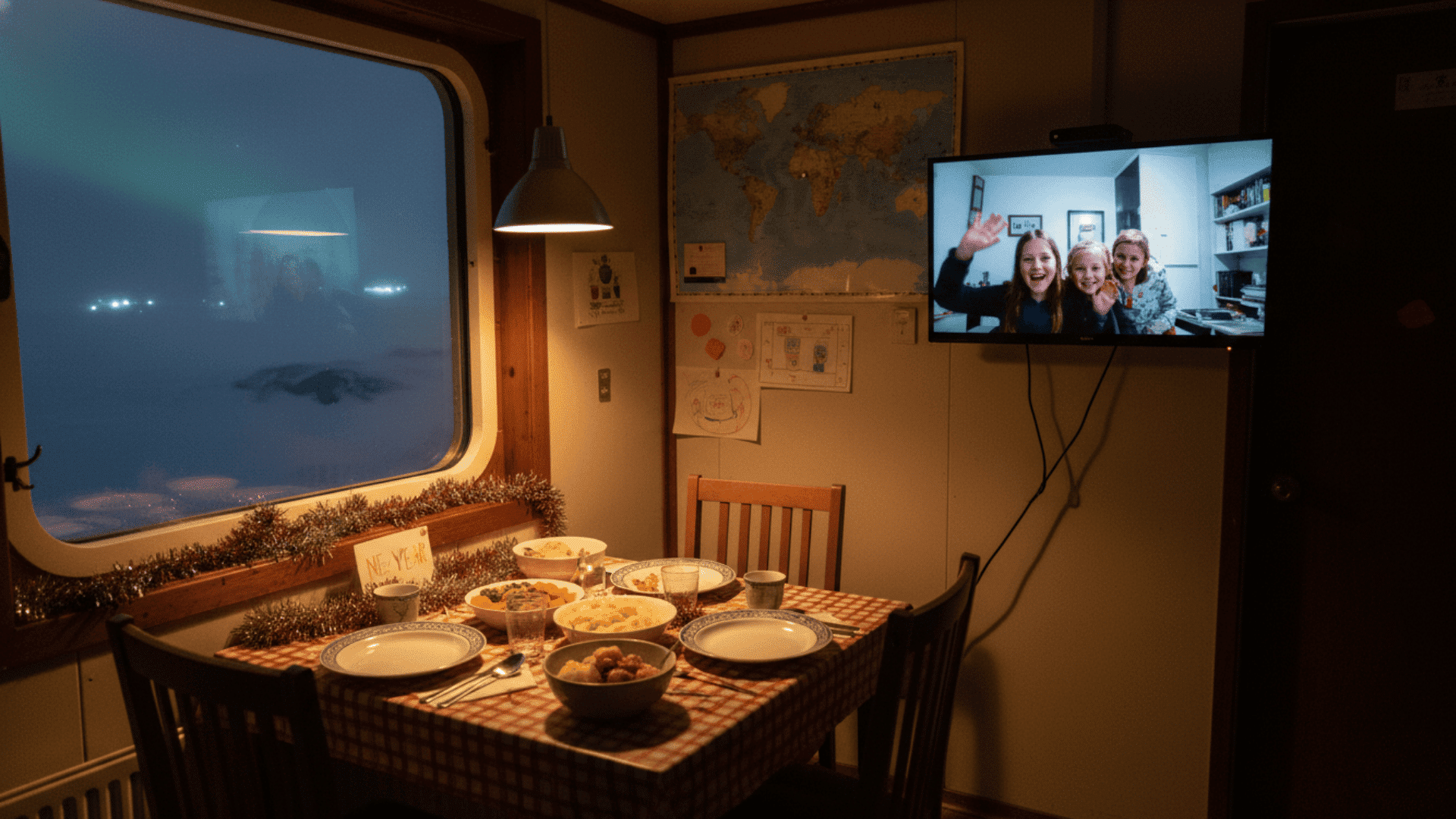
Even in the world’s most remote location, researchers and support staff find ways to celebrate. These small communities create meaningful traditions despite the harsh environment and isolation.
Research Stations
- Shared group meals: Station staff prepare special dinners together using limited supplies. These communal meals build camaraderie among people from different nations.
- Midnight countdowns: Small groups gather to watch clocks tick toward midnight. The celebration may follow the time zone of their home country or station location.
- Virtual celebrations with family: Video calls connect isolated workers with loved ones back home. These digital connections help reduce feelings of homesickness.
- Themed parties: Stations organize costume parties or themed events to boost morale. Creative decorations are made from available materials.
- Welcoming the new year together: Despite the cold darkness outside, station communities create warmth inside. These celebrations remind everyone that human connection transcends geography.
Conclusion
New Year’s Eve traditions may look different around the world, but they share the same heart.
From Tokyo’s temple bells to Rio’s beach celebrations, people everywhere seek luck, renewal, and connection. These customs remind us that hope is universal.
Food, fireworks, family, and faith unite cultures across every continent.
Now you know why your neighbor eats lentils at midnight or wears yellow underwear. These aren’t strange habits. They’re beautiful expressions of human optimism.
Which tradition will you try this year? Have you celebrated New Year’s Eve in another country? Share your experiences in the comments below. We’d love to hear how you welcome the new year.