
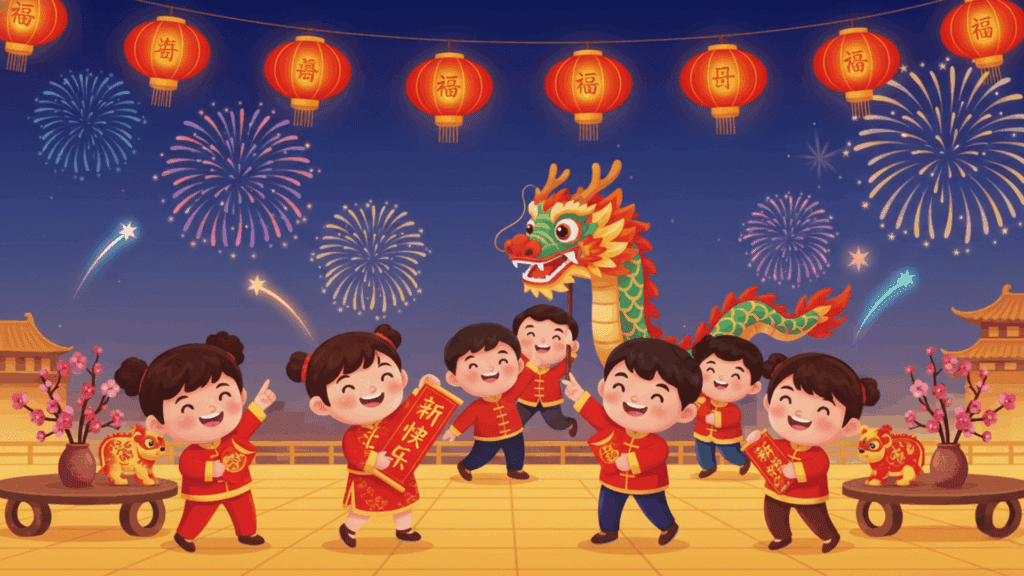
Red lanterns hang in the streets. Fireworks light up the night sky. Families gather around tables filled with dumplings and noodles. This is the Chinese New Year, one of the most colorful celebrations in the world.
But what makes this holiday so special? Why do people wear red? What do the zodiac animals mean? And how can kids join the fun?
In this guide, you’ll learn the history behind the Chinese New Year, including the legend of Nian. We’ll explore traditions like red envelopes and dragon dances.
You’ll meet all 12 zodiac animals and their meanings. Plus, we’ll share simple activities and fun facts that make learning about this holiday easy and enjoyable for children.
What Is the Chinese New Year?
Chinese New Year, also called Lunar New Year, celebrates the start of a new year using the Chinese calendar. The date shifts each year and typically happens between late January and mid-February.
For children, this holiday brings families together through colorful decorations, special meals, and fun celebrations that continue for several days.
History and Origin of the Chinese New Year
Chinese New Year has roots that go back over 3,000 years. It began as a celebration tied to farming and the arrival of spring. People hoped for good crops and a successful year ahead.
The Legend Behind the Holiday:
Kids love hearing the story of Nian, a fearsome monster that appeared once every year. Nian scared villagers and caused trouble. But people learned that Nian was afraid of three things:
- Loud noises
- Bright lights
- The color red
Families started using fireworks to create loud sounds. They hung red lanterns and decorations. They wore red clothes. These actions kept Nian away and brought safety to their homes.
These protective practices became traditions. Today, red decorations and fireworks are still part of Chinese New Year celebrations. What started as a way to scare away a monster turned into symbols of joy and good luck.
How to Celebrate the Chinese New Year?

Families celebrate the Chinese New Year in many joyful ways. The celebration usually lasts 15 days, starting on New Year’s Eve. Common ways people celebrate include:
Sharing a Big Family Dinner
Families gather on New Year’s Eve for a reunion meal with special dishes. Everyone sits together to enjoy food, talk, and welcome the new year as a group. This meal is often the most important gathering of the entire year.
Cleaning the Home Before the New Year
People clean their houses thoroughly to sweep away bad luck from the old year. This prepares the home for fresh beginnings and good fortune. Windows, floors, and every corner get attention before the holiday starts.
Decorating with Red and Gold Items
Homes are filled with red lanterns, banners, and gold decorations. These colors represent luck, happiness, and wealth for the coming year. Kids often help hang decorations and make the house look festive.
Wearing New Clothes
Families buy and wear new outfits, often in red or bright colors. New clothes symbolize a fresh start and leaving the past behind. Children especially look forward to getting brand new outfits for the holiday.
Watching Dragon and Lion Dances
Performers dress in colorful dragon and lion costumes and dance through the streets. The movements bring energy, joy, and good luck to the community. The dances are accompanied by drums and cymbals that create exciting rhythms.
Enjoying Fireworks and Parades
Bright fireworks light up the sky while parades fill the streets with music and performers. These loud, cheerful displays keep bad spirits away and add excitement to the celebration. Communities come together to watch and cheer during these public events.
Chinese Zodiac Signs and the Chinese Calendar
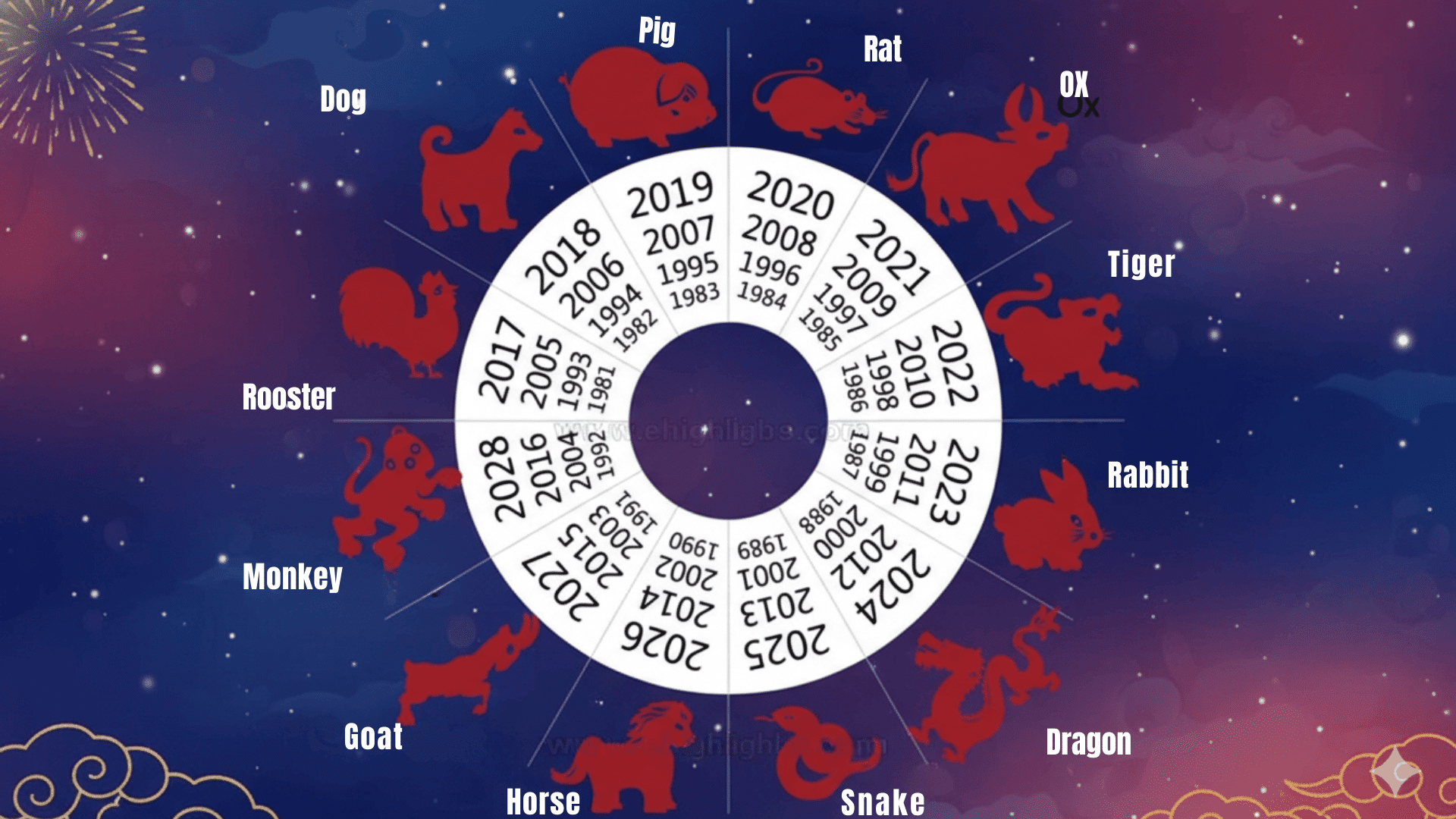
The Chinese calendar follows the moon’s cycles. Each year is connected to one zodiac sign, and the pattern repeats every 12 years. A child’s birth year determines their zodiac sign.
| Zodiac Sign | Meaning for Kids | Recent Zodiac Years |
|---|---|---|
| Rat | Smart, curious, quick thinker | 2008, 2020, 2032 |
| Ox | Strong, patient, hardworking | 2009, 2021, 2033 |
| Tiger | Brave, confident, energetic | 2010, 2022, 2034 |
| Rabbit | Kind, gentle, thoughtful | 2011, 2023, 2035 |
| Dragon | Lucky, powerful, energetic | 2012, 2024, 2036 |
| Snake | Wise, calm, observant | 2013, 2025, 2037 |
| Horse | Active, friendly, adventurous | 2014, 2026, 2038 |
| Goat | Creative, caring, peaceful | 2015, 2027, 2039 |
| Monkey | Playful, clever, curious | 2016, 2028, 2040 |
| Rooster | Honest, confident, organized | 2017, 2029, 2041 |
| Dog | Loyal, friendly, protective | 2018, 2030, 2042 |
| Pig | Kind, generous, cheerful | 2019, 2031, 2043 |
Chinese New Year starts in late January or February, so birthdays before the holiday may belong to the previous zodiac year.
Chinese New Year Traditions and Customs
Chinese New Year is filled with meaningful customs that teach children about family values and good fortune. These traditions have been passed down through generations and continue to bring joy to celebrations today.
- Red envelopes: Adults give these bright red packets to children filled with money. The envelopes represent good luck, blessings, and wishes for a prosperous year ahead.
- New Year wishes: Families exchange kind words and greetings when they meet during the holiday. They share hopes for health, happiness, success, and prosperity in the coming year.
- Respect for elders: Children bow or offer special greetings to older family members as a sign of honor. This custom teaches gratitude and strengthens bonds between different generations in the family.
- Lantern Festival: This colorful celebration happens on the 15th and final day of the Chinese New Year. Families light beautiful lanterns, solve riddles, and enjoy sweet rice balls to close the festivities.
Each custom brings positive meaning and connects families through happiness and good fortune.
7 Chinese New Year Activities for Kids
Getting children involved in hands-on activities helps them understand and enjoy Chinese New Year traditions. These creative projects bring the holiday to life and make learning fun at home or in the classroom.
1. Make Red Paper Lanterns
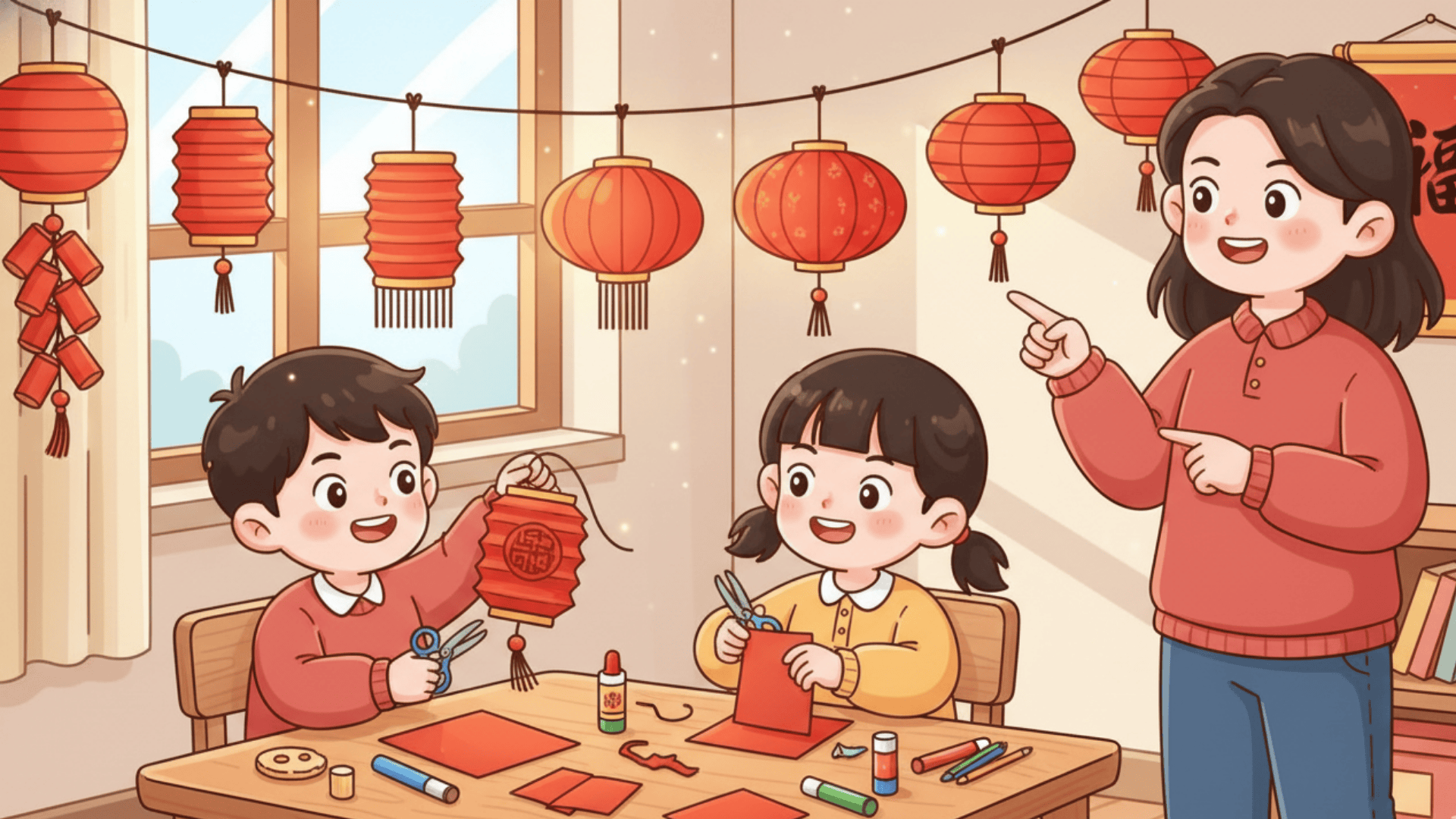
Kids can fold and cut red paper into lantern shapes. Add a string or a handle at the top. Hang these lanterns around the room for a festive look.
2. Color Chinese Zodiac Animals
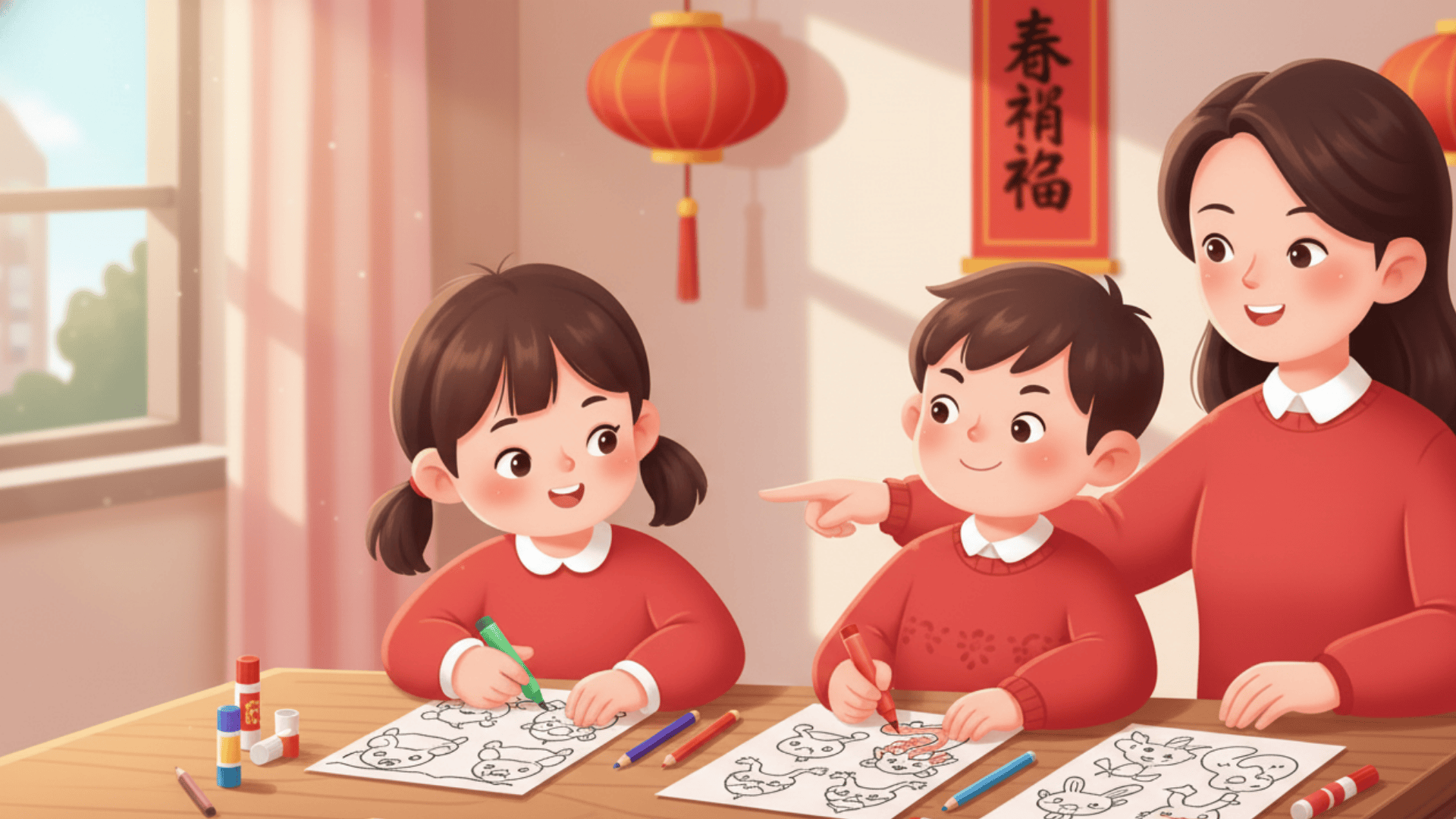
Print coloring pages featuring the 12 zodiac animals. Children can use crayons or markers to bring each animal to life. This helps them learn and remember each sign.
3. Create Red Envelope Crafts

Use red paper or cardstock to make small envelopes. Kids can draw or write good luck messages inside. They can give these to family members or friends.
4. Design Dragon or Lion Masks
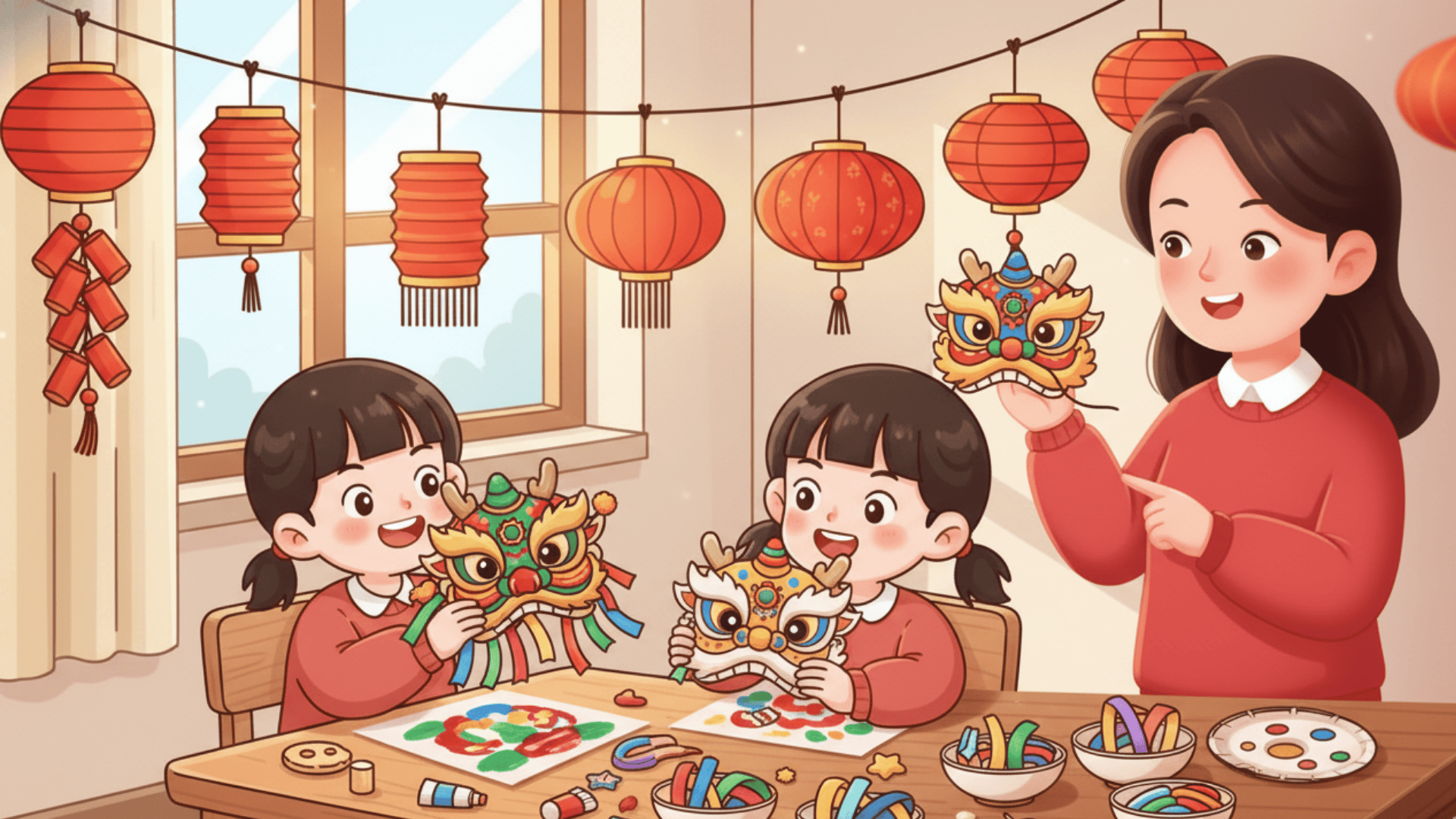
Cut paper plates into mask shapes and paint them bright colors. Add ribbons, googly eyes, and other craft supplies. Kids can wear these during pretend parades.
5. Play Chinese New Year Bingo
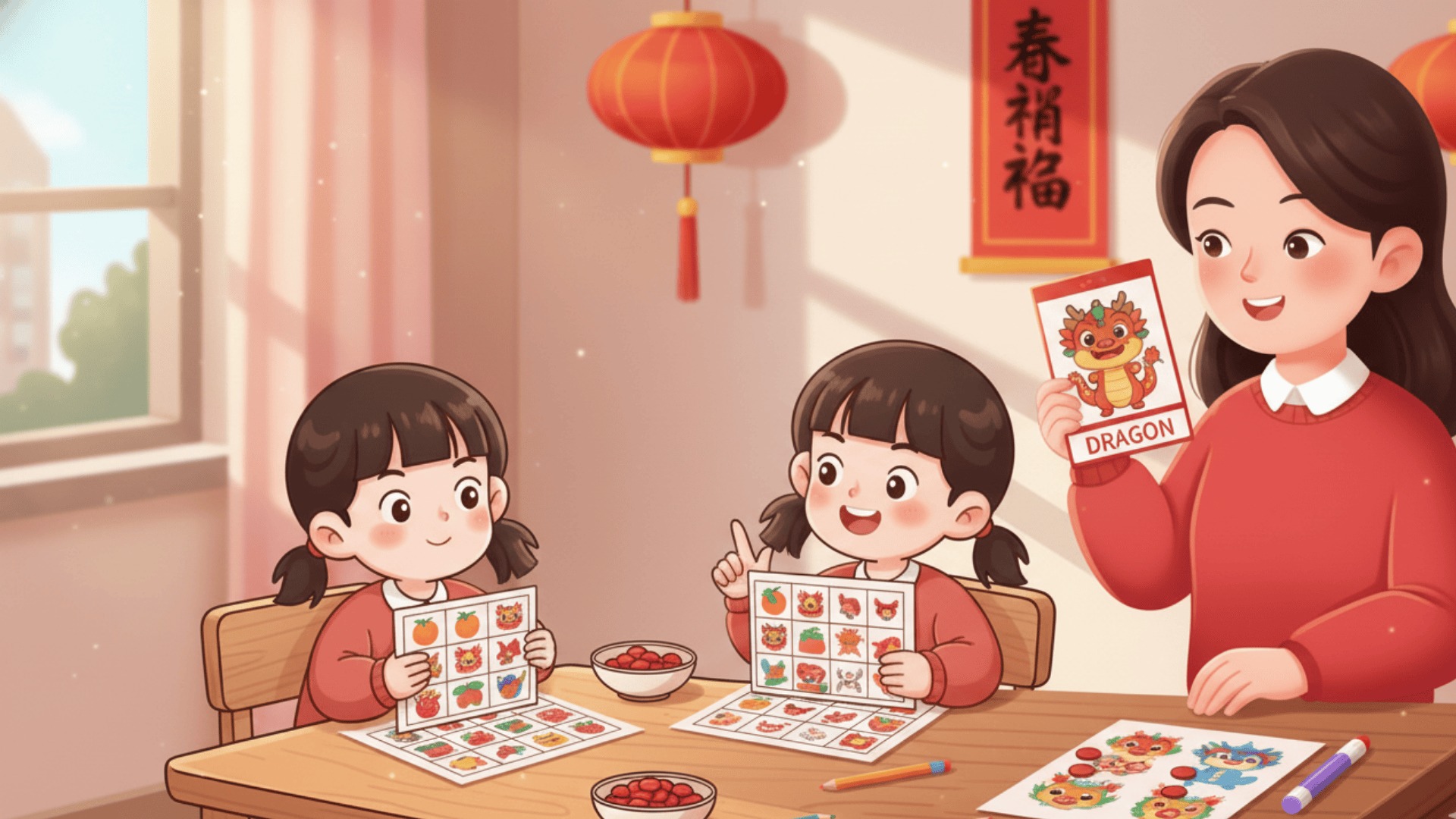
Create bingo cards with holiday symbols like lanterns, dragons, and oranges. Call out items and let kids mark their cards. The first one to get a row wins.
6. Read Stories About the Legend of Nian
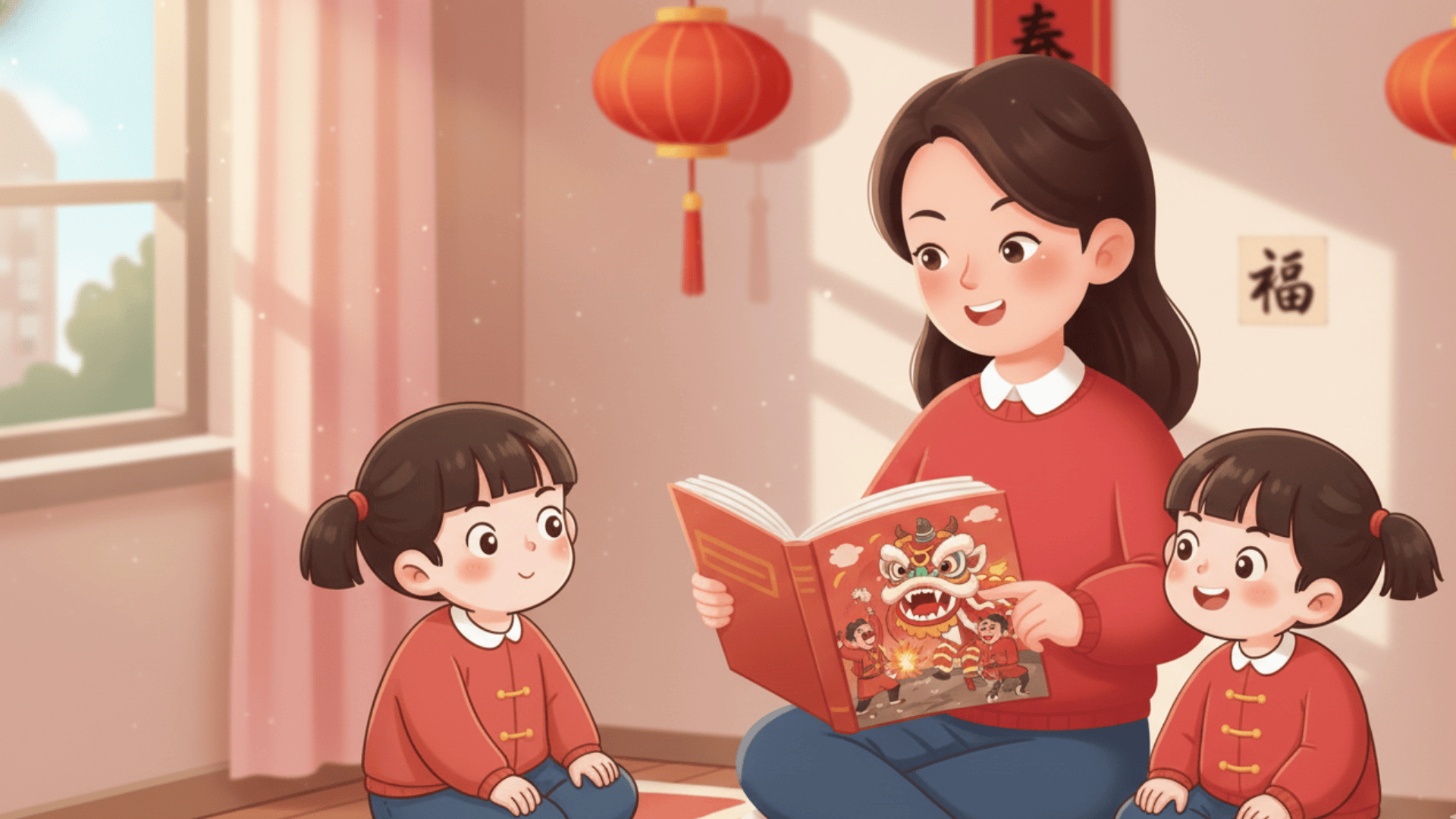
Find picture books or online stories about the monster Nian. Reading together teaches kids about the history behind the traditions. Ask questions to keep them engaged.
7. Shape Dumplings Using Play-Doh
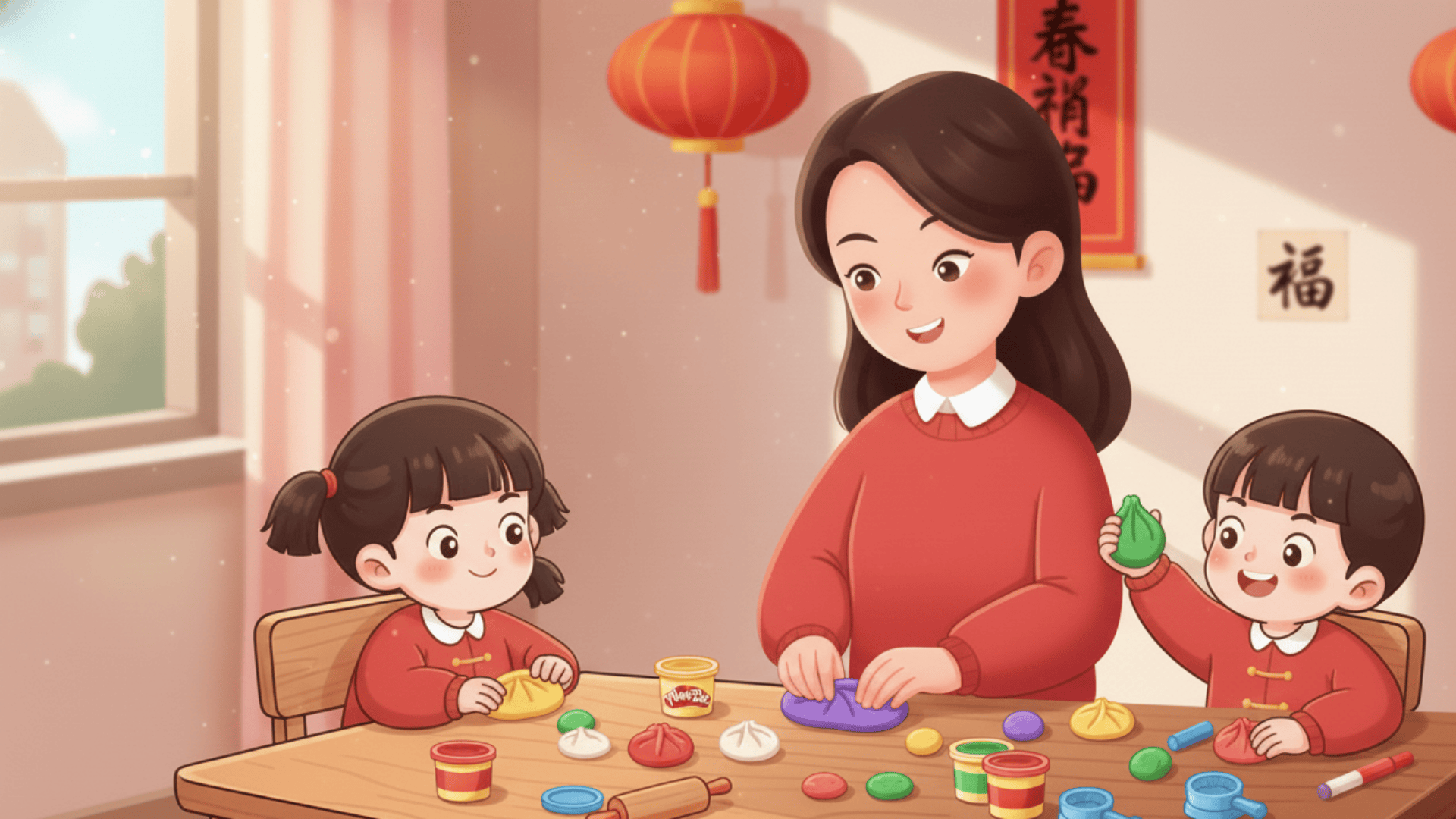
Use Play-Doh to form dumpling shapes. Kids can practice folding and pinching the edges. This activity connects them to traditional foods in a playful way.
These activities work well for classrooms, parties, or family time at home.
Traditional Foods Eaten During the Chinese New Year
Food plays an essential role during the Chinese New Year. Families enjoy dumplings shaped like coins to bring wealth. Long noodles represent a long and healthy life.
Oranges and tangerines are shared for good luck and happiness. Sweet rice cakes symbolize growth and success in the coming year.
Explaining these food meanings helps kids connect traditions with everyday items they can see and taste. Each dish carries a special message of hope and good fortune for the year ahead.
Fun Facts About the Chinese New Year for Kids

Learning about the Chinese New Year becomes even more exciting when you discover interesting facts about the celebration. Here are some surprising details that make this holiday truly special for children around the world.
- Chinese New Year is the largest yearly celebration in the world: More than 1 billion people celebrate this holiday across many countries. It’s bigger than any other annual event.
- The celebration lasts for 15 days: The festivities continue for over two weeks, giving families plenty of time to gather and celebrate together.
- Red is considered the luckiest color: People wear red clothes and hang red decorations because the color brings good fortune and keeps away bad luck.
- Each year is linked to a zodiac sign: One of 12 animals represents each year, making it easy and fun for kids to remember their birth year.
- Fireworks are used to scare away evil spirits: The loud sounds and bright lights chase away anything negative, just like they scared away the monster Nian.
- Millions of people travel to see family: This is the most critical time for families to reunite, even if it means traveling long distances.
- The Lantern Festival ends the celebration: On the 15th day, people light and release lanterns into the sky to close the holiday with hope and light.
Wrapping It Up
Chinese New Year for kids opens a window into a rich culture filled with color, meaning, and joy.
From the brave legend of Nian to the 12 zodiac animals, each tradition teaches children about family, luck, and new beginnings.
The red decorations, special foods, and fun activities make learning interactive and memorable.
Now it’s your turn to celebrate. Try making paper lanterns with your children. Share stories about the zodiac animals. Cook the dumplings together. These simple actions bring the holiday to life.
What’s your favorite Chinese New Year tradition? Share your thoughts in the comments below. Let’s keep the conversation going and learn from each other’s experiences.