
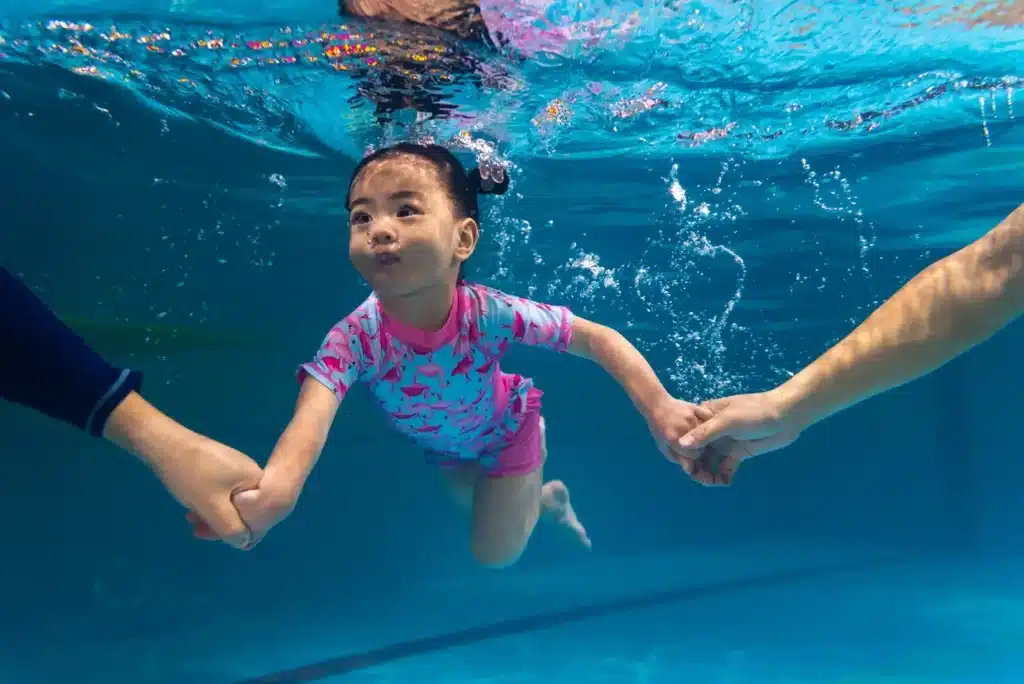
A pool can look clean and still carry hidden risks. Clear water does not always mean safe water. Bacteria, viruses, and fungi can exist without changing the way the water looks or smells. For families who spend time swimming, knowing about these invisible threats helps protect everyone’s health.
Bacteria That Spread Quickly
Bacteria are one of the most common concerns in pool water. Germs like E. coli can enter through dirt, sweat, or improper hygiene. Once in the water, they can spread easily, especially when many people are swimming at the same time.
Some bacteria cause mild issues such as skin irritation or ear infections. Others can lead to stomach illness if water is swallowed. These problems may appear a day or two after exposure, which makes the source harder to identify.
Simple habits can lower the risk. Showering before swimming and avoiding the pool when sick help reduce the amount of bacteria introduced into the water.
Viruses and Shared Spaces
Viruses can also be present in pools and surrounding areas. Common examples include norovirus and adenovirus, which may cause stomach problems, eye irritation, or cold-like symptoms. These viruses often spread through contact with contaminated water or surfaces.
Shared spaces increase the chance of exposure. Pool ladders, railings, and deck areas can hold germs if they are not cleaned often. Children are especially at risk since they may touch many surfaces and then touch their faces.
Fungi in Warm, Damp Areas
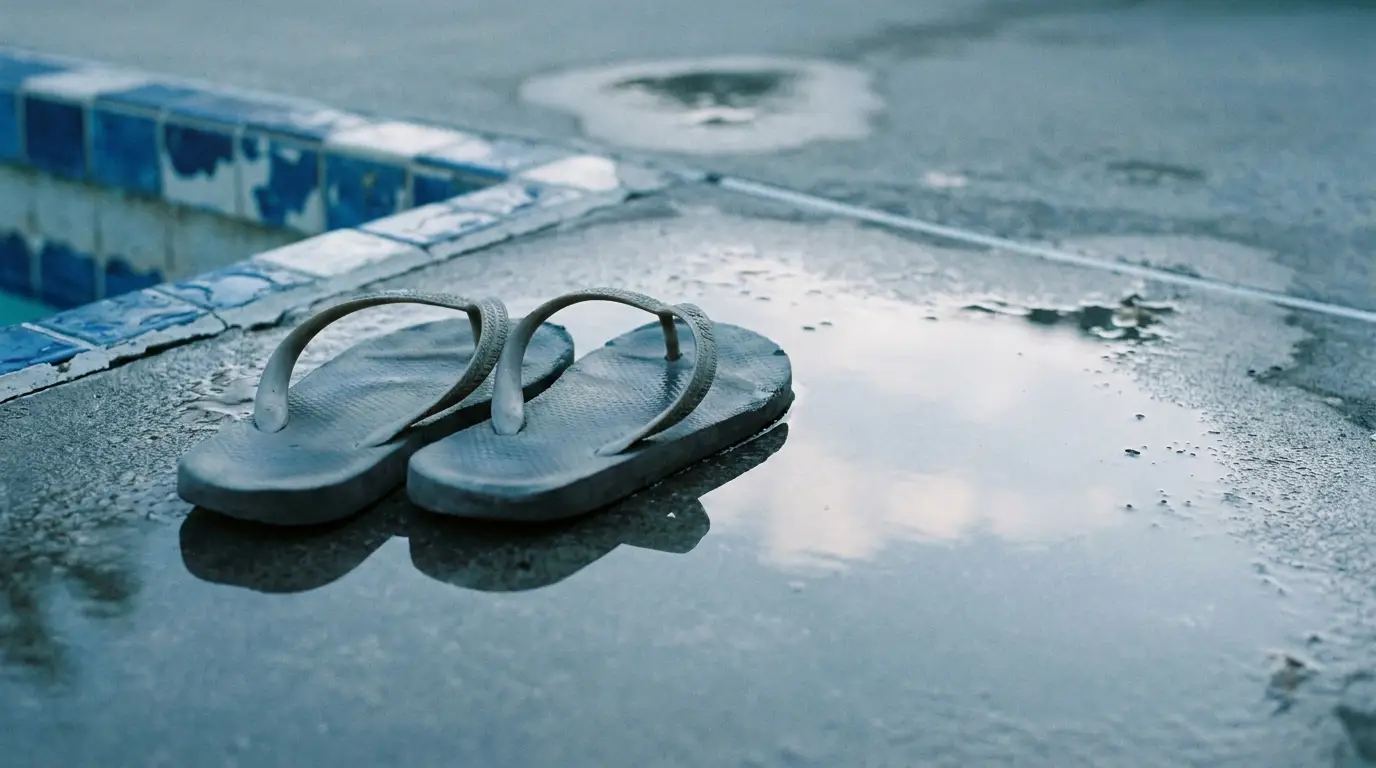
Fungi grow well in moist environments. Pool decks, locker rooms, and wet towels can support their growth. These organisms can cause infections such as athlete’s foot or ringworm, which affect the skin and can spread through contact.
Walking barefoot in shared areas increases the chance of picking up a fungal infection. These conditions are often uncomfortable and may take time to treat. Wearing sandals and drying off completely after swimming can help reduce exposure. Keeping surfaces clean and dry also limits fungal growth.
Why Maintenance Matters
Pool maintenance is key to controlling these risks. Proper chemical balance helps kill harmful organisms and keeps the water safe for swimmers. Filtration systems also remove debris that can support bacterial growth.
Regular testing of water quality helps catch problems early. Support from reliable sources, including commercial pool chemical suppliers, can help pool owners maintain proper conditions and choose effective products.
Practical Steps for Families
Families can take simple steps to stay safe. Encourage children to avoid swallowing pool water and to take breaks when needed. Remind everyone to wash their hands after using the restroom and before returning to the pool.
Parents can also observe the pool environment. Cloudy water, strong odors, or poor cleanliness around the area may signal a problem. Choosing well-maintained pools reduces risk.
Invisible threats in pool water are easy to overlook, yet they can affect health in real ways. Bacteria, viruses, and fungi can spread without clear warning signs. For more information, look over the accompanying infographic below.
Infographic Embed Code:
<img src=https://lh3.googleusercontent.com/d/1_uJMn6X_kihTYIV_YIQeBEBcoLyyBJTm=s0?authuser=0>