
A family trivia game can turn an ordinary evening into something everyone remembers. The challenge is making sure the questions are enjoyable for children, parents, and grandparents alike.
When players have different ages and interests, a good trivia format should give everyone a reason to participate rather than allowing one knowledgeable player to dominate the game.
The easiest solution is to make trivia a team activity. With two mixed-age teams, players can combine what they know, discuss possible answers, and celebrate the wins together.
Whether you’re planning a weekend family game night or looking for a simple activity for a larger gathering, the right format can make trivia accessible, competitive, and genuinely fun for every generation.
Why Family Trivia Works So Well Across Generations
Trivia naturally brings people together because everyone has different areas of knowledge. One person may know movies inside out, another may be excellent at geography, while a younger player might know far more about animals, video games, or current pop culture.
A team-based format turns those differences into an advantage.
Everyone Has Something to Contribute
A well-designed family trivia gamedoesn’t require every player to know every answer. That’s part of what makes team play so enjoyable.
A grandparent might recognize an old song that younger players have never heard. A teenager may know the answer to a question about a recent movie. A child might immediately recognize an animal or cartoon character.
When those players work together, knowledge becomes something the whole family can share.
Mixed-Age Teams Make the Game Fairer
Instead of separating players by age, combine different generations on the same team. This creates a more balanced experience because each team has access to different types of knowledge.
For example, pairing a child with a parent or grandparent can create unexpected moments where the youngest player knows the answer everyone else is struggling to remember.
The goal isn’t to make every player equally knowledgeable. It’s to give everyone a useful role on the team.
Discussion Is Part of the Fun
Some of the best moments in family trivia happen before the answer is revealed.
Players debate possibilities, explain why they think an answer is correct, and occasionally convince everyone else to change their minds. Sometimes the confident answer is completely wrong, which can be even more entertaining.
Those conversations turn a trivia quiz into a shared experience rather than simply a test of individual knowledge.
How to Choose Questions for a Family Trivia Game
Question selection can make or break a family trivia night. If every question is difficult, younger players may lose interest. If everything is extremely easy, adults may stop feeling challenged.
A better approach is to use a mixture of difficulty levels and subjects.
Use Different Categories
A broad range of categories gives more players an opportunity to shine.
Consider subjects such as:
- Movies and television
- Animals
- Nature
- Space
- Geography
- Words and language
- General knowledge
- Popular culture
The wider the selection, the less likely the game is to favor one particular age group.
Mix Easy and Challenging Questions
Starting with accessible questions can help everyone settle into the game. As the round continues, harder questions can increase the competitive tension.
This also gives younger players an opportunity to contribute early while giving experienced trivia players something more challenging to work toward.
Give Teams Time to Discuss
Family trivia works best when players have enough time to talk through an answer. The fastest person in the room shouldn’t automatically have an advantage.
Team discussion allows quieter players to contribute and gives children a chance to suggest answers without feeling pressured to compete against adults individually.
Why Two-Team Trivia Is Ideal for Family Game Night
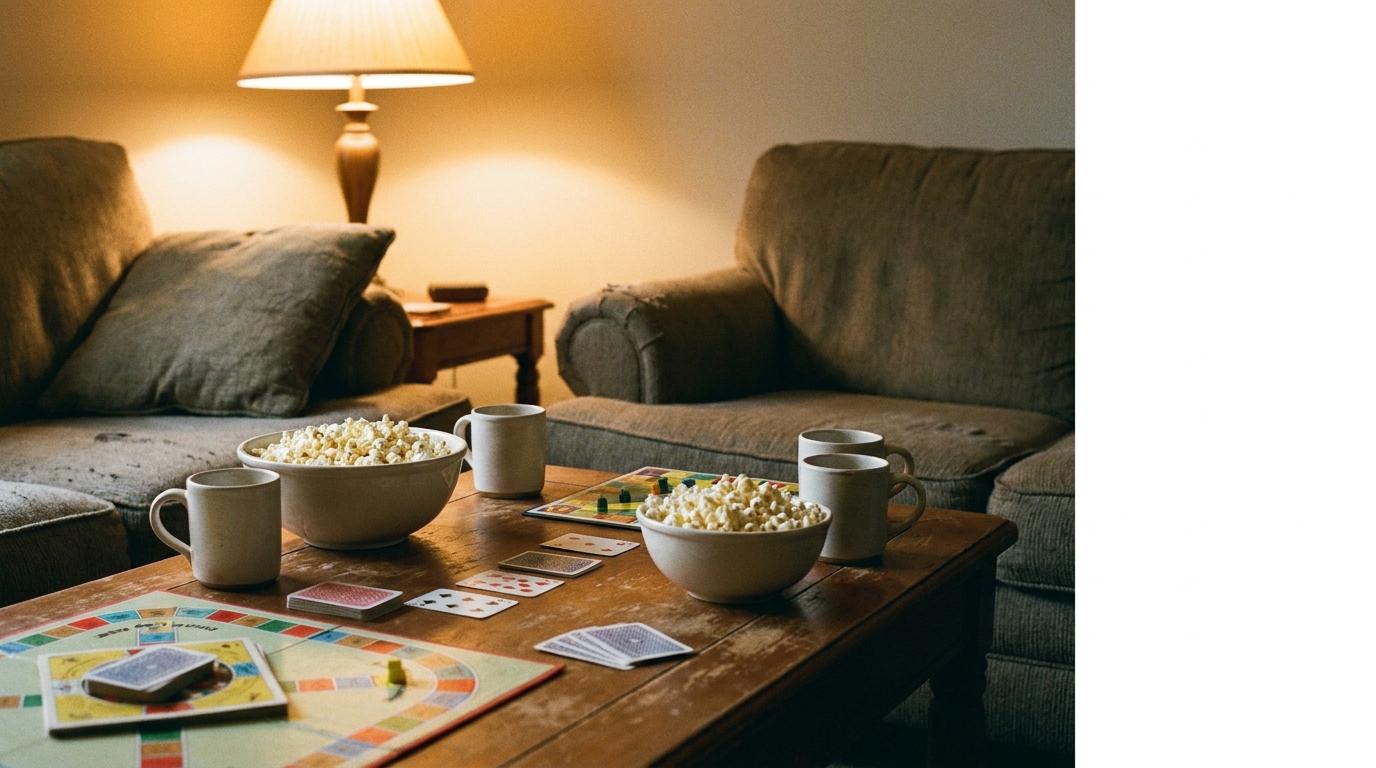
A two-team format is simple enough for children to understand but competitive enough to keep adults interested.
Rather than tracking individual scores, everyone works toward a shared team score. That changes the dynamic of the game. Players can celebrate a teammate’s knowledge instead of worrying about their own individual performance.
It also makes larger gatherings easier to manage. Instead of having every person answer separately, everyone can participate in one of two groups and focus on the same questions.
For families that want a ready-made format rather than creating questions from scratch, an online option can make setup even easier.
Saylok: A Shared-Screen Two-Team Trivia Game
Saylok is designed around the idea that trivia is more enjoyable when everyone plays together.
Rather than requiring every participant to use a separate phone or player account, Saylokis built for a shared-screen experience. One person opens the game in a browser and displays it on a TV or larger screen. Everyone gathers around the same screen, discusses the questions, and plays as part of one of two teams.
That format is particularly well suited to family game nights because players aren’t isolated behind individual devices.
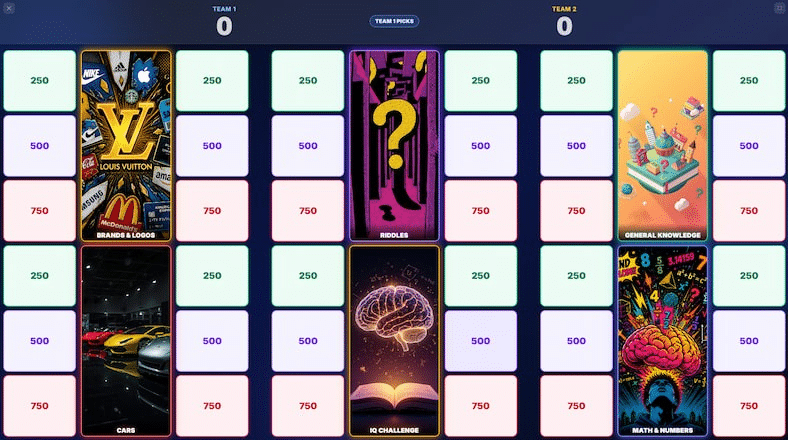
Saylok offers 45 categories and 8,790 questions, giving families plenty of variety for repeated game nights. Questions are organized into three difficulty tiers worth 250, 500, and 750 points, so teams can decide how much risk they’re willing to take as they play.
There are also four game modes: Classic, Connect 4, Tic Tac Toe, and Pathfinder. This means families can change the style of gameplay instead of repeating exactly the same format every time.
Saylok supports games ranging from 2 to 30+ players, making it suitable for anything from a small family gathering to a much larger group. It also includes built-in score tracking, so the host can record each result and let the game maintain the team totals.
For families who want to see how the format works before committing to a full game, Saylok also offers a free demo.
The Say Lock Rule Adds a Fun Twist
The Say Lock rule is a simple part of the game that adds a little extra excitement to each question.
Team members can discuss the possible answers before making their final choice. Once the team says “Say Lock,” their answer is locked in and cannot be changed.
This creates a fun moment of pressure and teamwork. Players have to decide when they are confident enough to commit to their answer, making even simple questions more engaging for the whole family.
How to Set Up a Family Trivia Game at Home
Getting a family trivia night started doesn’t have to involve complicated preparation.
1. Choose a Shared Screen
If you’re using an online trivia game, display it on a television whenever possible. A laptop, tablet, or phone can also work if the entire group can see the screen.
2. Create Two Mixed-Age Teams
Avoid separating people by generation. Instead, mix children, teenagers, parents, and grandparents between the two teams.
This gives both sides a wider range of knowledge.
3. Choose a Simple Game Mode
If you’re using Saylok for the first time, Classic is an easy starting point. Once everyone understands the basic format, try another mode such as Connect 4, Tic Tac Toe, or Pathfinder.
4. Let Everyone Discuss the Answers
Encourage every player to speak up. The youngest player may know something the adults don’t, and the most knowledgeable adult may still need help with a question outside their area of expertise.
5. Keep the Atmosphere Friendly
Competition makes trivia exciting, but the best family game nights don’t depend on winning alone. Celebrate surprising answers, laugh about incorrect guesses, and give everyone a chance to enjoy the experience.
Tips for Making Family Trivia More Enjoyable
Mix Generations on Both Teams
A teenager and grandparent may have completely different areas of expertise. Putting them on the same team can create some of the most entertaining collaborations of the night.
Start With Easier Questions
Accessible questions help younger players build confidence. Once everyone is comfortable, introduce more difficult questions for higher-value points.
Let Everyone Have a Voice
Don’t allow one person to answer every question automatically. Encourage teams to listen to suggestions from every member before making a decision.
Try Different Game Modes
If you’re playing Saylok, switching between its four game modes can keep future game nights from feeling repetitive. The same group can experience a different style of competition without needing to learn an entirely new trivia platform.
Final Thoughts
The best family trivia game isn’t about having the hardest questions—it’s about giving everyone a chance to participate. A team-based format brings different generations together, turning each question into an opportunity to share knowledge, laugh, and compete.
For a simple, engaging way to make family game night more memorable, Saylok can bring everyone together around the same screen.