
Strong values take shape early, and the qualities children practice each day influence how they think, act, and connect with others.
Many families and teachers focus on character traits for kids because these traits guide behavior in meaningful ways, from handling emotions to building positive relationships.
When children learn these qualities step by step, they gain tools that support growth through every stage of childhood.
Activities and simple routines play an important role in this process, which is why character traits for kids worksheets can be helpful for steady practice.
What follows brings clarity to these traits and how they shape young minds.
What Are Character Traits for Kids?
Character traits are qualities that shape how a child thinks, acts, and responds to different situations.
These traits influence everyday behavior, from how kids treat others to how they manage their own emotions.
Character traits differ from habits or skills.
Habits are routines, such as brushing teeth or cleaning up toys, while skills are abilities a child learns, like reading or tying shoes. Traits are deeper qualities that guide choices, such as honesty, patience, and kindness.
Kids show these traits through small, daily actions. A child who helps a friend is showing kindness. A child who tells the truth, even when it is hard, is showing honesty.
The Importance of Character Traits in Childhood
Character traits play a central role in shaping behavior, emotional growth, and decision-making during early years.
- Emotional Growth: Helps children manage feelings and respond calmly in different situations.
- Better Decision-Making: Guides everyday choices with clarity and builds thoughtful behavior.
- Stronger Social Skills: Improves interactions with peers and adults through positive communication.
- Increased Responsibility: Encourages consistent follow-through on tasks and routines.
- Greater Confidence: Supports a stable sense of self as kids learn what they can accomplish.
- Improved Problem-Solving: Helps kids think through challenges and try practical solutions.
- Long-Term Development: Lays a strong base for academic progress and personal growth as children mature.
Core Character Traits Kids Can Learn
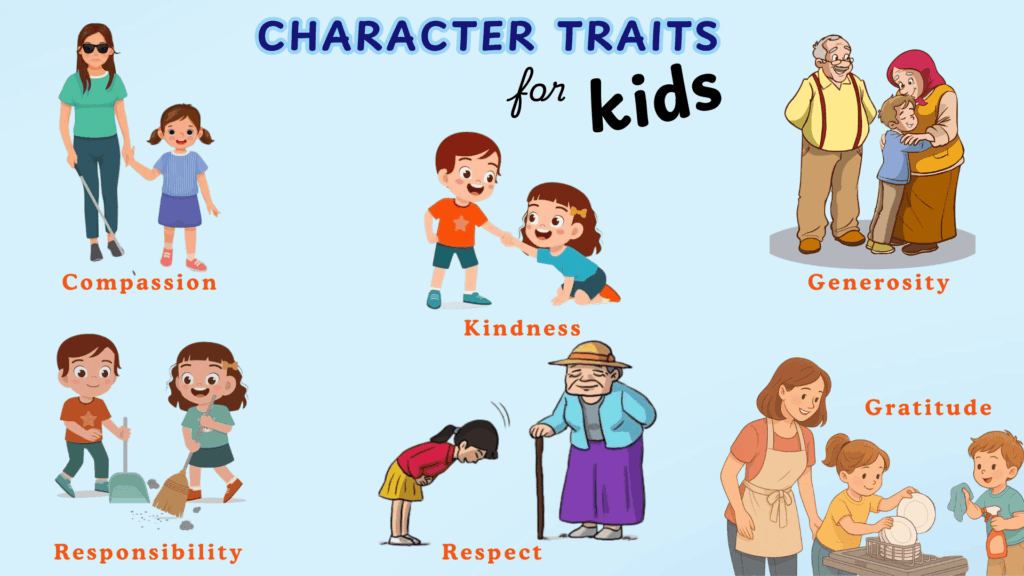
These traits shape daily behavior, strengthen emotional growth, and guide kids toward positive interactions at home, in school, and in social settings.
1. Kindness
Kindness helps children show care through simple actions, such as sharing, helping, and speaking gently.
It encourages empathy by helping them notice how others feel and respond in a thoughtful way.
When practiced regularly, kindness strengthens friendships and builds a positive atmosphere at home and school.
Kids learn that small caring actions can make a meaningful difference.
2. Honesty
Honesty teaches children the value of truth in both words and actions.
It helps them build trust with others and feel secure knowing they are being fair and clear.
Even small choices, like admitting a mistake, strengthen honesty over time. This trait supports strong relationships and encourages responsibility for personal decisions.
3. Responsibility
Responsibility develops when children learn to complete tasks, manage belongings, and follow through on commitments.
It creates a sense of reliability and helps kids understand how their actions affect others. With consistent practice, responsibility builds independence and confidence.
Children begin to recognize that being dependable benefits both themselves and the people around them.
4. Respect
Respect helps children understand boundaries, value differences, and interact politely with others.
It includes listening, using polite language, and treating shared spaces with care. Practicing respect supports healthy relationships and smooth interactions in group settings.
Kids learn that respectful behavior helps create fairness and comfort for everyone involved.
5. Patience
Patience teaches children to wait calmly, handle delays, and manage frustration. It helps them make steady progress on tasks that require time and effort.
With practice, patience reduces impulsive reactions and supports thoughtful behavior.
This trait also improves cooperation, as kids learn that waiting can lead to better outcomes.
6. Courage
Courage encourages children to face new situations, try unfamiliar tasks, and speak up when needed.
It does not require fearlessness, but rather the willingness to act despite uncertainty. This trait helps kids gain confidence, learn from challenges, and grow through experience.
Courage supports steady self-growth as children encounter new environments and expectations.
7. Self-Control
Self-control helps children manage impulses, emotions, and reactions. It guides them to pause before acting and consider the consequences of a choice.
Developing self-control strengthens focus and supports better behavior in social and school settings.
Over time, it helps kids handle conflict more calmly and make mature decisions.
8. Gratitude
Gratitude teaches kids to notice and appreciate positive moments, acts of kindness, and personal achievements.
It helps create a balanced mindset and encourages thoughtful reflection. When children express gratitude, they strengthen relationships and develop a more positive attitude.
This trait supports emotional well-being and everyday satisfaction.
9. Fairness
Fairness helps children understand equality, share opportunities, and make just choices.
It encourages them to think about how actions affect others and to treat people without bias.
Practicing fairness supports cooperation in group activities and builds trust. Kids learn that fair behavior helps create harmony and reduces conflict.
10. Perseverance
Perseverance teaches children to continue working toward a goal even when progress is slow.
It helps them stay motivated through challenges and learn from setbacks. This trait supports long-term success and builds resilience.
With steady practice, kids gain confidence in their ability to complete tasks that require time and patience.
11. Empathy
Empathy helps children recognize the feelings of others and respond with care. It encourages awareness of facial expressions, tone, and context.
This trait supports stronger relationships by helping kids act in ways that comfort or support someone.
Empathy builds understanding and encourages more thoughtful social behavior.
12. Cooperation
Cooperation teaches kids to work with others toward shared goals. It involves taking turns, listening, and contributing to group tasks.
This trait supports teamwork and creates smoother interactions during school, play, and home activities.
Cooperation helps children build friendships and understand the value of shared effort.
13. Accountability
Accountability helps children take ownership of their actions and accept outcomes without avoiding responsibility.
It teaches them to learn from choices and make better decisions moving forward. This trait supports maturity and encourages a sense of reliability.
Kids grow more confident when they understand how their actions influence results.
14. Generosity
Generosity encourages children to share time, attention, or resources without expecting anything in return.
It strengthens compassion and goodwill in daily interactions. Practicing generosity helps kids notice the needs of others and respond with supportive actions.
This trait builds a caring mindset that shapes positive relationships.
15. Humility
Humility teaches children to recognize strengths without seeking praise and to accept feedback with openness.
It helps kids stay grounded and appreciate the contributions of others. This trait supports balanced self-awareness and improves cooperation.
Humility encourages steady personal growth through learning and reflection.
16. Adaptability
Adaptability helps kids adjust to new situations, routines, or expectations with flexibility. It supports smoother transitions and reduces frustration when plans change.
This trait strengthens problem-solving and encourages a positive attitude toward challenges.
Adaptability prepares children for varied environments and experiences.
17. Compassion
Compassion guides children to show care toward others who are struggling or in need.
It combines awareness, gentle actions, and supportive words. Practicing compassion helps kids build deeper connections and learn the importance of helping.
This trait nurtures emotional growth and encourages thoughtful, caring behavior.
How Can Adults Support These Traits?
Adults help children build strong traits through simple actions and steady guidance.
Modeling positive behavior is one of the most effective methods, as kids learn by watching how adults handle challenges, speak to others, and manage emotions.
Clear expectations and consistent routines give children structure, helping them make better choices with confidence.
Positive reinforcement, such as noticing effort or responsible behavior, encourages kids to repeat those actions.
Offering small responsibilities at home or school also strengthens independence and accountability.
Daily situations such as solving problems, sharing tasks, or discussing feelings create natural opportunities for kids to practice these traits in a supportive environment.
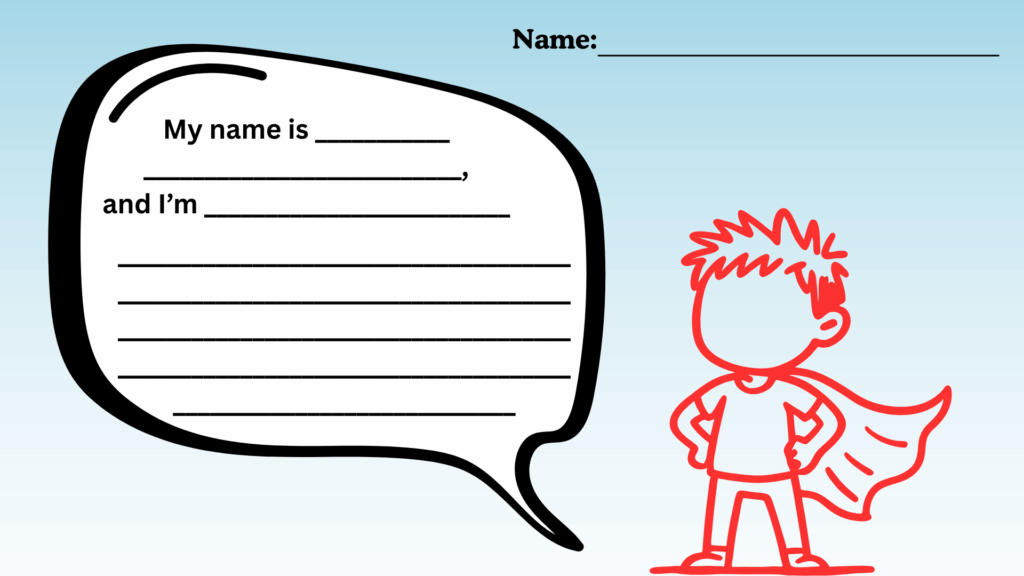
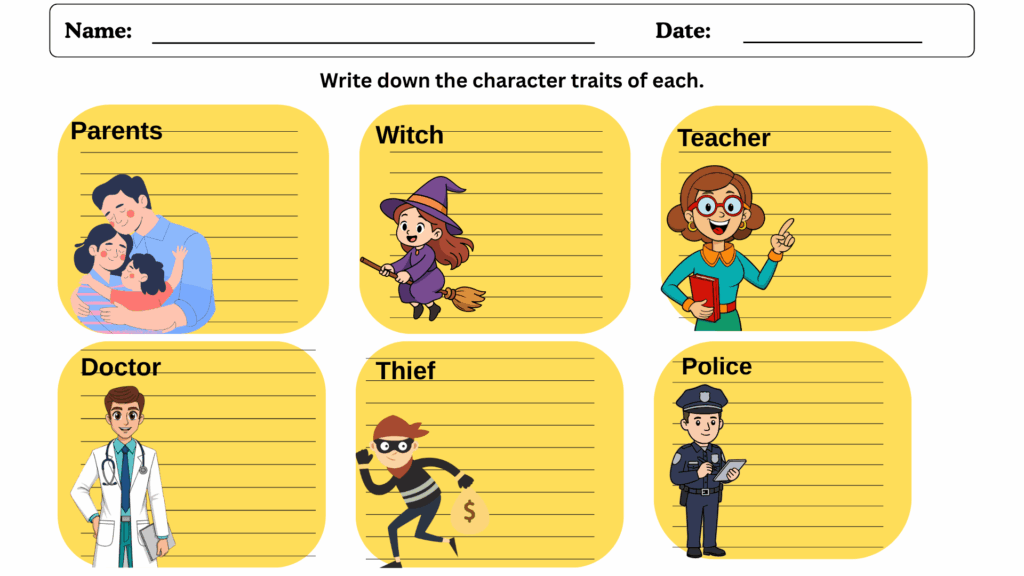
Character Traits for Kids Worksheet
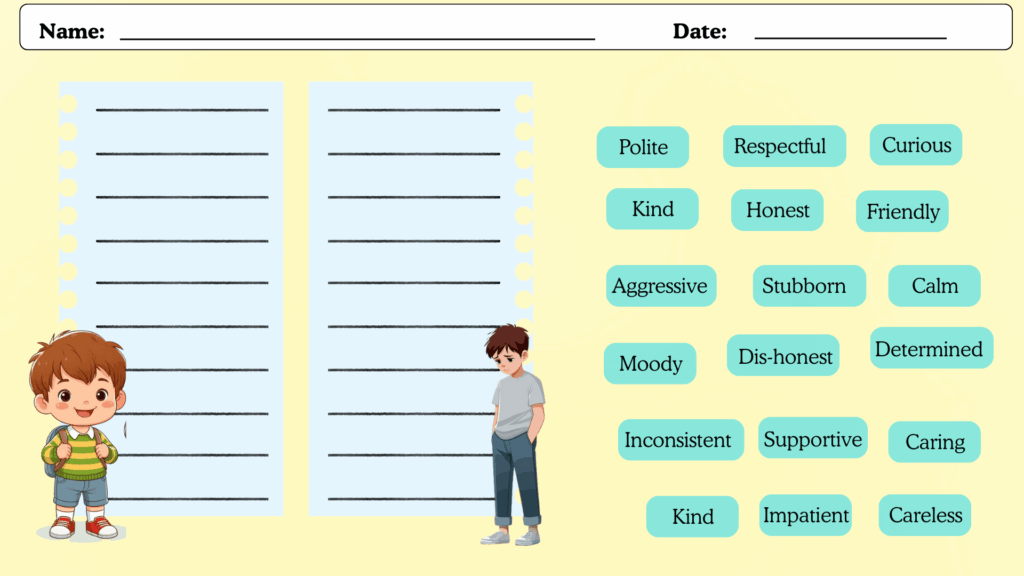
This worksheet provides simple, engaging tasks that help children practice core traits, reflect on daily behavior, and build positive habits in a structured way.
Click Here to Download
Worsheet 1
Worsheet 2
Worsheet 3
Conclusion
Understanding character traits for kids offers a clearer view of how children grow through daily choices, actions, and interactions.
Each trait, whether kindness, honesty, patience, or responsibility, plays a meaningful role in shaping behavior and emotional strength.
When adults provide guidance, model positive actions, and use simple tools such as worksheets or everyday routines, kids gain steady opportunities to practice these traits.
These small moments help them build confidence, form better relationships, and develop healthy habits that last.
Share your thoughts, experiences, or favorite traits in the comments below!