
For decades, the term “starter home” carried a fairly specific meaning. It described a smaller, more affordable house that allowed first-time buyers to enter the housing market without committing to their ideal long-term property.
These homes weren’t perfect, but they were attainable, and they served as a stepping stone to future upgrades.
Today, many buyers wonder whether starter homes still exist at all. In many markets, the traditional starter home has become increasingly difficult to find because the housing landscape itself has changed.
And demand itself is dropping too; according to a Rocket Mortgage® survey, the starter home is a concept that’s no longer relevant for many buyers today.
What has shaped this landscape – and will it persist indefinitely?
The Original Purpose of the Starter Home
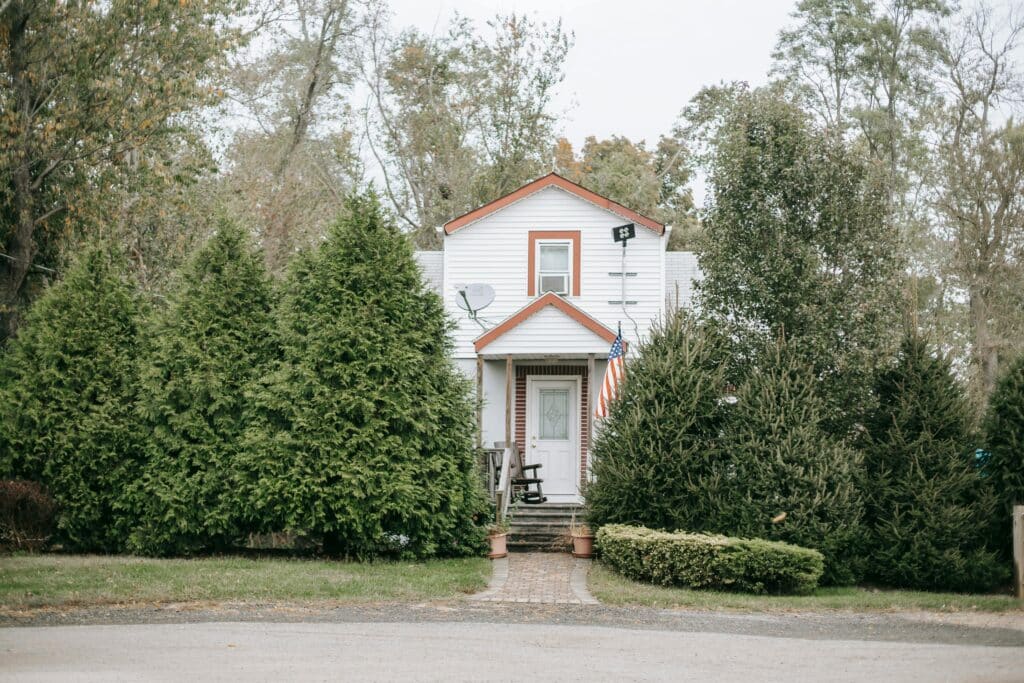
Historically, starter homes filled an important role. They were typically modest in size, located in working- or middle-class neighborhoods, and priced low enough for younger buyers to afford without stretching their finances too thin.
These homes often lacked modern updates or extra space, but that was part of the appeal.
Buyers accepted trade-offs in exchange for ownership, stability, and the opportunity to build equity. And over time, they could sell and move on to something larger or better suited to their evolving needs.
That ladder-like progression worked when housing supply, income growth, and price appreciation remained relatively balanced.
Rising Prices Have Redefined “Entry-Level”
One of the biggest reasons starter homes feel scarce is that the price floor for homeownership has risen. In many regions, even the smallest or least updated homes now command prices that would have once been considered mid-range or even premium.
What used to qualify as a starter home is often priced beyond what first-time buyers can comfortably afford. As a result, the term “starter” no longer refers to price so much as it refers to buyer status.
A starter home is now simply whatever a first-time buyer manages to purchase, regardless of size or cost. This shift makes the concept feel misleading; if a first-time buyer must stretch financially to buy any home at all, the idea of that home being a temporary step becomes far less realistic.
Low Inventory at the Bottom of the Market
Starter homes have also become rarer due to inventory constraints. Many smaller homes are held onto longer, either by longtime owners aging in place or by investors who view them as reliable rental properties.
When fewer of these homes come to market, competition increases. Multiple offers, cash buyers, and waived contingencies are common at the lower end of the price spectrum, making it harder for first-time buyers to compete.
At the same time, new construction has largely shifted away from small, entry-level homes. Builders often focus on larger properties with higher margins, leaving a gap in the market where starter homes once existed.
Investor Activity Has Changed the Landscape
Investor demand has played a notable role in reshaping the starter home market as well. Smaller, more affordable homes are attractive to investors because they often generate steady rental income. When investors purchase these properties, they remove them from the pool of homes available to owner-occupants.
Over time, this reduces supply and pushes prices higher, further distancing starter homes from their original purpose.
Even when these homes return to the market, they may be priced significantly higher due to renovations or market appreciation, placing them out of reach for many first-time buyers.
Shifting Standards and Buyer Expectations
Another reason starter homes feel elusive is that buyer expectations have changed. Features that were once considered upgrades are now seen as basics; modern kitchens, efficient systems, and flexible layouts are often expected, even in entry-level homes.
This doesn’t mean buyers are being unrealistic, but many are now comparing potential purchases to updated rentals or newly built apartments.
When older homes don’t meet these expectations, they’re often perceived as unsuitable, even if they technically fit the traditional starter home profile.
The Blurred Line Between Starter and Forever Homes
The line between starter homes and long-term homes has become increasingly blurred.
Many buyers no longer expect to trade up quickly, which means they approach their first purchase with permanence in mind. When buyers search for homes that can meet long-term needs, smaller or more limited properties naturally fall out of favor.
Instead of stepping stones, first homes are now viewed as foundations.
So, Do Starter Homes Still Exist?
In a technical sense, yes, starter homes still exist. Smaller, older, and less expensive homes still exist in many markets. But the traditional idea of a widely available, clearly affordable starter home is far less common than it once was.
Rising prices, limited inventory, investor activity, and changing expectations have all contributed to this shift.
What remains is a market where first-time buyers must adapt, rethink long-held assumptions, and often make compromises that previous generations didn’t have to.