
Dark corners in your home don’t have to stay empty and boring. Just because a room lacks bright sunlight doesn’t mean you can’t fill it with lush greenery.
Low-light hanging plants thrive in spaces where other plants would struggle, bringing life to hallways, bathrooms, and those tricky north-facing rooms.
These plants need far less light than you think, and many of them practically take care of themselves.
In this guide, you’ll learn what low light actually means for plants, which hanging varieties work best in dim spaces, and how to style them throughout your home.
Let’s turn those shadowy spots into your favorite green spaces.
What Does “Low Light” Really Mean?
Low light means the amount of sunlight your plants can use, not what you see with your eyes. A room might look bright to you, but plants need direct or indirect natural light to grow.
Low light does mean no light at all. Your plants still need some form of light to survive.
Common low-light spots include north-facing rooms, bathrooms without windows, hallways away from windows, and corners that never get direct sun. These spaces typically receive less than 3 to 4 hours of indirect sunlight daily.
If you can read a book comfortably in that spot during the day without turning on a lamp, your low-light hanging plants can probably thrive there, too.
Best Low-Light Hanging Plants for Dark Spaces
Now that you know what low light means, let’s look at the plants that actually thrive in these conditions. Here are 12 hanging varieties that will grow beautifully in your dimly lit spaces.
1. Golden Pothos (Epipremnum aureum)
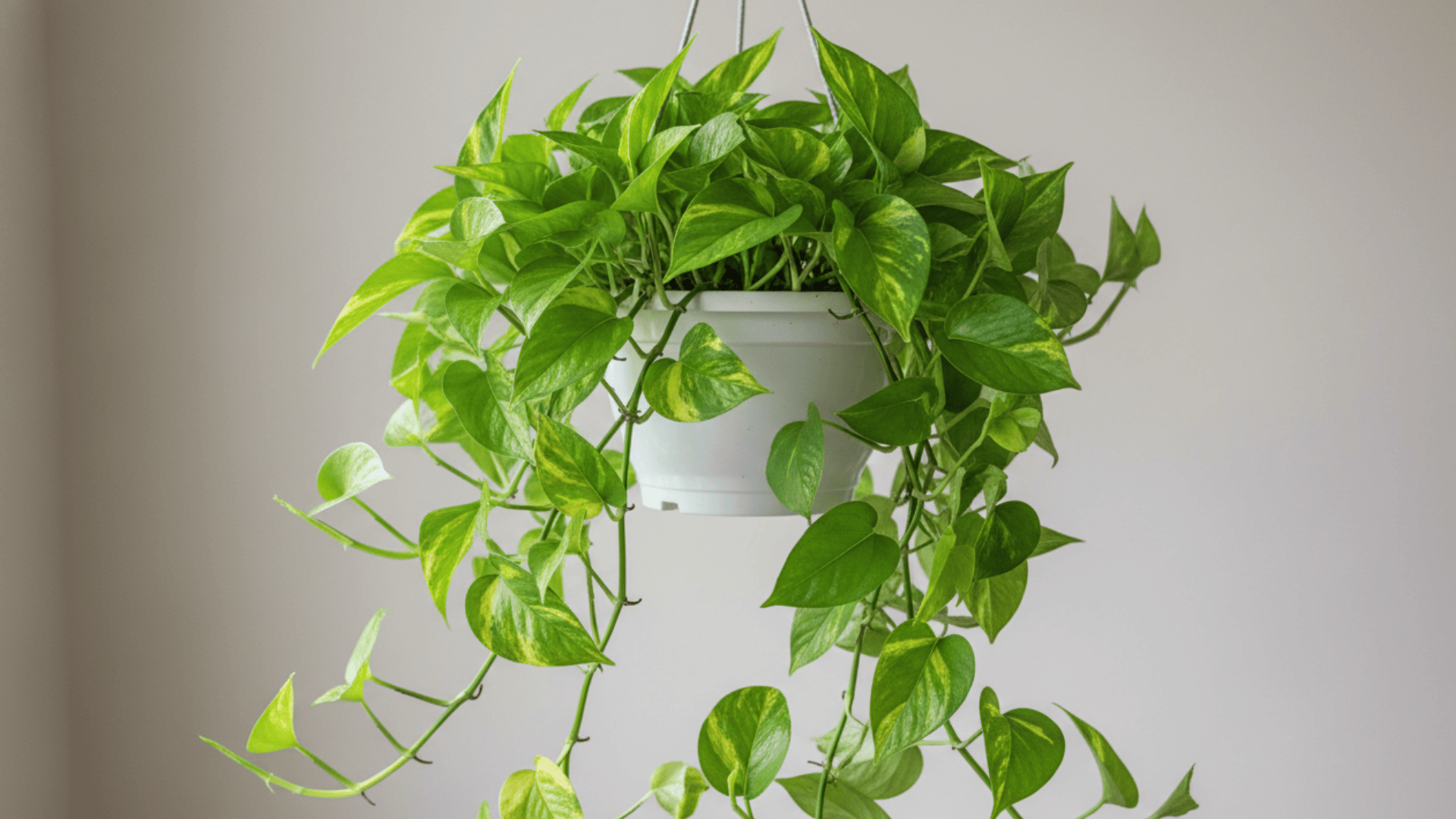
This plant is perfect for beginners who want something easy to care for. Its trailing vines can grow several feet long and look great in hanging baskets or on shelves.
| Feature | Details |
|---|---|
| Light Preference | Low to medium indirect light |
| Watering | Once a week, when the soil feels dry |
| Care Level | Very easy, tolerates neglect |
| Growth Pattern | Trailing vines up to 10 feet long |
| Soil Type | Well-draining potting mix |
2. Heartleaf Philodendron (Philodendron hederaceum)
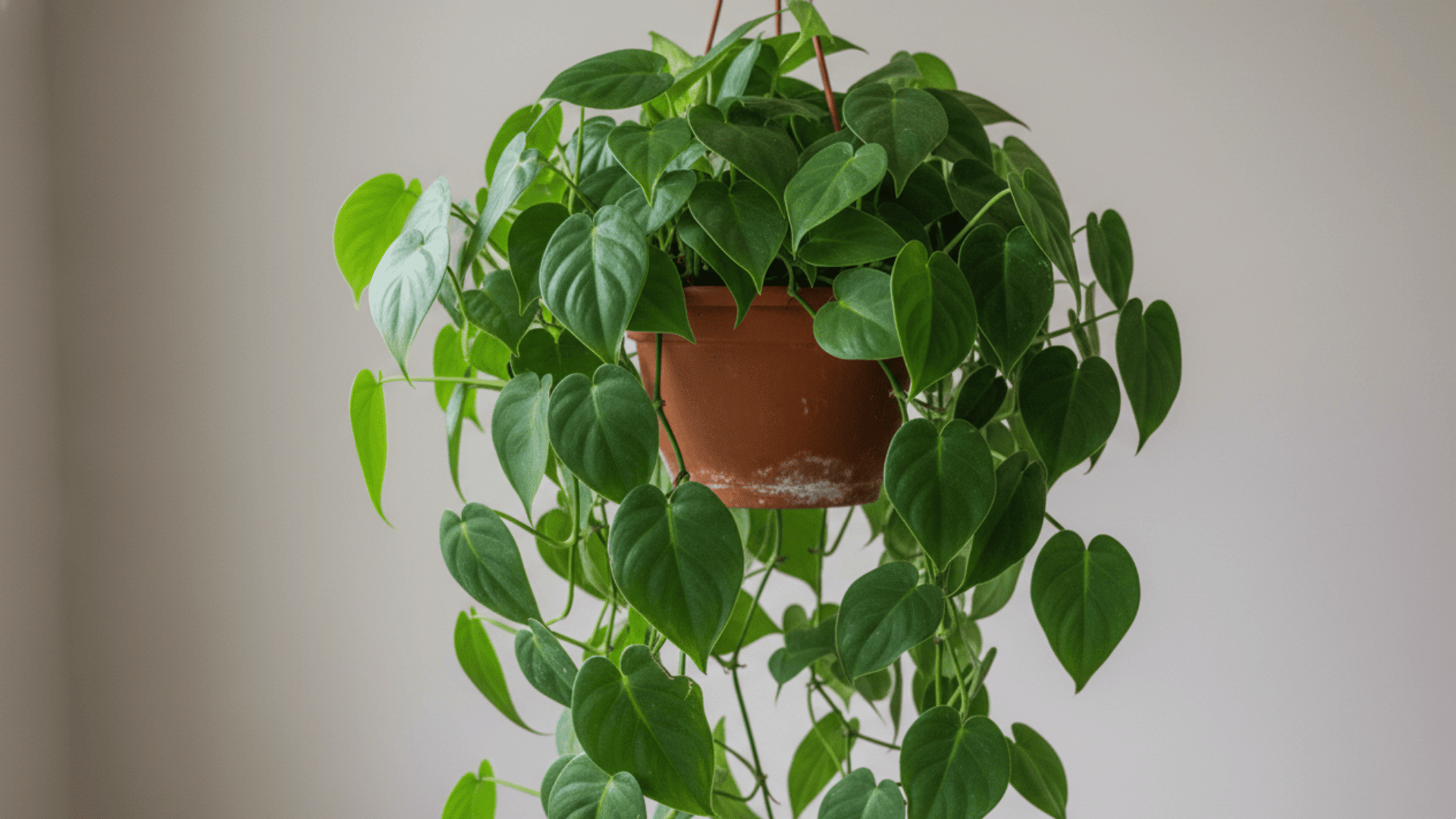
The heart-shaped leaves make this plant a favorite for home decor. It grows quickly and can fill up a hanging basket in just a few months.
| Feature | Details |
|---|---|
| Light Preference | Low to medium indirect light |
| Watering | Every 7 to 10 days, let the soil dry between watering |
| Care Level | Easy, thrives with minimal attention |
| Growth Pattern | Fast-growing trailing vines |
| Soil Type | Standard potting soil with good drainage |
3. Spider Plant (Chlorophytum comosum)
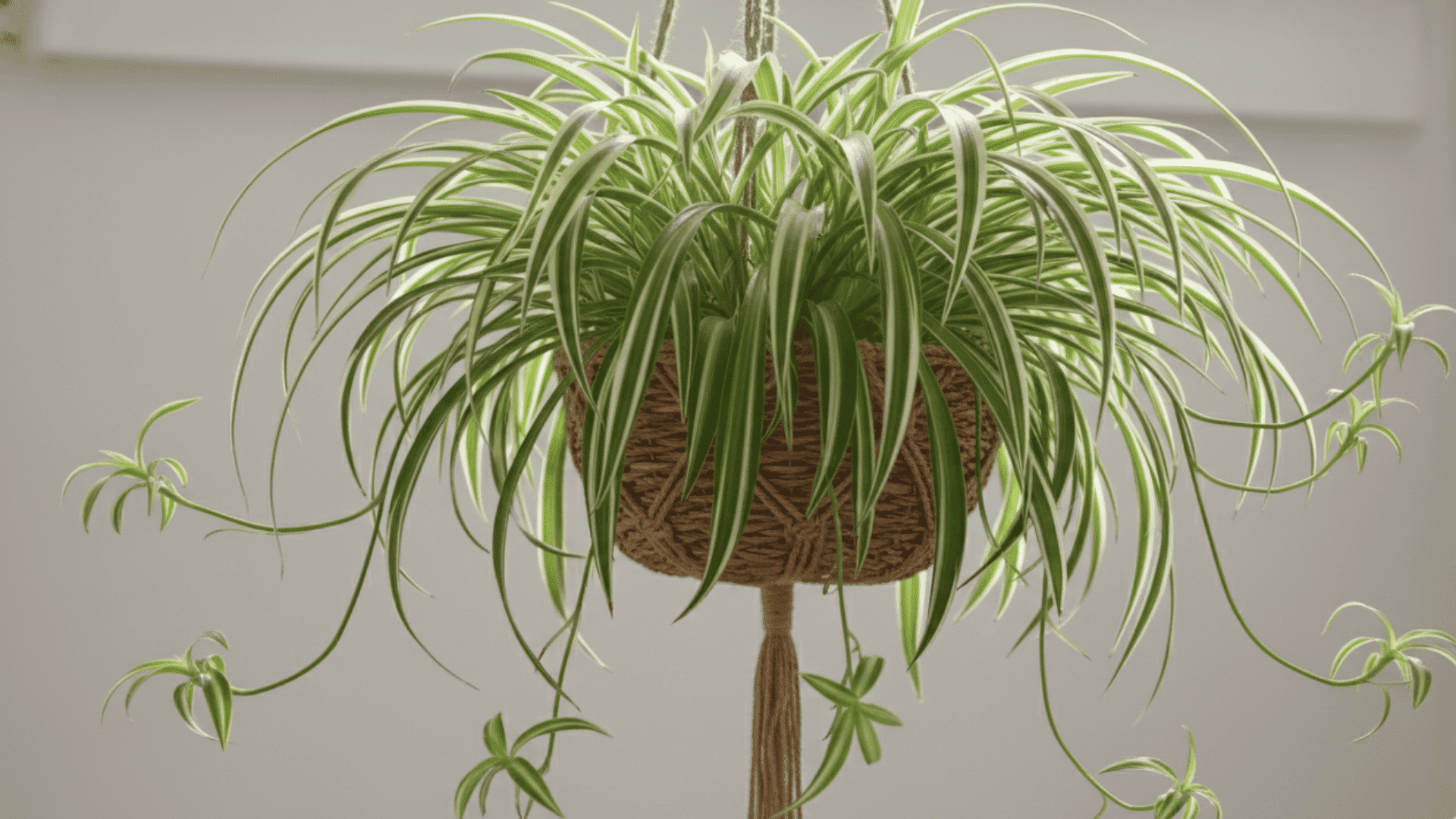
Spider plants produce baby plantlets that hang down like little spiders. This makes them fun to grow and easy to share with friends.
| Feature | Details |
|---|---|
| Light Preference | Low to bright indirect light |
| Watering | Once a week, when the soil dries out |
| Care Level | Very easy, forgiving for beginners |
| Growth Pattern | Arching leaves with hanging baby plants |
| Soil Type | Well-draining potting mix |
4. English Ivy (Hedera helix)
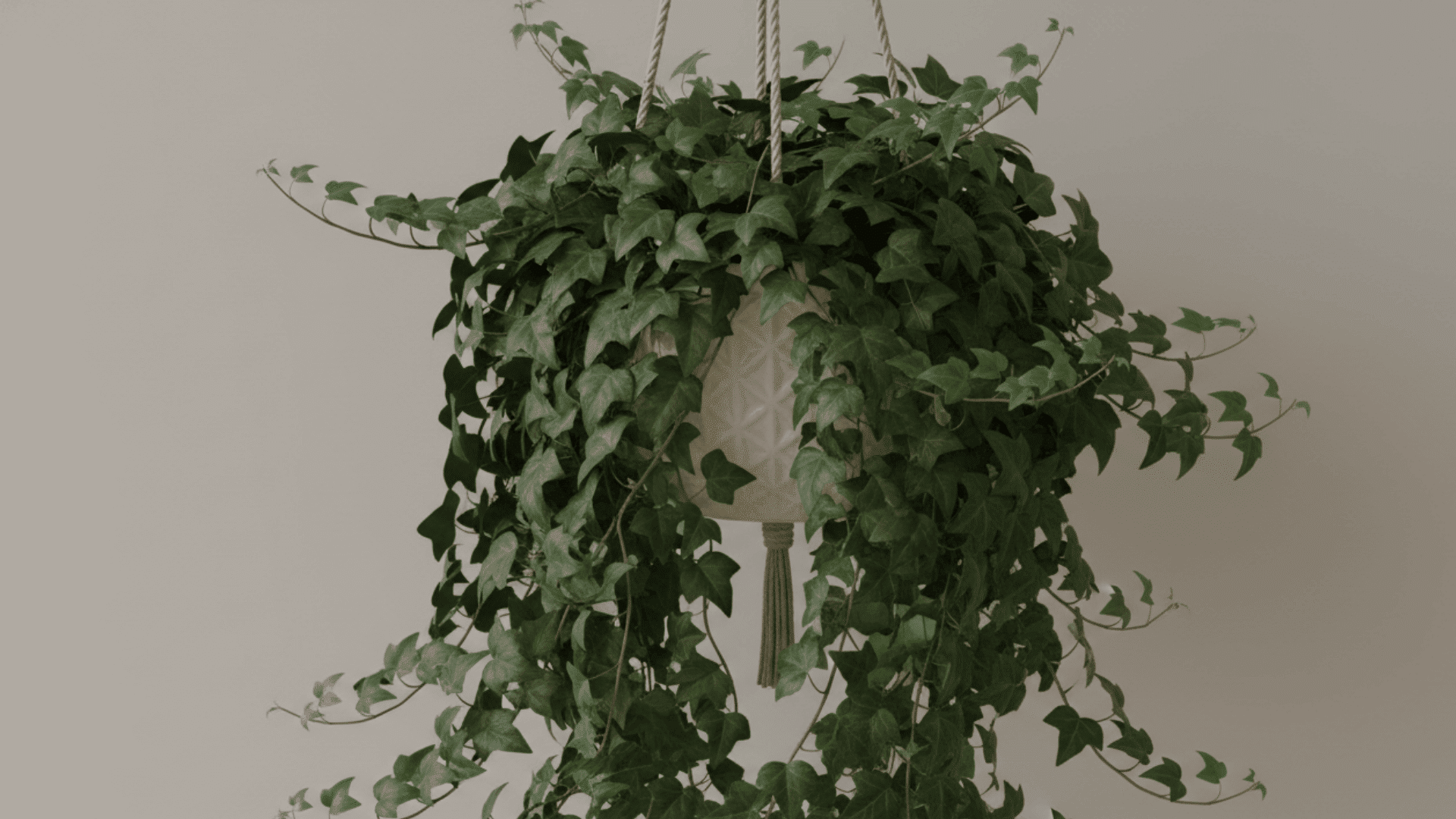
English Ivy creates a classic look with its dense, trailing vines. It works well in cooler rooms where other plants might struggle.
| Feature | Details |
|---|---|
| Light Preference | Low to moderate indirect light |
| Watering | Keep soil moist but not soggy |
| Care Level | Moderate, needs regular pruning |
| Growth Pattern | Dense cascading vines |
| Soil Type | Moist, well-draining soil |
5. Peperomia Rotundifolia (Peperomia)
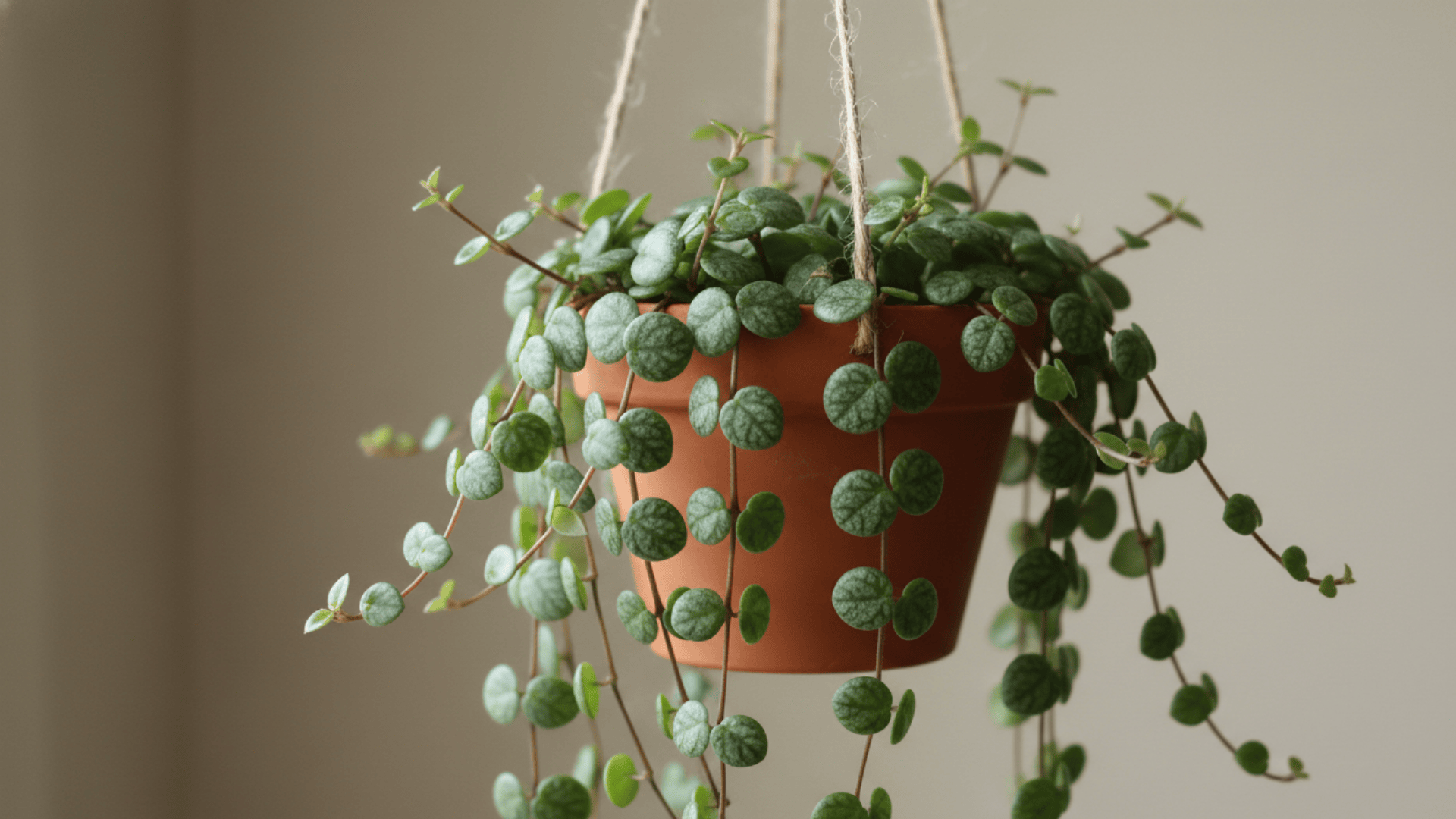
This small plant has tiny, round leaves that look like little buttons. It stays compact and works perfectly in smaller hanging pots.
| Feature | Details |
|---|---|
| Light Preference | Low to medium indirect light |
| Watering | Every 10 to 14 days, water thoroughly |
| Care Level | Easy, low maintenance |
| Growth Pattern | Compact trailing stems with round leaves |
| Soil Type | Well-draining, slightly acidic soil |
6. Asparagus Fern (Asparagus setaceus)
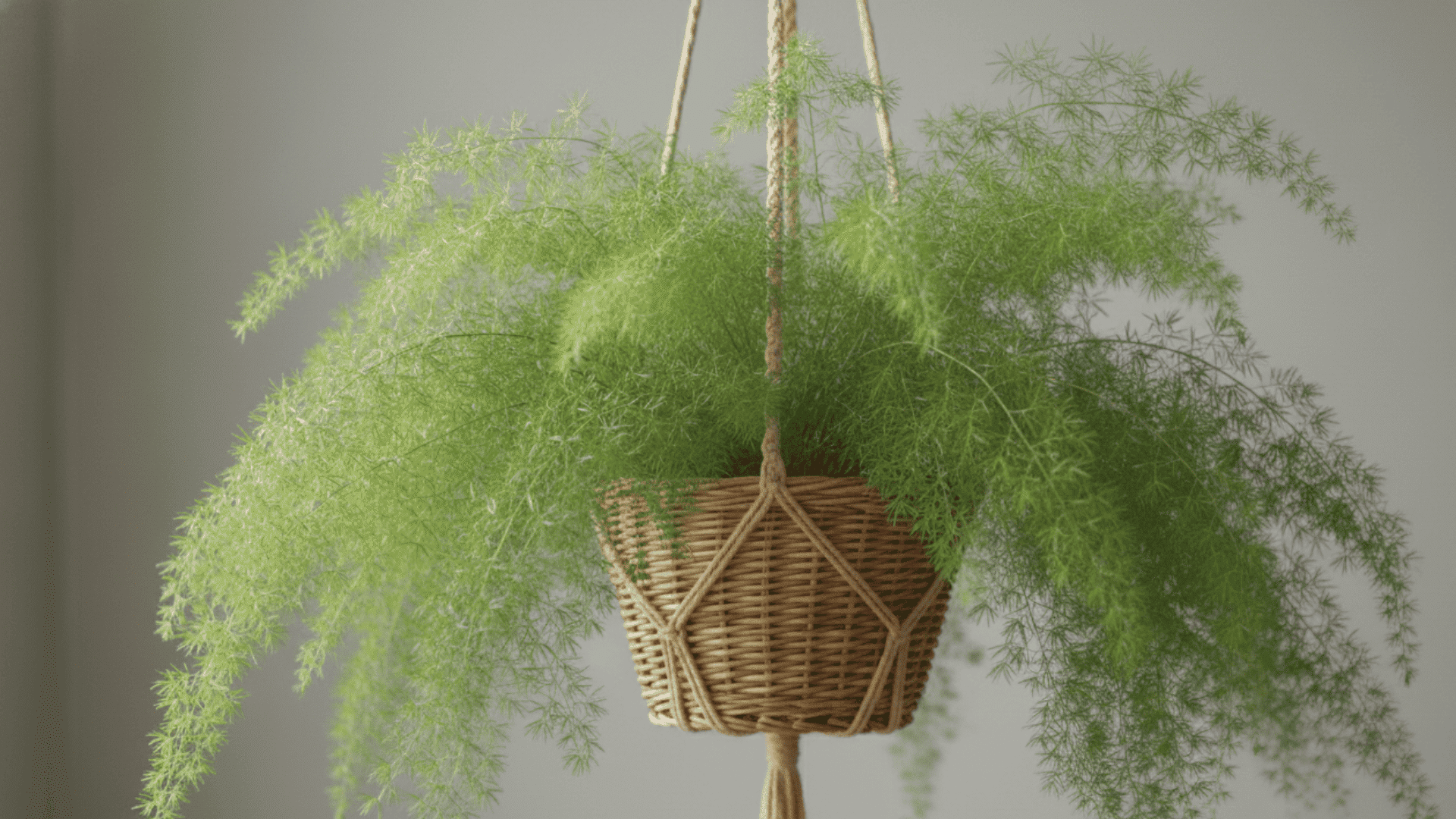
The soft, feathery foliage gives your space a light and airy feel. Despite its name, this is not a true fern but still loves humidity.
| Feature | Details |
|---|---|
| Light Preference | Low to bright indirect light |
| Watering | When the top inch of soil dries out |
| Care Level | Moderate, needs humidity |
| Growth Pattern | Delicate cascading feathery fronds |
| Soil Type | Rich, well-draining potting mix |
7. Snake Plant (Sansevieria trifasciata)
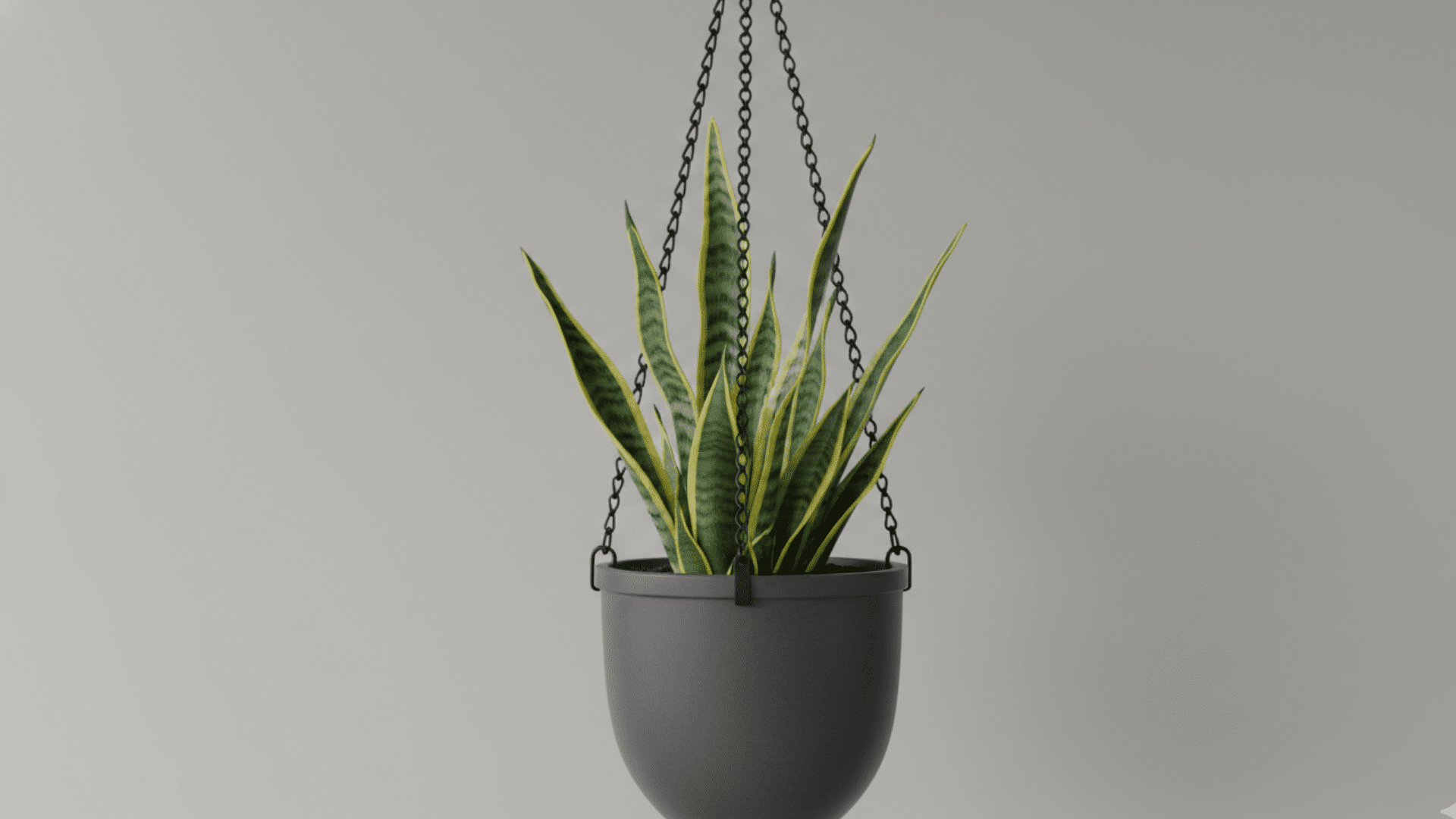
Snake plants are nearly impossible to kill, making them ideal for busy people. They can go weeks without water and still look healthy.
| Feature | Details |
|---|---|
| Light Preference | Low to bright light, very adaptable |
| Watering | Every 2 to 3 weeks, let the soil dry completely |
| Care Level | Very easy, survives neglect |
| Growth Pattern | Upright leaves with slight arching |
| Soil Type | Cactus or succulent mix for drainage |
8. String of Pearls (Senecio rowleyanus)
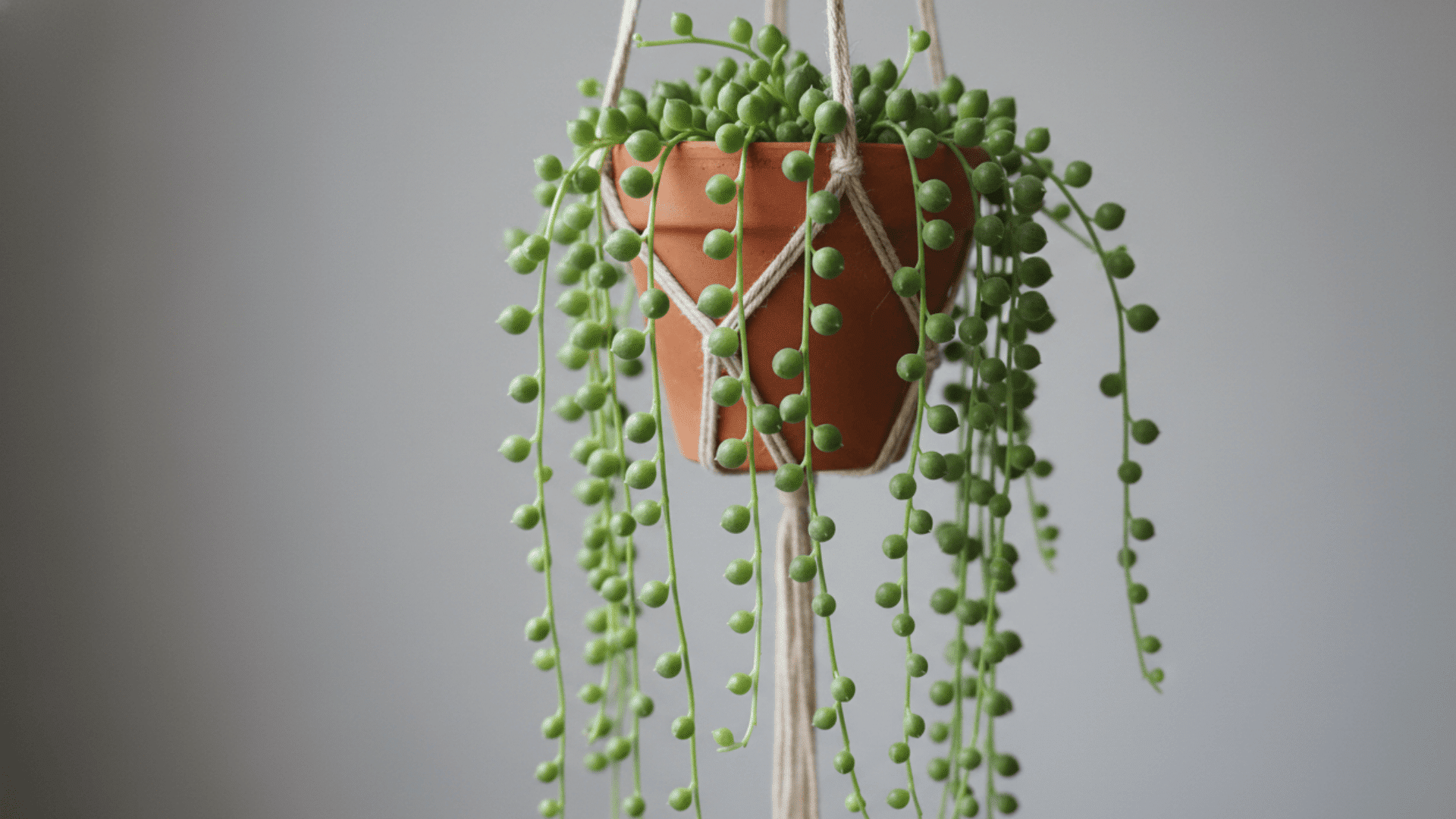
The bead-shaped leaves cascade down like a green necklace. This plant looks best when the pearls drape over the edge of the pot.
| Feature | Details |
|---|---|
| Light Preference | Medium to bright indirect, tolerates low light |
| Watering | Every 2 weeks, let the soil dry between watering |
| Care Level | Moderate, sensitive to overwatering |
| Growth Pattern | Trailing stems with bead-like leaves |
| Soil Type | Cactus mix or sandy, well-draining soil |
9. Rattlesnake Plant (Calathea lancifolia)
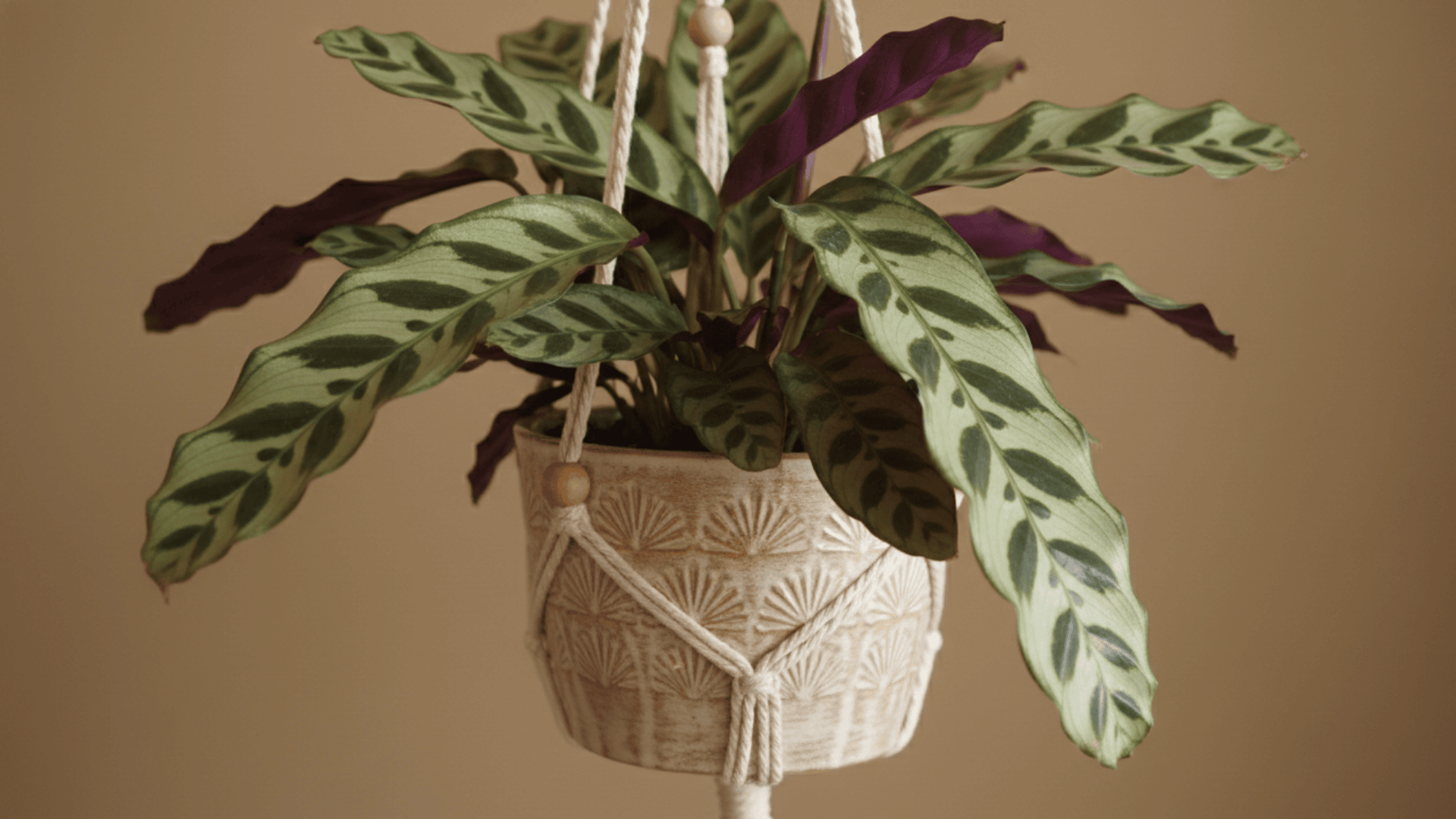
The patterned leaves move up at night and down during the day. This plant adds movement and interest to any dim corner.
| Feature | Details |
|---|---|
| Light Preference | Low to medium indirect light |
| Watering | Every 5 to 7 days, keep the soil moist |
| Care Level | Moderate, needs consistent moisture |
| Growth Pattern | Upright leaves with a slight trailing habit |
| Soil Type | Moist, peat-based potting mix |
10. Baby’s Tears (Soleirolia soleirolii)

This plant creates a soft, carpet-like appearance with tiny leaves. It looks delicate but grows quickly when given proper moisture.
| Feature | Details |
|---|---|
| Light Preference | Low to medium indirect light |
| Watering | Keep consistently moist, water frequently |
| Care Level | Moderate, needs high humidity |
| Growth Pattern | Dense mat forming with tiny leaves |
| Soil Type | Rich, moisture-retaining potting soil |
11. Chinese Evergreen (Aglaonema commutatum)
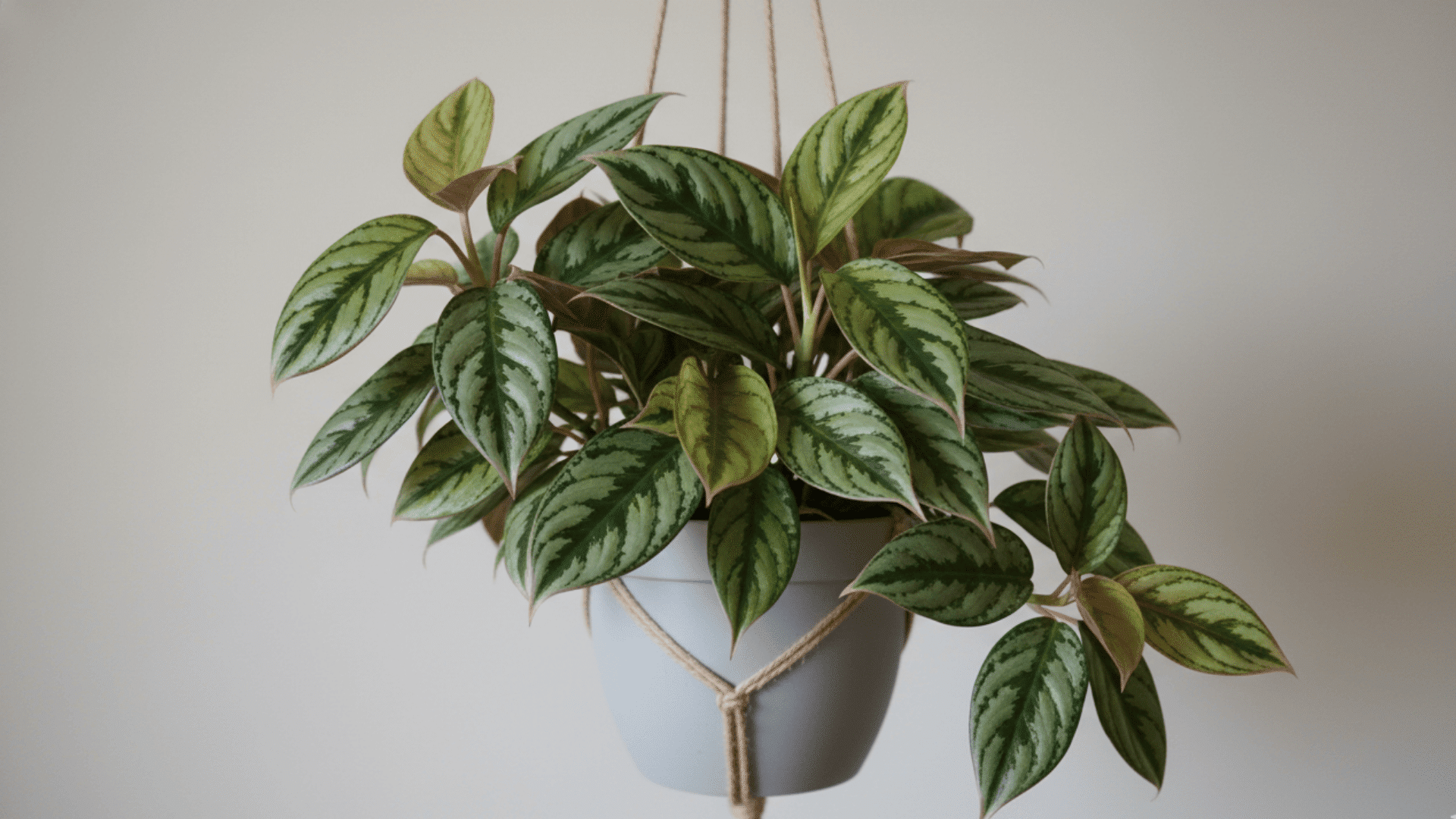
Chinese Evergreen comes in many colors from green to pink and red. It cleans the air while looking beautiful in your home.
| Feature | Details |
|---|---|
| Light Preference | Low to medium indirect light |
| Watering | Every 7 to 10 days, let top soil dry |
| Care Level | Easy, very forgiving |
| Growth Pattern | Upright bushy growth with a trailing effect |
| Soil Type | Well-draining standard potting mix |
12. Wax Plant (Hoya carnosa)
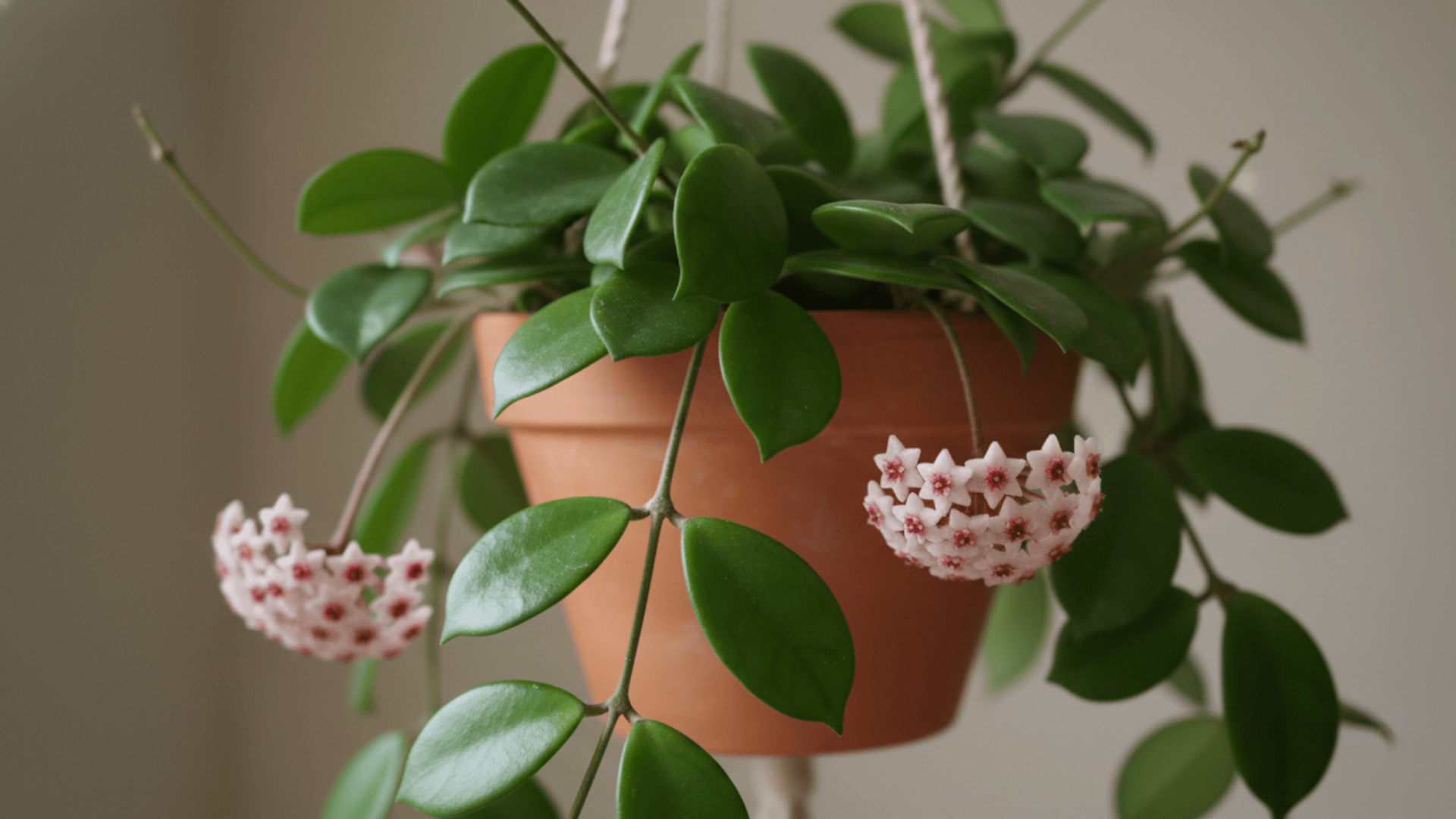
The thick, waxy leaves store water, making this plant forgiving if you forget to water. When it blooms, the flowers smell sweet and look like little stars.
| Feature | Details |
|---|---|
| Light Preference | Low to bright indirect light |
| Watering | Every 10 to 14 days, let the soil dry out |
| Care Level | Easy, very forgiving |
| Growth Pattern | Trailing vines with clusters of leaves |
| Soil Type | Well-draining orchid or succulent mix |
Where to Place Low-Light Hanging Plants in Your Home?
Once you choose your low-light hanging plants, the next step is finding the perfect spot to display them.
- Bathrooms with Windows: Hang your plants near bathroom windows where they get moisture from showers and soft natural light.
- Living Rooms with Indirect Light: Place them in corners away from windows or on walls that face north for steady indirect lighting.
- Offices with Fluorescent Lighting: Fluorescent lights work well for low-light hanging plants, making offices an ideal location for greenery.
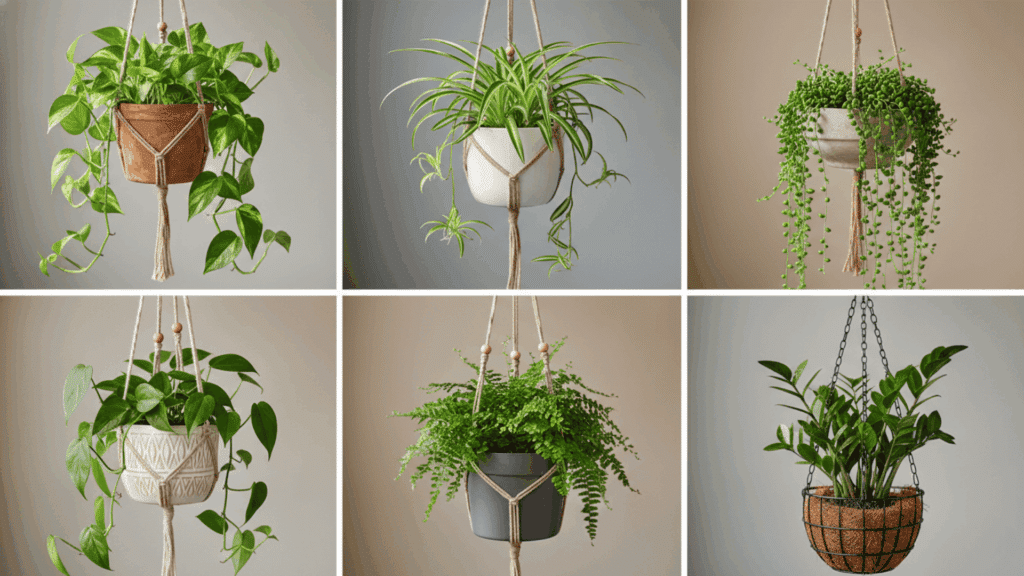
- Macrame Hangers: Use macrame plant hangers to add texture and a bohemian feel while saving floor space.
- Clusters at Different Heights: Group multiple plants at varying heights to create visual interest and fill empty wall space effectively.
Final Thoughts
Low-light hanging plants are the perfect solution for bringing greenery into every corner of your home. You don’t need a sun-filled space to enjoy beautiful trailing vines and lush foliage.
From the easy-care Golden Pothos to the charming String of Pearls, there’s a plant for every skill level and room type.
Remember, low light doesn’t mean no light, so find spots with some natural or artificial brightness. Start with one or two plants and watch how they transform your space.
Which low-light hanging plant will you try first? Share your favorites in the comments below, and don’t forget to check out our other plant care guides for more tips!