

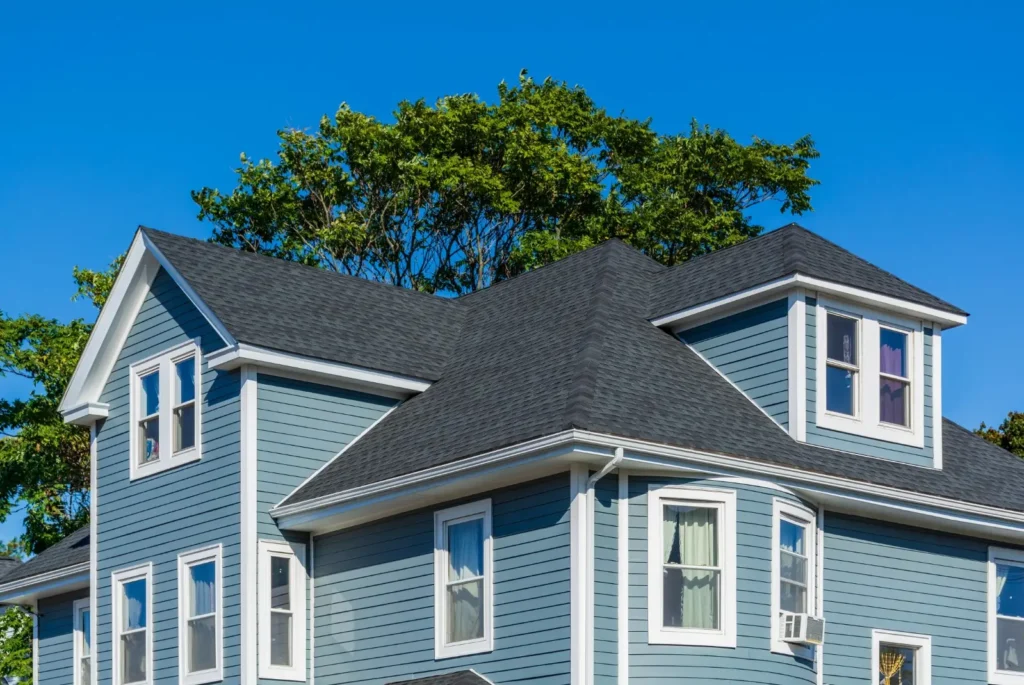
Many homeowners think of roofing, siding, and windows as separate parts of their home. Each is often repaired, replaced, or upgraded independently based on visible wear or immediate need.
However, these exterior elements are not isolated features. They function together as a single protective system known as the building envelope. When they are designed, installed, and maintained to work in coordination, they provide stronger protection, better energy efficiency, and longer-lasting performance.
Understanding how roofing, siding, and windows operate as one integrated system helps homeowners make smarter renovation decisions and avoid costly problems in the future.
Understanding the Building Envelope
The building envelope refers to the physical barrier between a home’s interior and the outside environment. It includes the roof, exterior walls, windows, doors, insulation layers, and weather-resistant barriers. Its primary purpose is to control the flow of air, moisture, and heat.
Roofing protects against precipitation, sunlight, and extreme weather conditions from above. Siding shields exterior walls from moisture intrusion and environmental damage. Windows allow light and ventilation while maintaining insulation and weather protection.
When these components work together properly, they create a continuous protective shell that keeps indoor environments comfortable and stable regardless of outside conditions.
Why Coordination Matters
Exterior systems must connect seamlessly to perform effectively. The areas where roofing meets siding or where windows intersect with wall assemblies are particularly vulnerable to water leaks, air infiltration, and structural deterioration.
According to the United States Department of Energy, uncontrolled air leakage through poorly sealed exterior components can account for up to 30 percent of a home’s heating and cooling energy loss. This loss often occurs at connection points between roofing, siding, and windows.
Proper coordination ensures these transitions are sealed correctly using flashing, insulation, and weather barriers that prevent gaps and weak points.
The Role of Roofing in the System
The roof serves as the first line of defense against environmental elements. It directs rainwater away from the structure, shields against UV radiation, and helps regulate temperature through ventilation systems.
Modern roofing systems include underlayment layers, ice and water shields, and ventilation features that improve moisture control and thermal performance. These elements must integrate with siding and window flashing systems to prevent water intrusion.
If roofing installations are not coordinated with adjacent exterior components, water can seep behind siding or around window frames, leading to hidden damage that may not be visible until significant deterioration occurs.
How Siding Supports Structural Protection
Siding acts as the protective skin of a home’s exterior walls. It protects structural framing from moisture, wind, and impact damage while also contributing to insulation performance.
High-quality siding systems include weather-resistant barriers and drainage planes that allow moisture to escape rather than becoming trapped within wall cavities. These layers must connect properly with roofing flashing and window sealing systems to maintain continuous protection.
The Building Science Corporation emphasizes that improperly integrated siding systems are a leading cause of moisture buildup inside wall assemblies, which can result in mold growth, wood rot, and insulation failure.
Windows as Critical System Components
Windows are one of the most complex elements of the building envelope. They must allow natural light and airflow while maintaining thermal efficiency and moisture protection.
Because windows penetrate exterior walls, they represent potential weak points where air and water can enter if not installed correctly. Proper flashing, sealing, and insulation around window openings are essential for maintaining a continuous building envelope.
When windows are integrated properly with siding and roofing systems, they are less likely to lose energy.
Managing Moisture as a Unified System
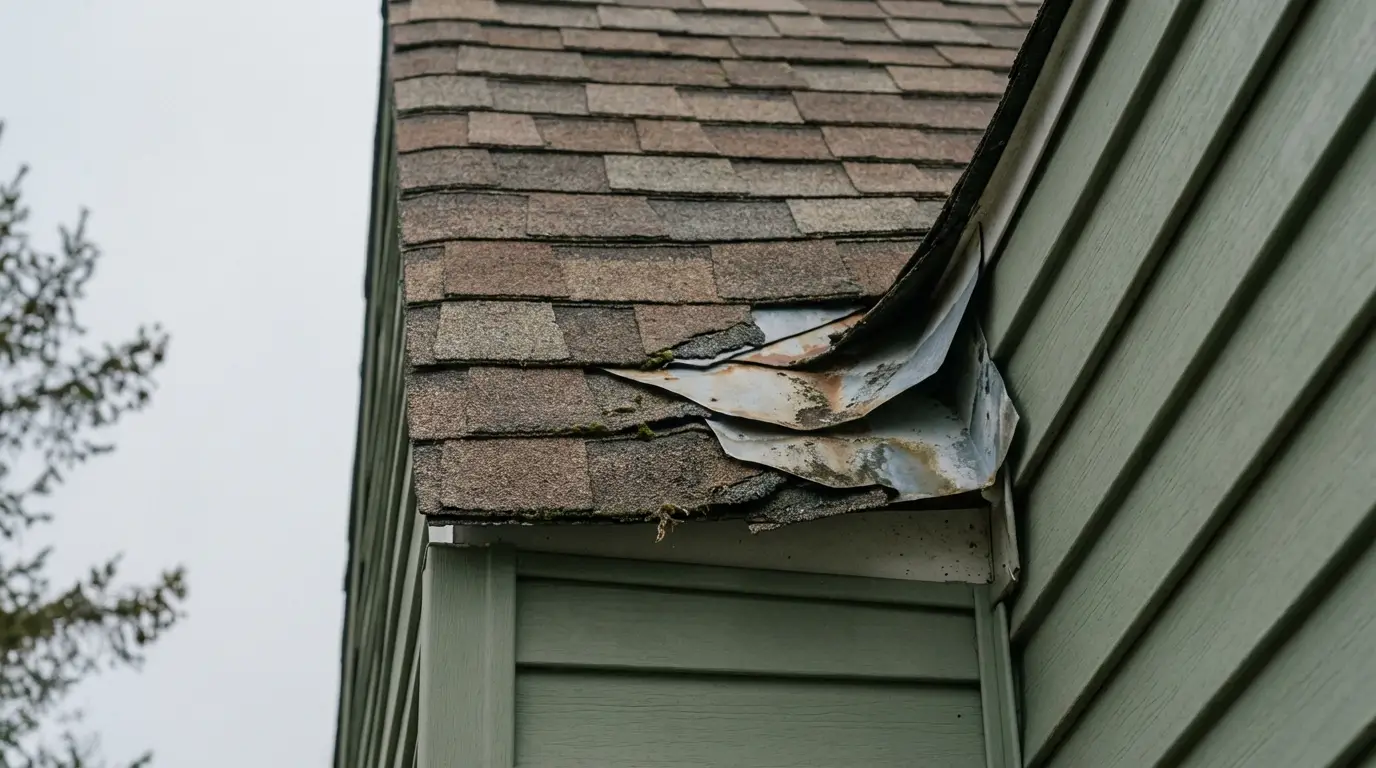
Moisture management is one of the most important reasons roofing, siding, and windows must function as one system. Water intrusion can lead to structural damage, mold growth, and costly repairs.
Effective moisture control relies on layered protection. Roofing directs water downward, siding channels it away from walls, and window flashing prevents leaks at openings. These layers must overlap in a precise sequence to create a continuous drainage path.
The concept of “shingling” in construction refers to installing materials in overlapping layers so water naturally flows outward without penetrating the structure. When exterior systems are installed independently without coordination, this layered protection can be disrupted.
Improving Energy Efficiency Through Integration
Energy efficiency improves significantly when exterior components function as an integrated system. Air leaks, thermal gaps, and insulation inconsistencies often occur when roofing, siding, and windows are upgraded separately.
Coordinated installations allow contractors to create a continuous air barrier that minimizes energy loss. Insulated siding can align with attic insulation systems, while energy efficient windows complement roofing ventilation strategies.
Enhancing Structural Durability
When exterior systems work together, they distribute environmental stress more effectively across the structure. Roofing materials absorb impact from rain and debris, siding resists wind pressure, and windows provide structural reinforcement at openings.
If one component fails or is improperly installed, it can place additional strain on adjacent systems. For example, roof leaks can saturate siding materials, while poorly sealed windows can allow moisture to infiltrate wall cavities.
Coordinated installations strengthen the overall durability of the building envelope, reducing the likelihood of premature failure.
Boosting Indoor Comfort
A well integrated exterior system contributes significantly to indoor comfort. Proper insulation and sealing reduce drafts, maintain consistent indoor temperatures, and minimize humidity fluctuations.
Homeowners often notice improved comfort immediately after upgrading roofing, siding, and windows together. Rooms feel warmer in winter, cooler in summer, and quieter due to enhanced sound insulation.
These improvements enhance overall quality of life while reducing reliance on heating and cooling systems.
Increasing Property Value
Exterior condition plays a major role in a home’s market value and buyer appeal. A well maintained building envelope signals strong structural integrity and energy efficiency.
According to industry reports, exterior renovations such as roofing replacement, siding upgrades, and new windows consistently rank among the highest return on investment home improvements.
When completed together, these upgrades create a cohesive appearance that enhances curb appeal and buyer confidence.
Simplifying Maintenance and Repairs
An integrated exterior system is easier to maintain over time. When roofing, siding, and windows are installed simultaneously, they typically share similar lifespans and maintenance requirements.
Routine inspections can evaluate the entire building envelope rather than focusing on isolated components. This proactive approach helps identify potential issues early, reducing repair costs and extending system longevity.
Environmental Benefits of Integrated Systems
Coordinated exterior systems also provide environmental advantages. Improved energy efficiency reduces greenhouse gas emissions associated with heating and cooling. Modern materials often include recycled content and sustainable manufacturing practices.
Upgrading multiple exterior components simultaneously also reduces construction waste and transportation emissions compared to separate renovation projects.
The Department of Energy highlights that building envelope improvements play a critical role in reducing residential energy consumption and supporting environmental sustainability.
Planning a Unified Exterior Strategy
Homeowners considering exterior upgrades should begin with a comprehensive evaluation of their building envelope. Professional inspections can identify areas where roofing, siding, and windows may not be working together effectively.
Planning upgrades as a coordinated system ensures proper sequencing, material compatibility, and long-term performance. Working with experienced professionals who understand building envelope science is essential for achieving optimal results.
Conclusion: One System, Stronger Protection
Roofing, siding, and windows are not independent features but interconnected components of a single protective system. When they function together as a unified building envelope, they provide superior protection against weather, improve energy efficiency, enhance structural durability, and increase property value.
Treating these elements as one coordinated system allows homeowners to maximize performance while minimizing long term costs and maintenance challenges.
If you are considering exterior upgrades, working with professionals who understand how to integrate roofing, siding, and windows can make all the difference. Schedule a free estimate now.