

Raising kids solo? It’s hard work, and nobody prepares you for it.
Single mothers handle everything from scraped knees to unpaid bills. They work full-time, parent full-time, and somehow keep everything running. But society loves to judge instead of help.
The pressure is real. The exhaustion is constant. But here’s what matters: understanding your rights, managing your challenges, and knowing you can do this.
This guide covers what it really means to be a single mother, the challenges you’ll face, how it affects your kids, your legal rights, and practical tips to make life easier.
Plus, we’ll show you how to find support from women who get it.
What is a Single Mother?
A single mother is a woman raising one or more children on her own. She handles parenting duties without a spouse or partner by her side. This situation can happen for many reasons.
Some women become single mothers after divorce or separation. Others lose their partners due to death. Some choose single motherhood through adoption or planned pregnancy.
These mothers take on both parenting roles. They provide emotional care, financial support, and daily guidance. The job comes with unique challenges. But millions of women do it successfully every day.
Single Mother vs. Single Parent
While the terms sound similar, there is a key difference. A single mother is a woman raising children alone. A single parent is a broader term. It includes both mothers and fathers who parent solo. Here’s how they compare:
| Aspect | Single Mother | Single Parent |
|---|---|---|
| Gender | Female | Can be male or female |
| Parenting Role | Handles all child care and decisions | Handles all child care and decisions |
| Common Challenges | Balances work, childcare, and household tasks; may face wage gaps | Similar responsibilities, but experiences vary by gender |
| Social Perception | Often judged more harshly by society | Faces stigma, but perceptions differ based on gender |
| Support Networks | May rely on family, friends, and community programs | Uses similar resources, but access may vary |
Both single mothers and single parents deserve recognition. They work hard to give their children stable, loving homes.
Roles and Responsibilities of a Single Mother
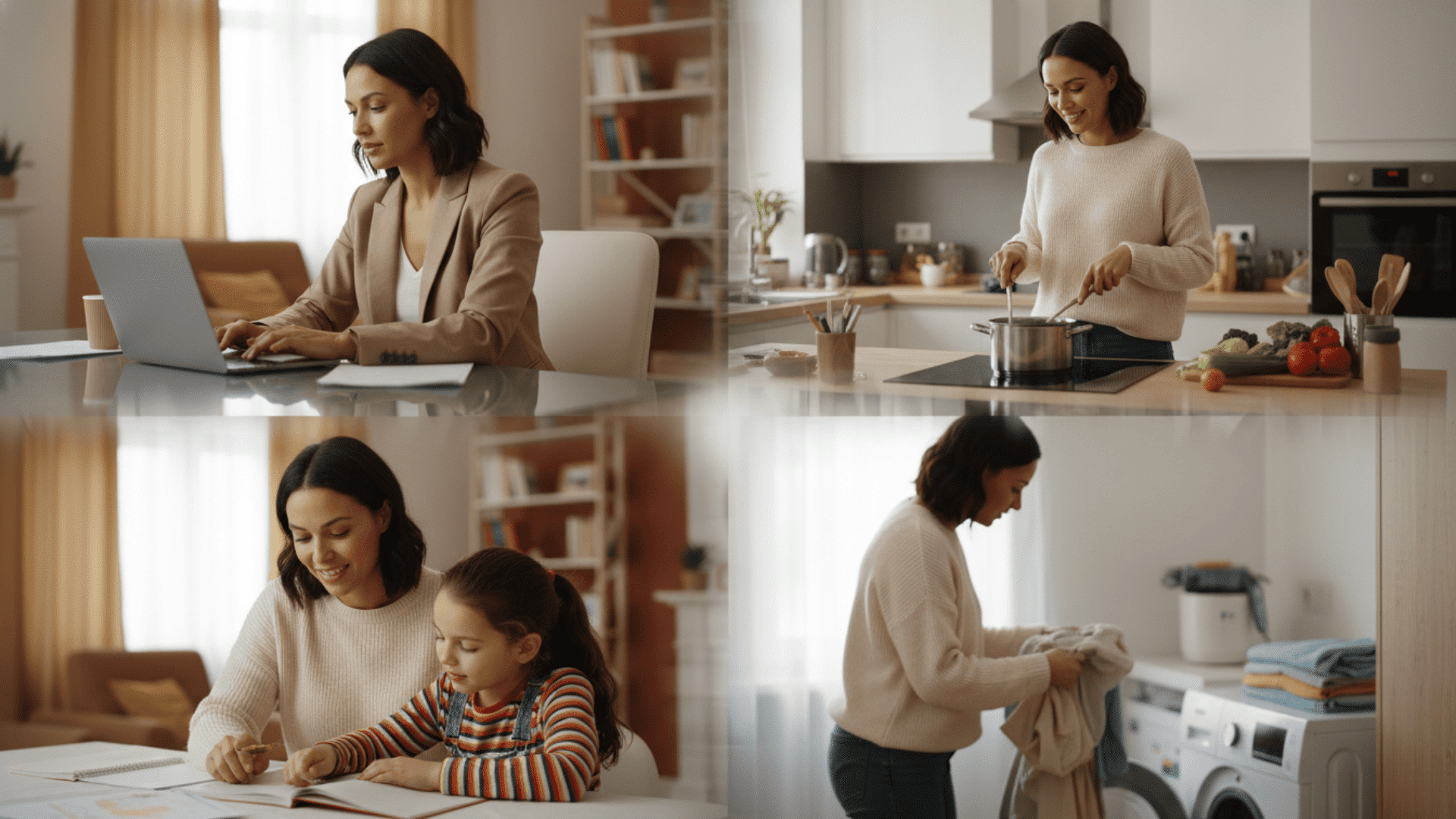
A single mother doesn’t just parent her children. She becomes their entire support system. From morning routines to bedtime stories, she manages every aspect of family life. Here are six key roles she fills every single day:
- Primary Caregiver: She takes care of her child’s health, emotions, and daily needs without sharing the load.
- Financial Provider: She earns money to pay for housing, food, clothing, healthcare, and education for her family.
- Disciplinarian: She sets rules, enforces consequences, and teaches values while keeping her bond with her child strong.
- Educator: She helps with homework, answers questions, and guides her child’s learning both in and out of school.
- Emotional Support: She listens to her child’s worries, celebrates their wins, and creates a safe space for honest feelings.
- Household Manager: She handles cooking, cleaning, laundry, grocery shopping, and all other tasks that keep a home running smoothly.
Challenges Faced by Single Mothers
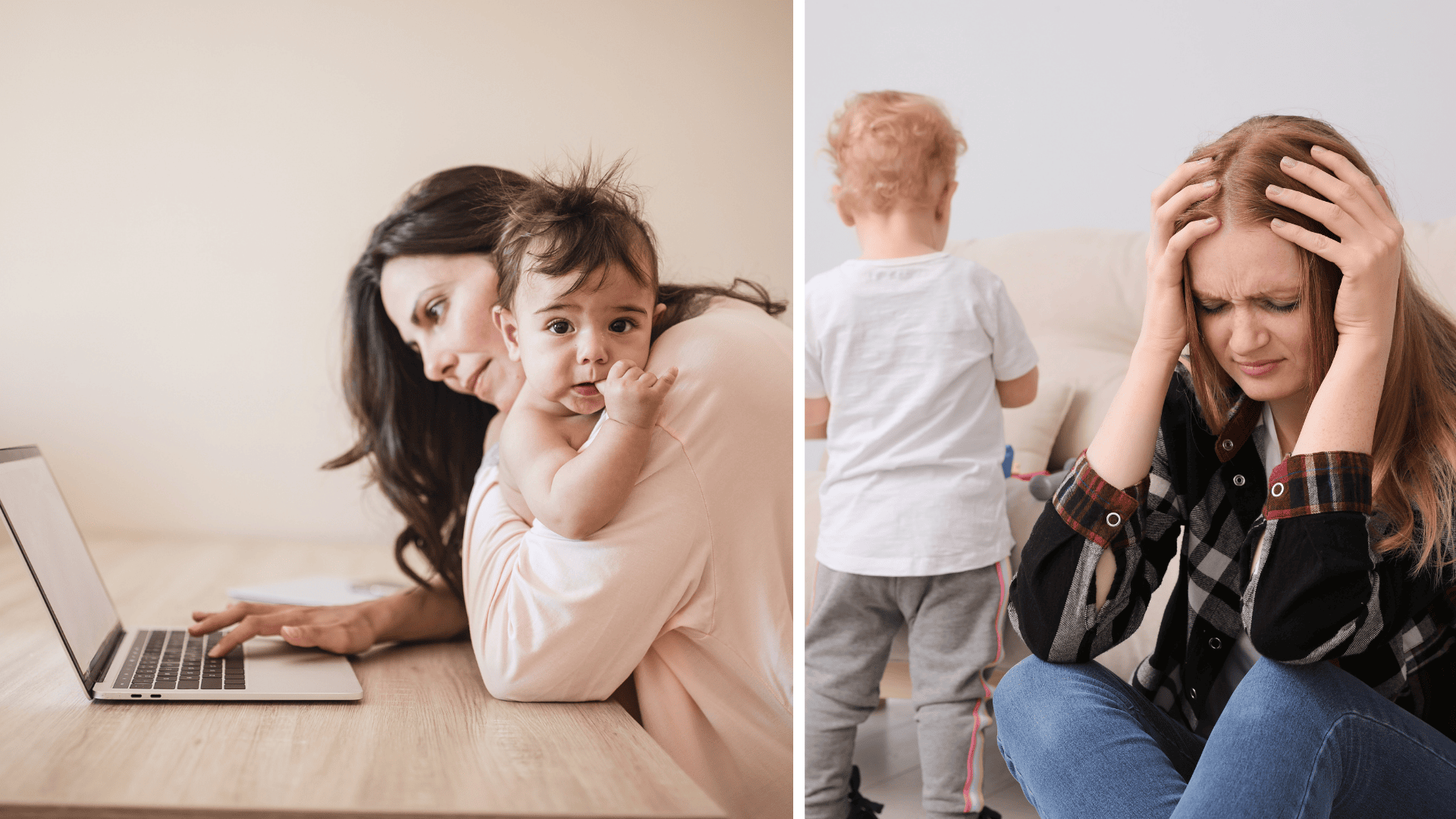
Raising children alone is not easy. Single mothers face obstacles that can feel overwhelming at times. They juggle multiple responsibilities without a partner to share the load. Here are five major challenges they deal with regularly:
1. Financial Struggles
Single mothers are often the only ones bringing in money. One income must cover rent, utilities, food, childcare, and school expenses. Many struggle to save for emergencies. Some work multiple jobs just to make ends meet. The stress of paying bills never really goes away.
Key struggles include:
- Living paycheck to paycheck with no savings buffer
- High childcare costs that eat up a large portion of income
- Limited career growth due to inflexible work schedules
- Difficulty affording healthcare and insurance for the family
2. Time Management
There are only 24 hours in a day. Single mothers must fit work, parenting, housework, and errands into that time. Personal needs often get pushed aside. Sleep becomes a luxury. Many feel stretched too thin trying to do everything alone.
Daily time pressures:
- Rushing between school drop-offs and work commitments
- No partner to split evening routines or bedtime duties
- Little to no time for hobbies, exercise, or friendships
- Constant exhaustion from managing every task solo
3. Emotional Support
Parenting is emotionally demanding. Without a co-parent, single mothers carry this burden alone. They have no one to vent to at the end of hard days. Feelings of isolation and loneliness are common. Guilt about not doing enough can weigh heavily.
Emotional challenges:
- No partner to share parenting decisions or concerns with
- Feeling alone in celebrating milestones or handling crises
- Guilt about working long hours or missing school events
- Stress from being the only adult their child depends on
4. Lack of Support System
Not all single mothers have family or friends nearby. Some face judgment instead of help from their community. Finding reliable childcare or someone to call in emergencies is difficult. This isolation makes every challenge feel bigger.
Support gaps:
- Limited access to family help with childcare or finances
- Difficulty finding trustworthy people for emergencies
- Facing criticism or stigma from society
- No backup when sick or needing a break
5. Mental and Physical Health
Single mothers often neglect their own well-being. They put their children first always. This leads to burnout, anxiety, and health problems. Regular checkups get skipped. Mental health needs go unaddressed. The result is exhaustion that affects the whole family.
Health concerns:
- Chronic stress leading to anxiety and depression
- Skipping medical appointments due to time or cost
- Poor sleep quality affects physical health
- No time for self-care or stress relief activities
Impact of Single Motherhood on Children

Growing up with a single mother shapes children in different ways. The experience can present challenges but also build valuable life skills. Every child’s outcome depends on many factors, including their mother’s support, financial stability, and available resources. Here’s how single motherhood can affect children:
1. Emotional Adjustment
Children may feel sadness or confusion about not having both parents at home. Some experience anxiety about their family being different from others.
They might worry about their mother’s stress or financial struggles. However, with open communication and emotional support, many children adjust well.
2. Academic Performance
School success can be affected when a single mother works long hours. Less time for homework help or school involvement may impact grades.
Financial stress can also limit access to tutors or educational resources. But many single mothers prioritize education despite obstacles. Their determination often motivates children to work harder and value learning.
3. Behavioral Issues
Some children act out due to stress or the absence of a parent. They may have trouble following rules or controlling emotions. Boys without father figures sometimes struggle with behavior more than others.
Early intervention and consistent discipline help prevent long-term problems. Support from teachers, counselors, and family members makes a big difference.
4. Resilience and Independence
Children of single mothers often develop strong coping skills early. They learn to be responsible and help around the house. Many become mature beyond their years and highly independent.
Watching their mother handle challenges teaches them perseverance. These children often grow into capable, self-reliant adults who face obstacles with confidence.
5. Relationship Skills
Children form their view of relationships based on what they see at home. Some may idealize having two parents, while others may fear commitment. Others learn that families come in different forms, and that’s okay.
They often develop a deep respect for strong women and an understanding of hard work. Their perspective on love and partnership may be more realistic and less traditional.
Emotional Experiences of Single Mothers

Single motherhood comes with intense emotions. Some days are filled with joy and accomplishment. Other days bring stress and overwhelming feelings. Here’s what many single mothers experience emotionally:
1. Loneliness
Single mothers often feel alone in their parenting role. Without a partner to share moments with, isolation creeps in. This affects their emotional well-being over time.
Common feelings of loneliness:
- No adult conversation or companionship at home afterthe kids sleep
- Missing someone to celebrate small wins or vent frustrations to
- Feeling disconnected from friends who have partners or different lifestyles
- Eating meals alone while children are at school or asleep
- Making all decisions solo without input or validation
- Craving emotional intimacy that’s hard to find with limited time
- Social isolation due to a lack of time for dating or friendships
2. Guilt
Guilt is a constant companion for many single mothers. They worry about not doing enough for their children. This feeling can be mentally draining and hard to shake.
Sources of guilt:
- Working long hours and missing important moments in their child’s life
- Not affording toys, trips, or experiences that other kids have
- Feeling like their child is missing out on a two-parent home
- Being too tired or stressed to be fully present
- Saying no to requests due to money or time constraints
- Comparing themselves to other parents who seem to have it easier
- Worrying that their child will resent them for the family situation
3. Resilience
Despite hardships, single mothers show remarkable strength. They adapt, survive, and often thrive against the odds. Their resilience inspires their children and those around them.
Signs of resilience:
- Finding creative solutions to problems with limited resources
- Bouncing back from setbacks and continuing to push forward
- Building strong bonds with their children through shared experiences
- Developing independence and confidence in their abilities
- Creating stable, loving homes despite external pressures
- Pursuing education or career growth while raising children
- Teaching children valuable lessons about perseverance and strength
Legal Rights of Single Mothers
Single mothers are entitled to custody and financial support for their children. The court system works to protect both the mother’s rights and the child’s best interests. Here are the key legal rights every single mother should know:
| Legal Right | Explanation |
|---|---|
| Custody Rights | Single mothers can request sole custody or agree to shared custody arrangements |
| Child Support | The other parent must contribute money for the child’s food, clothing, healthcare, and education |
| Visitation Rights | The non-custodial parent gets scheduled time with the child unless safety concerns exist |
| Medical Decisions | Custodial mothers can make healthcare choices for their children |
| Educational Choices | Single mothers decide which school their child attends and educational plans |
| Legal Representation | Mothers have the right to legal counsel during custody and support proceedings |
However, having rights on paper doesn’t always mean easy enforcement. Many single mothers struggle to collect child support payments. Some face battles over custody or visitation schedules.
Court processes can be slow, expensive, and emotionally draining. Despite these obstacles, knowing your legal rights gives you the power to protect your family and seek justice when needed.
Making Life Easier: Tips for Single Mothers
Being a single mother is tough, but you don’t have to do it all perfectly. Small changes and smart choices can make your life easier and happier. Here are five practical tips to help you manage better:
- Prioritize Your Well-being: Taking care of yourself isn’t selfish; it helps you be a better mother when you’re healthy and rested.
- Set Realistic Expectations: You don’t need to be perfect; accept that some days will be messy, and that’s completely okay.
- Build a Support Network: Connect with family, friends, or other single mothers who understand your struggles and can offer help when needed.
- Manage Your Finances Wisely: Create a simple budget, track your spending, and look for assistance programs or ways to save money each month.
- Communicate openly with Your Child: talk honestly about feelings and challenges, while always reminding them they are loved and safe.
Ways to Connect with Other Single Mothers?
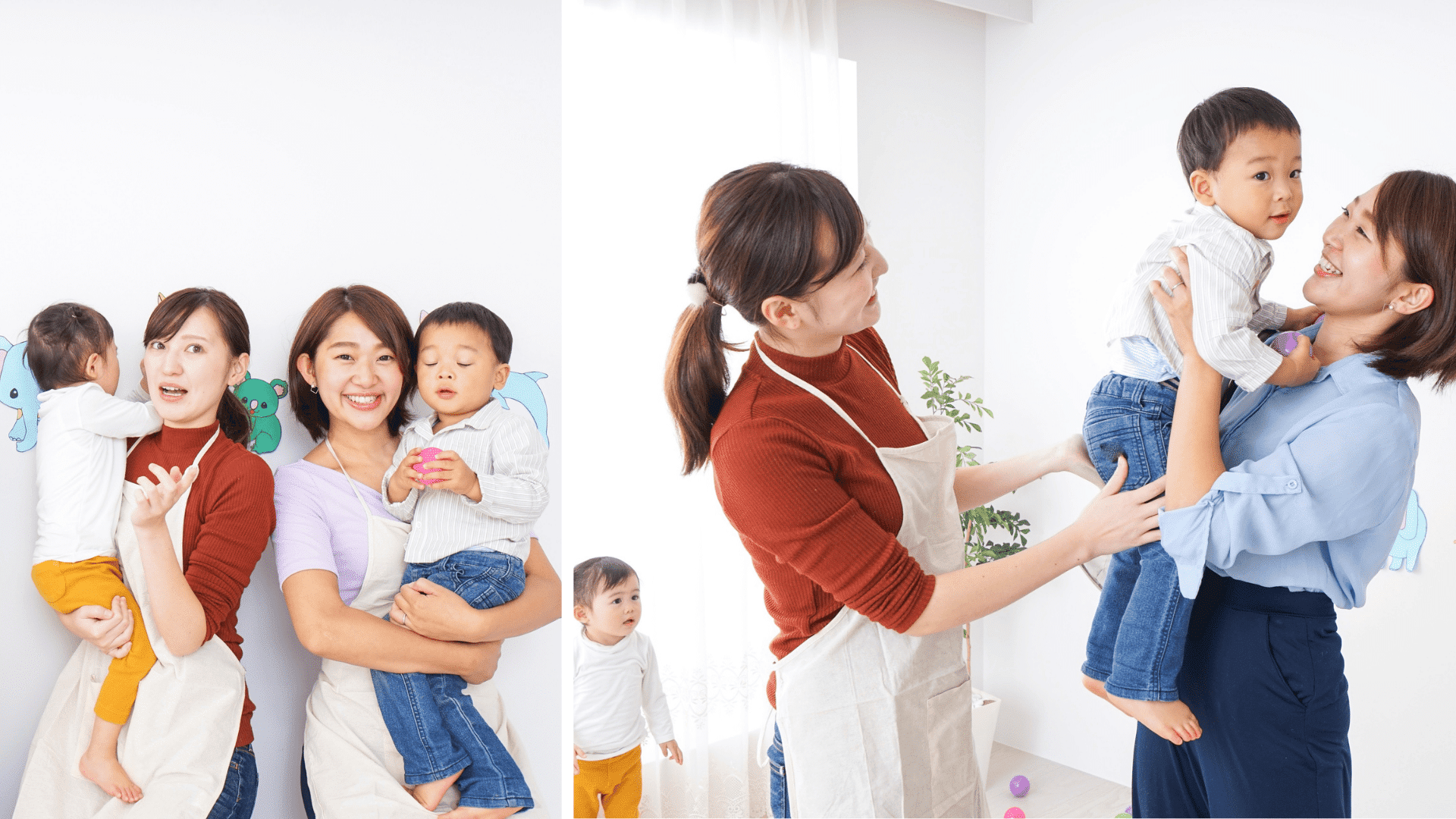
Finding other single mothers who understand your life can be life-changing. Join online forums or Facebook groups dedicated to solo parenting.
Look for local meetups or support groups in your community. Many churches, community centers, and nonprofits host gatherings for single parents. These connections offer more than friendship.
You gain advice, share resources, and realize you’re not alone. Other single mothers understand your struggles without judgment.
They celebrate your wins and offer encouragement during hard times. Building this network creates a village that helps you and your children thrive.
Summing It Up
Being a single mother is one of the toughest jobs out there. You handle finances, emotions, household tasks, and parenting all on your own.
The challenges are real, from money stress to feeling alone. But you’re also building resilience in yourself and your children.
Remember your legal rights. Use the tips we shared. Most importantly, connect with other single mothers who understand your daily reality. You don’t have to figure this out alone.
What’s your biggest challenge as a single mother? Share your experience in the comments below.
Your story might help another mom who needs to hear it today. And if you found this helpful, bookmark it for those tough days when you need a reminder of how strong you really are.