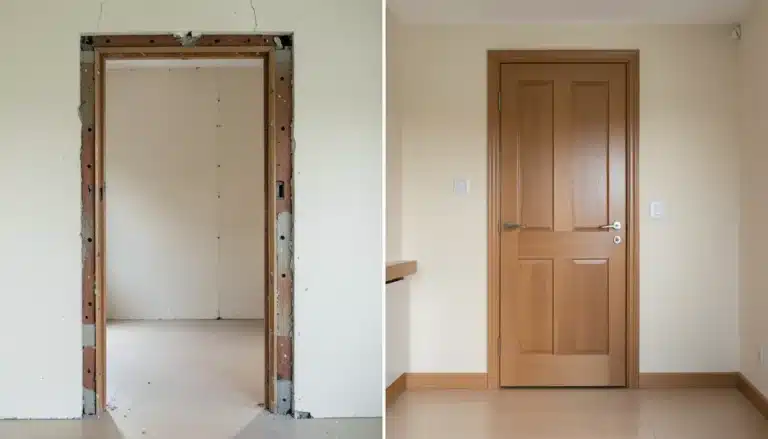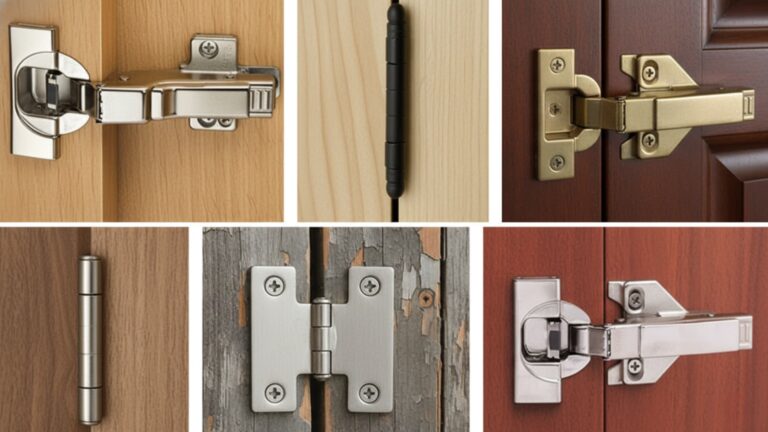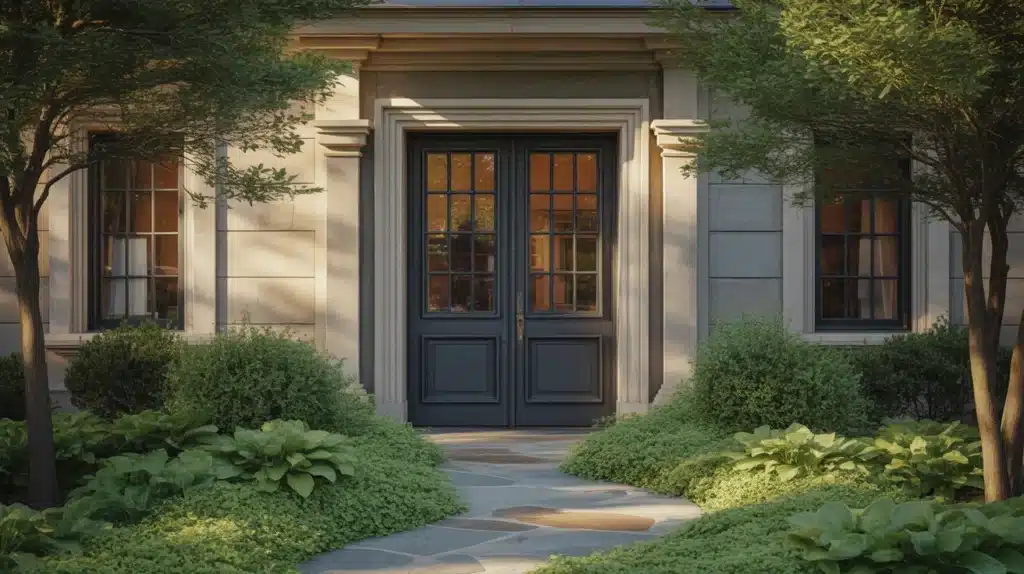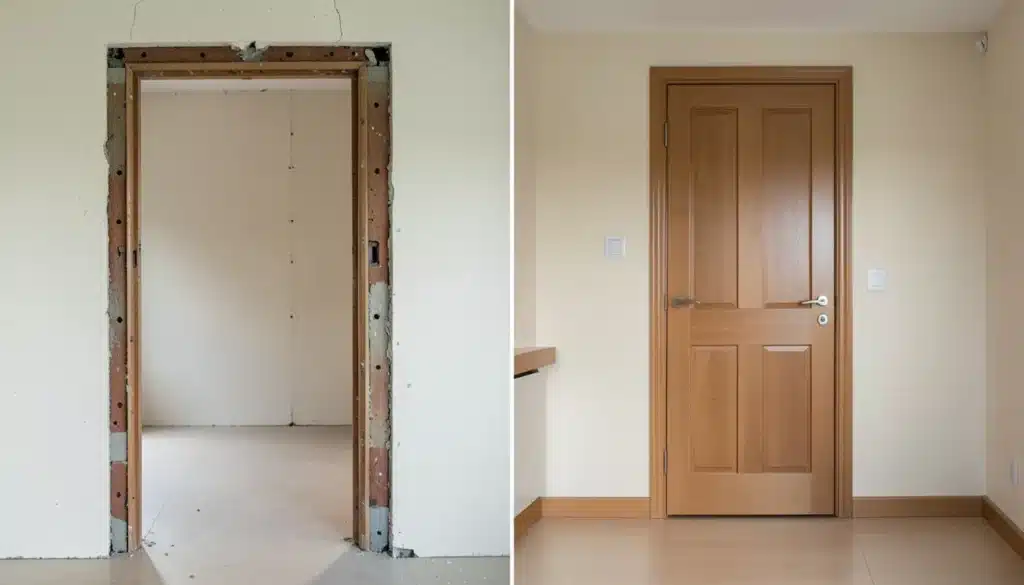

You walk up to your front door every single day. You never really stop to think about the frame holding it in place.
But when something feels off, the door sticks, cold air sneaks in, or a new door simply will not fit, you notice it fast. Door frame height is one of those quiet details that control a lot in your home.
Get it right, and everything works as it should. Get it wrong, and you are looking at extra costs and unnecessary rework.
This guide covers standard sizes, rough openings, ADA rules, building codes, and when to go custom. By the end, you will know exactly what to look for.
What Is a Door Frame?
A door frame is the fixed structure built into a wall that supports a door.
It has three main parts: the head jamb (the horizontal piece across the top), two side jambs (the vertical pieces on each side), and the threshold at the base.
Together, these parts keep the door properly aligned, secure against drafts, and able to open and close without sticking or shifting over time.
Standard Door Frame Height in the US
Most US homes follow a set standard for door frame height, and for good reason. Knowing these numbers upfront saves you time, money, and a lot of back-and-forth with suppliers.
| Door Frame Height | Inches | Where It Is Commonly Used |
|---|---|---|
| Standard | 80 in (6 ft 8 in) | Most residential homes across the US |
| Tall | 84 in (7 ft) | Homes with higher ceilings or modern builds |
| Extra Tall | 96 in (8 ft) | Luxury homes and custom construction |
Note: These are standard industry measurements, not strict legal requirements. Exact sizes can vary by manufacturer, region, and construction style.
Door Frame Height by Door Type
Not every door in your home is the same, and neither is the frame behind it. Here is a breakdown of standard door frame heights based on where each door is used.
1. Interior Doors
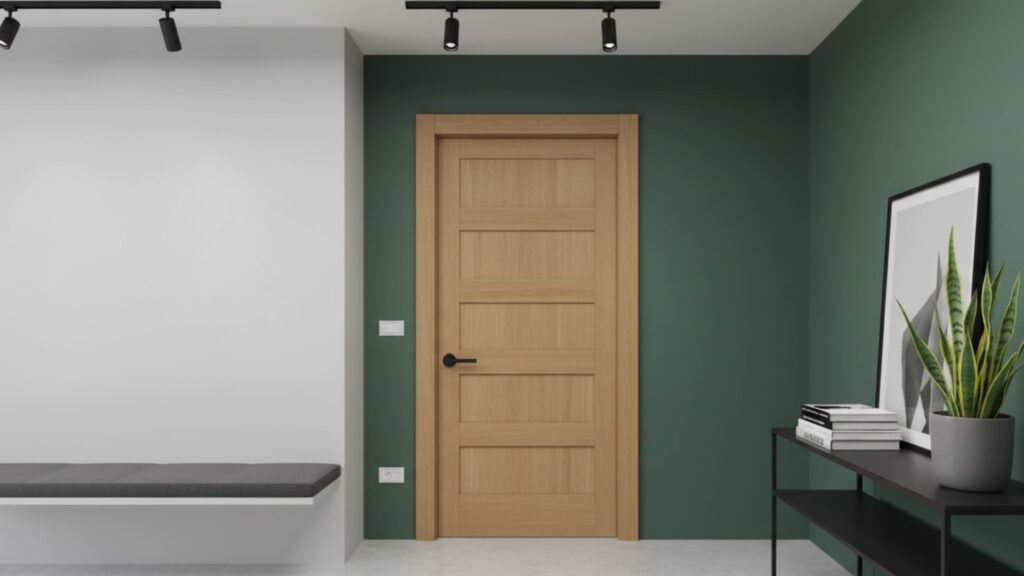
Interior door frames in most US homes stand at 80 inches tall, with widths ranging from 24 to 36 inches. Bedroom doors are typically 30 to 36 inches wide, while bathroom doors should be at least 28 inches wide for comfortable daily use.
2. Exterior Doors
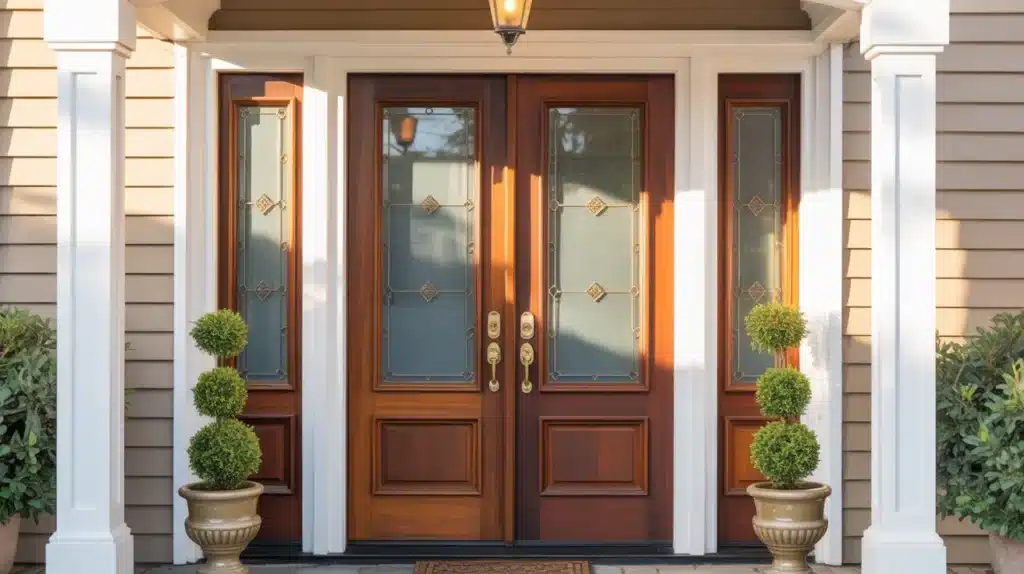
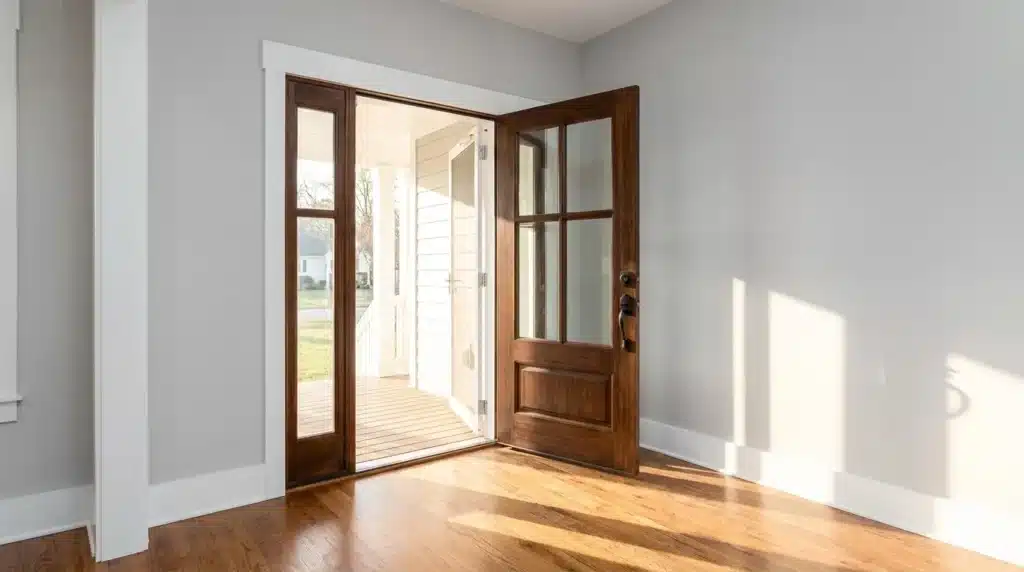
Standard exterior door frames are 80 inches tall. Newer homes and high-ceiling builds often use 96-inch or 108-inch options. Single front entry doors are most commonly 36 inches wide, though custom builds may go wider depending on the design.
3. Closet and Utility Doors
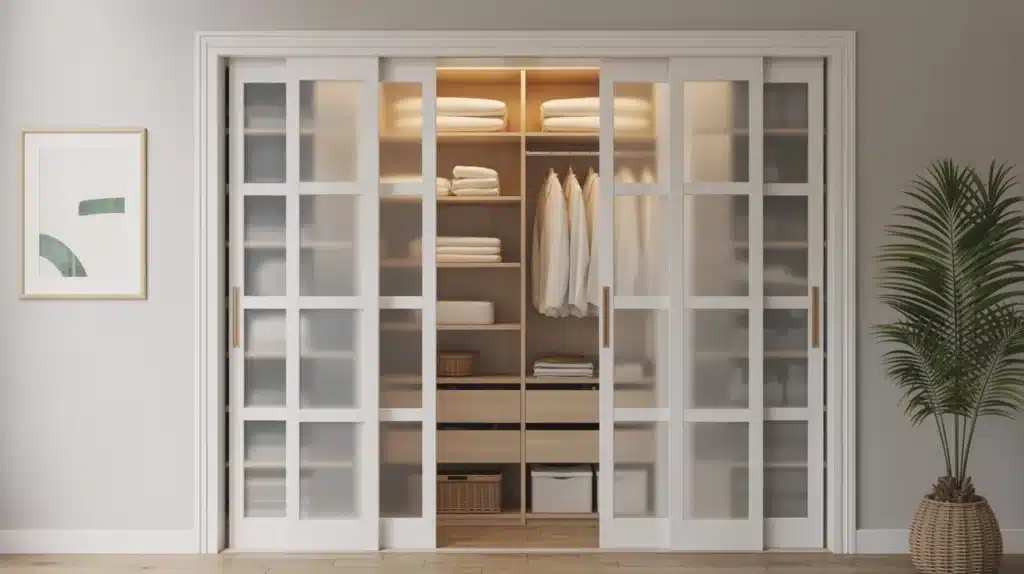
These frames match the standard 80-inch height but are narrower, typically 24 to 30 inches wide. In homes built before the 1990s, closet door frames may be as narrow as 18 inches.
4. Sliding Glass Doors
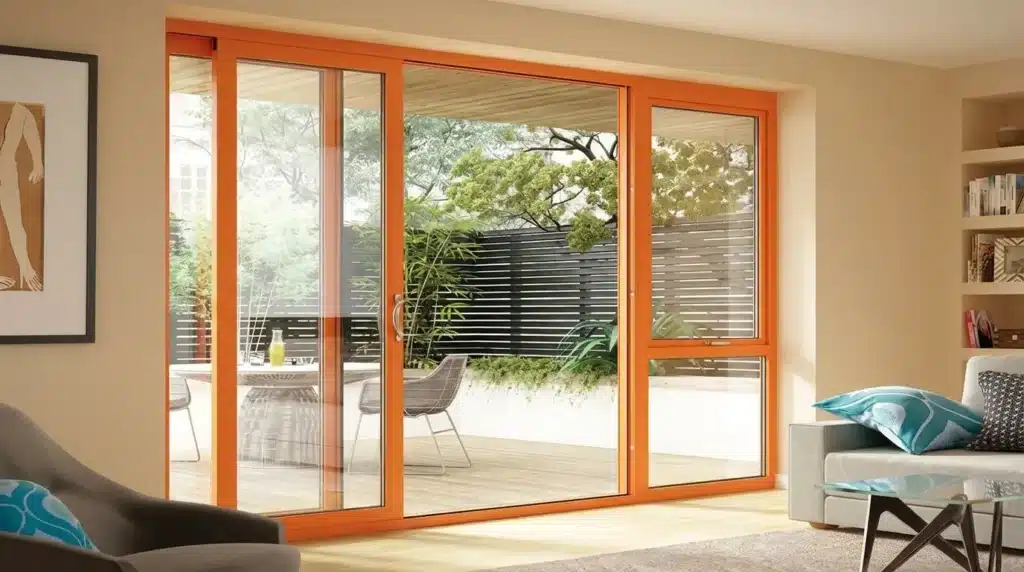
The standard height for a sliding glass door frame is 80 inches, the same as most other residential doors. Homes with higher ceilings may use 96-inch options to create a more open and connected feel between indoor and outdoor spaces.
Rough Opening vs. Actual Door Frame Height
These two measurements are not the same, and mixing them up is one of the most common mistakes in door installation. Here is a clear comparison to keep things straight.
| Measurement | What It Means | Typical Size for an 80-Inch Door |
|---|---|---|
| Rough Opening Height | The framed wall opening before the frame goes in | 82 to 82.5 inches |
| Rough Opening Width | The wall opening width before the frame is installed | Door width plus 2 inches |
| Actual Door Frame Height | The finished frame measurement after installation | 80 inches |
| Jamb Thickness | Each side jamb adds to the overall total width | Approx. 3/4 inch per side |
As a general rule, add 2 to 2.5 inches to your door height to get the correct rough opening size. This extra space handles the header, floor clearance, and shimming room needed for a proper fit.
ADA Door Frame Height and Width Requirements
If your home or building needs to meet accessibility standards, the ADA sets the minimum specs for door frames. Here is what each requirement covers at a glance.
- Minimum Clear Width: At least 36 inches to allow full wheelchair access.
- Minimum Clear Height: 80 inches of clear opening height is required throughout.
- Hardware Placement: Door handles must sit between 34 and 48 inches from the floor.
- Threshold Height: ADA limits thresholds to a maximum of 1/2 inch to reduce tripping risk.
- Maneuvering Clearance: Enough clear floor space must be present on both sides of the door for a wheelchair to turn safely.
How Ceiling Height Affects Door Frame Height
Standard 8-foot ceilings pair well with the 80-inch door frame height.
When ceiling height rises to 9 or 10 feet, an 84-inch or 96-inch door frame looks far more proportional and keeps the room feeling balanced rather than low.
In spaces with vaulted or cathedral ceilings, custom door frame heights are often the only option that truly fits the scale of the space.
How to Measure Door Frame Height the Right Way
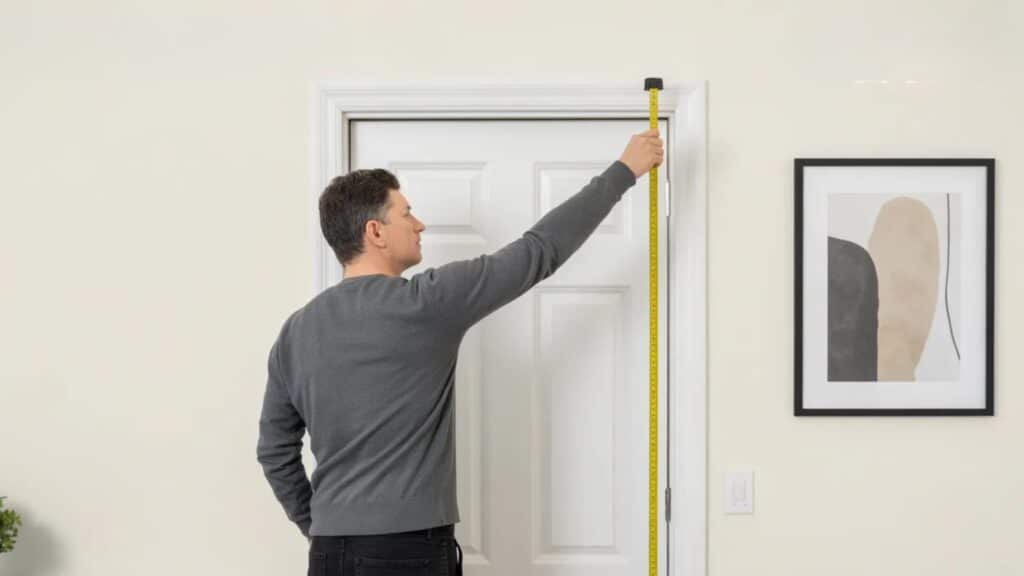
Before you order a door or plan any replacement, you need accurate measurements. Follow these steps to get the right numbers the first time.
Step 1: Measure from the Floor to the Top of the Frame
Use a tape measure to get the height from the finished floor level up to the top of the door frame. Do not measure from the subfloor, especially if new flooring is planned after installation.
Step 2: Take Three Separate Height Measurements
Measure at the left side, the center, and the right side of the opening. Use the smallest number as your working figure so the door fits without forcing or trimming.
Step 3: Measure the Width the Same Way
Measure the width at the top, middle, and bottom of the opening. Again, use the smallest number. Add 2 inches to the total to account for the jamb on each side of the frame.
Step 4: Keep the Trim Out of Your Numbers
The door trim sits outside the frame and serves only a decorative purpose. Measuring with the trim included gives you a larger number that will not reflect the true frame opening.
Step 5: Factor in New Flooring Before You Measure
If new flooring is going in after the door is installed, measure from where the finished floor will sit. This keeps the bottom clearance correct once the project is complete.
Building Codes and Door Frame Height in the US
Door frame height in the US is shaped by a mix of industry norms and formal building codes. Knowing which rules apply to your specific project helps you stay on track and avoid costly surprises later.
| Code or Standard | What It Covers | Key Requirement |
|---|---|---|
| Industry Standard | General residential door frame height | 80 inches for most homes |
| International Building Code (IBC) | Door clearance gaps | 1/8 inch at top and sides; 3/4 inch at the bottom |
| ADA Guidelines | Accessibility width and height | 36 inches wide; 80 inches tall minimum |
| Fire-Rated Door Codes | Commercial or multi-unit buildings | Min. 1 3/4 inch thickness; no field trimming allowed |
| Local Building Codes | Rules that vary by state or county | Always check with your local authority before installation |
When to Go Custom: Taller or Shorter Door Frames
Standard sizes cover the majority of homes, but some spaces genuinely need something outside the norm. Here is when it makes sense to look beyond the standard door frame height.
Go Taller When:
- Your ceiling is 9 feet or higher, and a standard 80-inch frame looks visually out of proportion.
- You are building or renovating a high-end home and want the entry to feel more grand.
- A large outdoor area calls for a taller sliding glass door to connect the two spaces.
Go Shorter When:
- A basement access door is needed, typically measuring 72 to 78 inches.
- An attic entry has sloped ceilings that physically prevent a full-height frame, usually 60 to 72 inches.
- A crawl space or utility room has structural limits that make a standard frame impossible to install.
Keep These Points in Mind:
- Custom doors cost significantly more than standard options due to specialized production and framing.
- A custom door height always means a custom frame. An existing standard frame cannot be reused for a taller or shorter door.
- Always work with a qualified professional when framing an opening for any custom door size.
Door Frame Height for Commercial Buildings
Commercial buildings typically follow the same 80-inch standard for most interior doors, but taller frames at 84 to 96 inches are far more common at main entrances and high-traffic corridors.
ADA compliance is not optional in commercial spaces; every public door must meet the required width and height.
Most commercial settings also require fire-rated frames that cannot be altered after installation.
Hardware like panic bars and door closers must be planned during the framing stage, not added as an afterthought once the frame is already in.
Final Thoughts
Door frame height might seem like a small detail, but it affects how your home looks, feels, and works every single day.
The US standard is 80 inches for most homes, but your ceiling height, home age, and door type all play a role in finding what works best for your space.
Measure carefully, check your local building codes, and always account for the rough opening before ordering anything. A little planning up front saves a lot of trouble later.
Got questions about your door frame project? Or are you dealing with an older home with non-standard dimensions? Drop your questions in the comments below. We would love to help.