

Your baby rubs their eyes. They yawn. But the second you try putting them down, they scream.
Sound familiar? Sleep resistance frustrates thousands of parents every single night. It makes no sense. Your baby is clearly tired, yet they refuse to sleep. Why does this keep happening?
The answer lies in timing, development, and comfort. Once you understand what triggers sleep resistance, you can respond in ways that actually work.
This article explains why babies fight sleep, what the warning signs look like, how much rest they truly need, and practical steps to help them settle more easily.
No complicated methods. Just clear answers that make bedtime less stressful for everyone.
What Does Fighting Sleep Look Like in Babies?
Sleep resistance shows up differently in every baby. Some cry the moment bedtime starts, while others arch their back or stiffen when you hold them.
You might notice your baby rubbing their eyes or pulling their ears, but refusing to settle down.
Many babies push away from rocking or feeding, become suddenly alert in the evening, or wake up minutes after you put them down.
Some stay calm but restless, and others escalate fast. Both reactions point to the same thing: your baby is fighting sleep.
Signs Your Baby Is Fighting Sleep
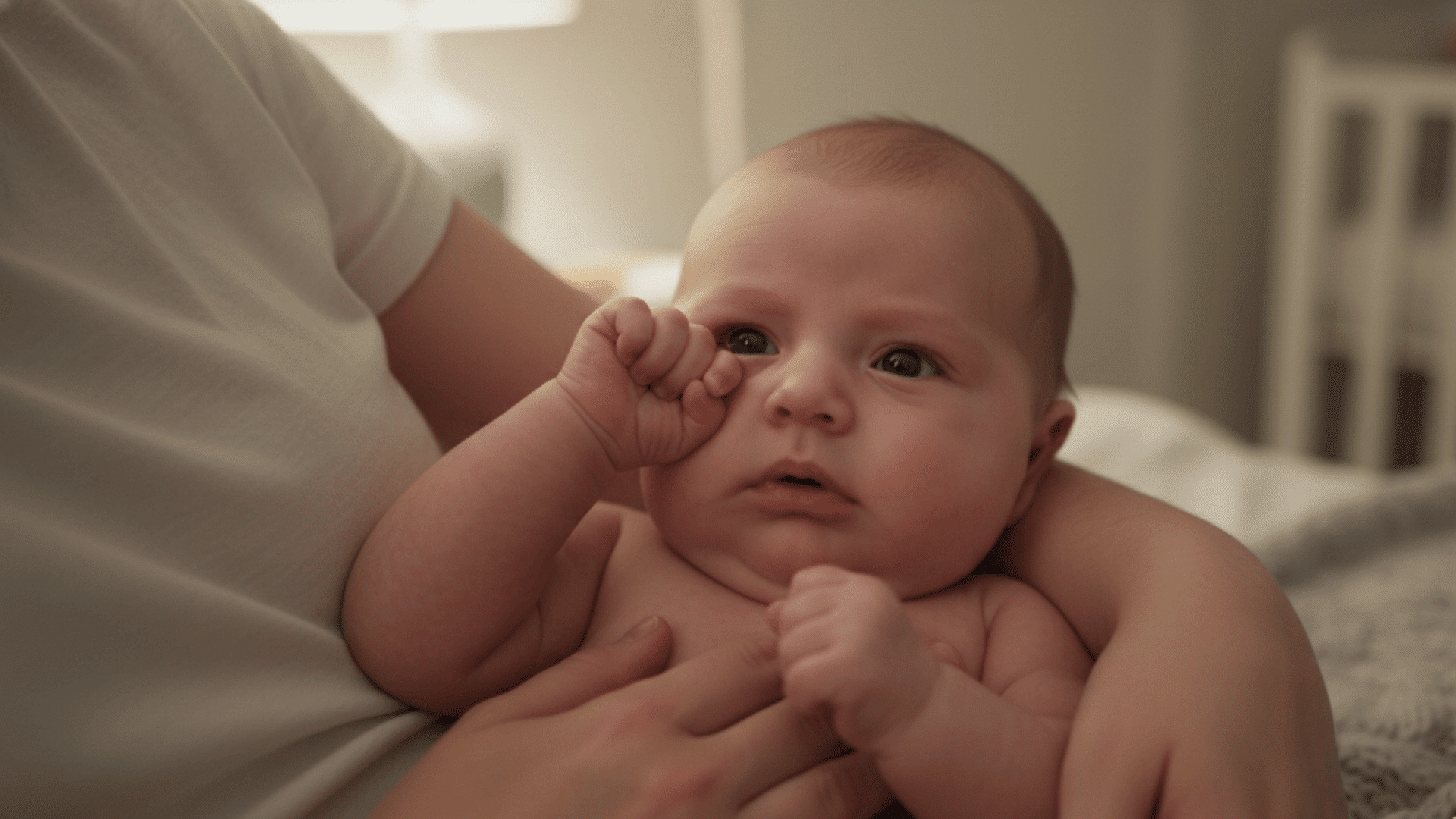
Knowing when your baby is resisting sleep helps you respond faster. Catching these signs early makes settling much easier than waiting until they’re overtired.
Early Tired Signs (Best Time to Act)
- Slower movements: Your baby starts moving less and seems calmer than usual.
- Staring into space: They gaze blankly without focusing on anything specific.
- Reduced engagement: They lose interest in toys, faces, or activities they enjoyed moments ago.
- Light eye rubbing: Gentle rubbing of eyes or ears signals the sleep window is opening.
Late Overtired Signs
- Fussiness that escalates quickly: Small frustrations turn into bigger meltdowns within minutes.
- Crying when laid down: They protest loudly the moment you try to put them in the crib.
- Arching or kicking: Their body stiffens, arches backward, or thrashes when held.
- Short, restless sleep: They fall asleep but wake up soon after, unable to stay down.
Why Do Babies Fight Sleep?
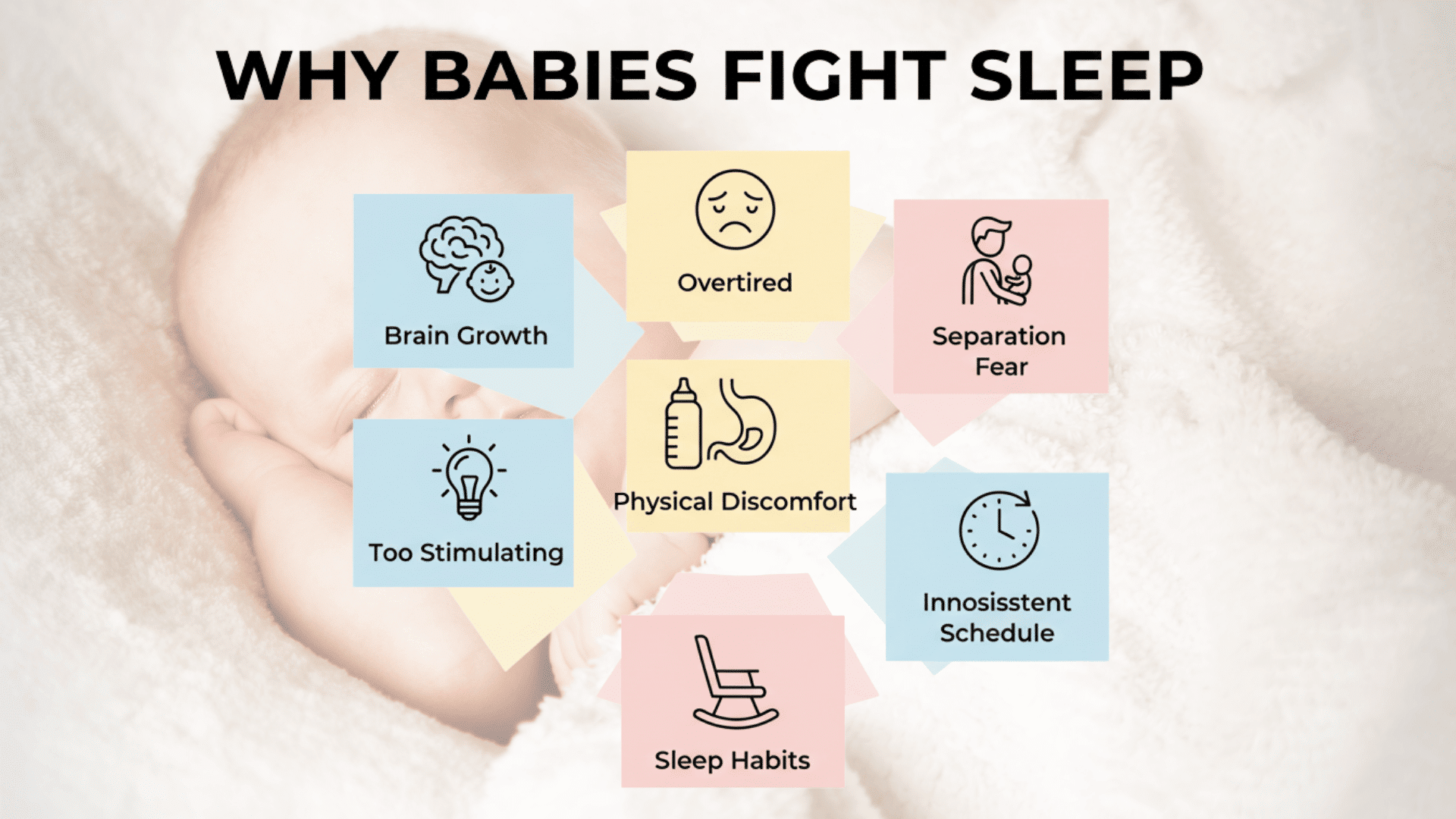
Understanding the reasons behind sleep resistance is the first step to solving it. Here are the most common causes and what’s really happening when your baby won’t settle.
1. Developmental Changes
Babies go through rapid brain growth, especially in the first year. Their minds stay active as they process new skills like rolling, sitting, or crawling.
This mental activity can keep them alert even when their bodies feel tired. The more aware they become of their surroundings, the harder it is to switch off and sleep.
2. Overtiredness and Sleep Pressure
Missing the right sleep window often backfires. When babies stay awake too long, their bodies release cortisol, a stress hormone. This hormone makes it harder, not easier, to fall asleep.
The longer they stay awake, the more intense the resistance becomes.
3. Separation Awareness
As babies grow, they start to understand that caregivers can leave. This awareness peaks between 6 and 12 months. Your baby may want to stay close to you instead of sleeping alone.
The fear of missing out or being separated makes bedtime harder.
4. Environmental Factors
Too much light, noise, or activity before bed can overstimulate babies. Bright screens, loud sounds, or busy rooms keep their brains engaged.
Changes in routine or location also confuse their internal sleep signals. Without it, sleep feels harder to reach.
5. Feeding and Physical Discomfort
Hunger is a common reason babies resist sleep. But sometimes they want comfort feeding, not actual food. Gas, reflux, teething pain, or growth discomfort can also keep them awake.
Addressing the discomfort first often solves the sleep problem.
6. Sleep Associations
Babies learn to connect certain actions with falling asleep. If they always fall asleep while feeding, rocking, or being held, they expect the same help every time.
When those conditions change, they resist. Breaking strong sleep associations takes time but helps babies fall asleep more independently.
7. Schedule Inconsistency
Babies thrive on routine and predictability. When nap times or bedtimes shift daily, their bodies never know when to expect rest.
Travel, visitors, or skipped naps throw off their rhythm. A consistent schedule helps their internal clock function properly and reduces resistance over time.
Is Fighting Sleep Normal?
Yes, fighting sleep is entirely normal for most babies. Nearly every baby resists sleep at some point during their first year.
Sleep resistance often peaks during major developmental leaps, growth spurts, or when new skills emerge. As babies grow, the reasons behind sleep struggles shift.
Newborns fight sleep due to immature sleep cycles, while older babies resist because of separation anxiety or excitement. The good news is that sleep resistance usually improves as babies mature.
Most see progress between 12 and 18 months when routines become more predictable and separation fears ease. Some babies improve sooner, while others take a bit longer.
Either way, it does get better with time and consistency.
Age-by-Age Reasons Babies Resist Sleep
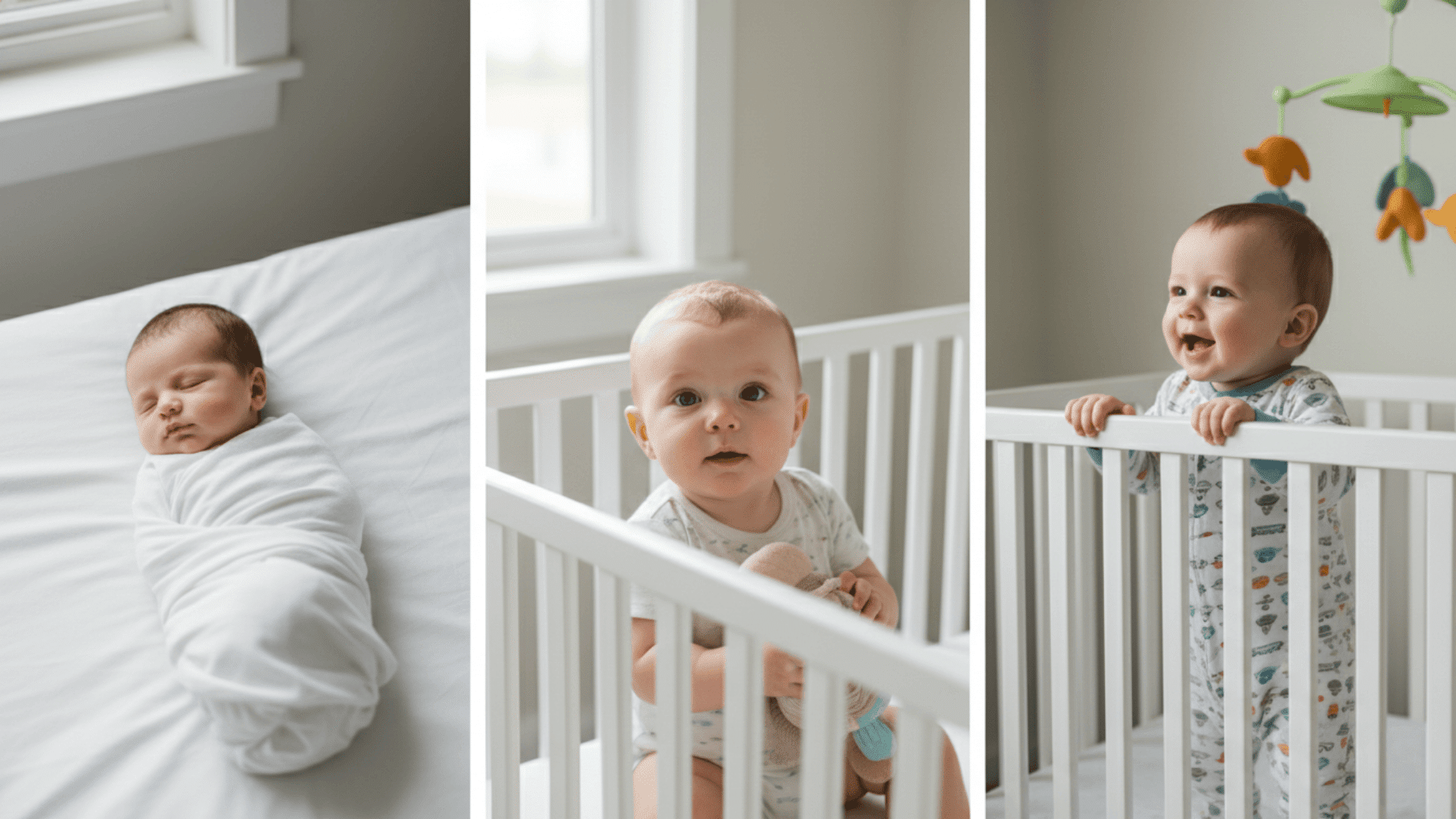
Sleep resistance looks different at every stage of development. Here’s what to expect as your baby grows and why each age brings its own challenges.
Newborns
- Sleep cycles are very short and immature
- Day and night often feel reversed
- They wake frequently for feeding
- Their nervous system is still developing
3 to 6 Months
- Wake periods get longer and more defined
- Sleep associations start forming (rocking, feeding, holding)
- They become more aware of their surroundings
- Nap schedules begin taking shape
6 to 12 Months
- Separation anxiety peaks during this stage
- Crawling, standing, and walking skills keep them excited
- They fear missing out on time with caregivers
- Milestones can disrupt previously stable sleep patterns
How Much Sleep Babies Need by Months
Getting the timing right makes a massive difference in how easily your baby settles. Here’s what to expect at each stage and how to recognize when your baby needs more rest.
Typical Wake Windows and Total Sleep Needs
| Baby Age | Wake Window | Total Sleep in 24 Hours | Daytime Naps | Nighttime Sleep |
|---|---|---|---|---|
| Newborn to 3 months | 45 to 90 minutes | 14 to 17 hours | 4 to 5 naps | 8 to 9 hours |
| 3 to 6 months | 1.5 to 2.5 hours | 12 to 15 hours | 3 to 4 naps | 10 to 12 hours |
| 6 to 12 months | 2.5 to 4 hours | 12 to 14 hours | 2 to 3 naps | 10 to 12 hours |
Signs Your Baby May Need More Rest
- Frequent fussiness or irritability throughout the day
- Difficulty staying awake during feedings
- Rubbing eyes constantly or yawning often
- Falling asleep the moment you hold them still
- Waking up crying instead of calm and ready to play
- Taking very short naps but seeming tired soon after waking
How to Get Your Baby to Stop Fighting Sleep
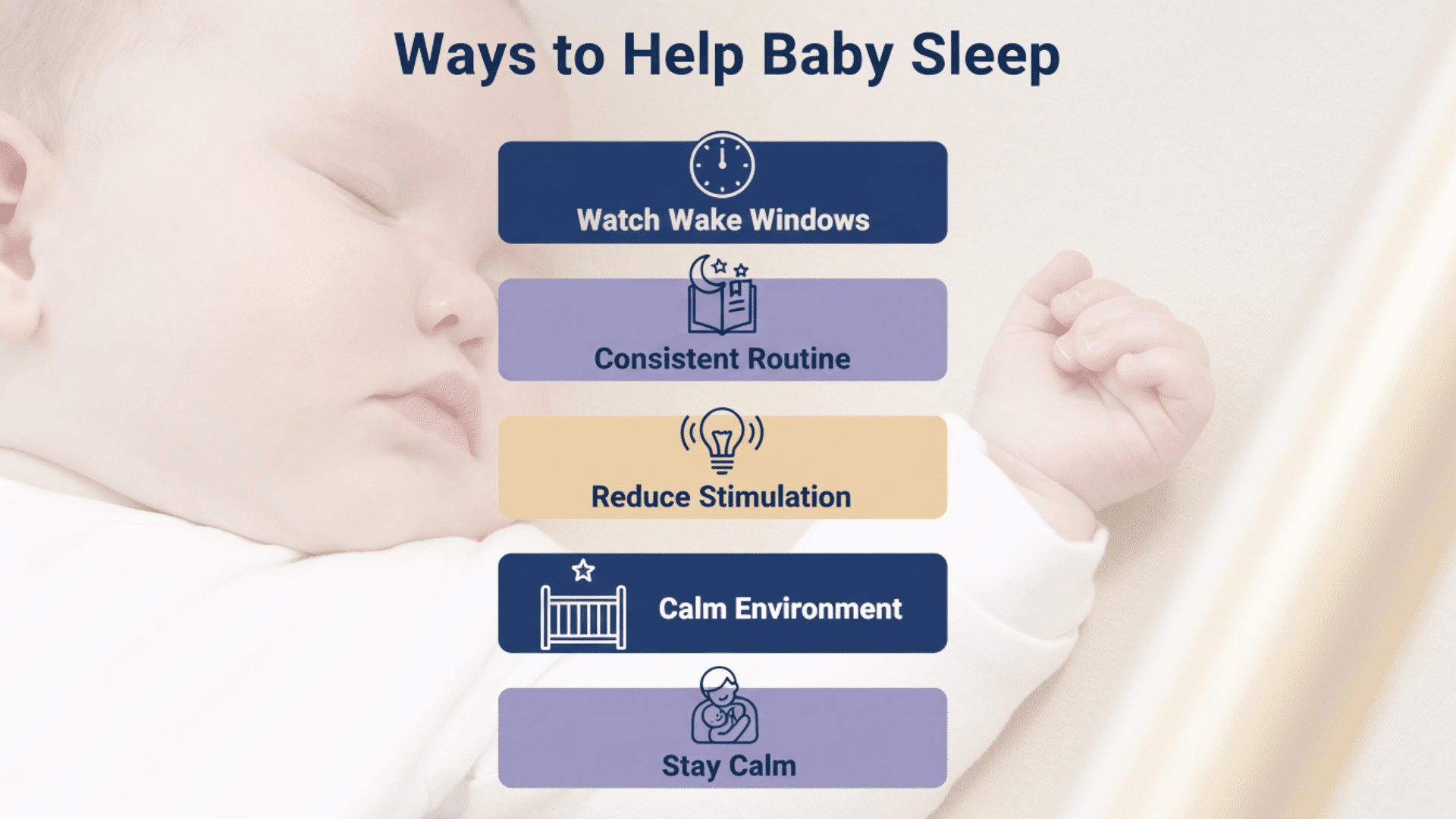
Once you know why sleep resistance happens, you can take steps to reduce it. These practical strategies help babies settle more easily without turning bedtime into a battle.
1. Follow Age-Appropriate Wake Windows
Timing is everything when it comes to sleep. Putting your baby down at the right moment prevents overtiredness from setting in. Watch for early tired signs instead of waiting for crying or fussing.
Adjust wake windows gradually as your baby grows. Small shifts of 10 to 15 minutes can make a big difference. The goal is to catch the sleep window before stress hormones kick in.
2. Create a Predictable Bedtime Routine
Babies feel safer when they know what comes next. A simple, repeating routine signals that sleep is near. This could include a bath, feeding, dim lights, and a quiet song.
Keep the steps short and calming. Do them in the same order every night. Predictability builds trust and helps babies relax faster.
3. Reduce Stimulation Before Sleep
Busy environments keep babies alert when they should be winding down. Limit screens, loud noises, and active play before bedtime. Turn off the TV and lower the lights 20 to 30 minutes early.
Speak softly and move slowly. This calm transition gives your baby’s brain time to shift into rest mode. Without it, sleep feels sudden and jarring.
4. Make the Sleep Environment Supportive
Where your baby sleeps matters as much as when; keep the room dark or use a dim nightlight, and white noise can block sudden sounds that startle them awake.
Make sure the room temperature stays comfortable, around 68 to 72 degrees. Use the same sleep space for naps and nighttime when possible. Consistency across environments helps babies settle faster.
5. Respond Calmly and Consistently
Babies pick up on your stress and frustration. If bedtime feels like a battle, they sense it. Stay calm even when sleep resistance continues. Use the same soothing methods each time they fuss.
Avoid switching strategies every few nights. Confidence and consistency help your baby feel secure. Over time, they learn that bedtime is safe, not something to fight.
Mistakes That Can Make Sleep Resistance Worse
Even well-meaning parents can accidentally make it harder to sleep. Avoiding these common mistakes helps you see faster progress and less frustration at bedtime.
| Common Mistake | Why It Backfires |
|---|---|
| Keeping babies awake too long | Overtiredness triggers stress hormones that make settling harder, not easier. |
| Trying too many new methods at once | Constant changes confuse babies and prevent any approach from working. |
| Changing bedtime daily | Inconsistent timing disrupts their internal clock and sleep readiness. |
| Expecting instant results | Most sleep changes need 3 to 7 days before you see real progress. |
When to Talk to a Pediatrician?

Most sleep resistance is normal, but some situations need professional guidance. Contact your pediatrician if your baby shows feeding issues, weight loss, or struggles to gain weight properly.
Persistent discomfort signs like constant crying, arching during feeds, or frequent spitting up may point to reflux or other problems.
If sleep resistance comes with other symptoms like fever, breathing changes, extreme lethargy, or developmental concerns, get medical advice.
Trust your instincts. You know your baby best. When something feels off, or sleep struggles affect your baby’s growth and wellbeing, reach out for help.
Wrapping It Up
Babies fight sleep for real reasons. Development, timing, discomfort, and environment all play a part.
When you understand the signs and respond with calm, consistent routines, sleep resistance improves. It won’t happen overnight. But small changes add up over time.
Watch your baby’s wake windows. Keep bedtime predictable. Create a calm environment. Stay patient when progress feels slow.
You’re doing better than you think. Sleep is a skill your baby is still learning, and you’re helping them get there.
What’s been your biggest sleep challenge with your baby? Share your experience in the comments below. Your story might help another exhausted parent tonight.