
Japan has a way of feeling familiar and surprising at the same time.
One moment it’s ancient temples and seasonal rituals, the next it’s high-speed trains, vending machines, and everyday habits that feel completely unique.
These facts about Japan go beyond surface-level trivia to show how geography, culture, food, technology, and daily life all connect.
In this blog, you will learn fun facts about Japan’s natural landscapes, traditions, etiquette, cuisine, innovations, and what everyday life really looks like across the country.
Geography And Nature Fun Facts About Japan
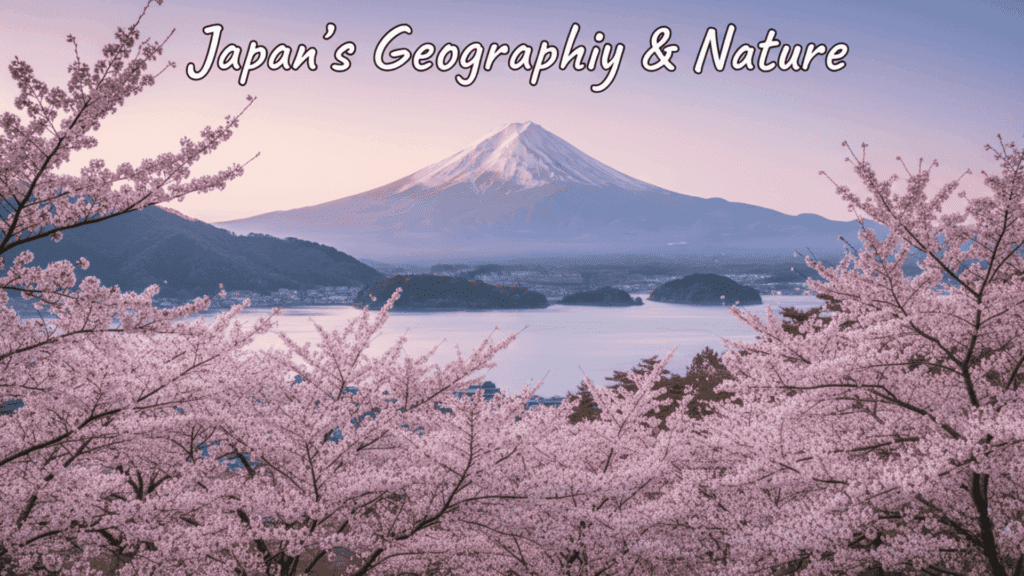
Before diving into traditions and daily life, it helps to understand Japan’s physical setting. The country’s islands, mountains, and changing seasons shape everything from food to architecture.
-
Japan is an island nation made up of more than 6,800 islands scattered across the Pacific Ocean. While most people live on the four main islands, the smaller islands contribute to regional diversity in climate, food, and traditions.
-
Nearly seventy percent of Japan is mountainous, which limits usable land and has influenced the development of compact cities and efficient public transportation systems. This geography also creates scenic landscapes and a hiking culture.
-
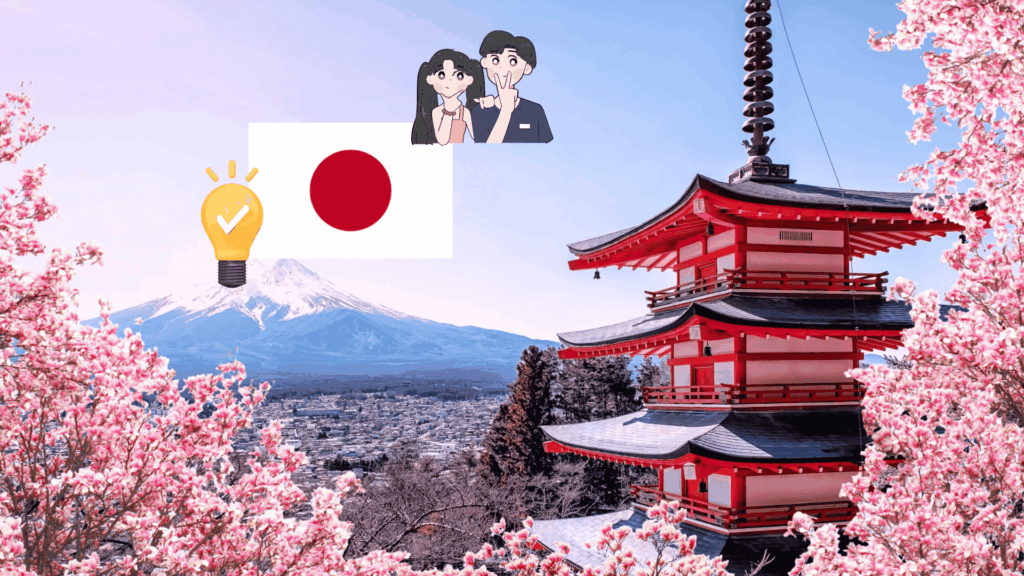
Mount Fuji is an active volcano and one of the most recognized symbols of Japan. Although it has not erupted in centuries, it remains spiritually significant and attracts millions of visitors each year.
-
Japan is located on the Pacific Ring of Fire, a region known for seismic and volcanic activity. This location explains why earthquakes and volcanoes are part of the country’s natural environment.
-
Earthquakes occur frequently in Japan, though many are minor. Buildings, infrastructure, and emergency systems are designed to reduce damage and protect residents during seismic events.
-
Japan has thousands of natural hot springs created by geothermal activity. These hot springs support the country’s onsen culture, which is closely tied to relaxation, health, and tourism.
-
Cherry blossom season does not happen all at once across Japan. The blooms start in the warmer southern regions and gradually move north, creating a shared seasonal experience nationwide.
-
Japan experiences four clearly defined seasons, each influencing clothing styles, food choices, festivals, and daily routines. Seasonal awareness plays a major role in Japanese culture.
-
Northern regions of Japan receive extremely heavy snowfall, sometimes among the highest in the world. This has shaped local architecture, transportation methods, and winter sports culture.
History And Tradition Fun Facts About Japan
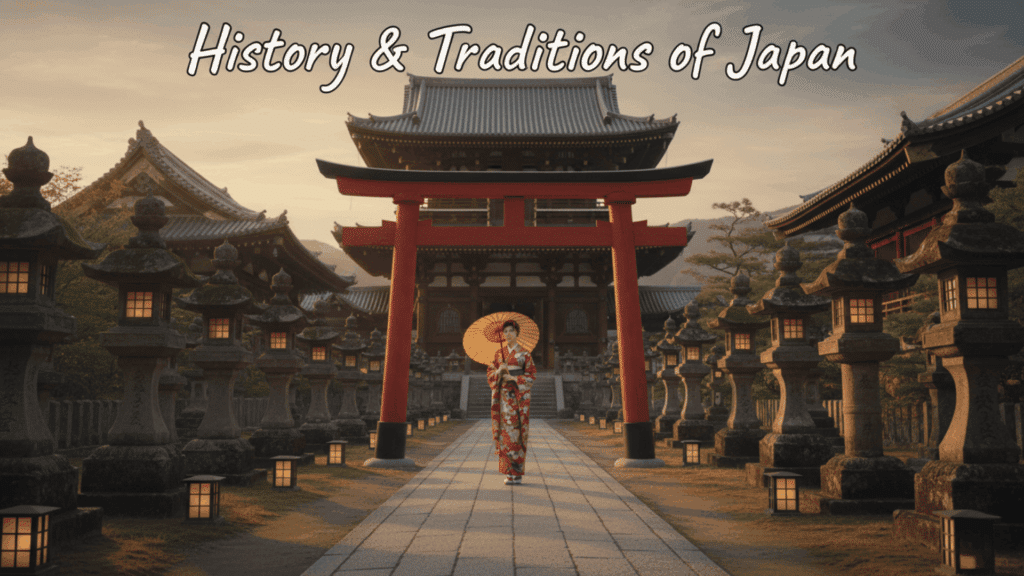
Japan’s landscapes tell only part of the story. Its long history and preserved traditions reveal how the past continues to influence modern customs and values.
-
Japan has one of the world’s oldest continuous monarchies, with emperors tracing their lineage back centuries. Today, the emperor’s role is ceremonial rather than political.
-
Samurai once dominated Japanese society and influenced values such as loyalty, discipline, and honor. These ideals still appear in modern Japanese culture and storytelling.
-
Shinto and Buddhism coexist in Japan, and many people participate in practices from both religions. Weddings, funerals, and festivals often reflect this blend.
-
Traditional Japanese castles were built primarily for defense and strategic control rather than comfort. Many castles today serve as museums that showcase regional history.
-
Tea ceremonies follow carefully structured rituals that emphasize mindfulness, respect, and appreciation of simplicity. Each movement and tool has a symbolic meaning.
-
Many Japanese festivals have been celebrated for hundreds of years and remain closely tied to local history, agriculture, or spiritual beliefs.
-
Kimonos are still worn for formal occasions, including weddings, festivals, and coming-of-age ceremonies. Different designs reflect age, season, and event type.
-
Calligraphy is treated as an art form rather than simple handwriting. It focuses on balance, rhythm, and emotional expression through brush strokes.
Culture And Etiquette Fun Facts About Japan
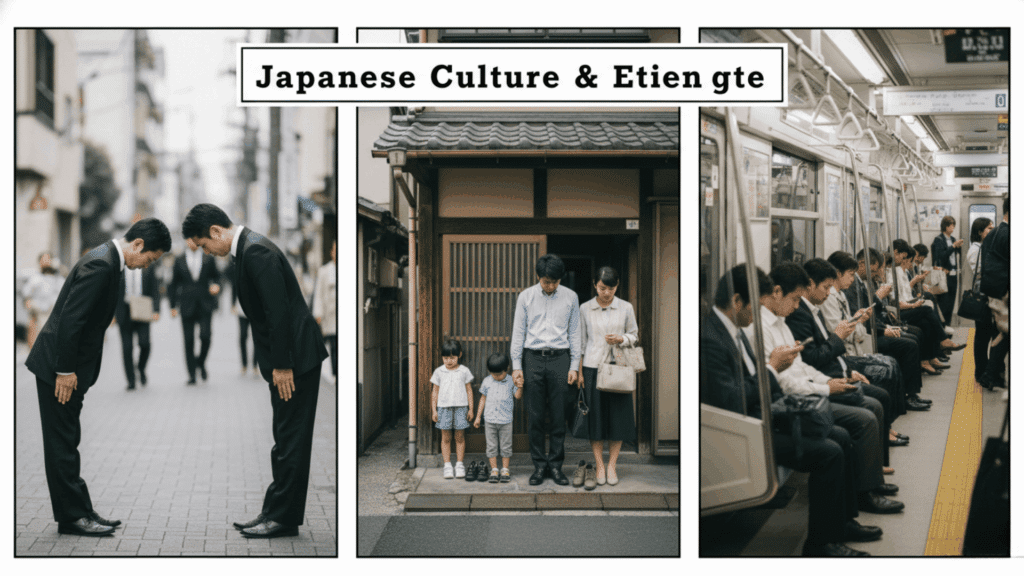
Traditions are reflected not just in history books but in everyday behavior. Social rules, manners, and unspoken norms play a huge role in daily interactions across Japan.
-
Bowing is a common way to greet people in Japan and can express gratitude, apology, or respect. The depth and length of the bow communicate different meanings.
-
Shoes are removed before entering homes, schools, and some restaurants. This custom helps keep indoor spaces clean and reflects respect for shared environments.
-
Tipping is not customary in Japan because good service is considered standard. Offering a tip may sometimes cause confusion rather than appreciation.
-
Slurping noodles while eating ramen or soba is socially acceptable and often signals enjoyment of the food. It is not considered rude in casual dining settings.
-
Public transportation in Japan is typically quiet. Phone calls are avoided, and conversations are kept to a minimum to maintain a calm environment for everyone.
-
Gift presentation is highly valued, and careful wrapping is seen as a sign of respect. Seasonal timing and formality also play a role in gift giving.
-
There are multiple ways to say thank you in Japanese, depending on the social context and level of formality. Politeness levels are an important part of communication.
-
Public spaces in Japan remain remarkably clean despite limited trash bins. People are expected to carry their trash until proper disposal is available.
-
Standing in line and waiting patiently is deeply respected. Queuing is an orderly practice used in shops, train stations, and public events.
Food And Drink Fun Facts About Japan
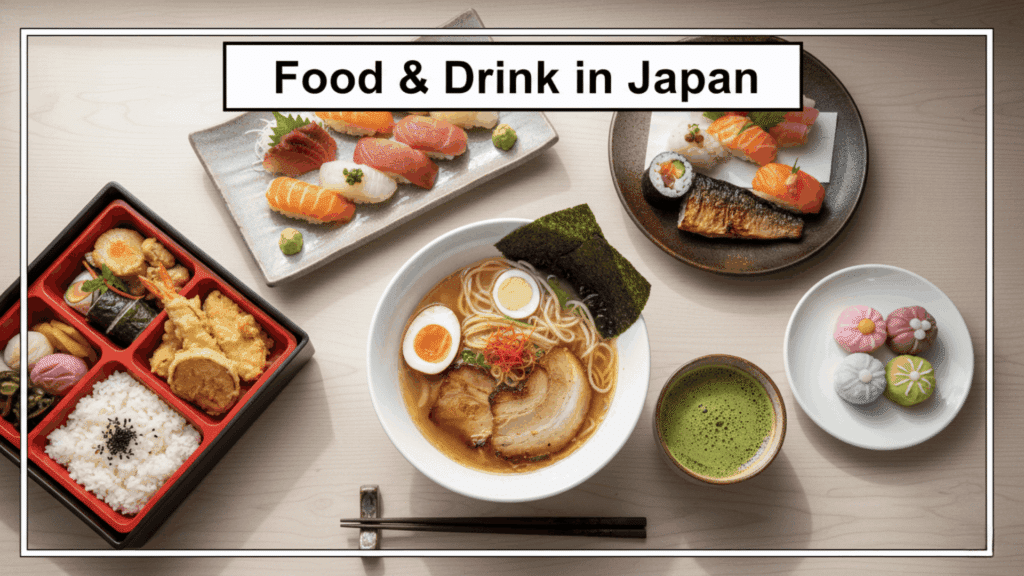
Many cultural values show up most clearly at the table. Japanese food culture reflects seasonality, balance, and attention to detail in every meal.
-
Japanese cuisine emphasizes seasonality, with ingredients and dishes changing throughout the year. This approach reflects appreciation for freshness and balance.
-
Sushi originally developed as a method of preserving fish using fermented rice. Over time, it evolved into the modern dishes enjoyed today.
-
Ramen styles vary widely across Japan, with regional differences in broth, noodles, and toppings. Local ramen is often a source of pride.
-
Convenience stores in Japan offer surprisingly high-quality meals. Many people rely on them for breakfast, lunch, or late-night food.
-
Bento boxes are carefully arranged to balance nutrition, portion size, and visual appeal. Presentation is considered just as important as taste.
-
Traditional wagashi sweets are often inspired by nature and designed to reflect seasonal themes such as flowers or leaves.
-
Green tea is consumed daily by many people and is served at home, work, and restaurants. It plays a central role in Japanese food culture.
-
Fried chicken became a popular Christmas meal in Japan through a successful marketing campaign that made it a modern tradition.
Technology And Innovation Fun Facts About Japan

While Japan deeply respects tradition, it is equally known for modern innovation. Technology quietly enhances daily life in ways both practical and surprising.
-
Japan’s bullet trains are known for their punctuality, safety, and speed. Delays are rare and often measured in seconds rather than minutes.
-
Japan is a global leader in robotics, with robots used in manufacturing, healthcare, and even customer service roles.
-
Toilets in Japan often include advanced features such as heated seats, bidet functions, and automated controls.
-
Vending machines are widespread across cities and rural areas, offering drinks, snacks, and sometimes hot meals.
-
Despite technological advancements, cash is still widely used in Japan, especially in small businesses and rural areas.
-
Capsule hotels provide compact sleeping spaces designed for efficiency. They are commonly used for short stays or overnight travel.
-
High-speed internet is widely accessible throughout Japan, supporting remote work, gaming, and digital services.
-
Automation is deeply integrated into daily life, from ticket gates and ordering kiosks to checkout systems.
Daily Life And Society Fun Facts About Japan
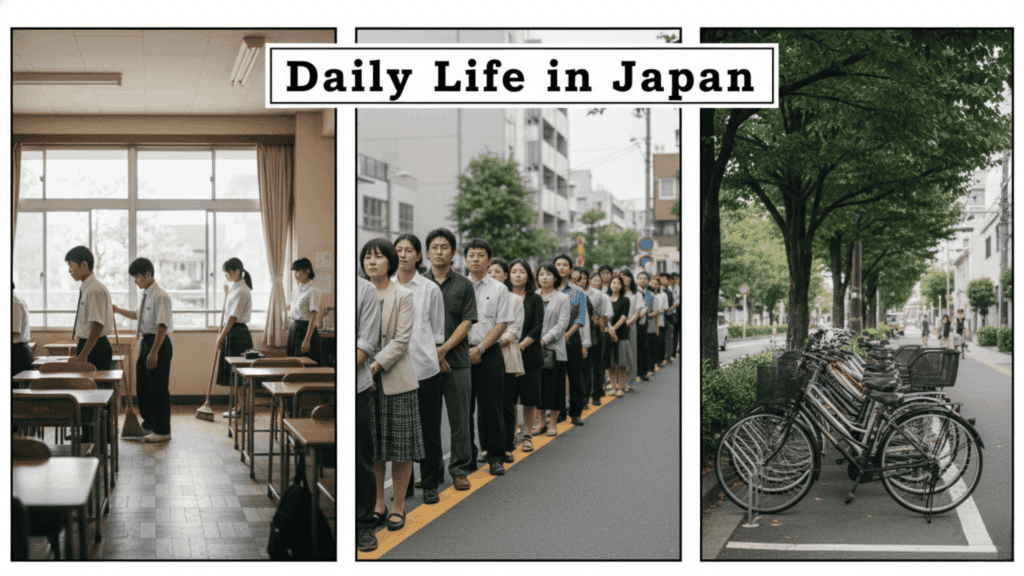
All of these elements come together in everyday routines. From schools and transportation to social habits, daily life in Japan follows rhythms shaped by culture and structure.
-
Students are often responsible for cleaning their own classrooms, which encourages discipline and respect for shared spaces.
-
School uniforms are common and help reduce social pressure related to clothing choices.
-
Punctuality is highly valued in both social and professional settings, and arriving late is often seen as disrespectful.
-
After-school clubs require strong commitment and play a major role in shaping teamwork and responsibility.
-
Japan has one of the highest life expectancies in the world, influenced by diet, healthcare, and lifestyle habits.
-
The population is aging rapidly, which affects housing design, healthcare systems, and technological development.
-
Lost items are frequently returned to their owners through organized public systems, reflecting social trust.
-
Public transportation is extremely reliable, with trains and buses following precise schedules.
-
Seasonal events strongly influence daily life, shaping school calendars, shopping trends, and cultural activities.
Final Call
Japan’s charm lies in how seamlessly it blends tradition, innovation, and everyday rituals into daily life.
From its natural landscapes and seasonal food culture to social etiquette and modern technology, these facts about Japan show why the country continues to captivate people worldwide.
Each fun fact offers a small window into how history, respect, and efficiency shape Japanese society.
If you enjoyed learning these fun Japan facts, explore related culture and travel topics, share this list with fellow Japan enthusiasts, or bookmark it for future reference when your curiosity about Japan strikes again.