

Nobody warns you about this part. You read every book, set up the crib, and stocked up on diapers.
But nobody tells you that some nights, your baby will stare back at you at midnight, wide awake, like sleep is a completely foreign idea.
Their eyes are heavy. Yours are heavier. Forty-five minutes pass. Nothing.
Here is the good news. Other parents have figured out how to put a baby to sleep in 40 seconds. Not with tricks. Not with luck. With the right steps, done in the right order, at the right time.
This guide walks you through all of them, clearly and without fluff.
Why Does My Baby Find It So Hard to Sleep?
Newborns sleep in cycles of 40 to 60 minutes, with nearly 50% of that time in light REM sleep, which means they wake easily and often.
Their nervous systems are still developing, making them highly sensitive to hunger, a wet diaper, gas, room temperature, and light.
When a baby is kept awake past their natural window of tiredness, the body releases cortisol, a stress hormone that makes the brain more alert, not less.
This is why an overtired baby is so much harder to settle than a slightly tired one. Getting the timing right and the environment set up correctly solves most problems before they start.
What Is the 40-Second Tissue Trick?
You may have seen the video somewhere. A father strokes a tissue across his baby’s face, and within seconds, the eyes close and stay closed. Here is what you need to know about it.
- Where did it come from? In 2015, Australian father Nathan Dailo posted a video of his 3-month-old son falling asleep using just a soft, dry tissue. Nearly 14 million people have watched it since.
- Why does it work? The slow, repeated touch stimulates nerve endings on the baby’s face and activates the parasympathetic nervous system, which is the part of the body that handles rest and relaxation.
- Is there any science behind it? Research from 2006 found that massaging babies under 6 months helps them sleep better, cry less, and feel less stressed. The tissue trick works on the same core principle of gentle, rhythmic touch.
- Does it work for every baby? No. It works best when the baby is already showing early sleep cues, the room is set up correctly, and the baby is fed and comfortable before you begin.
- Is it safe? Yes, as long as you use a soft, dry tissue, the baby is placed on their back in the crib, and the tissue is removed from the sleep space once the baby is fully asleep.
Video Tutorial
Check out this YouTube video for a detailed step-by-step Tutorial on how to put a baby to sleep in less than one minute.
How to Put a Baby to Sleep in 40 Seconds: Step-by-Step
Ready to try it? The technique itself is simple, but the steps around it are what make it actually work. Skipping any one of them is usually why parents say it did not work the first time.
Step 1: Set Up the Room Before the Baby Comes In
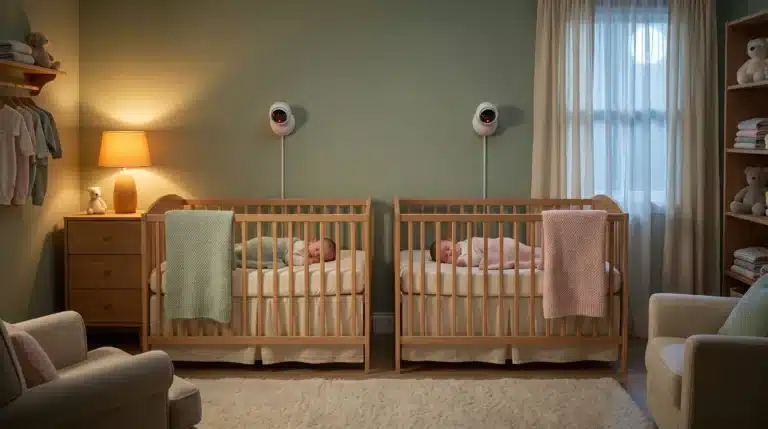
Dim the lights and draw the curtains before you bring the baby in. Turn on a white noise machine or a fan for a steady background sound. Getting the room ready first means you are not fumbling with switches after a settled baby is already in your arms.
Step 2: Check the Two Basics First
Make sure the diaper is dry, and the baby has been fed recently. A hungry or uncomfortable baby will not settle with any technique. These two checks take less than 60 seconds and can save you 40 minutes of frustration.
Step 3: Place the Baby in a Safe Sleep Position
Lay the baby on their back in the crib or bassinet on a firm, flat surface. The American Academy of Pediatrics recommends always placing babies on their backs to sleep. Get this right before starting the technique, not after.
Step 4: Begin the Tissue Stroke
Take a soft, dry tissue and slowly drag it across the baby’s forehead, from the bridge of the nose down toward the cheeks. Use very light pressure. Keep the motion smooth, rhythmic, and steady. Not fast. Not uneven. Just slow and consistent.
Step 5: Hold the Motion Until the Eyes Stay Closed
Most babies begin to close their eyes within 30 to 40 seconds of rhythmic stroking. Do not stop too early. If the eyes flutter back open, continue the motion and let it do the work. Stay quiet and still throughout.
Step 6: Remove the Tissue and Leave Quietly
Once the baby is fully asleep, gently remove the tissue from the crib. Step out of the room slowly. Use a baby monitor to keep watch without needing to go back in.
Other Proven Methods to Help Your Baby Fall Asleep Fast
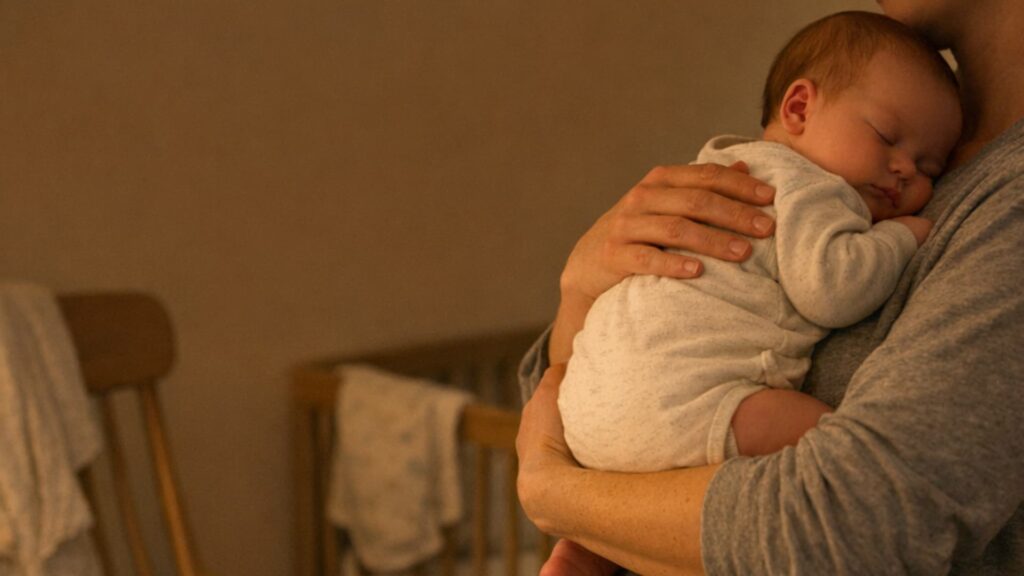
The tissue trick is one option, not the only one. Some babies respond to touch, others to sound, and others to movement. Here are the most reliable alternatives, each with a clear one-line explanation of why it works.
- White Noise: Mimics the constant sound inside the womb, creating a familiar, calming environment that also masks sudden noises from outside the room.
- Swaddling: Wrapping a baby snugly in a lightweight cotton blanket limits movement and stops the startle reflex, which is one of the most common reasons newborns wake up during early sleep cycles. Always keep the hips loose when swaddling, and stop once the baby shows signs of rolling.
- Gentle Rocking or Swaying: Slow, steady swaying in your arms activates the body’s natural calming response and gradually brings a stimulated nervous system down into a state of rest.
- Lullabies or a Parent’s Voice: A study in the journal Pediatrics found that babies fell asleep faster when a real parent read to them versus hearing a recorded version. The live rhythm of a human voice is naturally and specifically soothing to a baby’s brain.
- Infant Massage: Light, circular strokes on the baby’s arms, legs, and back before the bedtime process begins reduce fussiness and help the body prepare for sleep. Use a fragrance-free, baby-safe lotion if needed.
- Forehead Kiss and Goodnight Signal: A soft forehead kiss followed by a quiet “goodnight,” repeated the same way every night, trains the brain over time to link that moment with sleep. It becomes a reliable signal, not just a sweet habit.
- Chanting “Om” or Soft Shushing: A low, steady “om” or a gentle “shhh” made close to the baby mimics the vibration and ambient noise of the womb and can calm a fussy baby remarkably fast when done with a steady, unhurried rhythm.
- Lavender-Scented Lotion: A pre-bed massage with a pediatrician-approved lavender lotion can build a scent association with sleep over time. Avoid direct essential oils on babies under 3 months.
Dr. Harvey Karp’s 5 S’s Method: A Pediatrician-Backed Approach
Dr. Harvey Karp, an American pediatrician and author of “The Happiest Baby on the Block,” developed the 5 S’s method to calm newborns quickly through a specific, layered sequence.
The five steps are Swaddle (wrap snugly), Side or Stomach position for calming only, always place on the back to sleep, Shush (a firm steady “shhh” near the ear), Swing (gentle rhythmic jiggling or swaying), and Suck (a pacifier or clean finger to trigger the natural sucking reflex).
Pediatric Sleep Consultant Kerrin Edwards, founder of Meet You In Dreamland, notes that some babies only need two or three of these steps, while very fussy babies may need all five working together at the same time.
This method is most effective for babies 4 months and younger.
Baby Sleep Patterns by Age: What Is Actually Normal?
Most parents struggle at bedtime partly because they expect too much, too soon. Knowing what is normal for your baby’s age removes a lot of unnecessary stress and helps you pick the right approach.
| Age | Total Daily Sleep | Typical Night Stretches | Wake Window |
|---|---|---|---|
| 0 to 3 months | 14 to 17 hours | Short 1 to 3-hour cycles | 45 to 60 minutes |
| 3 to 6 months | 12 to 16 hours | 6 to 8 hours for many babies | 1.5 to 2 hours |
| 6 to 12 months | 12 to 15 hours | Most sleep through the night | 2 to 3 hours |
| 12 to 24 months | 11 to 14 hours | Consistent overnight sleep | 3 to 5 hours |
According to Stanford Medicine, by 6 months of age, two-thirds of babies sleep through the night. Until that point, short cycles and frequent waking are completely normal and not a sign that anything is wrong.
What is a wake window? It is the maximum time a baby can comfortably stay awake between sleep periods. Go past it, and the baby becomes overtired. Once that happens, cortisol kicks in and settling takes significantly longer, regardless of which method you use.
How to Put a Kid to Sleep in 40 Seconds: Toddler-Specific Tips
A toddler’s brain works very differently from a newborn’s. The instinct-based calming of the tissue trick rarely works here. What toddlers need is a clear signal, consistent handling, and a routine they can count on.
Why Toddlers Resist Sleep
- FOMO: Toddlers know life continues after they close their eyes, and they do not want to miss any of it.
- Overstimulation: Screens or active play close to bedtime puts the brain into high-alert mode for longer than most parents expect.
- No clear signal: Without a consistent pre-sleep sequence, a toddler has no real reason to believe bedtime is actually here.
The 40-Second Approach for Toddlers
Once the room is dim and your toddler is lying down, sit beside them. Place a hand on their back or stroke their forehead slowly.
Repeat a calm, quiet phrase, such as “shhh” or their name, softly and in a low, steady voice for 40 seconds. The combination of physical closeness and a quiet, unhurried voice signals safety.
That sense of safety allows a toddler’s busy brain to begin to slow down. After a few consistent nights, the routine itself becomes the cue.
Positive Reinforcement Works
Acknowledge good sleep behavior in the morning with brief, warm praise. Over time, this builds a positive connection to bedtime and gradually reduces resistance without any battles.
| Time Before Bed | Activity |
|---|---|
| 30 minutes | Light snack (banana or small yogurt) |
| 20 minutes | Warm bath |
| 15 minutes | Pajamas, lights dimmed |
| 10 minutes | One short story or soft music |
| 5 minutes | Lie down, gentle forehead stroke |
| 0 minutes | Softly goodnight, exit the room |
The Right Sleep Environment: Small Changes, Big Results
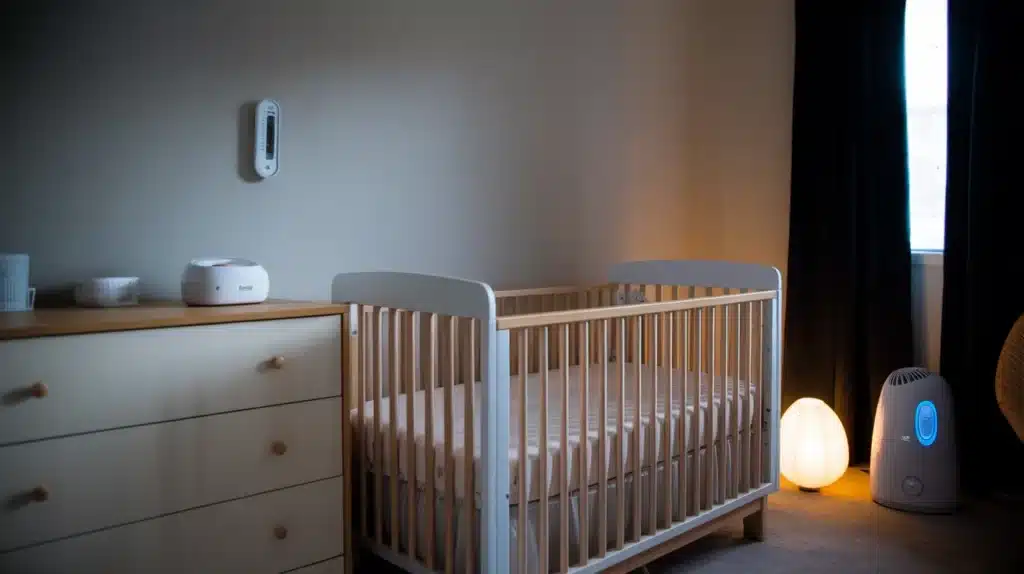
You can try every method in this guide. But if the room is too bright, too warm, or too noisy, none of them will work as well as they should. Here is exactly what to get right.
1. Light
Babies are far more sensitive to light than adults. Sleep expert Erin Flynn-Evans, PhD, MPH, notes that recent studies show that young children are much more reactive to low-level light exposure than adults.
Use blackout curtains for both naps and nighttime. During the day, natural light helps set the baby’s internal clock and supports melatonin production once it gets dark.
2. Temperature
The ideal room temperature for a baby’s sleep is between 68 and 72°F (20 to 22°C). The body naturally drops in temperature as it falls asleep, and a cool room supports that shift.
Overdressing a baby can cause repeated waking throughout the night. Dress them in one layer more than what you are comfortably wearing in the same room.
3. Humidity
Baby Sleep Science recommends keeping room humidity between 40 and 60 percent. Air that is too dry causes nasal discomfort and disrupts sleep more than most parents realize.
4. Sound
A completely quiet room can actually work against you. Any sudden noise, a car outside, a door closing, a dog barking, can startle a sleeping baby awake between cycles.
A white noise machine placed at least 7 feet from the crib, kept at or below 50 decibels, provides a steady buffer against interruptions.
The sound of rain or running water works well for babies who do not respond to standard white noise.
5. Crib Setup
Keep the crib clear at all times. Loose blankets, pillows, stuffed animals, and toys are serious safety risks and can block airflow around the baby’s face during sleep. Use breathable cotton or muslin for both crib sheets and the baby’s sleep clothing.
What NOT to Do at Bedtime
Some habits feel helpful in the moment but create bigger problems over time. Here is what sleep experts consistently recommend avoiding.
- Waiting until the baby is fully overtired before starting the process. Miss the early cues, and the body shifts into stress-hormone mode. Settling from this point takes significantly more time and effort.
- Screen time before bed. Blue light from phones, tablets, and TVs blocks melatonin production and keeps babies and toddlers alert well past the time they should be winding down. This applies to screens in the room, not just in the baby’s hands.
- Shaking or bouncing too hard. A baby’s spine and neck are still forming. Rough or vigorous movement can cause serious physical harm and should always be avoided.
- Always feeding the baby to sleep. This builds a strong association between feeding and sleeping. The baby then needs a feed every time they stir between sleep cycles during the night, turning every normal waking into a full wake-up.
- Changing the bedtime sequence frequently. Babies and toddlers feel secure when they know what comes next. A different routine each night creates confusion, not calm.
- Rushing back in at every small sound. Not every noise means the baby is fully awake. Waiting one to two minutes before going in gives babies a real chance to resettle on their own between cycles.
Building a Bedtime Routine That Works Every Night
A consistent bedtime routine is the most reliable long-term tool for faster baby sleep. It works because the brain learns to recognize the sequence as a sleep signal and begins preparing before you even put the baby down.
Why the Research Backs This Up
Two studies published in the National Library of Medicine, one in 2009 and a follow-up in 2017, found that a nightly bedtime routine reduced how long it took young children to fall asleep, improved how long they stayed asleep, and lowered stress levels in mothers significantly.
Sample Routine: Newborn to 6 Months
| Time Before Bed | Step |
|---|---|
| 30 minutes | Warm bath |
| 20 minutes | Feed, but not fully to sleep |
| 15 minutes | Swaddle, dim lights |
| 10 minutes | White noise, gentle rocking |
| 5 minutes | Tissue stroke or slow forehead touch |
| 0 minutes | Place in crib, exit quietly |
Sample Routine: 6 to 12 Months
| Time Before Bed | Step |
|---|---|
| 30 minutes | Warm bath |
| 20 minutes | Bottle or nursing |
| 15 minutes | Dim lights, soft lullaby |
| 10 minutes | Short story, quiet cuddle |
| 5 minutes | Lay in crib, white noise on |
When to Call a Pediatrician About Your Baby’s Sleep
Most sleep challenges are a normal part of development. But some signs are worth a doctor’s attention sooner rather than later.
Talk to your pediatrician if:
- Your baby consistently sleeps far less than what is typical for their age group
- You notice long pauses in breathing or labored breathing during sleep
- Your baby seems to be in regular pain or discomfort during or after sleeping
- No routine or environment changes have helped after two to three weeks of consistent effort
- You notice repeated unusual body movements, persistent twitching, or back-arching during sleep
Important: Everything in this guide is for general informational purposes only. Always speak with a qualified pediatrician for any concerns about your baby’s health or sleep.
Final Reflections
Sleep does not always come on schedule. Some nights, the tissue trick works in 30 seconds flat. Other nights, you are still at it after an hour, and that is simply part of the process.
What you have now is a full set of tools. A dark, cool room. White noise. A gentle, steady touch.
A bedtime routine that tells your baby, night after night, that it is time. These things build up quietly. Babies do learn. Nights do get easier.
Start with one method tonight. See what your baby responds to. Then build from there, one evening at a time.
Tried any of these? Drop your experience in the comments. Even if it is just “the tissue thing worked and I cried a little,” that counts too.