
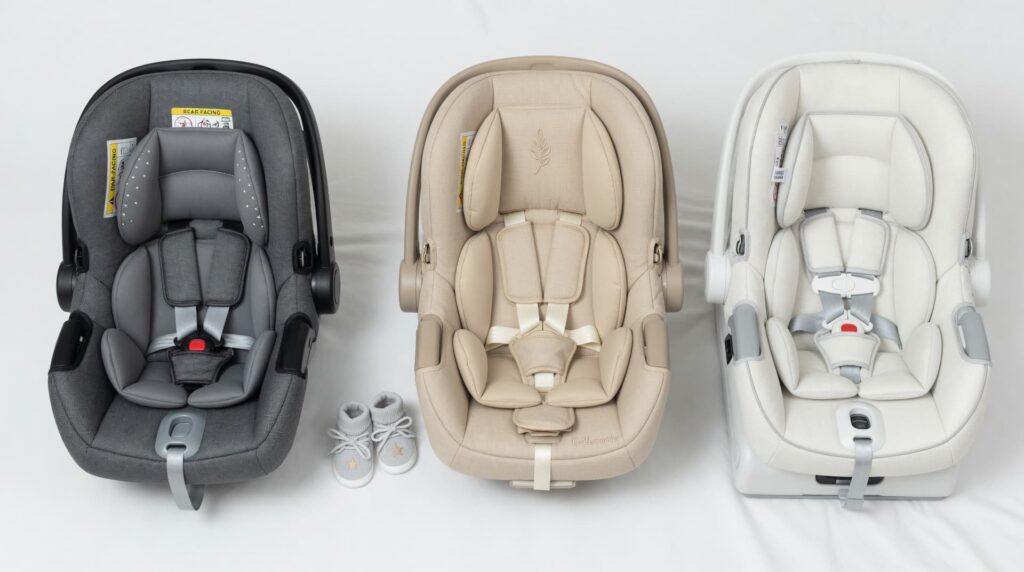
The drive home from the hospital is one you never forget. Your baby is buckled in the back seat. You keep checking the mirror every few minutes, heart racing just a little.
That car seat you chose? It is the most important piece of baby gear you will ever buy.
Car accidents are the leading cause of injury for children under 13 in the US. And 59% of car seats are installed incorrectly, per NHTSA data.
The top baby car seats are covered in this guide, which is ranked according to crash test results, reviews from certified experts, and actual parent comments. Not a fluff. Just everything you need to know.
What Are Baby Car Seats?
A baby car seat is a safety device designed to protect infants and young children during car travel.
It absorbs and distributes crash forces across your child’s body, rather than letting them hit a single point.
In the US, all infants must travel in a car seat by law. Every seat sold in the country must meet federal safety standards set by the National Highway Traffic Safety Administration (NHTSA).
Car seats come in several types, each built for a specific stage of your child’s growth. Choosing the right type at the right time is key to keeping your child safe on every trip.
Types of Baby Car Seats
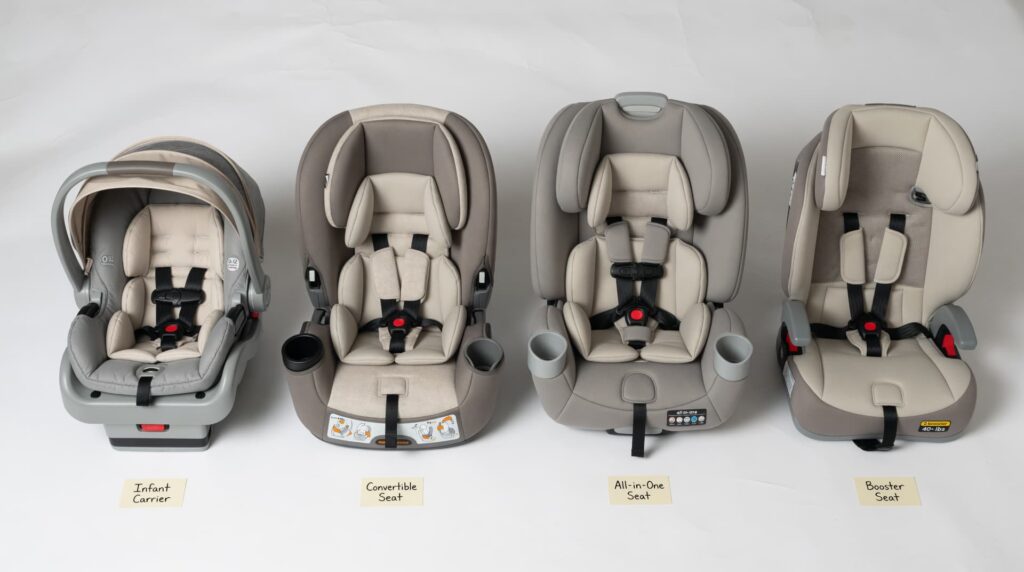
There is no one-size-fits-all car seat. The right type depends on your child’s age, height, and weight. Here is a quick look at all four types before you start shopping.
| Type | Best For | Weight Range | Key Feature |
|---|---|---|---|
| Infant-Only Seat | Newborns to ~12 months | 4–35 lbs | Portable carrier with detachable base |
| Convertible Seat | Newborns through toddlers | 5–65 lbs | Rear-facing and forward-facing in one seat |
| All-in-One Seat | Birth through booster age | 4–120 lbs | One seat for every stage |
| Booster Seat | Big kids 40 lbs and above | 40–120 lbs | Uses the car’s own seat belt for restraint |
Key Safety Features to Look for in Baby Car Seats
Not every feature listed on a car seat box actually makes a difference in a real crash. Certified Passenger Safety Technicians and independent crash test labs consistently point to these specific features when recommending the best baby car seats.
- Load Leg (Stability Leg): Extends from the seat base to the vehicle floor, reducing seat rotation in a frontal crash.
- Anti-Rebound Bar: Stops the seat from rotating backward in a rear-impact crash, protecting your baby’s head and neck.
- Side-Impact Protection (SIP): Built-in wings or foam layers that shield your baby’s head, neck, and torso during a side collision.
- Rigid LATCH System: Connects the seat to the car with a firm, fixed link rather than flexible straps, reducing movement during a crash.
- 5-Point Harness: Spreads crash forces across five points on your child’s body, reducing the impact on any single area.
- GREENGUARD Gold Certification: Confirms seat materials have been tested for harmful chemical emissions, which matters because babies breathe faster than adults.
- Flame Retardant-Free (FR-Free) Fabrics: Use fire-resistant materials like merino wool naturally instead of added chemicals, a feature many parents now actively look for.
9 Best Baby Car Seats
Picking a car seat from hundreds of online options is not easy. These nine picks cover every need, from tight budgets to premium safety tech, all backed by independent crash test data and real expert reviews.
1. Chicco KeyFit 30 Max
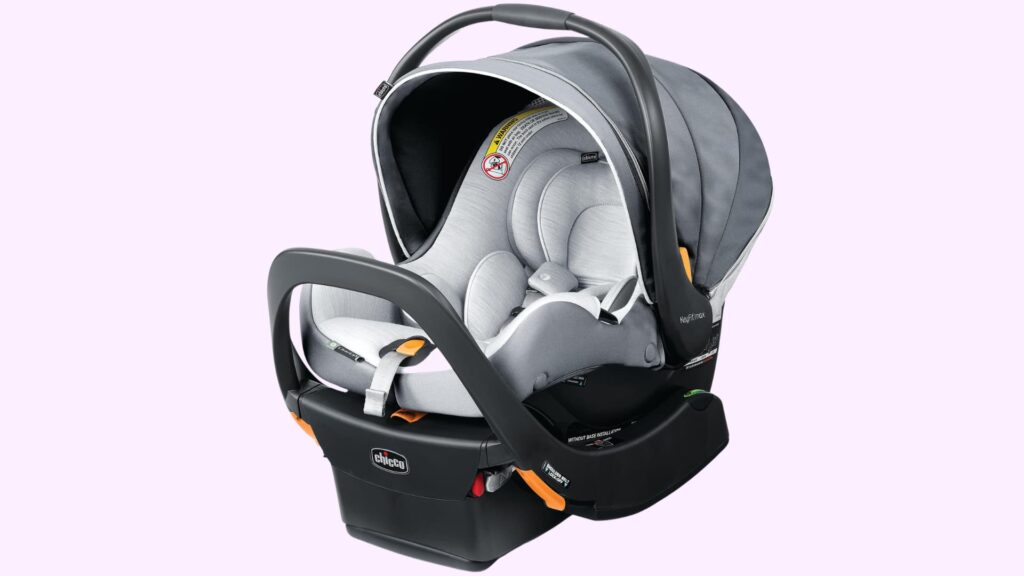
The Chicco KeyFit 30 Max is one of the easiest infant seats to install, year after year, according to Consumer Reports.
It has a no-rethread 5-point harness, a full-coverage UPF 50+ canopy, and fits babies from 4 to 30 lbs.
At around 10 lbs for the carrier alone, it is well-balanced and comfortable to carry. For first-time parents who want reliable safety without a learning curve, this is the one to start with.
- Weight Range: 4–30 lbs
- Carrier Weight: ~10 lbs
- Price: ~$200–$220
- Drawback: Not the lightest carrier on the market.
2. Clek Liing
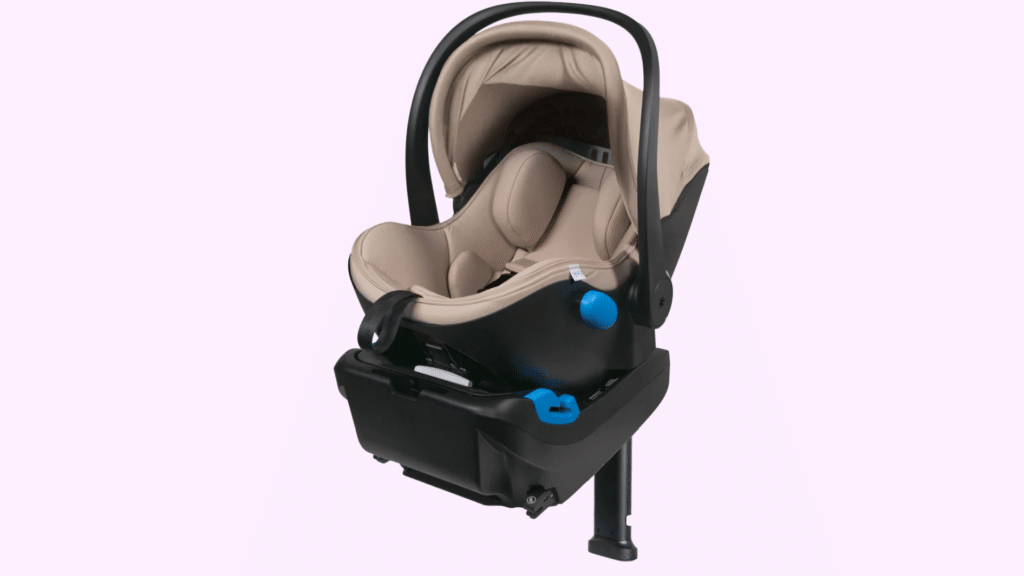
If crash-test numbers are your top priority, the Clek Liing consistently delivers some of the lowest G-force readings in independent testing.
Its rigid LATCH system removes the movement that flexible straps allow, and the anti-rebound bar prevents dangerous seat rotation in rear impacts.
The steel frame adds structural strength that plastic-only designs simply cannot match. It is heavy and expensive, but the independent test data fully support it.
- Weight Range: 4–35 lbs
- Price: ~$550
- Drawback: Heavy to carry and premium-priced.
3. Nuna PIPA RX
The Nuna PIPA RX is one of the very few infant seats that combine rigid LATCH, an anti-rebound bar, and a load leg all at once. It fits babies as small as 4 lbs, making it a strong choice for premature infants.
FR-free fabrics and the signature Dream Drape canopy add comfort alongside the safety credentials. It is hard to find in big-box stores, but available through specialty baby retailers online.
- Weight Range: 4–32 lbs
- Price: ~$500
- Drawback: Hard to find in stores. Premium price tag.
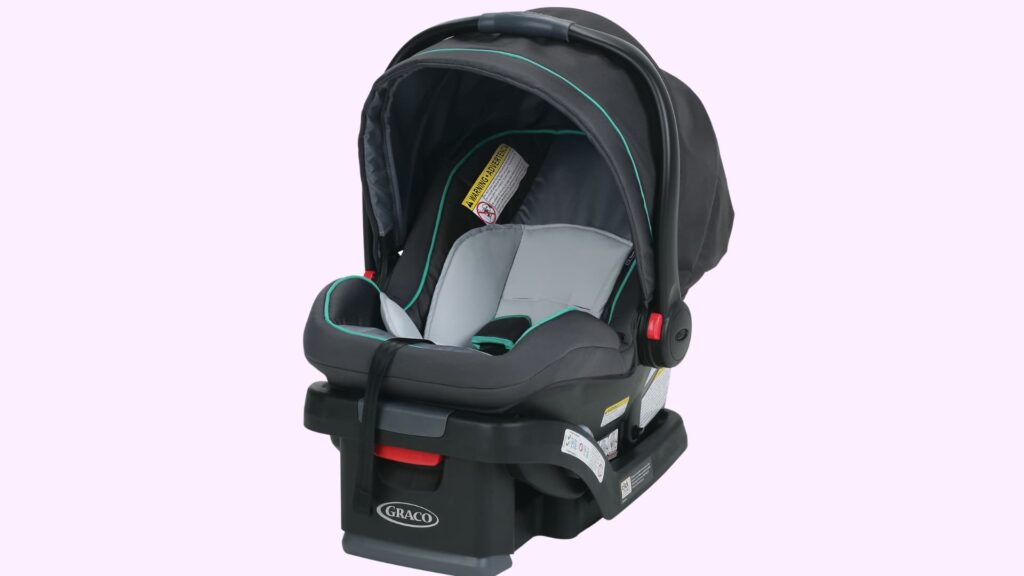
4. Graco SnugRide SnugLock 35
The Graco SnugRide SnugLock 35 proves you do not need to spend $400 to get a well-tested car seat.
It delivers crash-test results that rival seats costing far more, and the SnugLock installation system makes it straightforward to set up correctly.
For parents working with a tighter budget who still want a seat backed by real safety data, this is the most sensible pick on this list.
- Weight Range: 4–35 lbs
- Price: ~$100–$130
- Drawback: Fewer premium features compared to higher-priced options.
5. Graco Extend2Fit 3-in-1
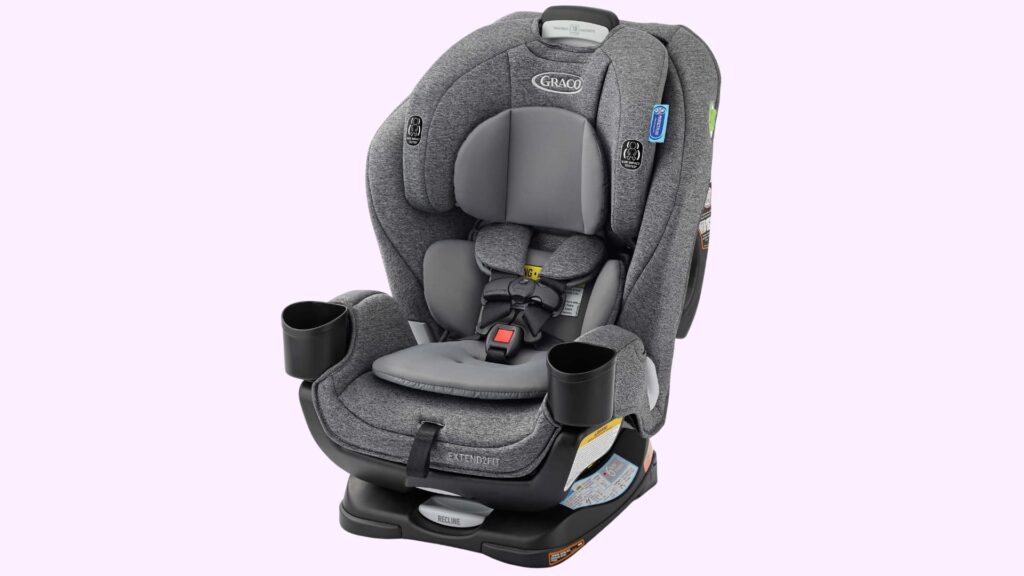
The Graco Extend2Fit stands out because of its extension panel, which adds 5 extra inches of legroom for rear-facing children.
This means kids can stay rear-facing longer, which is statistically 5 times safer than forward-facing for children under 2.
BabyGearLab testing found strong head and chest sensor performance, rivaling that of seats costing $100 more. The machine-washable cover is a practical bonus for everyday family use.
- Weight Range: 5–65 lbs (rear-facing up to 50 lbs)
- Price: ~$210
- Drawback: Bulkier than a dedicated infant seat.
6. Cybex Cloud T
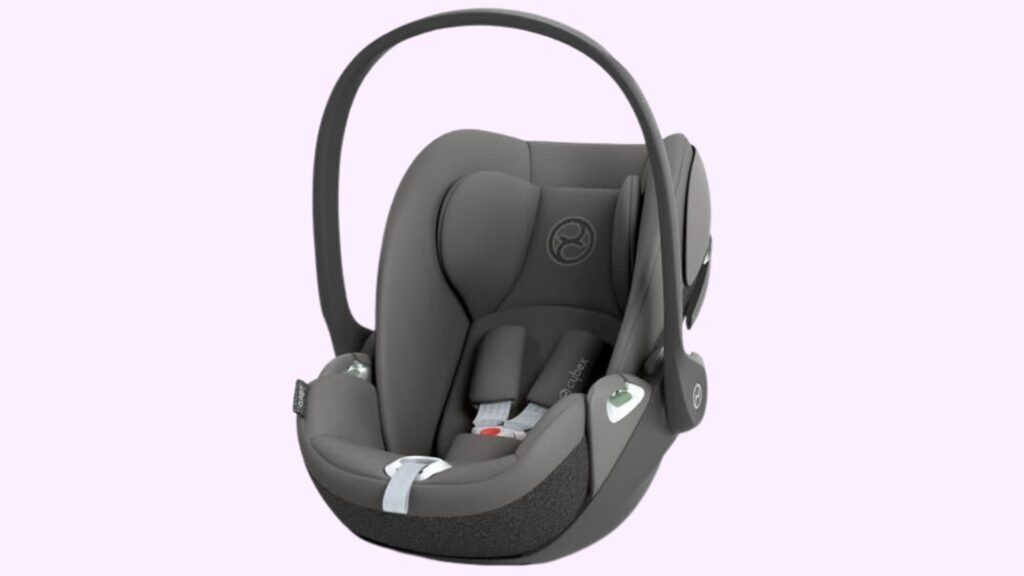
The Cybex Cloud T earned a spot on Consumer Reports’ top-rated list. Its load leg technology and multiple recline positions make it one of the most well-rounded infant seats available right now.
It supports babies as light as 4 lbs, making it a reliable option for premature infants. It also meets the updated 2025 federal side-impact standards, which came into effect this year.
- Weight Range: 4–35 lbs
- Price: ~$450
- Drawback: Higher price for an infant-only seat.
7. Nuna PIPA Lite RX
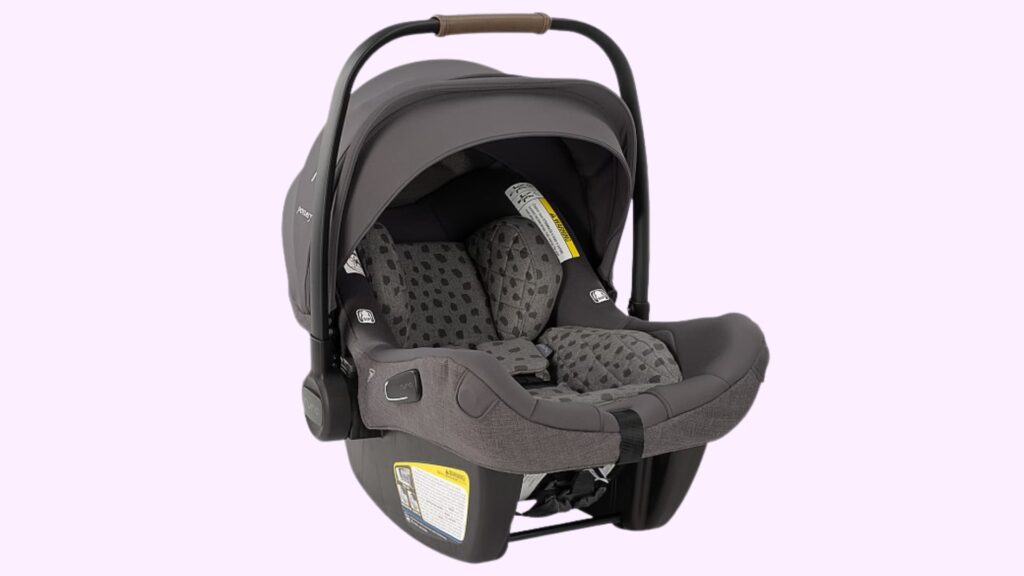
The Nuna PIPA Lite RX is one of the lightest infant carriers you can buy without cutting corners on safety.
It includes an anti-rebound bar and FR-free fabrics, while keeping the carrier weight low enough for parents who often carry the seat.
If you walk a lot, use public transport, or regularly move the seat between two cars, the weight difference becomes very noticeable over several months of daily use.
- Weight Range: 4–32 lbs
- Price: ~$480
- Drawback: Premium price for a lightweight build.
8. Clek Foonf
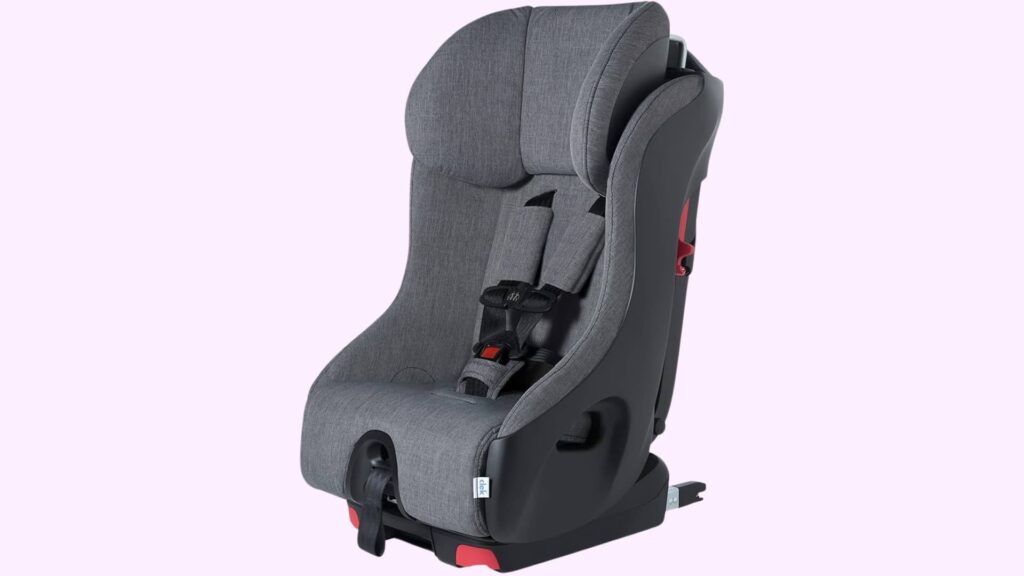
The Clek Foonf is a top-tier convertible seat for toddlers. Its REACT safety system uses rigid LATCH with energy-absorbing crumple zones to significantly reduce crash forces.
It works both rear-facing and forward-facing, covering a wide range of toddler sizes. The build quality is noticeably above average, and parents who invest in it often keep it through multiple children.
- Weight Range: 14–65 lbs
- Price: ~$550
- Drawback: One of the heaviest convertible seats available.
9. Graco 4Ever DLX
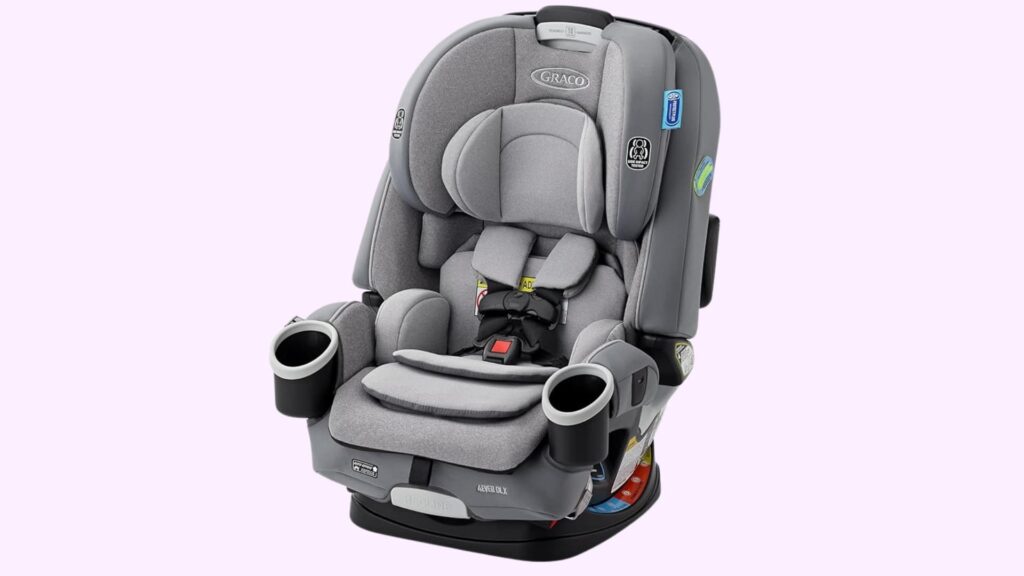
The Graco 4Ever DLX covers every stage from newborn to booster, with a weight range of 4 to 120 lbs. It removes the need to buy multiple seats as your child grows.
The InRight LATCH system makes installation quick, and the Simply Safe Adjust harness lets you change the headrest and harness height at the same time, without rethreading anything.
For parents who want one seat that lasts for years, this is the most cost-effective option on this list.
- Weight Range: 4–120 lbs
- Price: ~$280–$320
- Drawback: Very bulky and heavy to move between vehicles.
Quick Comparison Table
| Seat Name | Type | Weight Range | Price | Best For |
|---|---|---|---|---|
| Chicco KeyFit 30 Max | Infant | 4–30 lbs | ~$220 | Ease of use |
| Clek Liing | Infant | 4–35 lbs | ~$550 | Max safety |
| Nuna PIPA RX | Infant | 4–32 lbs | ~$500 | Premium pick |
| Graco SnugRide 35 | Infant | 4–35 lbs | ~$120 | Budget |
| Graco Extend2Fit 3-in-1 | Convertible | 5–65 lbs | ~$210 | Long-term use |
| Cybex Cloud T | Infant | 4–35 lbs | ~$450 | Preemie-friendly |
| Nuna PIPA Lite RX | Infant | 4–32 lbs | ~$480 | Lightweight |
| Clek Foonf | Convertible | 14–65 lbs | ~$550 | Toddlers |
| Graco 4Ever DLX | All-in-One | 4–120 lbs | ~$300 | All stages |
NHTSA Guidelines Every Parent Must Know
Rules are only useful if you actually know them. These NHTSA guidelines apply to every car seat sold in the US, and knowing them helps you use your seat correctly from day one.
- All infants must ride rear-facing. It is the law in all 50 states, with no exceptions.
- Keep your baby rear-facing as long as possible. Do not rush to flip the seat forward just because your child turns one.
- Rear-facing spreads crash forces across the back, head, and neck. Forward-facing concentrates those forces solely on the harness straps.
- The center rear seat is the safest position in the car. NHTSA data shows a 43% lower injury risk compared to a side back seat position.
- Switch to a rear-facing convertible after outgrowing the infant seat. Do not move to a forward-facing until your child hits that convertible seat’s limit.
- Never use a second-hand seat with an unknown history. A seat that has been in a crash may look fine, but may not hold up in another one.
How to Install a Baby Car Seat?
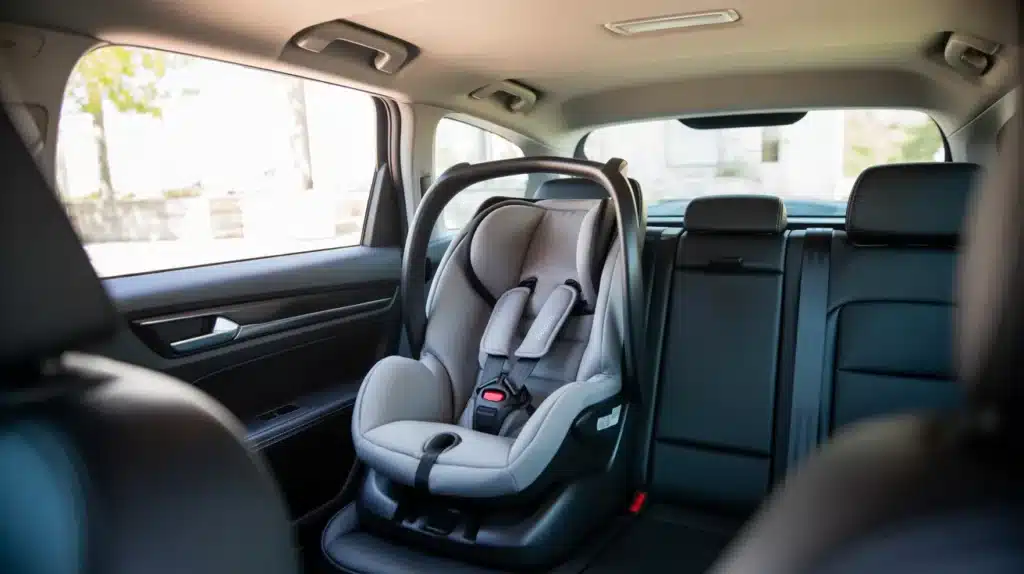
A car seat installed incorrectly can fail in a crash, no matter how well it is built. These steps are based on NHTSA guidance and recommendations from certified car seat technicians. Follow them carefully, and your child will be protected the way the seat was designed to protect them.
LATCH Installation
Step 1: Locate the LATCH anchors in your back seat. Look for two metal anchors in the crease between the seat cushion and the seat back. Most vehicles mark them with a small child seat symbol. If you cannot find them, check your car’s owner’s manual.
Step 2: Connect the lower LATCH connectors to the vehicle anchors. Press each connector firmly until it clicks and locks into place. Give each side a firm tug to confirm it is secured before moving to the next step.
Step 3: Attach the top tether strap to your vehicle’s tether anchor. The tether anchor location varies by vehicle. It is usually on the back of the rear seat, the rear shelf, or the vehicle floor. Your car manual will show you the exact spot.
Step 4: Tighten the LATCH strap until there is no slack. Use the seat’s built-in tightening strap and pull it firmly. The seat should sit flush against the vehicle seat with no visible gap underneath.
Step 5: Do the one-inch tug test. Grip the car seat at its base and push it side to side, then front to back. It must not shift more than one inch in any direction. If it moves more, tighten the straps and repeat the test.
Seat Belt Installation
Step 1: Route the seat belt through the correct belt path on the car seat. Every seat has a clearly labeled belt path for seat belt use. Using the wrong path is one of the most common and most dangerous mistakes parents make.
Step 2: Buckle the seat belt and allow it to retract on its own. Do not force the belt too tightly at this stage. Let it lock into position naturally before moving forward.
Step 3: Press your body weight into the seat while pulling the belt snug. Lean or kneel into the car seat as you tighten the belt. This removes the air gap between the seat and the vehicle cushion, giving you a firm fit.
Step 4: Activate the belt’s locking mode if your vehicle requires it. Some cars need you to pull the belt all the way out to engage the auto-lock feature. Check both your car manual and the car seat manual to confirm what your vehicle needs.
Step 5: Repeat the one-inch tug test. The seat must not move more than one inch in any direction. If it shifts, re-route the belt, start over, and test again until it holds firm.
| Baby Car Seat Recalls: How to Stay Updated
Register your seat with the manufacturer right after purchase so you receive recall alerts directly. Also, check the NHTSA recall database at nhtsa.gov using your seat’s make, model, and production year. Consumer Reports recently flagged safety concerns with the Diono LiteClik30 XT and the Peg Perego Primo Viaggio 4-35 Urban Mobility, so it is worth checking your specific model. A quick search every six months is all it takes. |
When to Switch from an Infant Seat to a Convertible Seat
Timing this switch correctly is one of the most important car seat decisions you will make as your child grows. Most babies reach the height limit of their infant seat before hitting the weight limit. Use this table to know exactly when it is time to make the move.
| Sign: It’s Time to Switch | What to Do Next |
|---|---|
| Baby’s head is within 1 inch of the top of the seat shell | Move to a rear-facing convertible seat right away |
| Baby has reached the seat’s maximum weight limit | Switch to a rear-facing convertible seat |
| Baby is 12 months old and still in a rear-facing infant seat | Consumer Reports recommends switching to a convertible at this stage |
| Baby’s shoulders sit above the highest harness slot | Switch the seat or check if a higher slot is available on your current model |
After switching, keep the convertible seat in rear-facing mode. Do not move to forward-facing until your child hits the convertible seat’s own rear-facing height or weight limit.
Baby Car Seat Safety Tips Most Parents Miss
Most parents do the basics right. These smaller details are where safety gaps often appear, even among careful, well-prepared parents.
- The center seat reduces injury risk by 43%. NHTSA data confirms this is the safest position in any vehicle.
- Car seats expire. Most expire 6 to 10 years from the manufacture date. The sticker on the bottom or back of your seat shows the exact date.
- Replace the seat after a moderate or severe crash. The structure may be compromised even when the seat looks completely undamaged.
- The chest clip must sit at armpit level. Placing it too low on the stomach can cause serious internal injuries during a crash.
- Thick winter coats compress on impact. Remove puffy jackets before strapping your child in. The harness will look snug, but will lose that fit instantly in a collision.
- Check your car insurance after an accident. Many policies cover the replacement of car seats after a crash. Call your provider before assuming you need to pay out of pocket.
How to Choose a Baby Car Seat?
Start with fit, not brand. The best baby car seat for your family is the one that fits your child’s current height and weight, installs securely in your specific vehicle, and is easy enough for you to use correctly every single time.
Check the manufacturer’s vehicle fit guide before you buy, because not every seat works in every car.
Set a realistic budget, but know that spending more does not automatically mean safer. A $150 seat installed correctly will always outperform a $500 seat installed incorrectly.
Final Notes
Picking the right baby car seat does not have to feel like a test you were not prepared for. Once you know what to look for, the decision becomes a lot clearer.
Focus on fit first. A seat that fits your baby, your car, and your daily routine will always be the right one. Price matters less than correct installation and consistent use every single time.
The best baby car seats give parents solid options at every budget. From the Chicco KeyFit 30 Max to the Nuna PIPA RX, there is a strong pick for every family.
Found this guide helpful? Have a seat, you love or a question you want answered? Drop it in the comments below.