


There is a point when even the most comfortable bed stops doing its job. It does not always happen dramatically. It is more of a slow shift, where you start waking up a little stiff, or you notice you sleep better somewhere else and cannot quite explain why. If your mattress has been around for years, it may not be supporting you the way it once did. Replacing it is not just about comfort, it can change how you feel during the day, especially when you are juggling kids, work, and everything else that never seems to slow down.
When Sleep Starts Slipping
You know your own body better than anyone, so when sleep starts to feel off, it is worth paying attention. Maybe you fall asleep fine but wake up multiple times, or you get out of bed feeling like you barely rested at all. These changes often get blamed on stress or a busy schedule, and those things do matter, but your mattress plays a bigger role than most people realize.
Over time, materials break down. What used to feel supportive can start to sag or develop uneven spots. Your body adjusts in small ways, and before long, your sleep quality takes the hit. It is not always obvious until you notice that a hotel bed or even your couch feels better than your own mattress, which is a clear sign something is off.
Habits That Help Sleep
Once you start thinking about replacing your mattress, it naturally leads to the bigger picture of sleep. A new mattress is a great reset, but it works best when paired with small shifts in your routine. Things like consistent bedtimes, limiting screen time late at night, and keeping your room comfortable all add up. These are the kinds of changes that support healthier sleep habits, and they do not have to be complicated or rigid to make a difference.
The goal is not perfection. It is creating an environment where your body can actually relax. A supportive mattress becomes the foundation for that, instead of something you have to work around. When your bed feels right, the rest tends to fall into place more easily, even on nights when everything else feels a little chaotic.
Trying Before Buying
Shopping for a mattress online might seem convenient, but there is a reason people still go into stores. Going in person to mattress stores to actually lay on different mattress styles is essential because you cannot fully understand how something feels until you are on it. What looks good on paper does not always translate to comfort in real life.
Different materials and firmness levels affect everyone differently. One person’s perfect mattress can feel completely wrong to someone else. Taking the time to lie down, roll over, and even sit on the edge gives you real information your body can trust. It also helps you notice details you might not think about, like how easy it is to move or whether it holds heat.
It may feel like an extra step, but it saves you from guessing. And when you are making a purchase that affects your sleep every single night, guessing is not the move.
Understanding Mattress Types
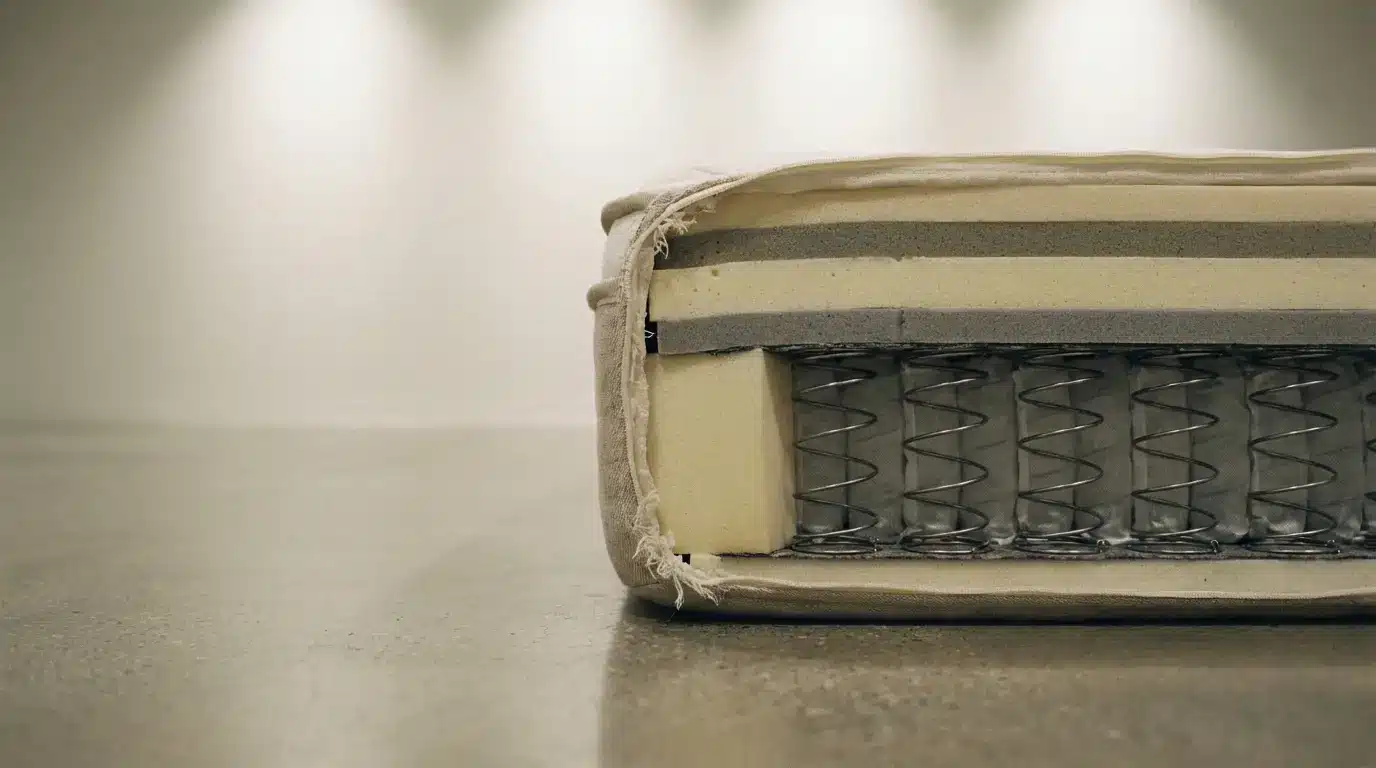
Once you start testing mattresses, the variety can feel a little overwhelming. Memory foam, hybrid, innerspring, latex, they all have their own feel and purpose. Memory foam tends to contour closely, which can feel cozy but sometimes a bit warm. Innerspring mattresses are more traditional, with a bouncier feel and more airflow. Hybrids try to balance both, offering support with a bit of cushioning.
There is no universal best option. It comes down to how you sleep and what your body responds to. Side sleepers often need more cushioning at the shoulders and hips, while back or stomach sleepers may prefer something firmer to keep the spine aligned. You will likely know within a few minutes of lying down whether something feels right or not.
Ignore trends and focus on what actually works for you. That instinct is usually more accurate than any label or sales pitch.
Timing the Upgrade
Most mattresses are not meant to last forever, even if they still look fine on the surface. A general guideline is around seven to ten years, but that can vary depending on the quality and how much use it gets. If you share your bed with kids, pets, or both, that timeline can shorten without you even realizing it.
There are also physical signs to watch for. Visible sagging, lumps, or noises from the springs are obvious clues. Less obvious are the subtle ones, like waking up with soreness or needing naps more often because your sleep feels incomplete. These are your body’s way of saying it is time.
Waiting too long tends to make things worse, not better. A worn-out mattress does not suddenly improve. It just keeps chipping away at your rest.
Making the Switch
Replacing a mattress can feel like a big decision, but it does not have to be complicated. Start with what you know you need, whether that is more support, less heat, or just something that feels comfortable again. Narrow your options, test them in person, and give yourself permission to take your time.
Budget matters, of course, but it helps to think of a mattress as something you use every single day. It is not a decorative piece. It is part of your daily routine in a way few other things are. Investing in something that supports you properly is one of those choices that pays off quietly, night after night.
If your current mattress is not helping you rest, there is no reason to keep pushing through it. There is something better out there, and once you find it, you will wonder why you waited.
A Better Night Starts Here
A new mattress is not a magic fix for everything, but it can shift how your nights feel in a very real way. When your body is supported and comfortable, sleep stops feeling like a struggle and starts feeling like what it is supposed to be, a break that actually restores you. That kind of rest carries into everything else, even on the busiest days.