

Family life does not usually fall apart in dramatic ways.
More often, people simply drift.
A child has school, homework, friends, screens, classes, and weekend plans. Parents are trying to manage work, meals, bills, errands, emotions, and the general noise of family life. Grandparents may live nearby, in another city, in another country, or in a senior living community. Everyone loves each other, but somehow weeks pass without a proper conversation.
No one meant to ignore anyone.
But closeness does not survive on good intentions alone.
That is the uncomfortable truth. If children and grandparents are going to stay close, families need small rhythms. Not big, exhausting plans. Not perfect Sunday gatherings every week. Just repeated moments that quietly say, “You are still part of our everyday life.”
In my view, that is the real key. Grandparents do not only want updates. Children do not only need occasional visits. What both sides need is a living relationship — one that has stories, jokes, rituals, shared memories, and a sense of belonging.
The good news is that this is possible even when life is busy.
But it has to be designed gently.
The Real Enemy Is Not Distance. It Is Silence.
Many families assume distance is the problem.
Grandma lives too far away. Grandpa is not comfortable with technology. The children are busy. Parents are tired. Time zones do not match. Visits are difficult.
All of that may be true.
But distance is not always what breaks the bond. Silence does.
A grandparent who lives across the world but speaks to a child every week can feel very close. A grandparent who lives 20 minutes away but only appears during holidays can feel surprisingly distant.
Children build emotional bonds through repetition. They remember the people who show up again and again. They feel close to the people who become part of their normal life.
That is why the goal should not be “make one big effort.”
The goal should be “create small contact that happens often.”
A short voice note every few days. A weekly video call. A photo after school. A simple Sunday ritual. These things may look small, but they stop the relationship from fading into the background.
Build One Simple Weekly Ritual First
The best place to begin is with one weekly ritual.
Not a complicated schedule. Not a long family meeting. Just one small, reliable moment that everyone can remember.
It could be a Sunday evening video call. It could be a Saturday morning breakfast call. It could be a Friday bedtime story from Grandma. It could be a 10-minute chess game with Grandpa every Wednesday.
The exact activity matters less than the rhythm.
A ritual gives grandparents something to look forward to. It also gives children a familiar emotional pattern. They begin to expect the connection instead of treating it like a rare event.
The mistake many families make is trying to make the ritual too grand. A one-hour call sounds lovely, but it may quickly become too much. A 10-minute call is easier to protect. It is better to have a short call every week than a long call once every two months.
During the call, keep things simple. Let the child show one drawing, one toy, one school notebook, one funny photo, or one thing they learned that week. Let the grandparent tell one memory, ask one question, or share one small update.
The call does not have to be impressive.
It only has to happen.
Give Children Something Specific to Do
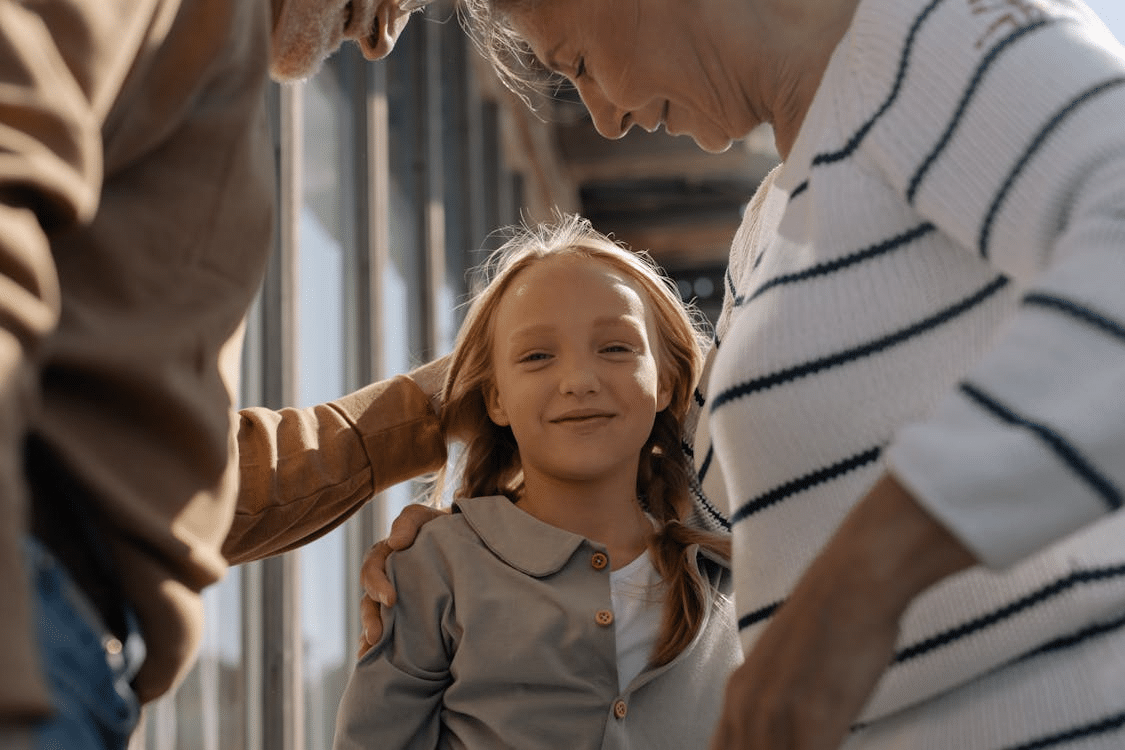
Children are not always good at open-ended conversation.
If you say, “Talk to Grandma,” they may freeze.
If Grandma asks, “How was school?” the child may say, “Fine.”
That does not mean the child does not care. It means the conversation needs a shape.
Give children a role.
Before the call, say, “Show Grandma your drawing,” or “Ask Grandpa what games he played when he was your age,” or “Read one page from your book,” or “Ask Grandma how she made that recipe.”
This makes the interaction easier for everyone.
The child no longer has to invent conversation. The grandparent gets a real point of connection. The parent does not have to carry the whole call.
Over time, these tiny roles create familiarity. The child begins to understand that grandparents are not just older relatives who ask polite questions. They are people with stories, skills, humor, and memories.
That is when the relationship becomes warmer.
Turn Grandparents Into Storytellers
One of the most powerful things grandparents can give children is family memory.
Children often know their grandparents only in their current role. Grandma is Grandma. Grandpa is Grandpa. But they do not always know who these people were before old age.
They may not know what their grandparents were like as children, what mistakes they made, what they feared, what they loved, what they survived, or how different life once was.
So create a story habit.
Once a week or once a month, ask a grandparent to tell one story.
Keep the questions simple:
“What was school like when you were little?”
“What did you do during holidays?”
“What was my mom or dad like as a child?”
“What food did you love growing up?”
“Did you ever get into trouble?”
“What is one thing you learned the hard way?”
These conversations are more than entertainment. They give children roots. They help them understand that their family has a past, and that they belong to a story larger than themselves.
They also make grandparents feel valued. A grandparent who is asked to tell stories is not being treated as a burden. They are being treated as a keeper of memory.
That matters deeply.
Let Grandparents Teach Something
Closeness grows faster when grandparents are allowed to contribute.
Too often, older relatives are placed only in the role of receiving care. They are called, visited, checked on, and updated. That is important, of course. But it is not enough.
People also need to feel useful.
Grandparents may know recipes, songs, prayers, family traditions, gardening, chess, sewing, budgeting, storytelling, languages, old games, or simple life skills. Let them teach these things.
A child can learn one family recipe from Grandma. A grandparent can teach a weekly chess move. A child can learn five words from a family language. Grandpa can explain how he fixed things around the house. Grandma can teach an old song.
The activity does not need to be perfect. In fact, it should not feel like a formal lesson. It should feel like passing something down.
This is one of the most natural ways to keep generations close because it gives the grandparent dignity and gives the child memory.
The child learns, “My grandparent knows things.”
The grandparent feels, “I still have something to give.”
That exchange is beautiful.
Use Photos to Keep Daily Life Open
A weekly call is helpful, but small updates between calls keep the relationship alive.
This is where photos are powerful.
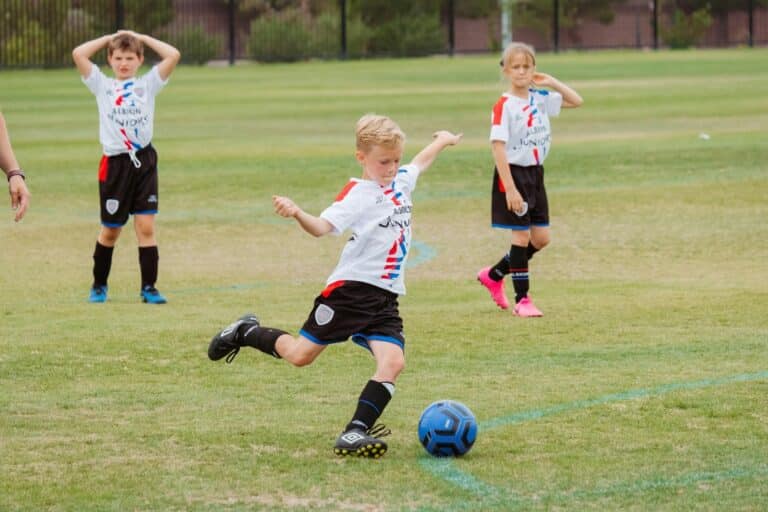
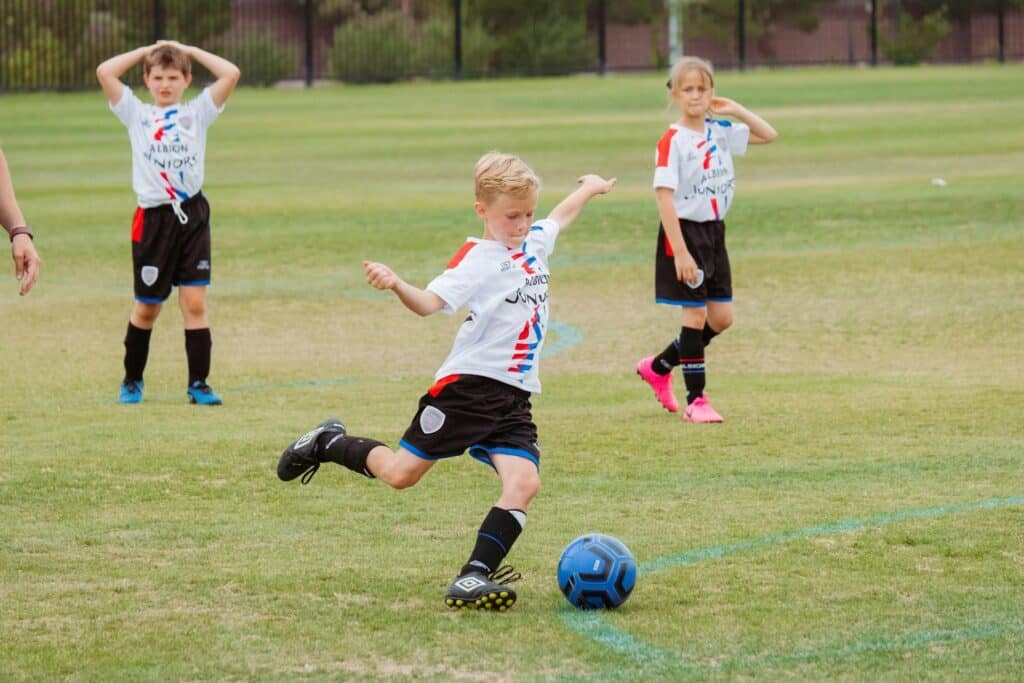
Send a photo of the child’s drawing. A school project. A new haircut. A lost tooth. A pet doing something silly. A meal. A football game. A birthday card. A messy baking attempt. A chessboard after a game.
These photos are not just images. They are invitations.
They say, “Look, this happened in our day, and we wanted you to see it.”
For grandparents, especially those who live alone or far away, this can mean a lot. They get to witness ordinary family life instead of only hearing about major events.
You can also let the child choose one photo each week to send. That small act gives the child ownership of the relationship.
It becomes normal to think, “Grandma would like to see this.”
That is exactly the kind of instinct families should try to build.
Make Visits Feel Familiar, Not Formal
When families do meet in person, the visit should not feel like strangers politely restarting a relationship.
This is where all the small contact helps.
If a child has been hearing stories, sending photos, playing games, or asking questions, then the visit feels like a continuation.
The child can say, “Grandpa, show me that chess move again,” or “Grandma, is this the recipe you told me about?” or “Can you tell the story about when Dad got into trouble?”
That kind of familiarity makes visits warmer.
Without it, visits can become awkward. Children may feel shy. Grandparents may feel unsure. Parents may feel pressure to make the meeting meaningful.
The best family visits are not performances. They are extensions of an existing relationship.
That is why the in-between moments matter so much.
Invite Grandparents Into the Child’s World
The relationship should not only be about the past.
Grandparents should also be invited into the child’s present.
If the child loves dinosaurs, let them explain dinosaurs. If they love Minecraft, explain the basic idea to the grandparent. If they are learning dance, coding, football, music, or chess, show a little piece of it.
Grandparents do not need to understand every detail. They only need to understand why the child cares.
Parents often make the mistake of saying, “Oh, Grandma won’t understand this.”
Maybe not immediately. But that is not a reason to exclude her. It is a reason to translate.
Say, “He built a house in a game,” or “She learned a new song,” or “He solved a hard puzzle,” or “She won a chess game online.”
This helps grandparents enter the child’s world instead of being left outside it.
And when grandparents show interest, children feel proud. They feel seen.
Use Technology without Letting It Replace Family
Technology can make connection easier, especially when families are spread across cities or countries.
Video calls, shared albums, voice notes, online games, reminders, and family group chats can all help. Used well, they make grandparents part of everyday life.
But technology should support attention, not replace it.
A distracted video call where everyone is multitasking will not do much. A short, focused call where the child shows one thing and the grandparent responds warmly can be far more meaningful.
There is also a newer role for technology in elder care. For example, an AI companion for elderly people can offer gentle conversation, reminders, and check-ins during quiet parts of the day. For older adults who live alone, that can be helpful between family calls.
Similarly, in healthcare or senior living settings, an AI receptionist for healthcare can help manage calls, route questions, and reduce missed communication. That can make it easier for families to stay connected with care teams and older loved ones.
But the principle must be clear: technology should reduce loneliness, not excuse absence.
No AI tool can replace a grandchild’s laugh, a family story, or a real call from someone who loves you. The best use of technology is to make human connection easier to maintain.
Keep Teenagers Connected Differently
Younger children may enjoy drawings, stories, games, and simple calls.
Teenagers often need a different approach.
Do not force them into sweet, childish interactions if they have outgrown them. Instead, invite deeper conversations.
A teenager can ask a grandparent about career choices, mistakes, marriage, money, grief, confidence, exams, friendship, or how life changed over the decades.
Grandparents often have more to offer teenagers than teenagers expect.
The trick is to treat the relationship with respect. Do not make it feel like a family duty. Make it feel like access to someone who has lived a full life.
A teenager may resist a formal “call Grandma now” instruction.
But they may respond to, “Ask Grandpa what he wishes he knew at your age.”
That kind of question opens a different door.
Keep the Standard Realistic
Families do not need another source of guilt.
You will miss calls sometimes. Children will be moody. Grandparents may be tired. Parents will forget to send photos. Visits may be delayed. That is normal.
The goal is not perfection.
The goal is to keep returning.
If one week is missed, call the next week. If a long video call is impossible, send a voice note. If the child is too tired to talk, send a photo. If the grandparent cannot manage technology, use ordinary phone calls.
Small efforts count.
In family life, consistency matters more than elegance.
Final Thoughts: Closeness Is Built Quietly
Kids and grandparents stay close when the relationship becomes part of ordinary life.
Not rare.
Not forced.
Not saved only for holidays.
Ordinary.
A weekly call. A shared recipe. A photo. A story. A game. A question. A short message. A visit that feels familiar because contact has continued in between.
These things may look small, but they are how love stays active.
Life will remain busy. That will not change. But busyness does not have to become distance.
When families build simple rhythms, grandparents remain more than relatives children occasionally visit. They become part of the child’s emotional world.
And that is the real goal.
Not perfect communication.
Not constant availability.
Just a steady message, repeated in many small ways:
“You are still with us. You still matter. You are still family.”