

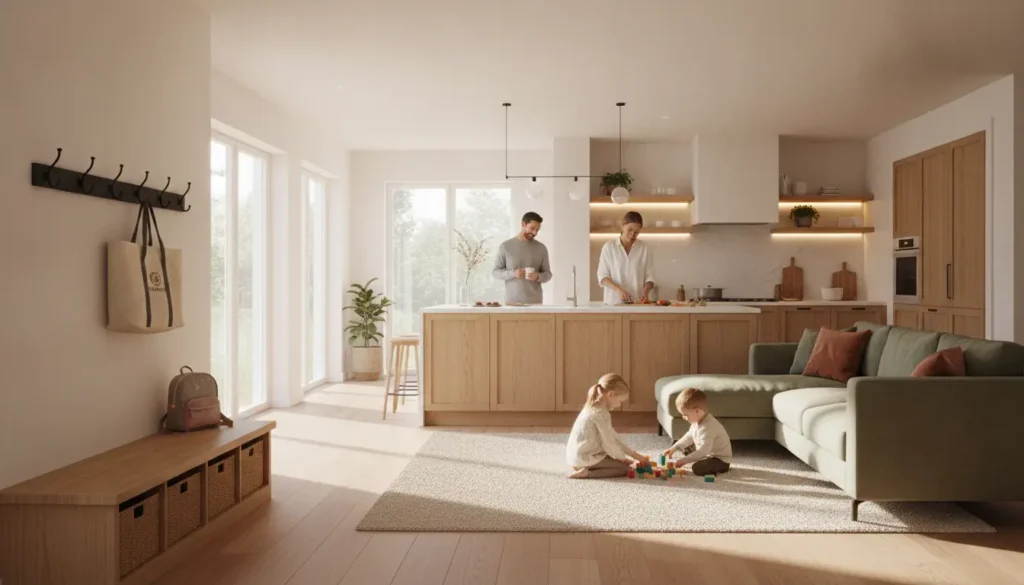
A comfortable home rarely depends on sheer square footage or high-end luxury. More often, the most rewarding upgrades come down to functional adjustments that cut down on daily friction, streamline how rooms work, and keep up as household routines evolve over time.
Comfort looks like restful bedrooms, smarter storage, abundant daylight, lower-maintenance surfaces, or layout choices that handle multiple tasks at the same time. When legacy windows leak cold air, let in street noise, or create hot spots, speaking with window replacement contractors provides a solid step toward stabilizing climate control through every season.
Improve the Entryway
Entry zones take a heavy beating on a daily basis. Without dedicated homes for shoes, backpacks, jackets, sports gear, house keys, and groceries, gear accumulates near the door fast.
Adding heavy-duty wall hooks, a low seating bench, cubbies, and a dedicated shelf turns even a modest doorway into a hard-working hub. If everyone comes in through the side porch or garage door, put these organizational updates right there instead of investing in a grand front foyer nobody uses.
Setting up a functional drop station keeps chaotic morning departures on schedule and blocks stray items from spilling over onto kitchen counters or living room furniture.
Make the Kitchen Easier to Use
Kitchens routinely double as study halls, coffee bars, catch-up hubs, prep stations, and party gathering spots.
Study traffic flow and foot patterns before choosing countertop materials or cabinet fronts. Deep base drawers pull heavy pots and pans out into the open, while an organized pantry system clears clutter off food prep surfaces. When space permits, a center island adds extra chopping area and informal seating without blocking the main work triangle between the sink, fridge, and stove.
Practical lighting makes a major functional impact. Under-cabinet strip lights brighten up dark prep corners, while balanced ceiling fixtures keep the whole space usable long after sundown.
Create Flexible Living Areas
Household routines shift as kids grow, making multi-purpose spaces one of the smartest investments for lasting usability.
A dining table can host laptop work or school projects during the day. A spare bedroom easily accommodates a small desk for working from home. An unused nook in the main living space can transform into a reading corner or toy area without framing a single wall.
Strategic furniture placement sets clear boundaries between these zones. Plan layouts around how your household might use the space five years down the line rather than locking in choices based solely on this week’s needs.
Reduce Noise Between Rooms
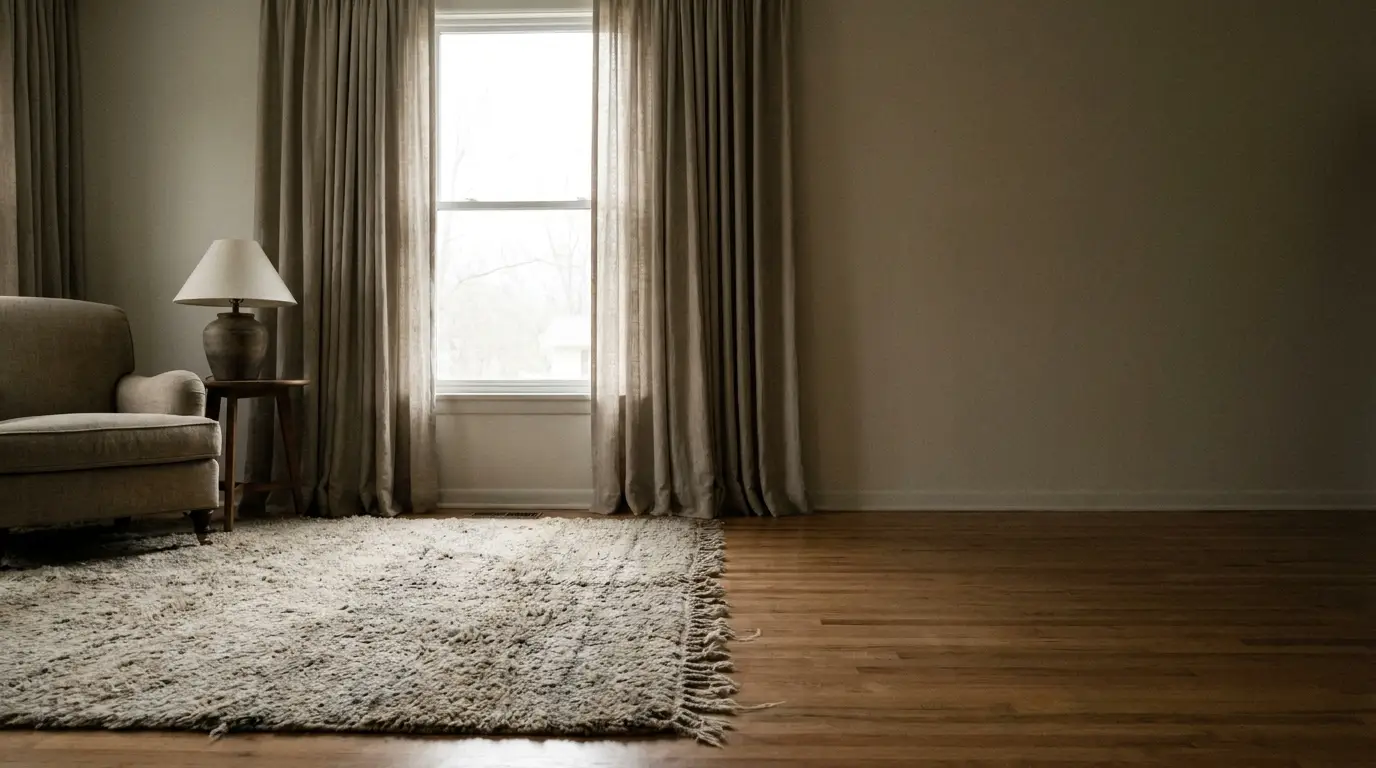
Sound carries fast when multiple people tackle different activities under one roof.
Thick area rugs, heavy window drapes, and cushioned seating absorb ambient echoes throughout open layouts. Swapping hollow doors for solid-core models upgrades privacy across bedrooms and home offices, while adding wall cavity insulation during broader structural work blocks noise transmission between rooms.
Targeted acoustic dampening pays off along shared walls between noisy living spaces and sleeping quarters, or near rattling laundry setups. The aim isn’t building a soundproof vault, but giving everyone enough acoustic buffer to study, rest, play, or watch TV simultaneously.
Improve Temperature Comfort
Spaces that swing hot in summer or stay freezing in winter end up abandoned by everyone in the house.
Pinpoint what drives the thermal imbalance first. Leaky window seals, harsh afternoon sunlight, thin insulation, or improperly balanced HVAC ductwork each disrupt room temperatures in different ways.
Fresh weatherstripping, reversible ceiling fans, insulating shades, and added attic fiberglass yield immediate thermal gains. For properties with aging glass panes, upgrading windows stabilizes internal room temperatures while blocking chilly drafts and outdoor traffic noise.
Fixing these climate issues reclaims bedrooms, family spaces, and den areas so your family can use them comfortably through all four seasons.
Add Storage Where You Actually Need It
Built-in storage works best when installed right where clutter naturally lands.
If toys accumulate in the main den every afternoon, set up bins right there rather than fighting an uphill battle to haul everything back upstairs. If bills, mail, and permission slips pile up on kitchen island corners, establish a dedicated wall organizer or filing niche right next to that spot.
Custom cabinetry converts awkward spots under staircases, fireplace alcoves, or blank hallway stretches into functional capacity. Lift-top storage benches offer another smart way to hide items in plain sight.
Cabinets and drawers with doors serve shared living rooms best because they let you stash items out of sight without spending an hour meticulously organizing them.
Make the Laundry Area More Functional
Doing laundry takes up weekly hours, meaning even small physical improvements in this room pay back continuous time dividends.
Mounting a wide countertop across front-loading washers creates instant folding real estate. Overhead cabinets keep soap, stain treatments, and cleaning supplies tucked away, while a slim hanging rod gives delicates a dedicated spot to air dry.
Ample overhead lighting and strong exhaust ventilation keep utility spaces from feeling like dark closets. Compact laundry closets function with surprising efficiency once you add smart vertical storage and clear working surfaces.
Improve Busy Family Bathrooms
Shared bathrooms bear the brunt of morning rush hours when everyone needs to get ready on a tight clock.
Full-extension vanity drawers keep personal items visible and reachable far better than deep under-sink cabinets. Low wall hooks work much faster for young kids than traditional towel bars, while recessed medicine cabinets or shower niches gain valuable storage without stealing floor space.
Installing a double sink vanity eases morning bottlenecks whenever the floor plan permits. Bright vanity lighting and low-maintenance, stain-resistant tiles cut down on daily cleanup hassles.
Bring in More Natural Light
Unlocking natural daylight brightens up living quarters and makes small rooms feel expansive without shifting structural walls.
Thick drapes, dark paint, and oversized furniture placed near windows block sunlight from reaching interior corners. Sheer window fabrics, light wall tones, and strategically placed mirrors bounce sunlight deeper into the floor plan.
Preserving privacy does not mean shutting out the sun entirely. Frosted glass panels or top-down, bottom-up shades bring natural light into street-level rooms or bathrooms while blocking unwanted views from passersby.
Make Outdoor Space Easier to Use
Bridging the gap between indoor rooms and outdoor yards expands your usable living space during warm months.
Laying down a straightforward patio, adding a shaded dining pergola, or paving a smooth walkway from the kitchen door out back makes outdoor meals and backyard play second nature. Dedicated deck boxes or shed storage for bikes, lawn toys, garden tools, and patio cushions keep the yard organized.
Treat your backyard as an extension of daily home life rather than viewing it as a separate, isolated project.
Choose Upgrades That Solve Everyday Problems
The best home investments deliver quiet, daily convenience long after the novelty of cosmetic changes fades.
Smart storage calms early morning rushes. Sound dampening lets teenagers practice music while parents work or sleep undisturbed. Better lighting setups and balanced room temperatures ensure every corner of the house stays usable around the clock.
Pinpoint the exact daily bottlenecks that cause friction in your house before drafting project budgets. Tackling those specific functional pain points first transforms how your home lives, adapts, and feels without tearing down every wall.