

Traditional school isn’t working for everyone anymore. Long commutes.
Crowded classrooms. Teaching methods that don’t match how your child learns best. More parents are asking: what if there’s a better way?
Homeschooling has changed. It’s not just textbooks at the kitchen table. Today’s families have access to online courses, co-ops, and flexible curricula that make teaching at home realistic and effective.
This guide breaks down what homeschooling really looks like today. We’ll cover the key benefits, clear up common myths, compare it to online schooling, and help you decide if this path fits your family.
Let’s look at why so many are making the switch.
What Is Homeschooling and How Does It Work Today?
Homeschooling is when parents teach their children at homeinstead of sending them to traditional school.
Families pick their own curriculum, set their own hours, and adjust lessons to fit each child’s needs.
Some use structured programs that look like regular school, while others take a relaxed approach focused on real-world learning.
The biggest difference from traditional schooling is flexibility. Parents can teach at their child’s pace, spend extra time on hard topics, and build lessons around family life.
You don’t need a teaching degree to homeschool. Many families use online courses, tutors, and local co-ops for support.
Homeschooling vs Online Schooling: Key Differences
Many people confuse homeschooling with online schooling, but they work very differently. Here’s a clear breakdown of how they compare:
| Aspect | Homeschooling | Online Schooling |
|---|---|---|
| Who’s in charge | Parents lead and choose what to teach | The school or program sets the curriculum and schedule |
| Flexibility | Families decide when and how to learn each day | Fixed class times and deadlines set by the program |
| Curriculum control | Parents pick or create lessons based on the child’s needs | Pre-set courses that all students must follow |
| Teaching style | Adjusted to fit each child’s learning style | Standardized approach for all enrolled students |
| Schedule freedom | Learn any time, take breaks when needed, and go at your own pace | Must attend live sessions or meet program deadlines |
| Grading and testing | Optional or parent-decided | Required tests, assignments, and report cards |
Which option works best?
If you want complete control over what and how your child learns, homeschooling gives you that freedom.
If you prefer a ready-made program with teachers handling instruction while your child stays home, online schooling might be a better fit. Some families even combine both approaches.
Why Choose Homeschooling? Top Benefits
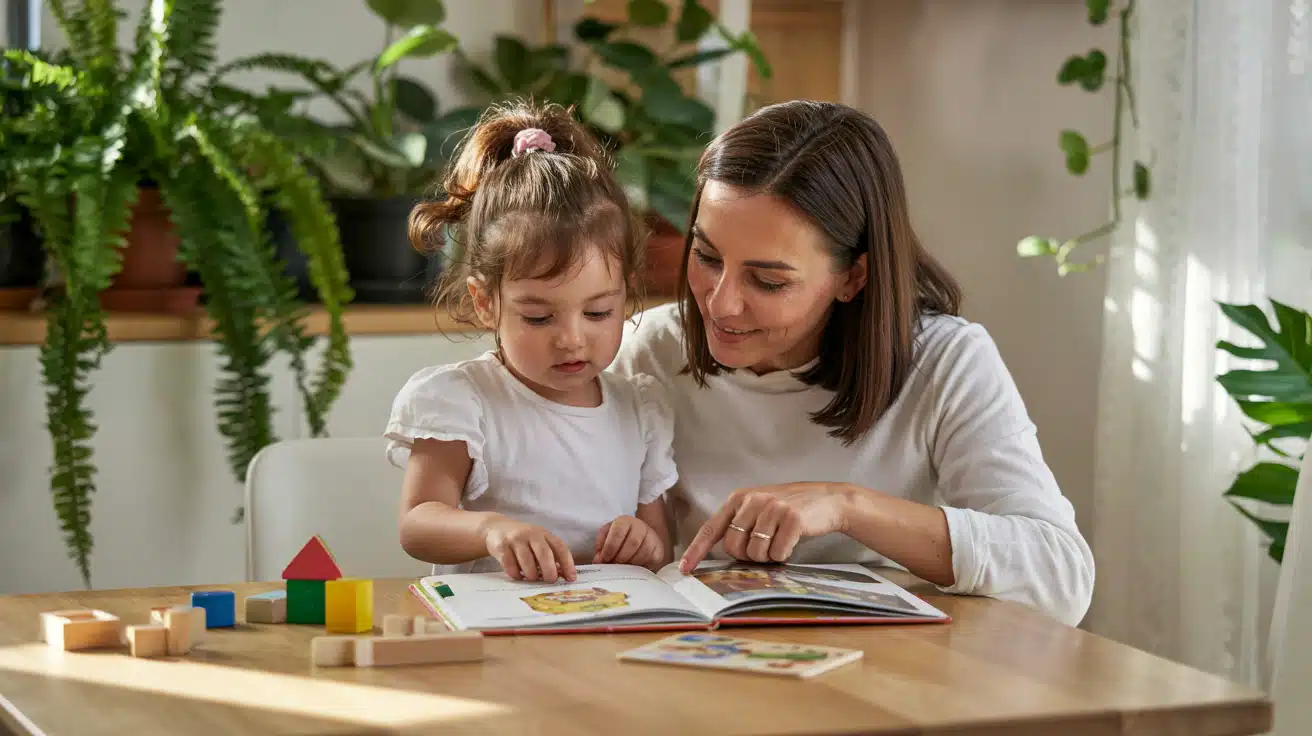
Homeschooling offers families unique advantages that traditional schools can’t match. Here are the top benefits that make this learning path so appealing to more parents today.
1. Personalized Learning for Every Child
Children learn at their own pace without pressure to keep up or slow down for others. Parents can adjust lessons to match their child’s learning style, whether they learn best through videos, hands-on activities, or reading.
Potential challenges: Requires parent time and effort to plan customized lessons daily.
2. Flexible Schedules and Better Work-Life Balance
Families control when and where learning happens each day. You can start late, take midweek breaks, or travel during off-peak times without missing anything.
Potential challenges: Needs discipline to stick to a routine without a school structure.
3. Stronger Academic Focus
Children finish lessons faster with fewer distractions and interruptions. What takes an hour in a crowded classroom often takes just 20 to 30 minutes at home.
Potential challenges: Parents must create a distraction-free learning space at home.
4. Improved Emotional Well-Being
Kids avoid bullying, peer pressure, and constant social comparison that harm self-esteem. They learn in a safe environment where mistakes are okay, and questions are welcome.
Potential challenges: Parents need to watch for signs of isolation or loneliness.
5. Freedom to Learn Beyond the Classroom
Museums, parks, businesses, and community spaces become learning labs. Children experience history at historical sites, practice math at grocery stores, and study science in nature.
Potential challenges: Requires planning and sometimes travel to access learning opportunities.
6. Values-Based and Interest-Driven Education
Families teach subjects that align with their beliefs and priorities. If your child loves art, spend extra months on it and let them follow their passions.
Potential challenges: Easy to skip subjects that the child (or parent) finds difficult or boring.
7. Meaningful Socialization Opportunities
Homeschooled kids interact with mixed-age groups through co-ops, clubs, sports, and community activities. They learn real social skills by talking to adults, helping younger children, and working with diverse people.
Potential challenges: Parents must actively seek out and arrange social opportunities.
8. Stronger Family Bonds
Parents witness their children’s growth and learning moments firsthand every day. Siblings spend more time together and often become close friends.
Potential challenges: Constant togetherness can sometimes lead to tension or burnout.
9. Long-Term Life and Career Skills
Children develop independence, time management, and problem-solving skills early on. Many homeschoolers take on real responsibilities like budgeting, cooking, or apprenticeships during their teen years.
Potential challenges: Requires giving children age-appropriate responsibilities and letting them learn from mistakes.
Myths About Homeschooling and the Truth
Many misconceptions about homeschooling still exist today. Let’s clear up the most common myths with facts that show what homeschooling really looks like.
| Myth | Truth |
|---|---|
| Homeschooled children lack social skills | Social skills develop through co-ops, clubs, sports, and community activities. |
| Parents need teaching degrees | Most programs provide ready-made curriculum and learning support. |
| Homeschooling limits college opportunities | Many colleges accept and value homeschooled students. |
| Homeschooling is too restrictive | Homeschooling allows flexibility, creativity, and choice in learning. |
The Rise of Homeschooling in the United States
Homeschooling has grown rapidly over the past decade, with millions more families choosing this path each year.
Parents are making this shift for better control over education quality, flexible schedules, and personalized learning that fits their child’s needs.
Modern tools like online curricula, virtual classes, educational apps, and homeschool co-ops have made teaching at home easier than ever before.
You don’t need to create lessons from scratch anymore. These resources give parents confidence that they can provide a quality education without traditional school training.
As more families see the benefits and share their success stories, interest in homeschooling continues to grow across all backgrounds and income levels.
Wrapping It Up
Homeschooling offers tangible benefits that traditional schools often can’t provide: personalized learning, flexible schedules, stronger family bonds, and freedom to teach your way.
It’s not perfect for everyone, but for families seeking control over their child’s education, it’s worth serious consideration.
The myths about socialization and college readiness don’t hold up against the facts. Homeschooled kids thrive academically and socially when parents stay committed and involved.
Ready to learn more? Start by researching your state’s homeschooling laws and connecting with local homeschool groups.
What questions do you have about homeschooling? Share them in the comments below.