
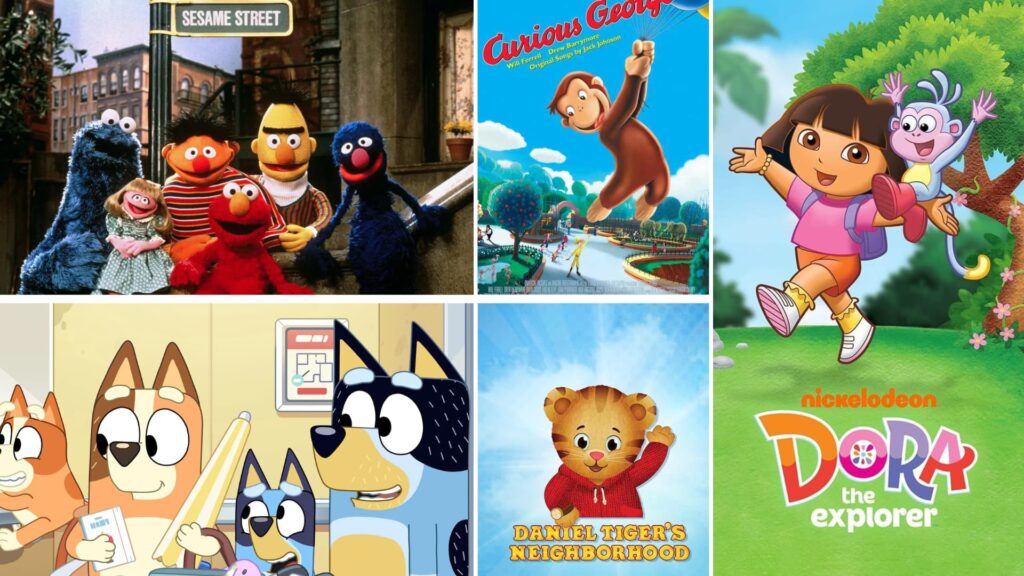
Most kids will watch TV no matter what. The real question is whether what they watch actually does something useful. Good educational shows for kids do not feel like lessons.
They feel like fun. And that is exactly the point.
This list covers the best educational shows for kids, sorted by age, platform, and what each show actually teaches. No filler picks.
Why Educational Shows Actually Work?
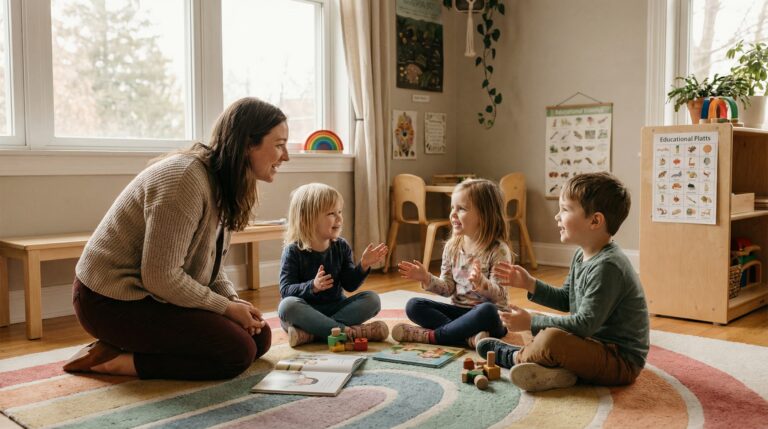
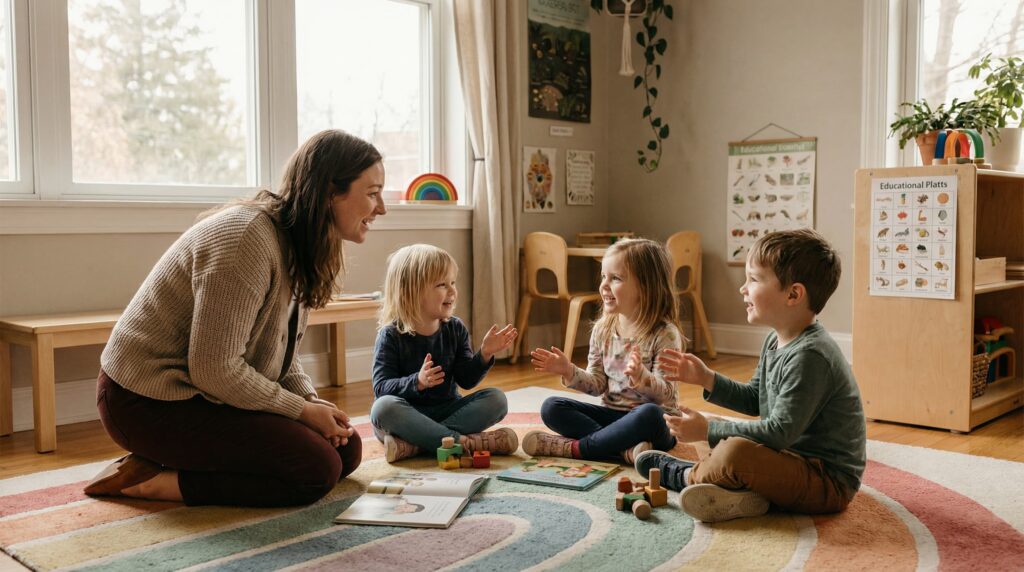
The American Academy of Pediatrics says co-viewing, where a parent watches alongside a child and discusses what is on screen, can significantly boost preschool literacy, early math skills, and language development.
Research from the U.S. Ready to Learn initiative supports this, showing that well-structured programs with clear stories and repeated vocabulary improve verbal ability and social skills in measurable ways, especially when an adult is part of the viewing experience.
What to Look for in a Good Educational Show
Not all kids’ TV is created equal. Before you press play, here is a quick checklist of what separates a genuinely good show from one that just keeps kids quiet.
- Clear learning goals: The show should teach a specific skill, such as reading, math, empathy, or science, not just tell a story.
- Age-appropriate pacing: A show made for a 3-year-old moves at a very different speed than one for a 10-year-old. Pacing matters more than most parents realize.
- Interactive cues: The best shows ask kids to respond, repeat words, or solve small problems during the episode.
- No overstimulation: For toddlers especially, slower visuals and calmer sounds support better focus and retention.
- Made with educators: Shows built with input from child development experts tend to have a real curriculum behind them, not just fun characters.
- Diversity and emotional balance: Showing different family types, feelings, and ways to handle conflict helps kids understand the world beyond their own experience.
The 14 Best Educational Shows for Kids
Below is the full list with details on each show. Every pick here has a clear learning purpose and a real parent and educator backing. The sub-sections under each show cover different angles, so you get a complete view, not the same information repeated three times.
1. Sesame Street
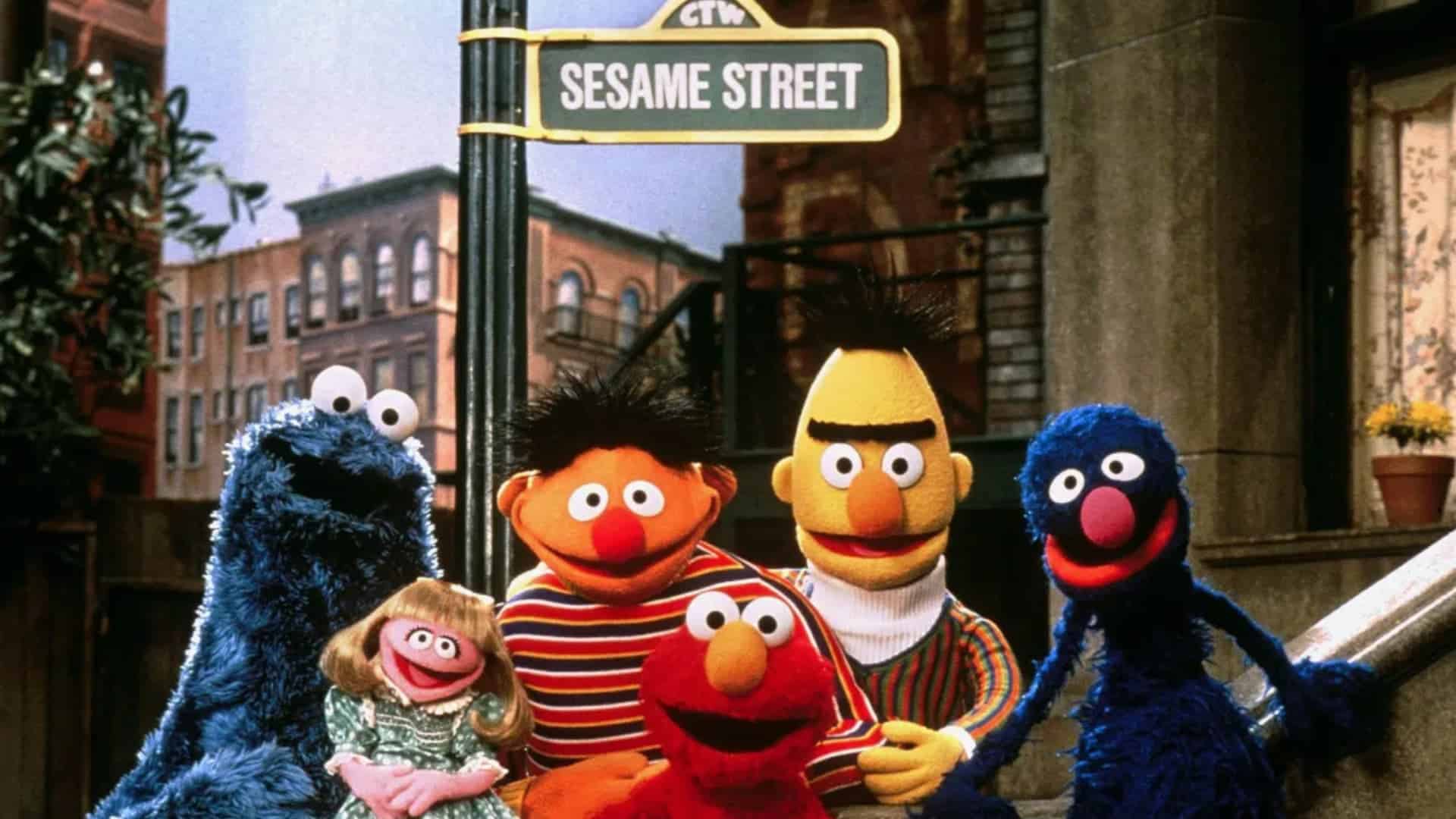
Platform: HBO Max, PBS Kids | Age Range: 2–6 | Release Year: 1969 (ongoing)
Sesame Street has been on air for over 50 years, and it still holds up. The show was originally created to help children from disadvantaged backgrounds prepare for school, and that mission has not changed.
It uses puppets, animation, live action, and celebrity appearances to cover literacy, numeracy, and emotional learning all in one place.
2. Bluey
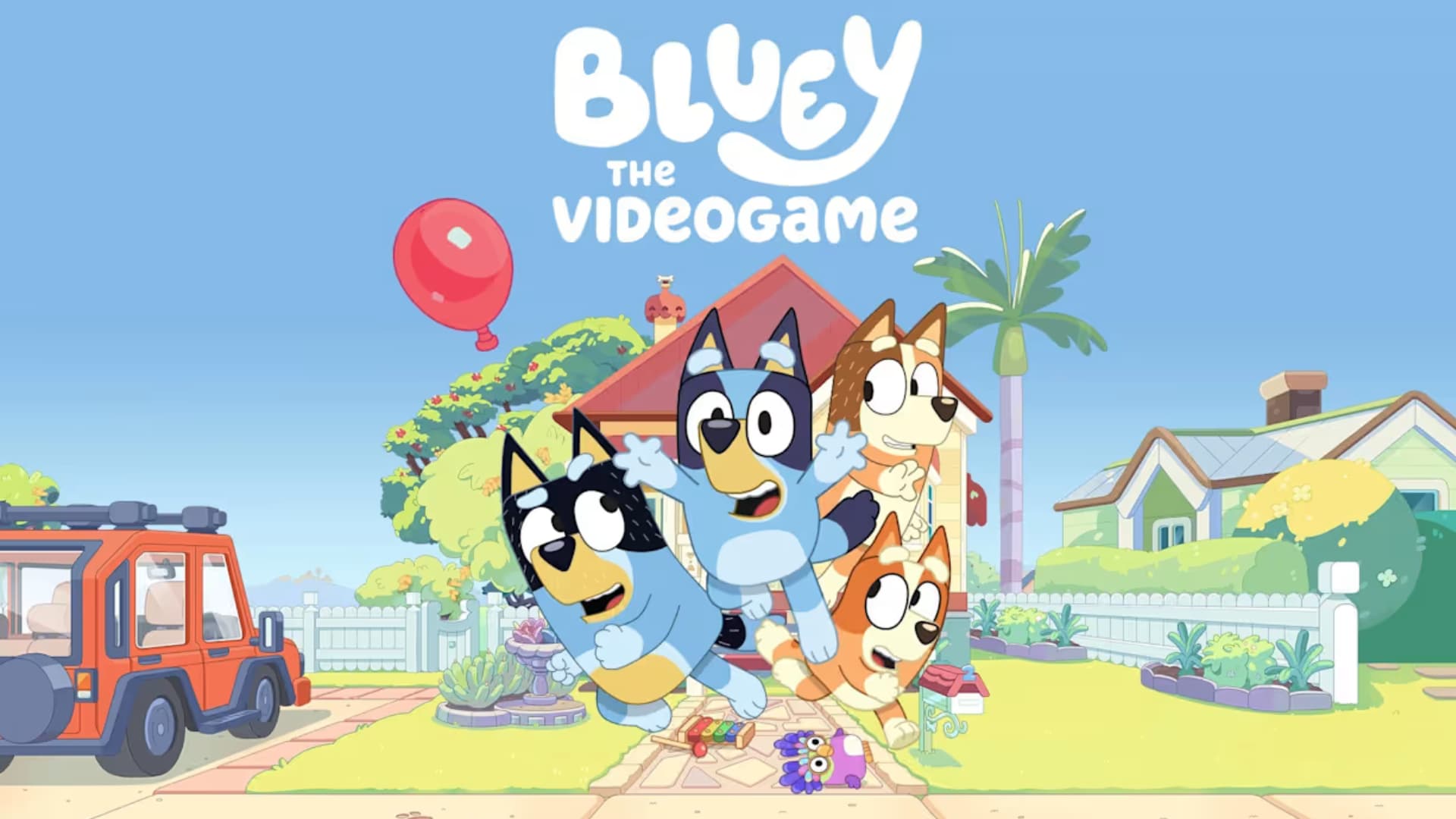
Platform: Disney+, ABC Kids | Age Range: 3–8 | Release Year: 2018 (ongoing)
Bluey is an Australian animated series that follows a 6-year-old Blue Heeler puppy and her family through everyday life. Episodes run about 7 minutes, which is short enough to hold a toddler’s attention and deep enough to leave older kids thinking.
3. The Magic School Bus
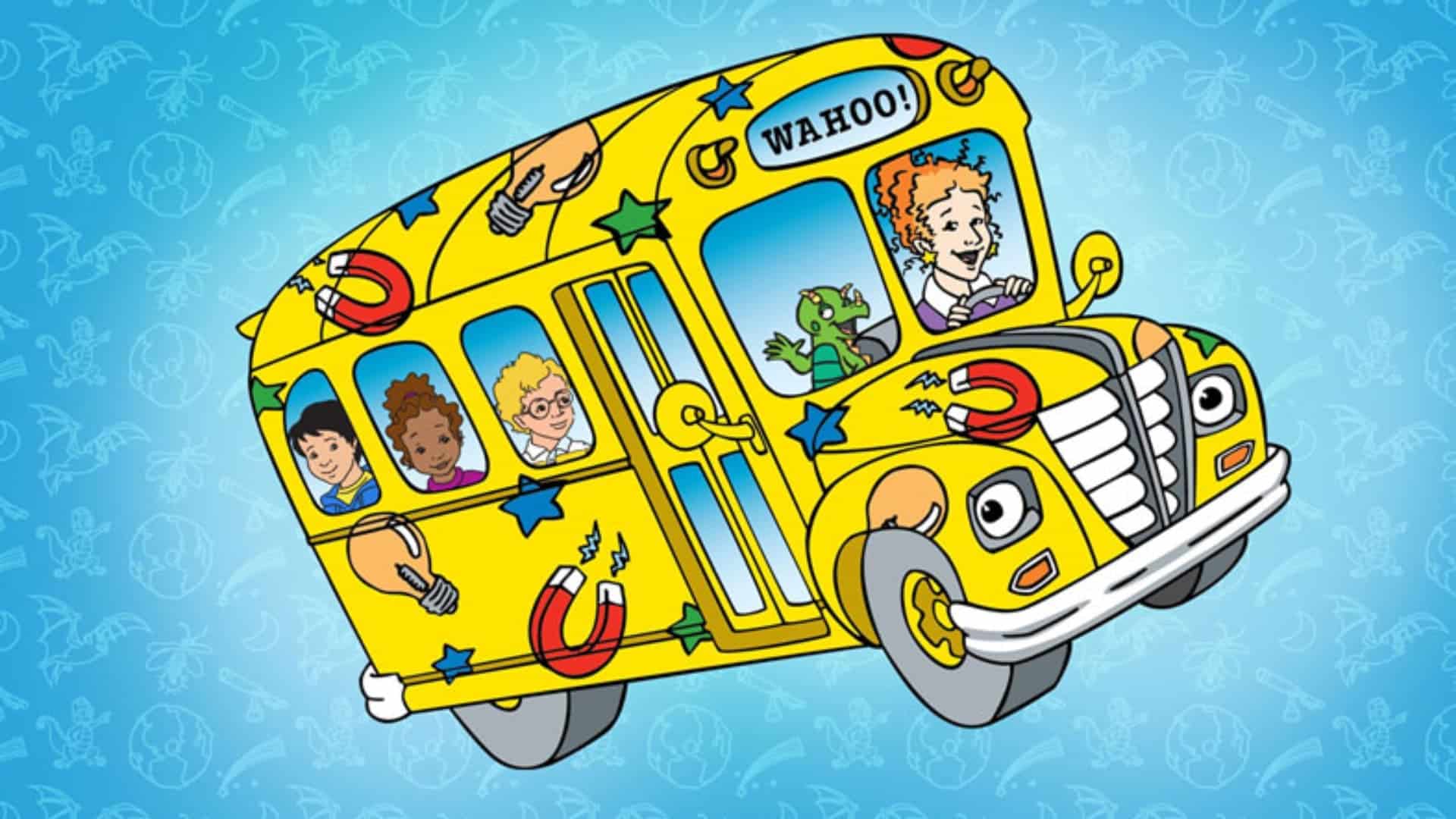
Platform: Netflix | Age Range: 5–10 | Release Year: 1994 (Netflix reboot: 2017)
Ms. Frizzle and her class go on field trips inside volcanoes, through the human body, and into outer space. The show does not water down science. It explains concepts such as ecosystems, digestion, and weather through stories, humor, and hands-on problem-solving.
4. Mister Rogers’ Neighborhood
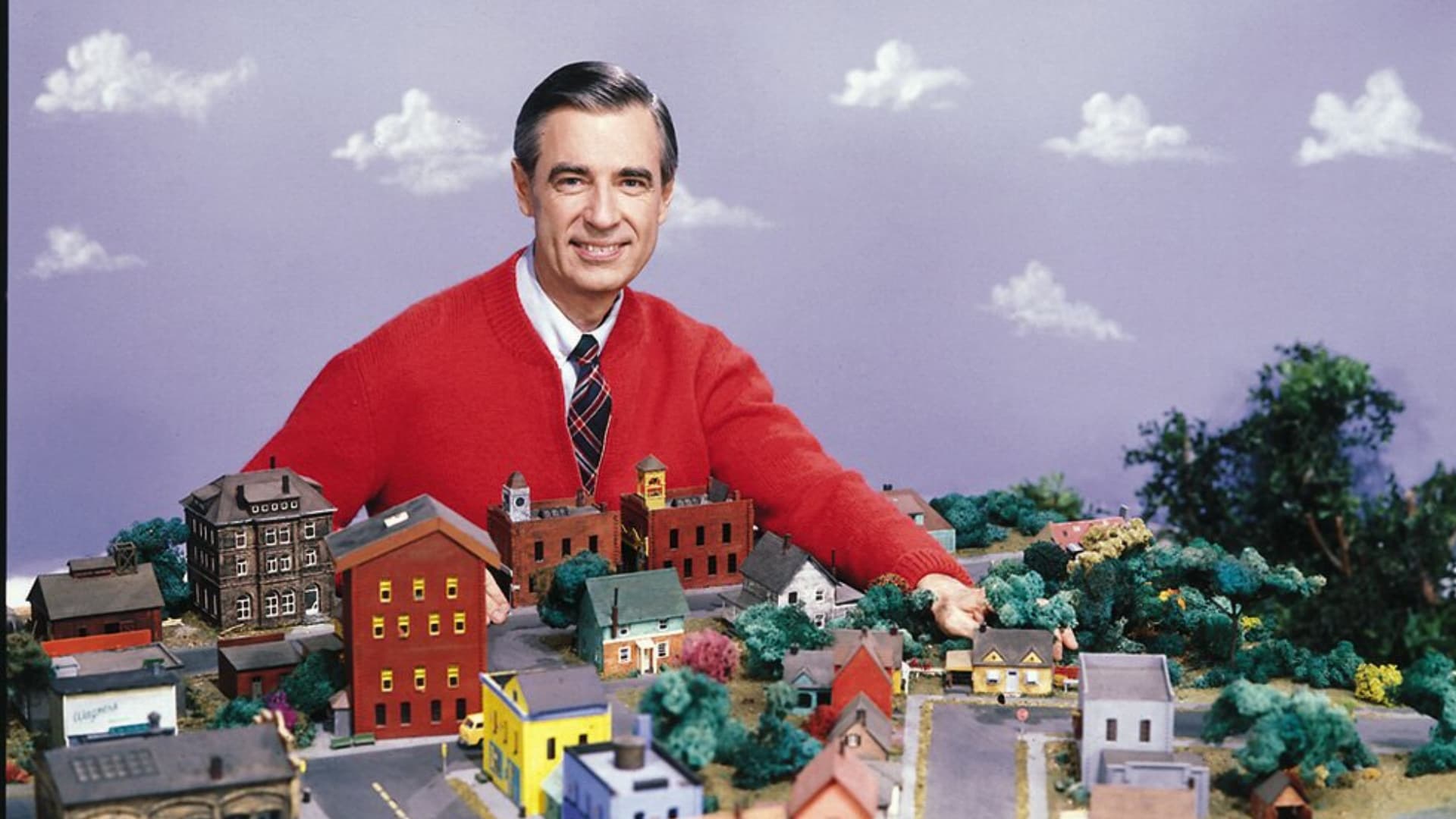
Platform: PBS Kids, Amazon Prime | Age Range: 2–6 | Release Year: 1968–2001
Fred Rogers made a show that felt like someone was actually talking to your child, not performing at them. Every episode, he came home, changed into a cardigan, and had a calm, focused conversation with young viewers about something that genuinely mattered.
5. Wild Kratts
Platform: PBS Kids | Age Range: 6–10 | Release Year: 2011 (ongoing)
Brothers Chris and Martin Kratt combine live action and animation to explore the animal kingdom in each episode. Every show focuses on a specific creature, its real biology, and how it survives in its habitat.
6. Daniel Tiger’s Neighborhood
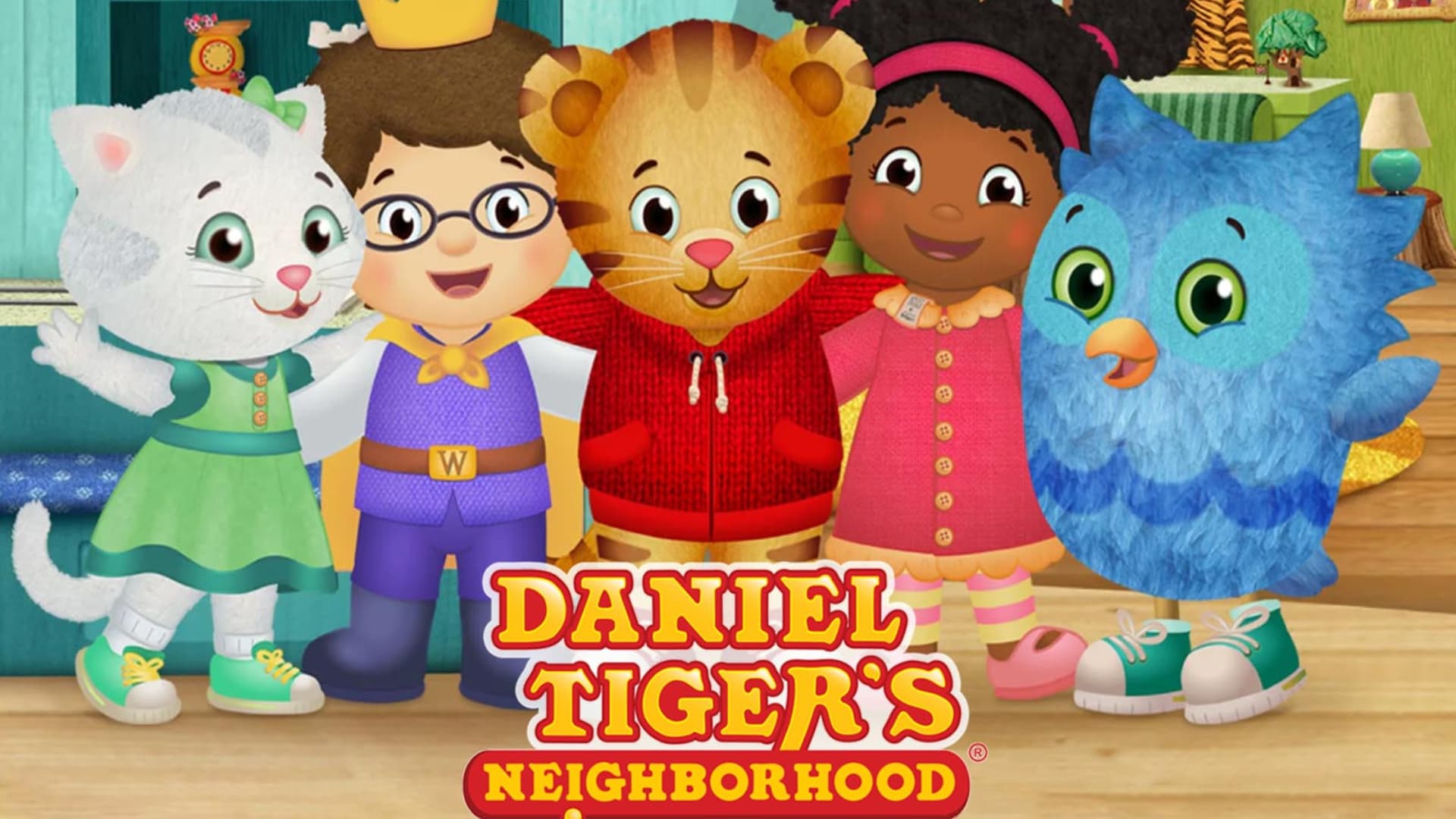
Platform: PBS Kids, Amazon Prime | Age Range: 2–5 | Release Year: 2012 (ongoing)
Inspired by Mister Rogers, Daniel Tiger follows a 4-year-old tiger through daily life challenges like going to the doctor, sharing toys, and handling big feelings. The show uses short, catchy songs to teach coping strategies that kids actually remember and use.
7. Bill Nye the Science Guy
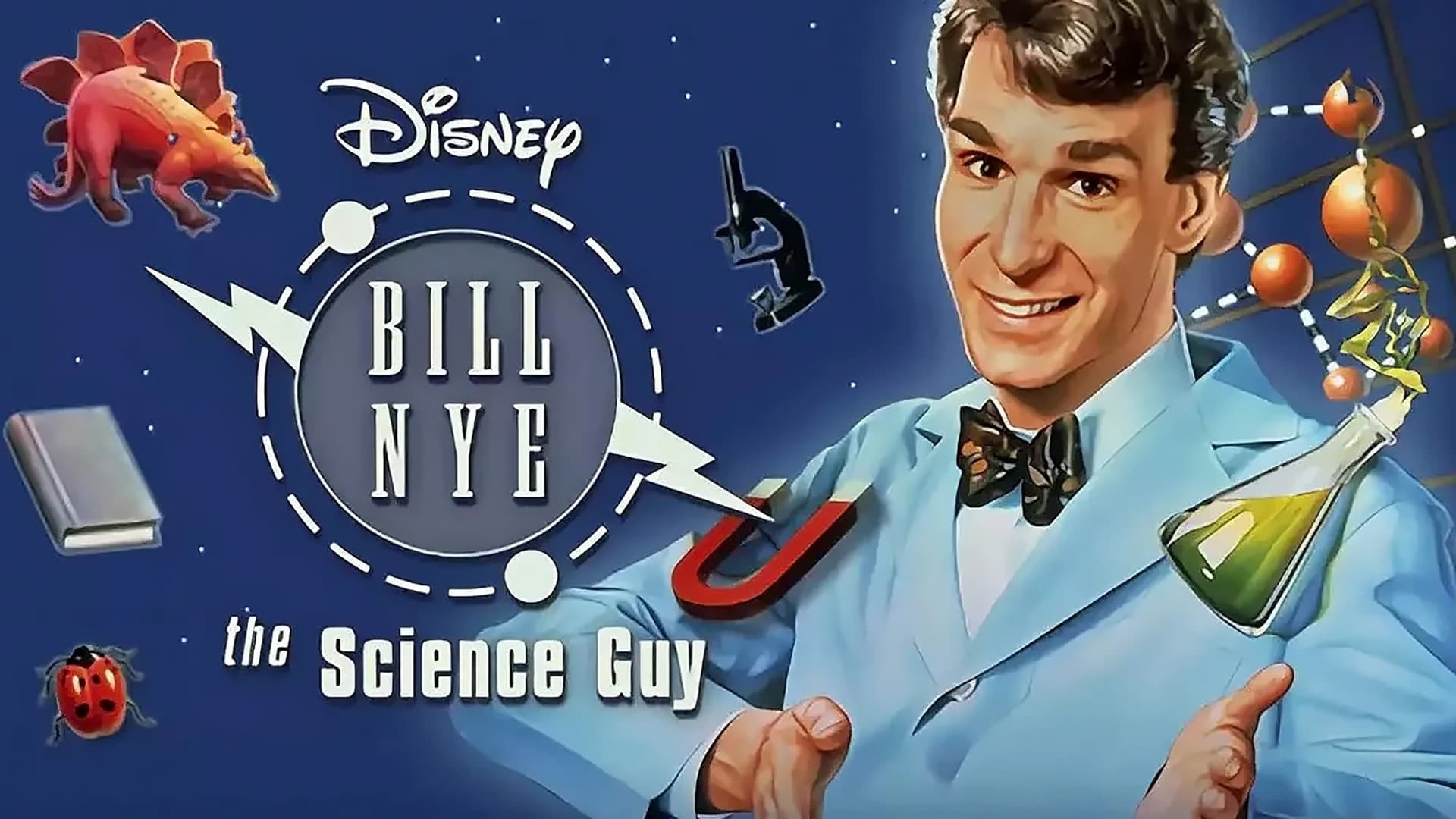
Platform: Netflix, YouTube | Age Range: 8–12 | Release Year: 1993–1998
Bill Nye hosted 100 episodes covering topics from atoms to genetics to climate change. The format was fast, funny, and built around real experiments kids could try at home. It is older, but the science holds up.
8. Numberblocks
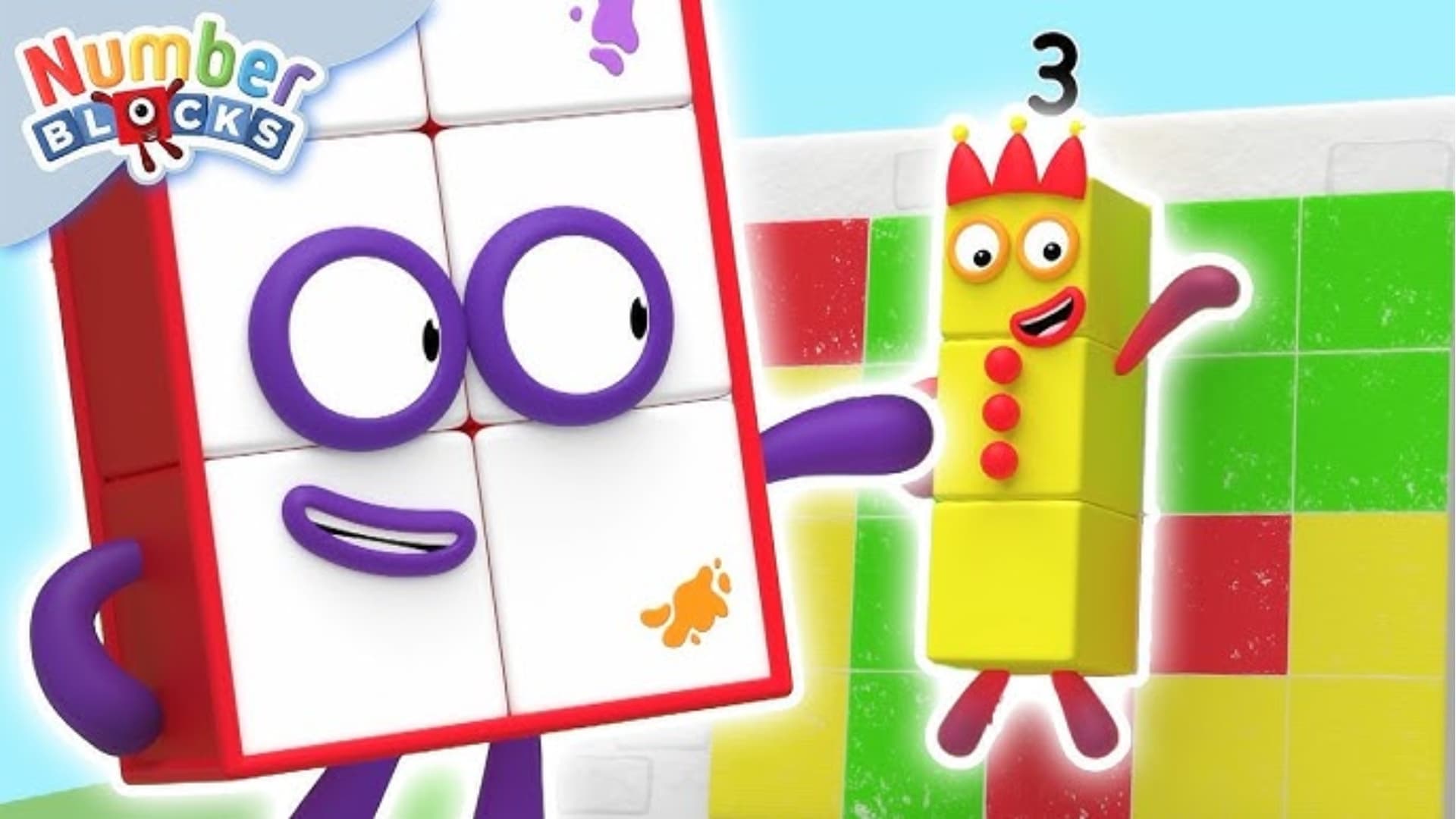
Platform: BBC iPlayer, YouTube, Netflix | Age Range: 3–6 | Release Year: 2017 (ongoing)
Numberblocks turns numbers into animated characters that live inside a number world. The show builds number sense visually, so kids can literally see what 5 plus 3 looks like before they learn to write it.
9. Curious George
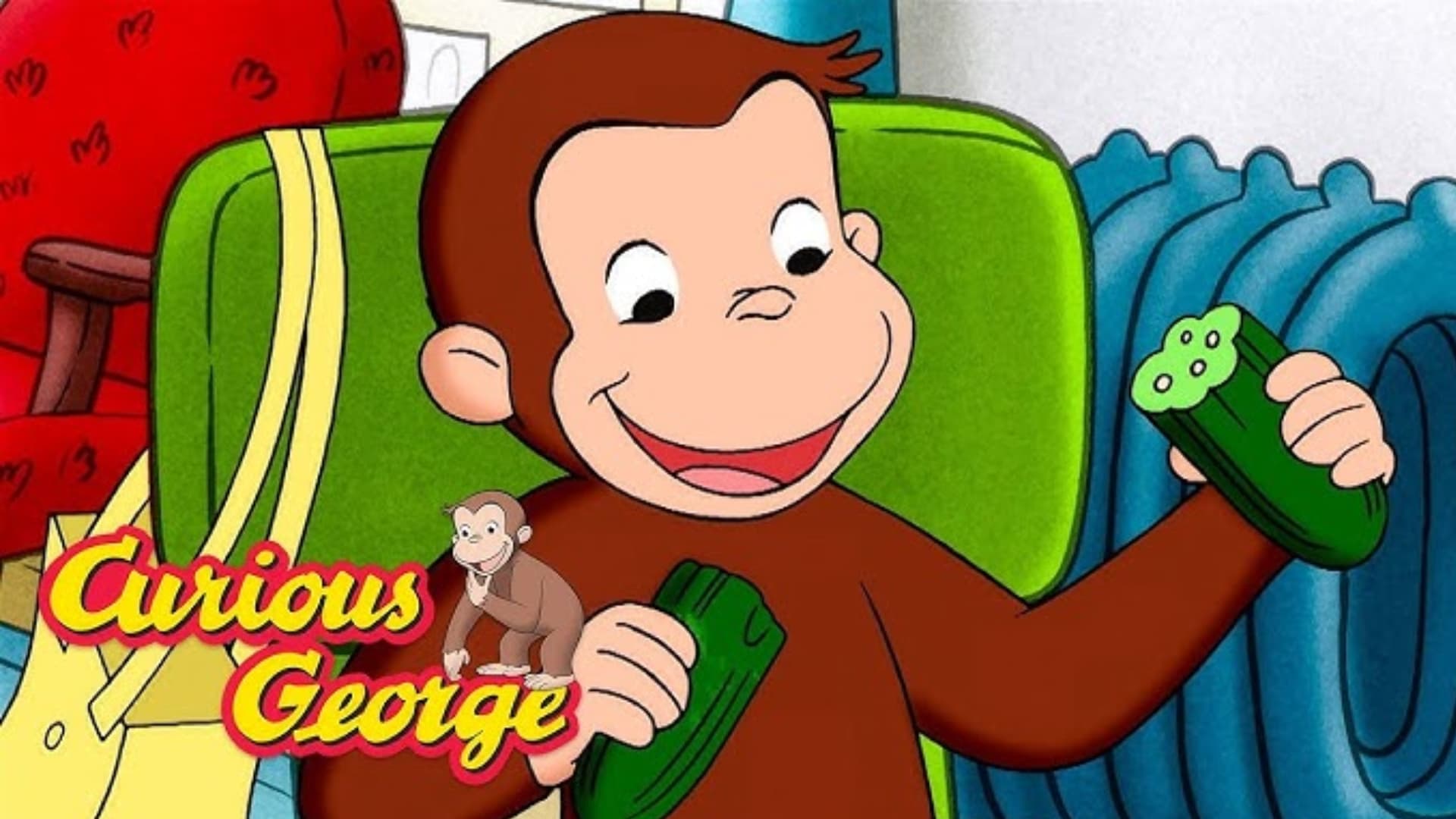
Platform: Peacock, PBS Kids | Age Range: 3–7 | Release Year: 2006 (ongoing)
Curious George follows a small monkey who gets into trouble by trying to understand how things work. Every episode is essentially a science or math experiment wrapped in a story. George breaks something, tries to fix it, and learns through the process.
10. Dora the Explorer
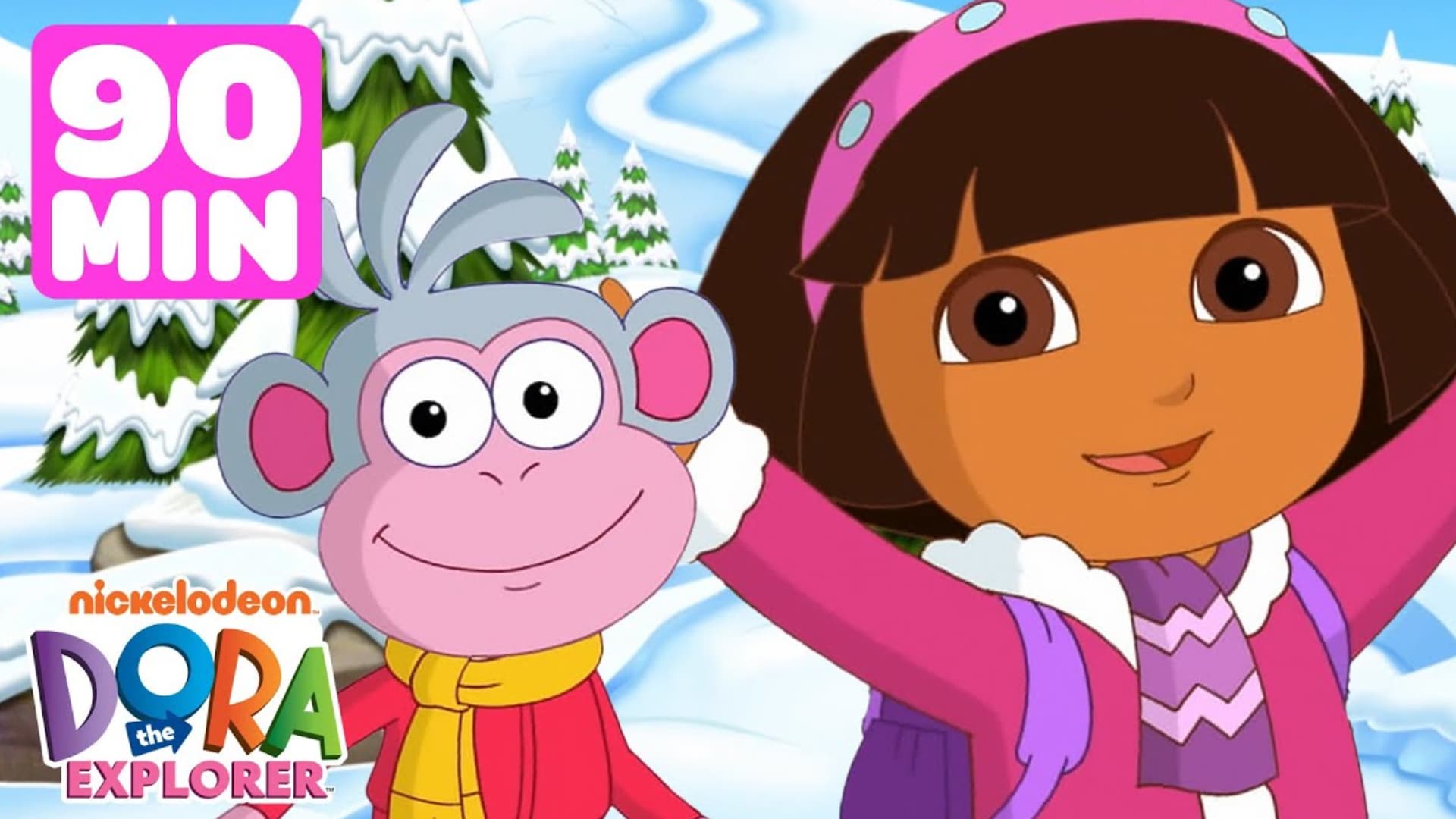
Platform: Paramount+, Peacock | Age Range: 2–5 | Release Year: 2000 (ongoing reboots)
Dora goes on short missions in each episode, and she always needs help from the viewer. She asks direct questions, waits for an answer, and then responds as if the child actually replied. For young kids, that interactivity is surprisingly powerful.
11. Xavier Riddle and the Secret Museum
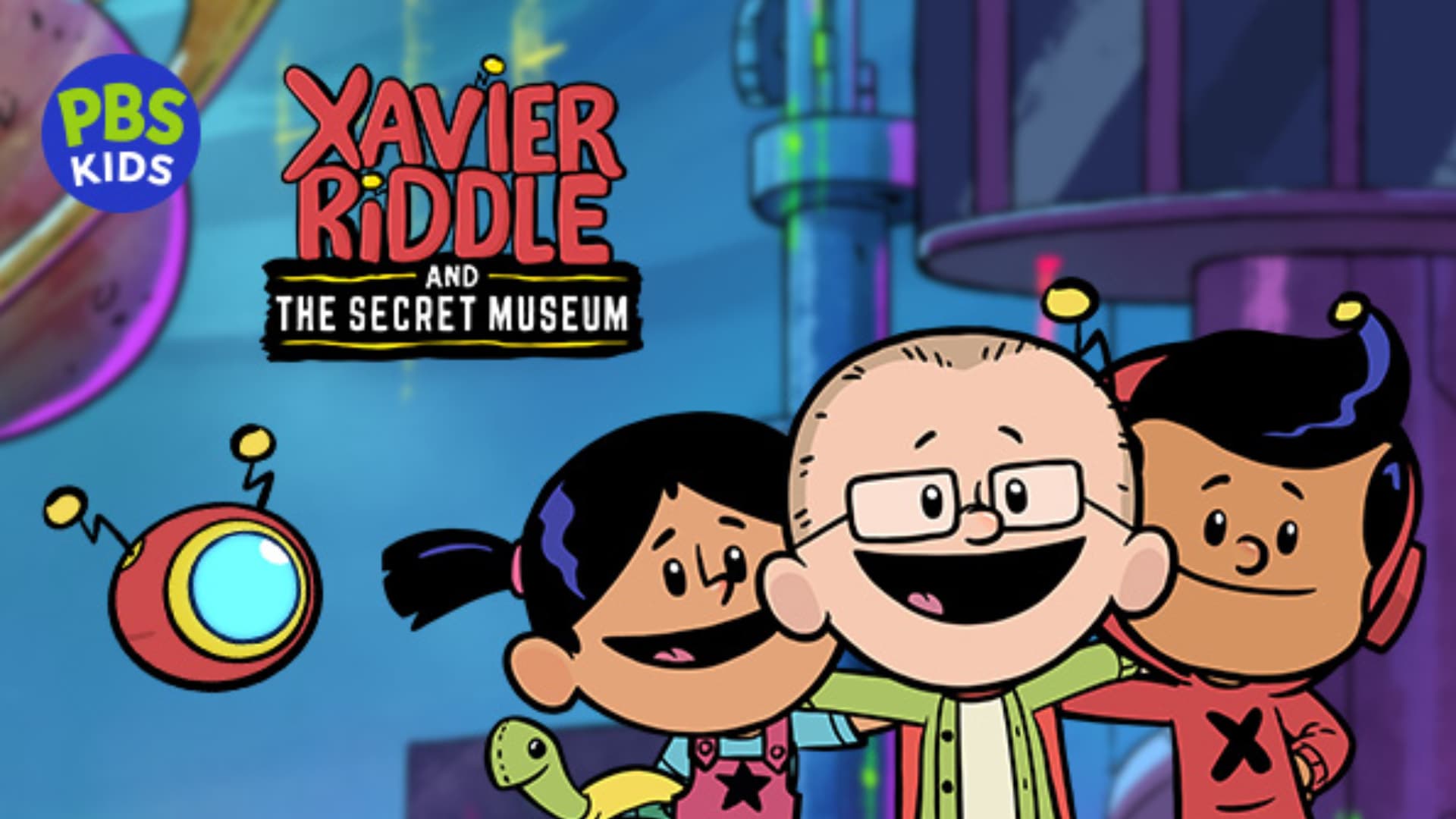
Platform: PBS Kids | Age Range: 4–8 | Release Year: 2019 (ongoing)
Xavier, his sister Yadina, and their friend Brad travel back in time to meet historical figures as children. Based on Brad Meltzer’s book series, the show introduces kids to people like Marie Curie, Amelia Earhart, and Harriet Tubman by showing what they were like before they became famous.
12. Odd Squad
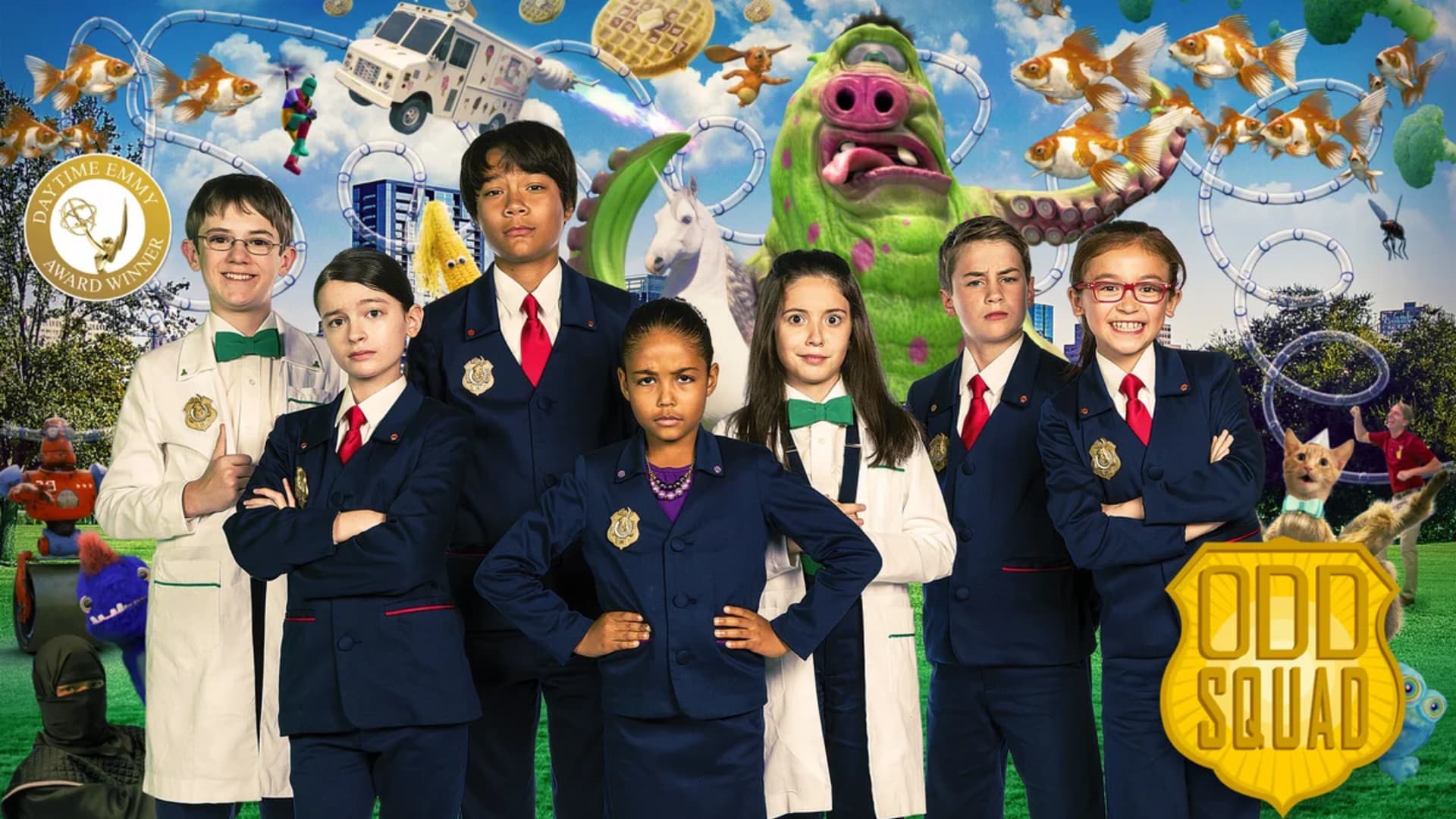
Platform: PBS Kids | Age Range: 5–8 | Release Year: 2014 (ongoing)
Odd Squad is a live-action comedy where a team of kid agents investigates strange events in their town. Every problem they solve requires math, and the show is built so that the math concept is central to the plot, not just a side note.
13. Elinor Wonders Why
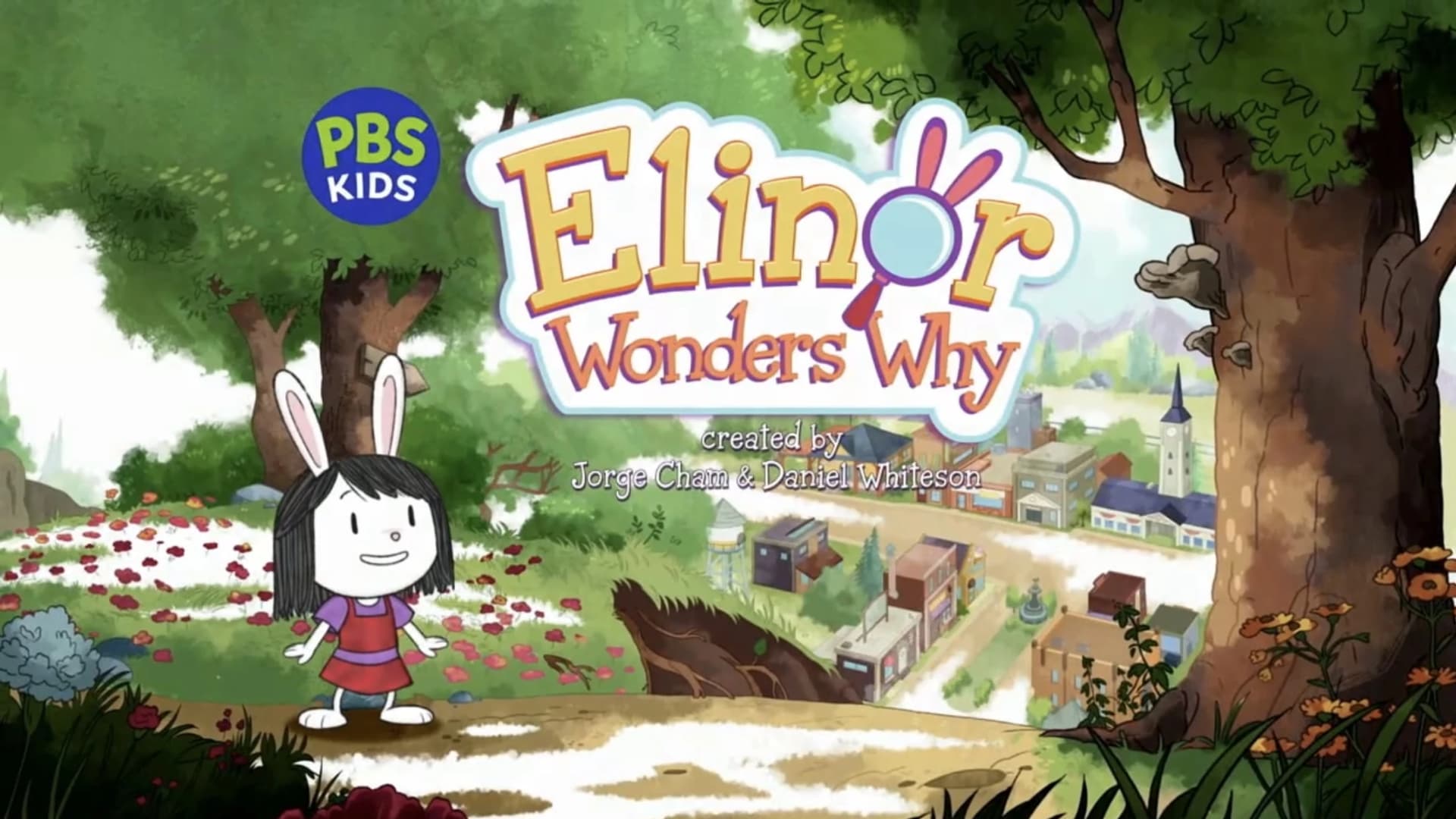
Platform: PBS Kids | Age Range: 3–6 | Release Year: 2020 (ongoing)
Elinor is a young bunny who asks questions about everything around her. She observes, wonders out loud, talks to her friends, and then tests her ideas. The show models scientific thinking for very young children without using any scientific jargon.
14. Brainchild (Netflix)
Platform: Netflix | Age Range: 9–12 | Release Year: 2018
Brainchild is a Netflix original series hosted by teenager Sahana Srinivasan, who interviews scientists, kids, and experts to explain topics such as germs, emotions, the ocean, and social media. It is fast, modern, and made for kids who have real questions about the world.
Best Platforms to Watch Educational Shows for Kids
Finding the right show is only half the work. Knowing where to watch it and how much it will cost makes life easier for parents. Here is a quick breakdown of the main platforms.
- PBS Kids: Completely free with no subscription needed. It carries Sesame Street, Wild Kratts, Daniel Tiger, Odd Squad, Elinor Wonders Why, and more. For parents who want quality without a monthly bill, this is the first stop.
- Netflix: Paid subscription required, but it holds The Magic School Bus Rides Again, Brainchild, Ask the Storybots, and several other strong picks for different age groups.
- Disney+: Home to Bluey, National Geographic Kids content, and various science and nature series. Strong option for families already subscribed.
- Peacock / Paramount+: Best for Curious George and Dora the Explorer reruns. Both platforms offer free tiers with limited content.
- Amazon Prime Video: Carries Mister Rogers’ Neighborhood, Daniel Tiger, and a handful of other PBS-produced shows. Useful if you already subscribe.
- YouTube / YouTube Kids: Free and wide-ranging. Numberblocks, Bill Nye clips, and many PBS Kids episodes are available here. YouTube Kids lets parents filter by age and block autoplay.
How to Make Screen Time More Productive
Picking the right show matters, but how your child watches matters just as much.
Research consistently shows that children learn significantly more from educational TV when a parent watches alongside them, pauses to ask questions, and connects what happens on screen to real-life experiences.
“Why do you think George tried that?” or “Do you remember what Dora said the map shows?” are simple questions that turn passive viewing into actual learning.
Setting a consistent time limit, choosing each episode on purpose rather than letting autoplay decide, and turning the TV off when the episode ends all help keep screen time purposeful rather than habitual.
Final Thoughts
Choosing the best educational shows for kids does not require a degree in child development.
It just takes knowing what each show actually teaches, which age it’s suited to, and whether your child is engaged enough to learn from it. Every show on this list has a real purpose behind the entertainment.
Screen time is not going away. The question is whether it leaves kids knowing something they did not before.
These shows give a clear answer. Start with one that fits your child’s age and see what sticks. You might be surprised by what they bring up at dinner.