
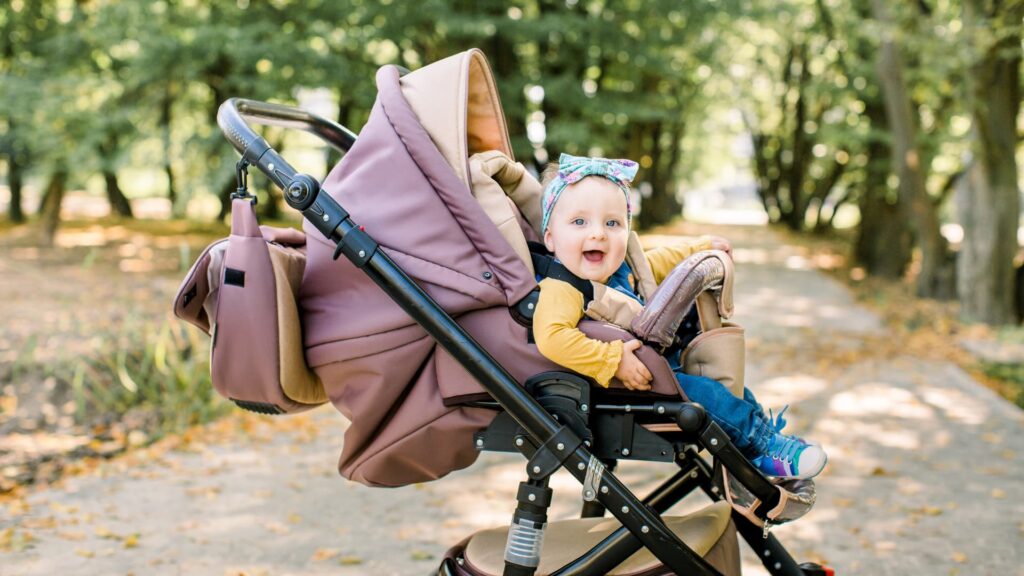
Walking into a baby store to pick a stroller feels like a lot. There are too many options, too many price tags, and everyone has a different opinion.
Most parents end up picking one that looks good, only to find out later that it does not fit their real life. That is a costly mistake.
Choosing the right baby stroller comes down to knowing your daily routine, your baby’s age, and what features actually matter.
In this guide, you will find everything you need to make a smart, confident choice. No fluff, no guessing. Just clear, helpful information to get it right the first time.
Do You Actually Need a Baby Stroller?
A stroller is not always necessary from day one. In the first six months, a baby carrier can do the job well.
Carriers cost less, take up less space, and babies in them tend to be calmer. But as your baby grows and outings get longer, a stroller becomes a real daily help.
Most families use one for two to three years, sometimes more. So, for most parents, yes, a stroller is worth buying. Just do not rush into it before you know what your daily life actually looks like.
Types of Baby Strollers
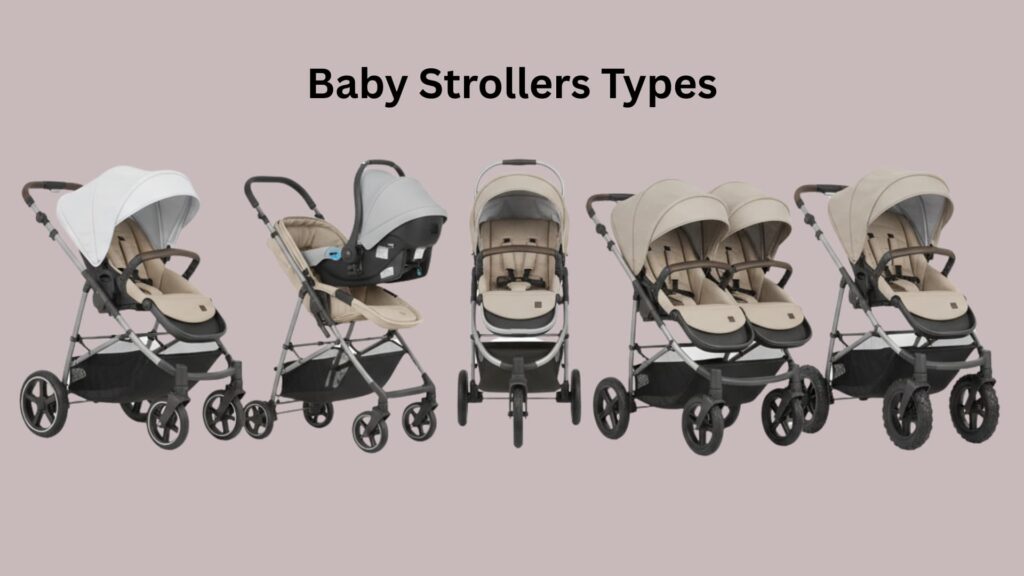
There is no one-size-fits-all stroller. Each type is built for a different lifestyle, baby age, and budget. Here is a quick look at all your options before you start comparing prices.
| Stroller Type | Best For | Key Feature | Approx. Weight |
|---|---|---|---|
| Full-Size | Everyday use | Large storage, smooth ride | 20 to 30 lbs |
| Lightweight / Umbrella | Travel, quick trips | Compact fold, easy carry | 10 to 15 lbs |
| Travel System | Newborns, frequent car users | Compatible infant car seat included | 20 to 25 lbs |
| Jogging | Active and outdoorsy parents | Air-filled tires, hand brake | 25 to 30 lbs |
| Double | Twins or two young children | Two seats, side-by-side or tandem | 25 to 35 lbs |
| All-Terrain | Trails, rural areas, rough paths | Large wheels, strong suspension | 20 to 28 lbs |
Key Stroller Features
Knowing the type is just the first step. The features inside each stroller are what make or break the experience for you and your baby.
- Seat Recline: A fully reclined seat is a must for babies under 6 months old who cannot yet sit up on their own.
- Brakes: Look for brakes that lock firmly and are easy to engage with one foot, even on a slope.
- Canopy: A large canopy with UV protection shields your baby from both direct sun and light rain.
- Storage Basket: A roomy under-seat basket lets you carry diapers, snacks, and bags without extra effort.
- Wheel Type: Swivel wheels handle tight spaces well; fixed wheels perform better on trails and rough paths.
- Suspension: Good suspension absorbs bumps and keeps your baby comfortable on uneven surfaces.
- Adjustable Handlebar: Very helpful when two parents of different heights take turns pushing the stroller.
- Fold Mechanism: A fast, simple fold matters most if you use public transport or load the stroller into a car daily.
- Weight Limit: Always check the maximum weight limit to make sure the stroller will last through the toddler years.
How to Choose a Baby Stroller Based on Your Lifestyle
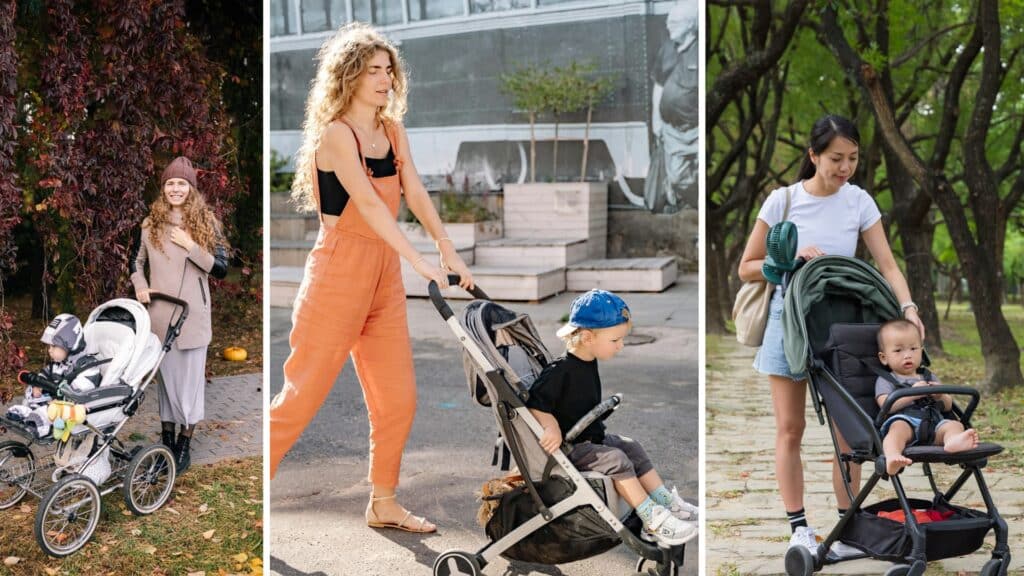
Your lifestyle shapes which stroller will actually work for you. Here is what to look for depending on how you spend most of your days.
1. City Parents
Living in a city means tight spaces, busy sidewalks, and lots of public transport. You need a stroller that is light enough to carry up stairs and folds with one hand.
Swivel wheels help you move through crowded stores with ease. A large storage basket is also a big help when you are on foot for groceries.
2. Suburban Parents
If you load your stroller into a car most days, weight and trunk size matter a lot. You want something that folds down easily and does not take up all the trunk space.
Wider wheels with some grip also help on park grass and playground paths, which you will likely use often.
3. Active or Outdoorsy Parents
If you run, hike, or spend time on uneven ground, a jogging or all-terrain stroller is the right pick. Air-filled tires and a strong suspension system give your baby a smooth ride on rough paths.
Make sure the stroller also has a wrist strap and a hand brake for extra control at faster speeds.
Picking a Stroller for Your Baby’s Stage
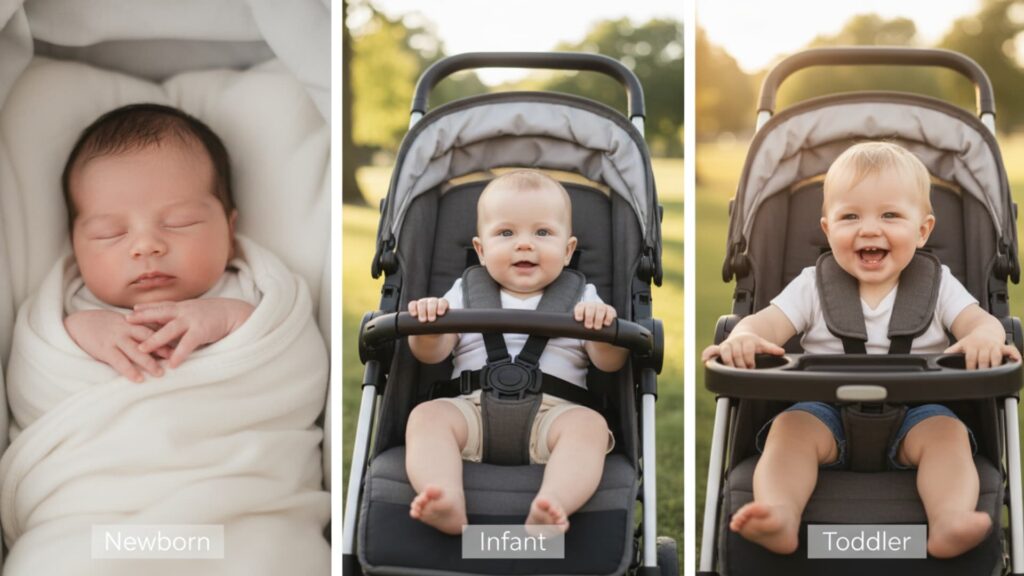
Babies change fast, and so do their stroller needs. The right stroller at three months looks very different from the right one at eighteen months.
1. Newborns (0 to 6 Months)
Newborns cannot hold their heads up on their own, so they need to lie fully flat. Look for a stroller with a full recline, a bassinet attachment, or a travel system with an infant car seat.
The American Academy of Pediatrics recommends that newborns rest on their backs at a flat angle. Do not use a standard upright seat until your baby can sit up without any support.
2. Infants (6 to 12 Months)
Once your baby can hold their head up and sit without help, a standard stroller seat works well.
At this stage, focus on comfort and suspension since babies are more alert and will notice every bump in the road. A seat that faces both you and the world ahead gives you more options depending on your baby’s mood.
3. Toddlers (1 Year and Beyond)
Toddlers are heavier, more active, and harder to keep still in a seat. Look for a stroller with a higher weight limit, a tall seat back, and fabric that is easy to wipe clean.
A good stroller at this stage should carry your child comfortably for at least another year or two without needing a replacement.
Key Stroller Safety Factors to Check Before You Buy
Safety is the one area where you cannot compromise. These are the features to check on every stroller before you make a final decision.
- Five-Point Harness: Secures your baby at the shoulders, waist, and between the legs to prevent sliding or climbing out.
- Buckle Design: Buckles should be easy for adults to open but difficult for young children to release on their own.
- Parking Brakes: The brakes must lock the wheels firmly in place on both slopes and flat ground without any slipping.
- Wide Base: A stroller with a wide, low base is far less likely to tip over during everyday use.
- Wrist Strap: A must-have for jogging strollers to keep the stroller from rolling away if you lose your grip.
- JPMA Certification: In the US, look for strollers certified by the Juvenile Products Manufacturers Association, which confirms independent safety testing.
- Recall Check: Before buying any stroller, visit cpsc.gov to confirm the model has not been recalled by the manufacturer.
- Canopy Coverage: A full canopy blocks harmful UV rays and helps keep your baby comfortable in changing weather conditions.
Must-Have Stroller Features vs. Nice-to-Have Ones
Not every stroller feature is equally important. Some things you truly need from day one; others just sound good on a product label. Here is a simple breakdown to help you stay focused.
| Feature | Type | Why It Matters |
|---|---|---|
| Five-Point Harness | Must-Have | Keeps the baby safe if the stroller tips or jolts |
| Reclining Seat | Must-Have | Essential for babies under six months |
| Reliable Brakes | Must-Have | Stops the stroller from rolling on any surface |
| UV Canopy | Must-Have | Blocks the sun and light rain on every outing |
| Under-Seat Storage | Must-Have | Carries daily essentials without a separate bag |
| Adjustable Handlebar | Nice-to-Have | Useful when two adults of different heights share pushing |
| One-Hand Fold | Nice-to-Have | Saves time when loading into a car or on public transport |
| Reversible Seat | Nice-to-Have | Let your baby face you or the world as needed |
Stroller Accessories Worth Considering
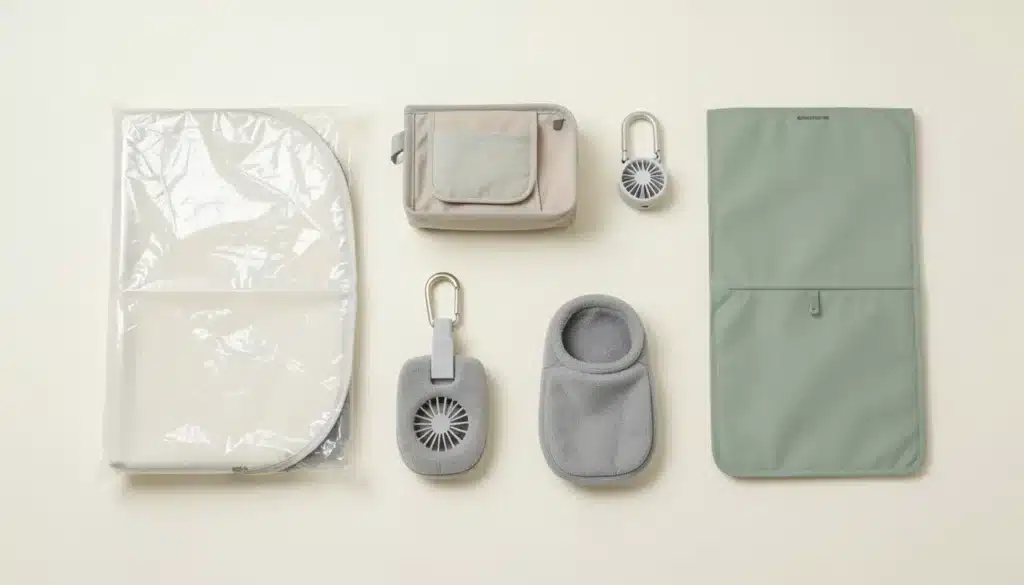
A few extras can make your daily outings much easier. Here are some that are genuinely useful:
- Rain Cover: Keeps your baby dry on wet days. Some strollers include one; others sell it separately.
- Stroller Organizer: Holds your phone, keys, snacks, and a water bottle within easy reach.
- Cup Holder: Often sold separately on budget models, but very useful during longer walks.
- Footmuff: A warm, cozy insert that keeps babies comfortable during cold-weather outings.
- Clip-On Fan: Keeps air moving around your baby on hot summer days.
- Stroller Hooks: Hang shopping bags off the handlebars without tipping the stroller forward.
Start with the basics. You do not need every accessory right away. Use your stroller for a few weeks first, then add only what you actually need.
How to Test a Stroller Before You Buy It
The best way to know if a stroller is right for you is to test it in person before paying. Push it with one hand and see if it rolls straight without pulling to one side.
Fold and unfold it a few times; a good stroller should take no more than ten seconds. Check that the harness buckles are easy for you to use. Adjust the handlebars to your height and see how it feels.
Open the storage basket and confirm you can reach it easily with a baby in the seat. If possible, bring your car’s trunk measurements to see if the folded stroller actually fits.
A stroller that works well in a store aisle will likely work well in real life, too.
In Closing
Choosing a baby stroller is not as hard as it first seems. Once you know your routine, your baby’s current needs, and your budget, the right pick becomes much clearer.
Safety features like a five-point harness and solid brakes are non-negotiable. Everything else depends on how and where you live. Do not buy for the brand name. Buy for the fit.
A stroller that works for your neighbor may not work for you, and that is completely okay. If this guide helped you, share it with a parent who needs it.
Drop your questions in the comments below. We read every single one.