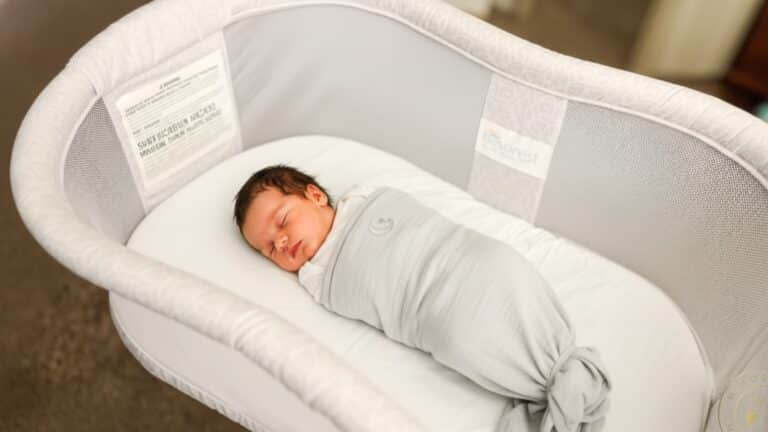


You finally found the perfect sofa. The color is right. The fabric feels great. But then the pillows arrive, and something just looks wrong. Sound familiar?
Most people shop for decorative pillows by color or pattern first. Size is usually the last thing on the list.
That one choice can make a room feel pulled together or completely off. Too big and the pillows crowd the seat. Too small and they get lost on the cushions.
The good news is that picking the right decorative pillow sizes is not complicated.
This guide covers every size, shape, and furniture type so you can stop guessing and get it right the first time.
What is the Average Throw Pillow Size?
The most common throw pillow size is 18 x 18 inches. It fits well on most standard sofas and chairs without taking up too much seat space.
For bigger furniture like sectionals or king beds, 20×20 and 22×22 are more widely used. Most interior designers treat 18×18 as a solid starting point when styling any room.
That said, there is no single size that works for every space. The right size always depends on the scale of your furniture and the number of pillows you plan to use with it.
Decorative Pillow Sizes Chart
Throw pillows come in more shapes and sizes than most people expect. The breakdown below covers each type, the available standard sizes, and where each works best in your home.
1. Square Pillows
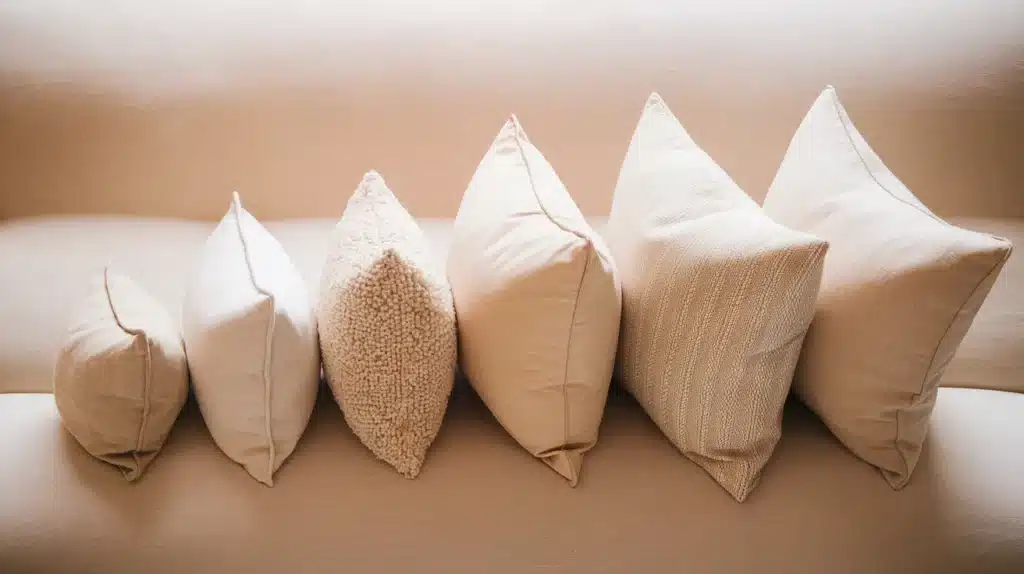
| Size | Best Used For |
|---|---|
| 14×14 inches | Small accent chairs, kids’ rooms |
| 16×16 inches | Small sofas, chairs, minimalist setups |
| 18×18 inches | Standard sofas, most chairs (most popular) |
| 20×20 inches | Larger sofas, medium-sized beds |
| 22×22 inches | Standard to large sofas, king beds |
| 24×24 inches | Sectionals, king beds, oversized furniture |
Square pillows are the most widely used type in home decor. They fit on almost every piece of furniture and come in a wide range of sizes. The 18×18-inch option is the most versatile pick for everyday home styling.
2. Lumbar (Rectangular) Pillows
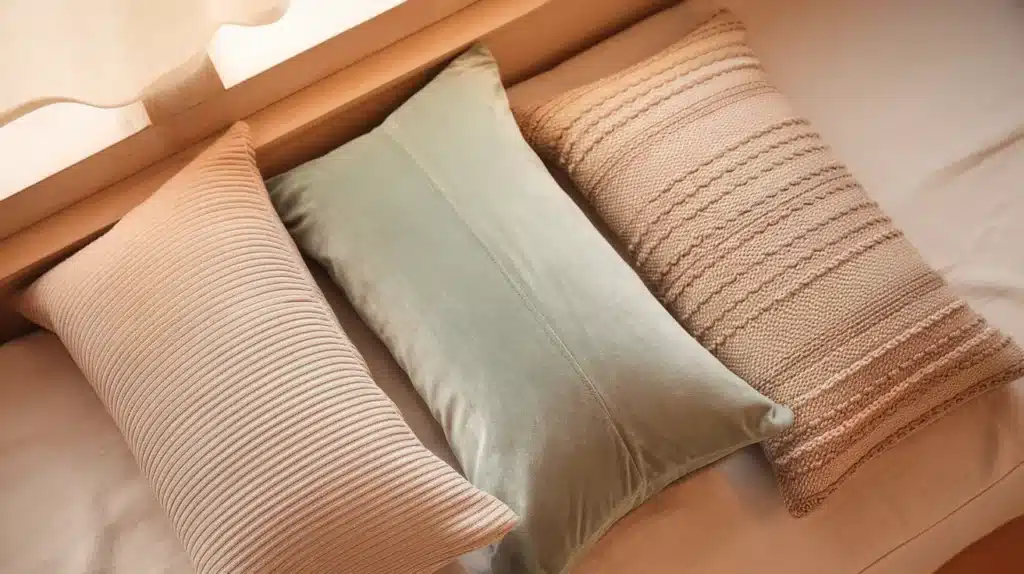
| Size | Best Used For |
|---|---|
| 12×20 inches | Standard sofas, queen beds |
| 12×24 inches | Larger sofas, king beds |
| 14×36 inches | Living rooms, bedroom accents |
| 16×20 inches | Accent chairs, loveseats |
Lumbar pillows are rectangular and built for both support and style. They sit best on a sofa in front of larger square pillows or at the front row of a bed arrangement. The 12×20 and 12×24 sizes are the most commonly used.
3. Euro Pillows
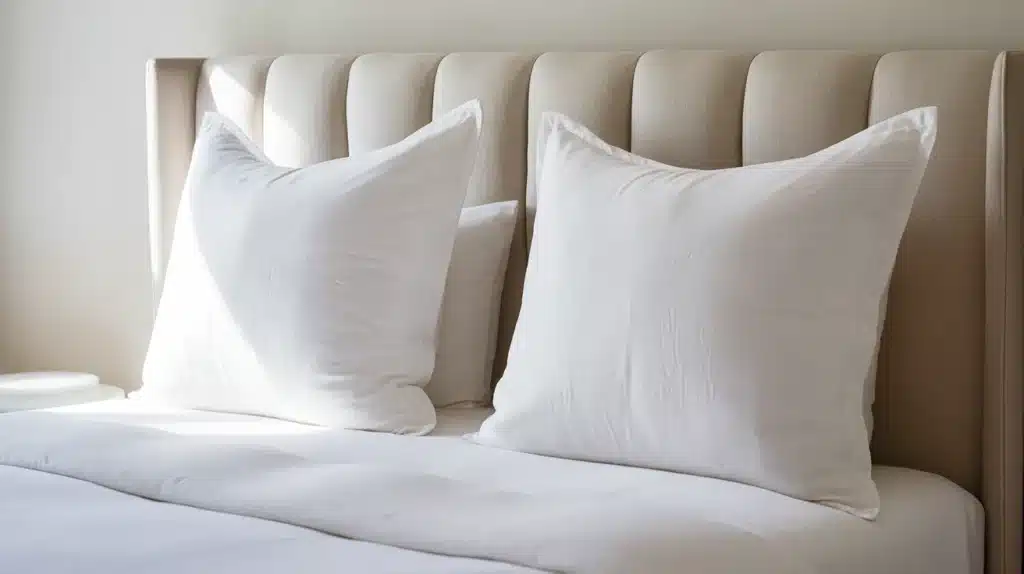
| Size | Best Used For |
|---|---|
| 26×26 inches | Bed layering, oversized sectionals |
Euro pillows are almost always used for decorative layering on beds. They go at the back of the arrangement, right behind the sleeping pillows. You will rarely see them on sofas, but they can work well on a large sectional.
4. Round Pillows
| Size | Best Used For |
|---|---|
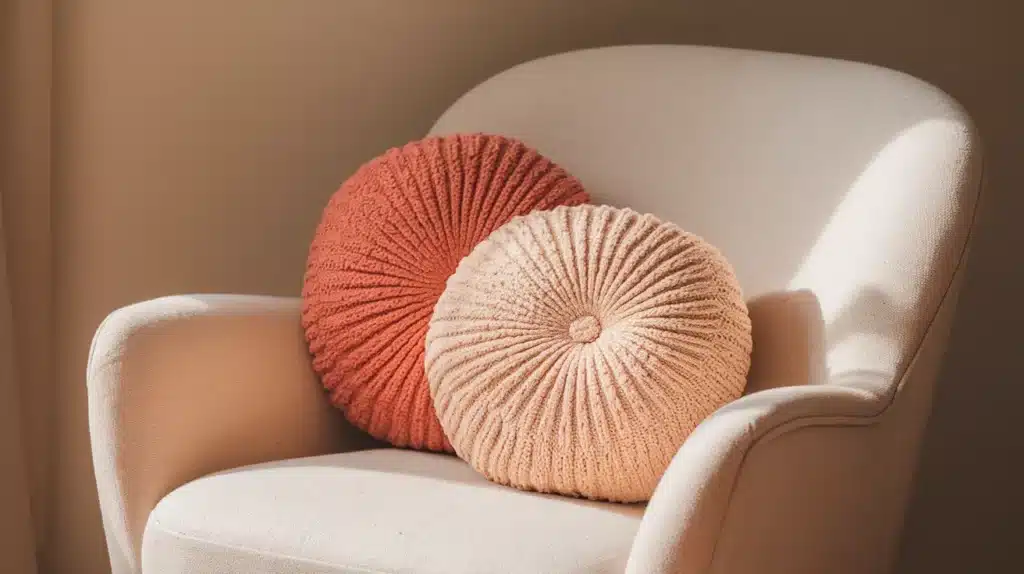
| 16-inch diameter | Accent chairs, reading nooks |
| 18-inch diameter | Beds, chairs, small sofas |
Round pillows work best as accent pieces. Adding one round pillow to an all-square setup makes the arrangement feel more thought-out and less flat.
Pillow Sizes for Beds and Different Furniture
The right pillow size changes depending on what you are styling. Here is a quick breakdown of the most common furniture types, from sofas to beds to outdoor seating.
1. Standard Sofa (72 to 96 inches wide)
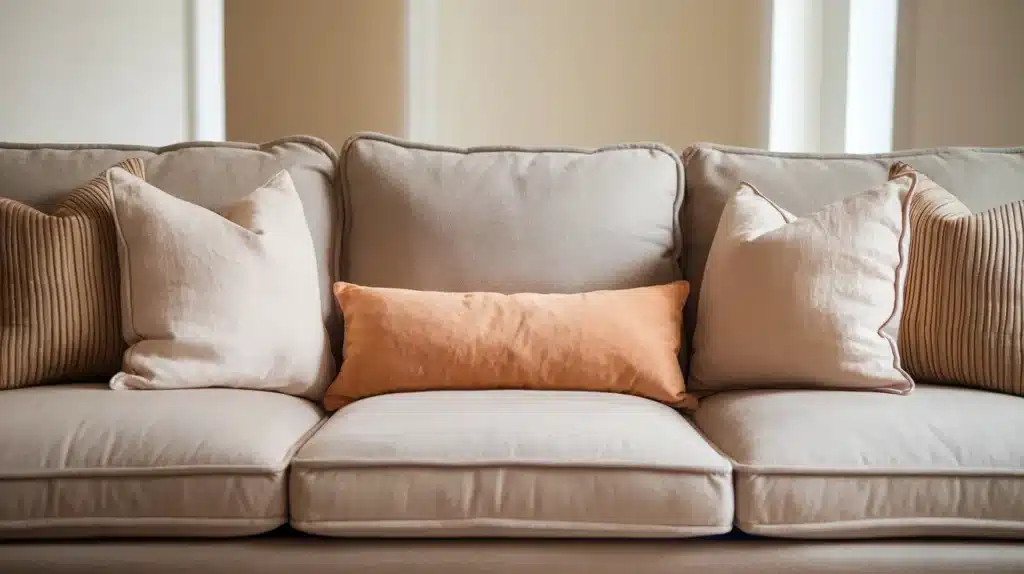
The best square sizes for a standard sofa are 18×18, 20×20, and 22×22 inches. For lumbar pillows, 12×20 and 12×22 work well. Place larger pillows at the ends and layer smaller ones in front.
If you have a low-back sofa, stick to 18×18 so the pillows do not overtake the backrest.
2. Small Sofa or Loveseat (Under 72 inches wide)
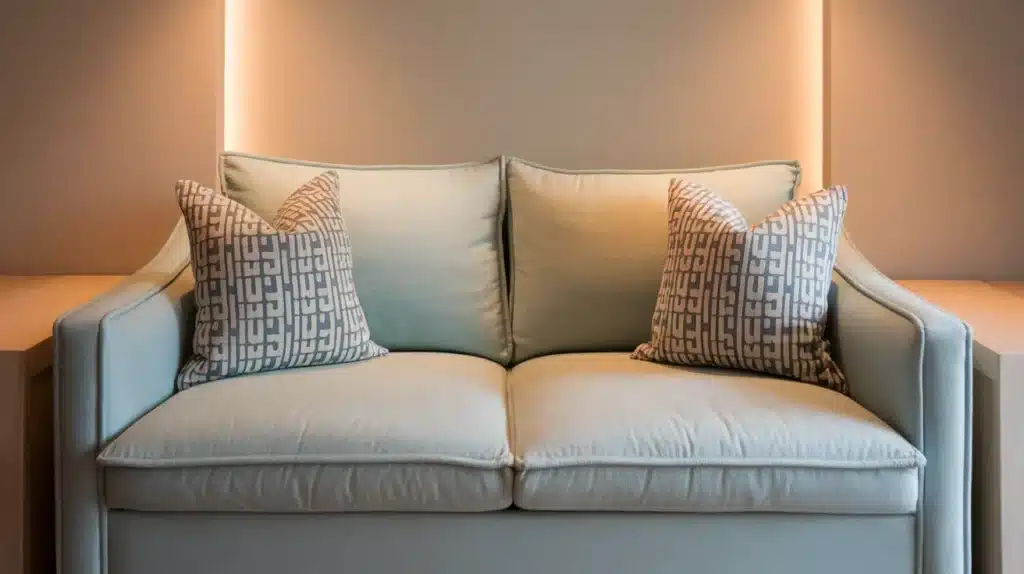
Stick to smaller sizes like 17×17, 18×18, or 20×20 inches to keep the seat from feeling crowded.
Two 18×18-inch pillows on a 48-inch loveseat give a clean, balanced look. Anything larger than 20×20 will eat into the seating area, making the space feel tight.
3. Large Sectional

Sectionals have more surface area, so larger pillows like 22×22 or 24×24 inches look natural here. Mix square and lumbar styles to add some variety to the arrangement.
A good rule is to use at least five to six pillows total so the sectional does not look bare on one side.
4. Accent Chair
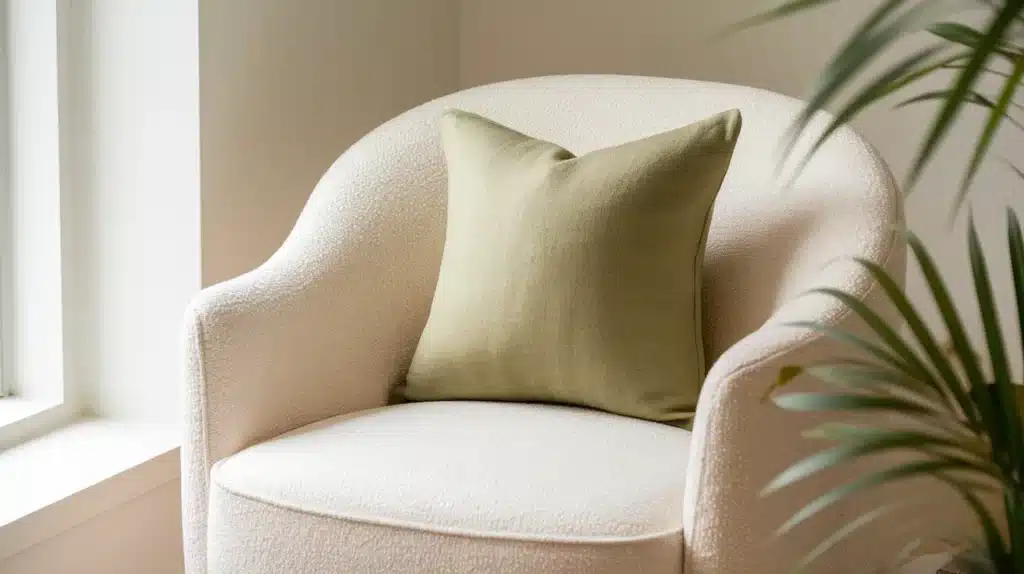
One 18×18 or 20×20-inch pillow is the right fit for most accent chairs. For armless chairs, two 18×18-inch pillows can sit side by side without crowding the seat.
Going above 20×20 on a standard accent chair makes it hard to sit comfortably.
5. Twin Bed
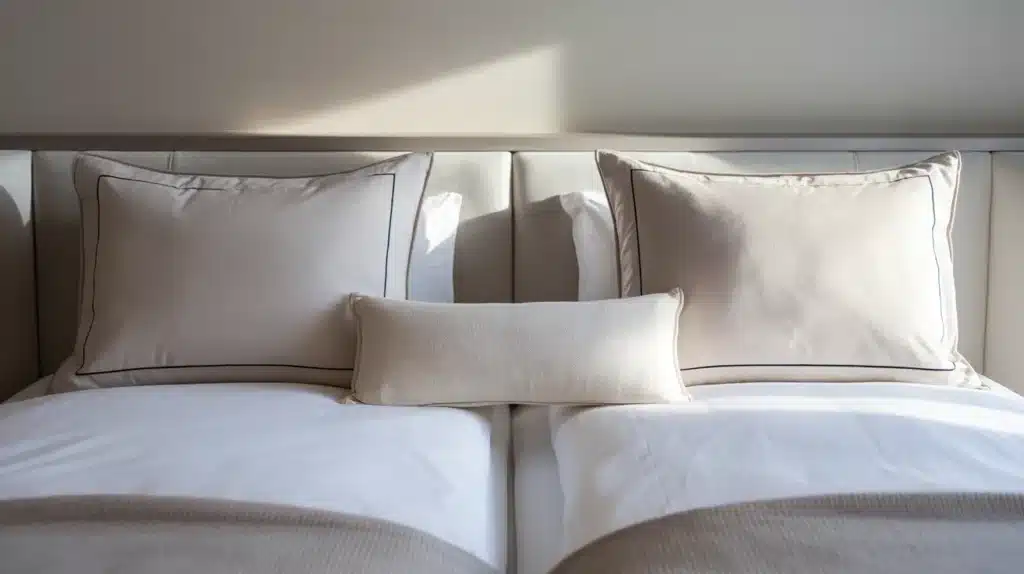
One or two 20×20-inch square pillows work well on a twin. Add one 18×18 or a 12×20 lumbar in front to keep things proportional and simple.
Because a twin is narrow, limiting the arrangement to two or three pillows total keeps the bed looking neat rather than stuffed.
6. Full or Double Bed

Two 20×20-inch pillows make a good base. Add one 18×18-inch pillow or a 12×20 lumbar in front for a light layered look.
A full bed sits between a twin and a queen in width, so this three-pillow setup hits the right balance without overcrowding the surface.
7. Queen Bed

Start with two 26×26 Euro pillows at the back. Add two 20×20-inch pillows in the middle. Finish with one 18×18 or a 12×20 lumbar at the front.
This five-pillow setup is the most widely recommended arrangement for a queen bed and works with almost any bedding style.
8. King Bed

Place three to four 26×26 Euro pillows in the back row. Add three 22×22 or 24×24-inch pillows in the middle. Finish with two 20×20 pillows and one 12×24 or 12×36 lumbar at the front.
A king bed has a lot of width to fill, so do not be afraid to use seven or eight pillows total to make it look complete.
9. Outdoor Furniture

Outdoor pillows follow the same sizing rules as indoor ones. The most common sizes are 18×18, 20×20, and 12×20 lumbar. For deep-seat outdoor chairs, 22×22 works better.
Always use inserts made with weather-resistant fill for outdoor spaces, as standard polyfill breaks down quickly when exposed to moisture and heat.
Pillow Insert Sizes vs. Pillow Cover Sizes
Most people assume the insert and cover should be the exact same size. That is actually one of the most common reasons pillows end up looking flat and lifeless.
| Pillow Cover Size | Recommended Insert Size |
|---|---|
| 16×16 inches | 18×18 inches |
| 18×18 inches | 20×20 inches |
| 20×20 inches | 22×22 inches |
| 22×22 inches | 24×24 inches |
| 12×20 inches (lumbar) | 14×20 inches |
| 16×26 inches (lumbar) | 17×27 inches |
Pillow dimensions always refer to the cover lying flat and unstuffed, measured seam to seam. Always buy an insert one to two inches larger than the cover. This gives the pillow a full, firm shape instead of a flat or loose one.
How to Measure Your Existing Pillows at Home
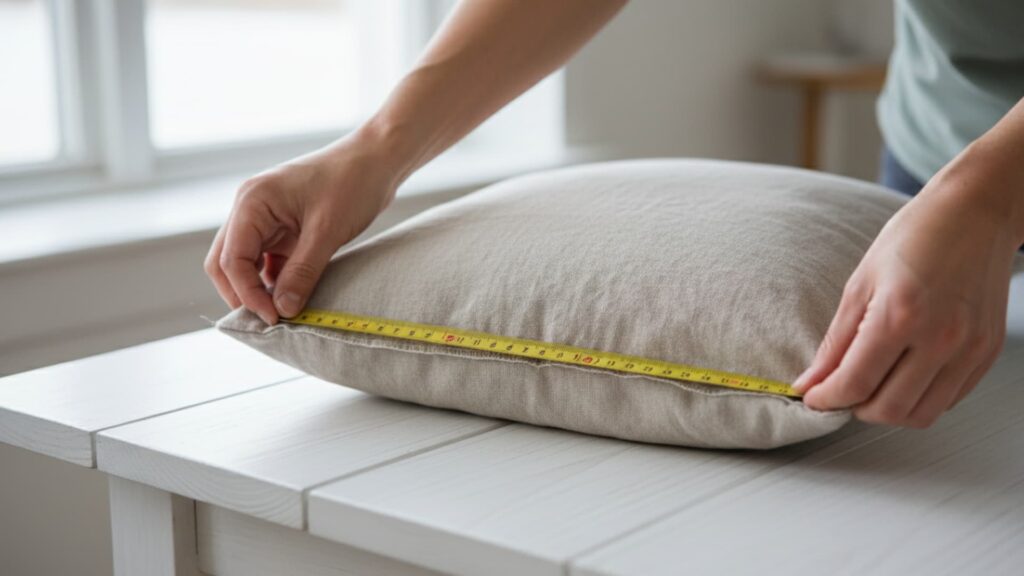
Not sure what size your current pillows are? Measuring them correctly takes less than two minutes. Follow these four steps to get an accurate reading every time.
Step 1: Take the insert out first. If your pillow has a zipper or removable cover, take the insert out. Lay the empty cover flat on a table or hard floor. A stuffed pillow gives you the wrong number because the fill pushes the fabric inward.
Step 2: Measure seam to seam, not edge to edge. Place your tape measure along the stitched seam on one side and stretch it straight across to the seam on the opposite side. This is the true measurement. Measuring from outer edge to outer edge adds extra fabric and throws the number off.
Step 3: Do the same for the other side. Measure the length the same way. Seam to seam. Write both numbers down. That gives you the full pillow cover size, for example, 18×18 or 12×20.
Step 4: Round up to the nearest whole inch. If your tape shows 19.3 inches, round it up to 20 inches. Pillow sizes are almost always rounded up. Most manufacturers list the cover size this way, so your number will match what you see when shopping.
Step 5: If the pillow is sewn shut, do this instead. Pinch both top corners of the pillow firmly and pull the top seam as straight as you can. Hold it flat against your tape measure. Take the reading, then add half an inch. That gives you a size that’s close enough to shop with confidence.
How to Choose the Right Decorative Pillow Size?
Start with your furniture. Larger furniture needs larger pillows to look balanced. A good rule to follow is to keep the pillow slightly smaller than the sofa cushion it sits next to.
For beds, layer from largest to smallest, starting with the back row. And always go one to two inches up on the insert size so the pillow holds its shape and looks full.
If you are mixing multiple sizes, stick to no more than three different sizes in one arrangement so it looks intentional rather than random.
And when in doubt, an odd number of pillows almost always looks more natural than an even number on any piece of furniture.
Wrapping It Up
Getting decorative pillow sizes right does not have to be a trial-and-error process. It really comes down to three things. Match the pillow size to your furniture.
Go one size up when buying inserts. And layer from large to small. Once those three things are in place, the rest is a matter of personal taste.
You can swap covers by season, try a round shape, or mix bold patterns without throwing off the balance. The room will still look well put together. Now it is your turn.
Have you found a pillow size combo that works for your sofa or bed? Drop it in the comments below. We would love to know!