

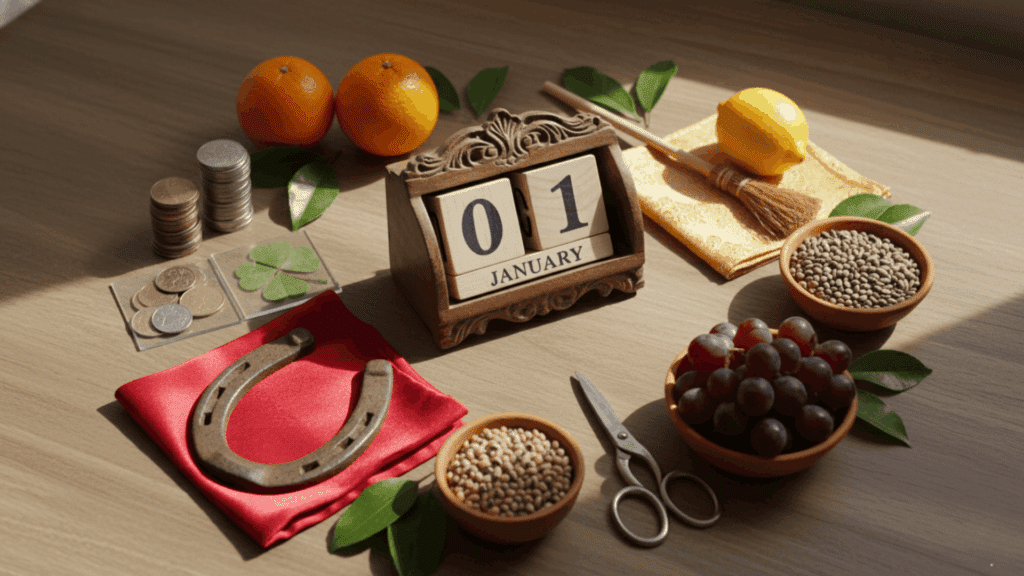
Your mom texts you at 11:50 PM: “Don’t do laundry tomorrow!”
Your coworker won’t touch a broom until January 2nd. Your neighbor is stuffing their wallet with cash before midnight.
What’s going on? People worldwide follow specific rituals on January 1st, convinced that these actions shape their entire year. Some traditions promise wealth.
Others protect relationships or invite good fortune. But do they actually work? And should you care?
In this post, you’ll find popular superstitions people swear by, the psychology behind why they persist, and practical advice on choosing which ones deserve your attention.
What Are New Year’s Day Superstitions?
New Year’s Day superstitions are cultural beliefs and rituals people follow on January 1st to invite good luck and avoid bad fortune for the coming year.
Many cultures see this day as a fresh start, a moment when the universe is open to new possibilities. What you do, eat, or avoid on this day is thought to set the tone for the next 12 months.
These beliefs differ widely from place to place. Some families swear by eating specific foods, while others focus on cleaning rituals or avoiding particular actions.
No matter where you are, the goal stays the same: starting the year with hope, intention, and a little bit of magic.
Why People Still Follow New Year’s Day Superstitions
Knowing what these superstitions are is one thing. Understanding why millions still practice them is another. Here’s what drives people to follow these age-old traditions year after year.
- Psychological comfort and hope. Following these rituals gives people a sense of control during uncertain times and offers peace of mind when the future feels uncertain.
- Cultural traditions are passed down through generations. Many families practice these superstitions because their parents and grandparents did the same, keeping cultural identity alive.
- Community and shared experience. Practicing these traditions with family and friends strengthens bonds and creates shared memories that last a lifetime.
- Fear of missing out on potential luc.k Many people follow superstitions simply because they don’t want to risk bad luck, thinking it’s better safe than sorry.
26 New Year’s Day Superstitions for Good Luck
Now that you know why people believe in these rituals, let’s look at the specific traditions practiced worldwide. Here are superstitions people follow to invite prosperity, love, and fortune into their lives.
1. Eating Black-Eyed Peas for Prosperity
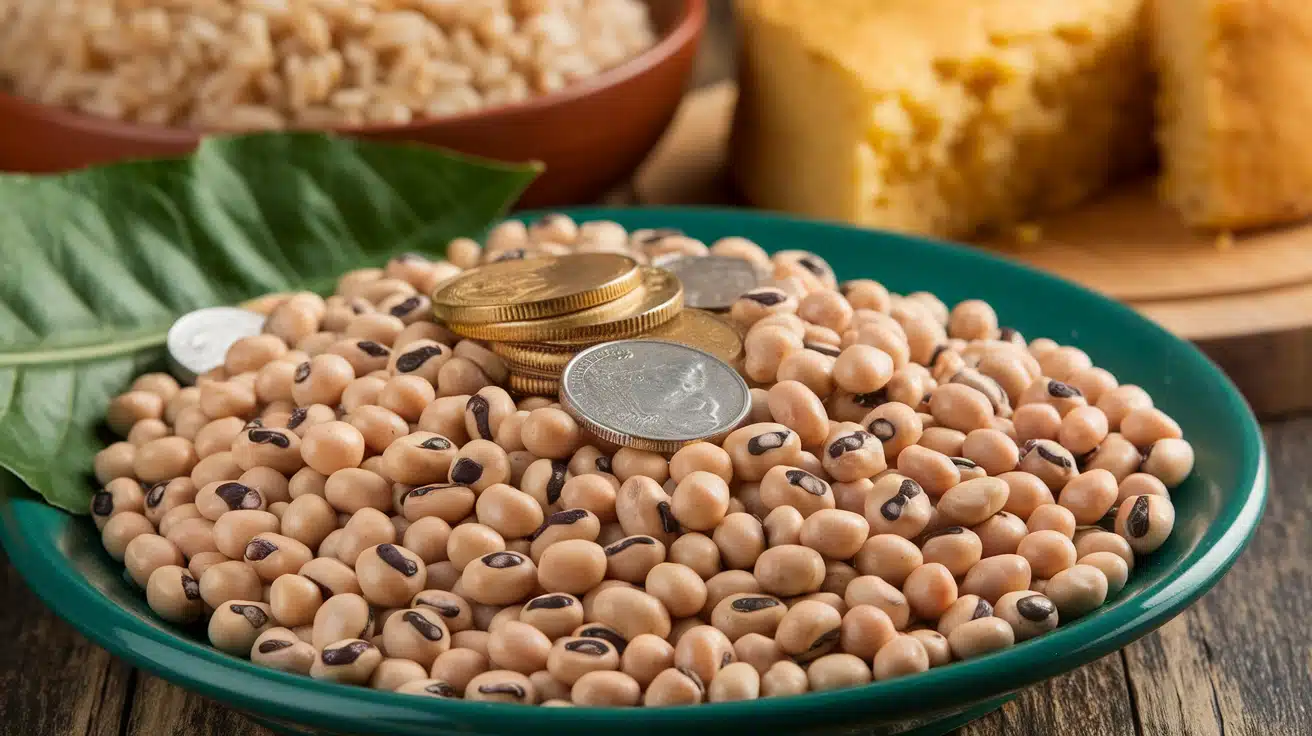
This Southern tradition says black-eyed peas bring wealth and good fortune throughout the year. The peas symbolize coins, making them a must-have dish on January 1st. Many families cook them with greens and cornbread for a complete lucky meal.
- Origins: Rooted in African American culture and Civil War history
- How To Do It: Serve them with rice or as part of a traditional Hoppin’ John dish
- Why It Works: The round shape represents coins and financial growth
2. Avoiding Sweeping or Taking Out Trash
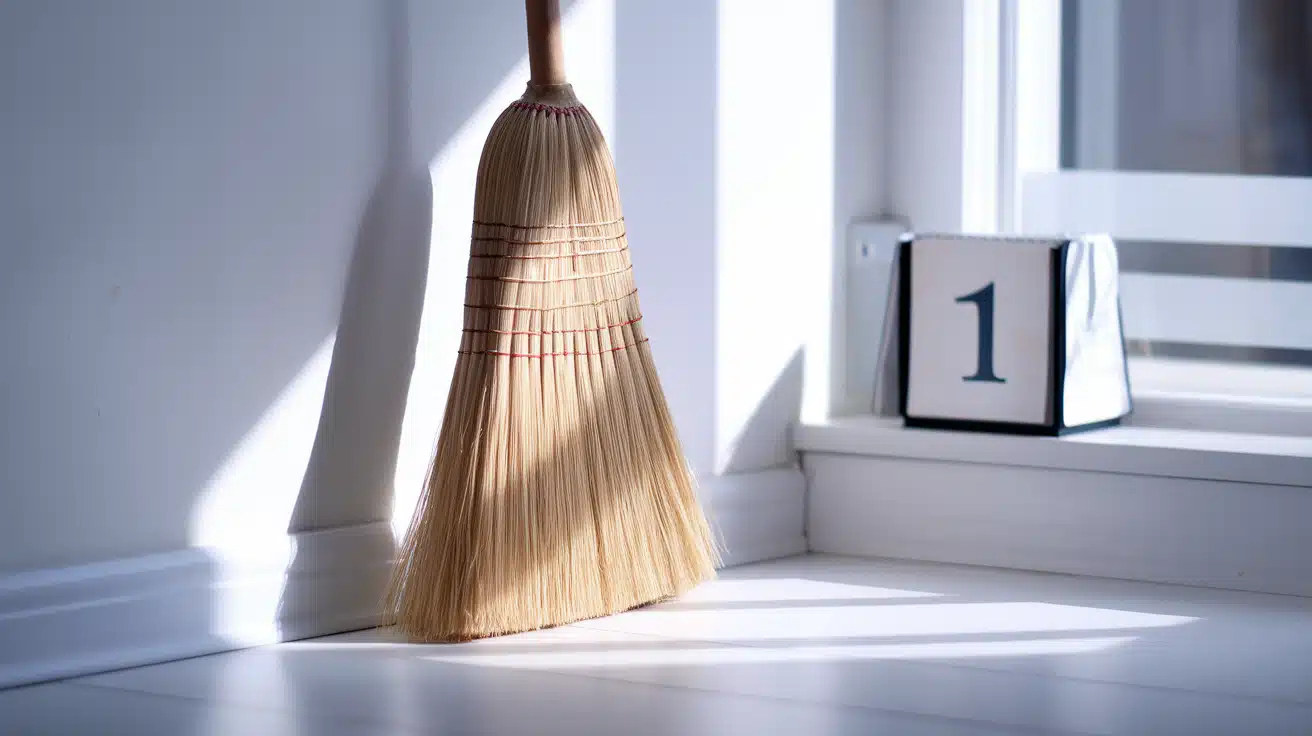
Sweeping on New Year’s Day is believed to sweep away your luck and good fortune. Taking out the trash can also remove prosperity from your home. Wait until January 2nd to clean if you want to keep blessings inside.
- The Belief: You might sweep good luck right out the door
- What To Do Instead: Clean your house thoroughly on December 31st
- Cultural Roots: Common in many European and Asian traditions
3. Wearing Certain Colors to Attract Luck
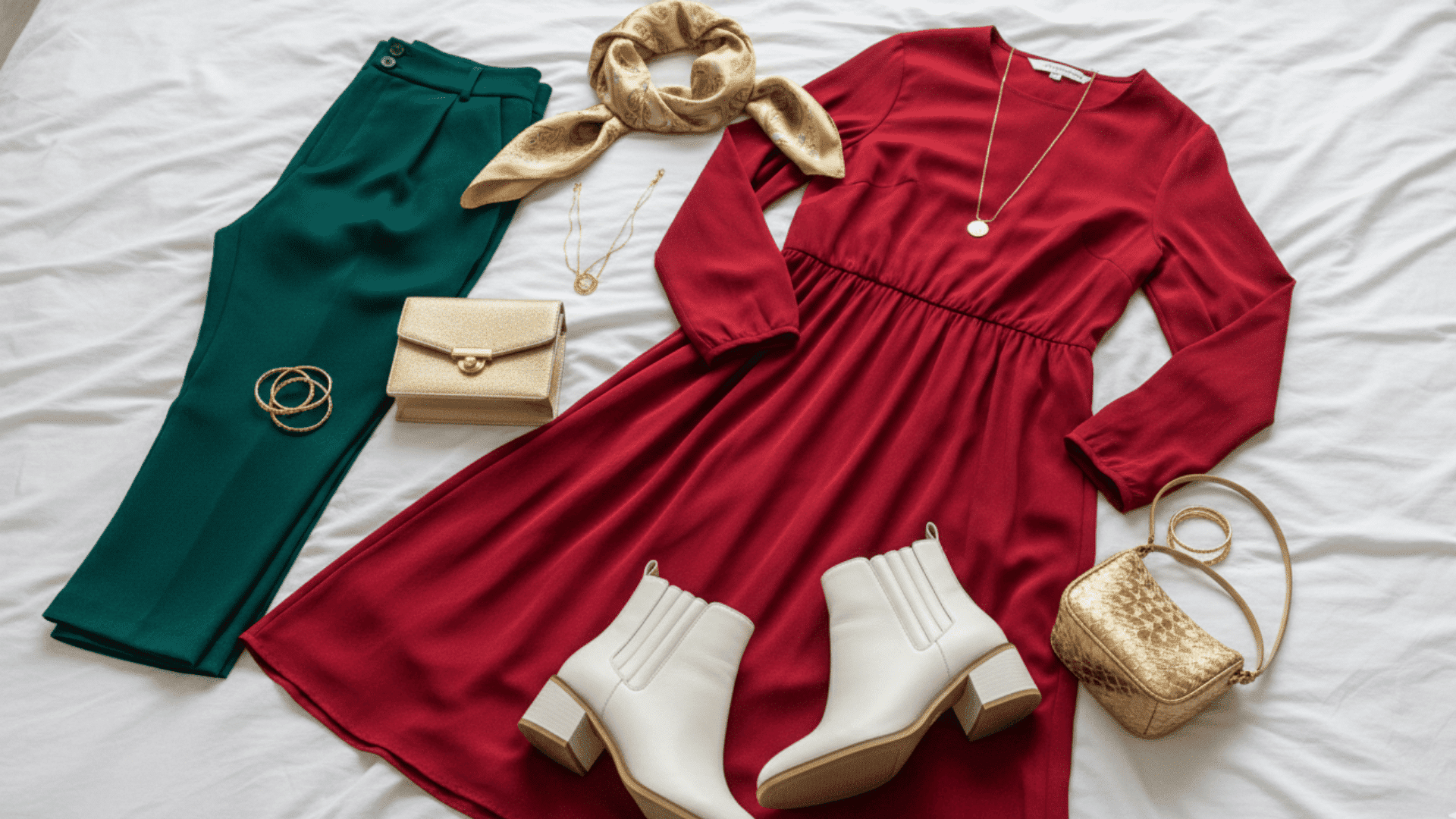
Different colors are thought to bring specific types of fortune into your life. Red attracts love and passion, while gold or yellow brings wealth. White symbolizes peace, and green invites growth and prosperity.
- Red: For love, energy, and protection from negativity
- Gold or Yellow: To attract money and success
- Green: For health, growth, and new opportunities
4. Starting the Day With Money in Your Wallet

Having cash in your pocket on January 1st ensures you’ll have money all year long. Some people also put money under their pillow or in their shoes. The idea is that starting wealthy means staying wealthy.
- How Much To Carry: Any amount works, but larger bills are considered better
- Where To Keep It: In your wallet, pocket, or shoe
- Extra Tip: Avoid spending this money on New Year’s Day itself
5. Avoiding Arguments or Negativity

How you behave on New Year’s Day sets the emotional tone for the entire year. Fighting, complaining, or crying can invite conflict and sadness into your future. Stay calm, speak kindly, and keep your mood positive.
- Why It Matters: Negative energy on day one can follow you for months
- What To Avoid: Yelling, gossiping, or dwelling on problems
- Better Approach: Practice gratitude and focus on happy thoughts
6. Eating Grapes to Symbolize Abundance
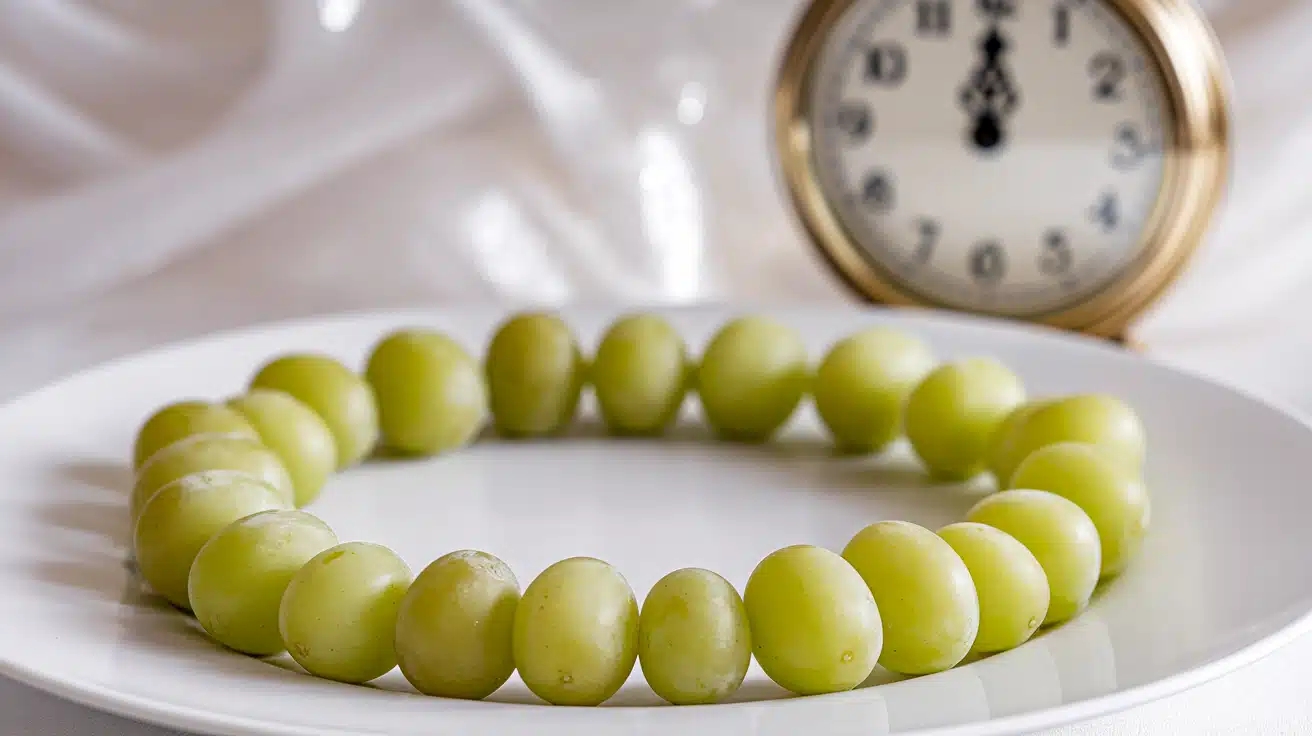
This Spanish tradition involves eating 12 grapes at midnight, one for each month of the year. Each grape represents a month of good luck and prosperity. You must eat them all before the clock stops chiming.
- The Rule: One grape per chime at midnight
- What It Means: Success and sweetness in every month ahead
- Pro Tip: Practice beforehand so you don’t choke during the countdown
7. Making Noise to Scare Away Bad Luck

Loud sounds at midnight are believed to frighten away evil spirits and bad energy. People bang pots, set off fireworks, or honk car horns to cleanse the atmosphere. The louder you are, the more luck you attract.
- Traditional Methods: Banging pots and pans together
- Modern Versions: Fireworks, party horns, or loud music
- Cultural Basis: Found in Chinese, Latin American, and European customs
8. Not Doing Laundry on New Year’s Day

Washing clothes on January 1st is said to wash away a family member or loved one. Some believe it cleans away your luck for the year. Save the laundry for another day to keep everyone safe and fortune intact.
- The Warning: You might lose someone close to you
- Why People Believe It: Water symbolizes washing things away permanently
- Safe Alternative: Finish all laundry by December 31st
9. Eating Round Foods for Financial Luck

Round shapes symbolize coins and the cycle of prosperity returning to you. Foods like donuts, pancakes, or ring-shaped cakes are popular choices. The circular form represents completeness and abundance flowing back into your life.
- Examples: Donuts, bagels, and round fruits like oranges
- Symbolism: Coins, full circles, and wealth coming back to you
- Cultural Ties: Common in Dutch, German, and Filipino traditions
10. Letting the Old Year Out and the New Year In

Open your back door just before midnight to let the old year leave. Then open your front door at midnight to welcome the new year inside. This ritual symbolizes releasing the past and inviting fresh opportunities.
- Back Door: Opens first to release old energy and hardships
- Front Door: Opens at midnight to welcome new blessings
- Bonus: Some people ring bells or light candles during this ritual
11. Avoiding Broken Objects or Repairs

Starting the year with broken items suggests your life will be fractured or incomplete. Don’t fix things on January 1st either, as it implies constant problems ahead. Enter the new year with everything whole and working correctly.
- What To Avoid: Broken dishes, torn clothing, or damaged furniture
- Why It’s Bad: Symbolizes a broken or troubled year ahead
- Preparation Tip: Fix or replace broken items before December 31st
12. Getting Out of Bed Early to Avoid Laziness All Year

Sleeping late on New Year’s Day is believed to make you lazy for the next 12 months. Waking up early shows ambition and sets a productive tone. Many people wake at sunrise to start the year with energy and purpose.
- The Belief: Sleep late now, be sluggish all year
- Best Practice: Set an alarm and start your day with intention
- Cultural Note: Common in farming communities and Asian cultures
13. Eating Pork for Progress and Momentum
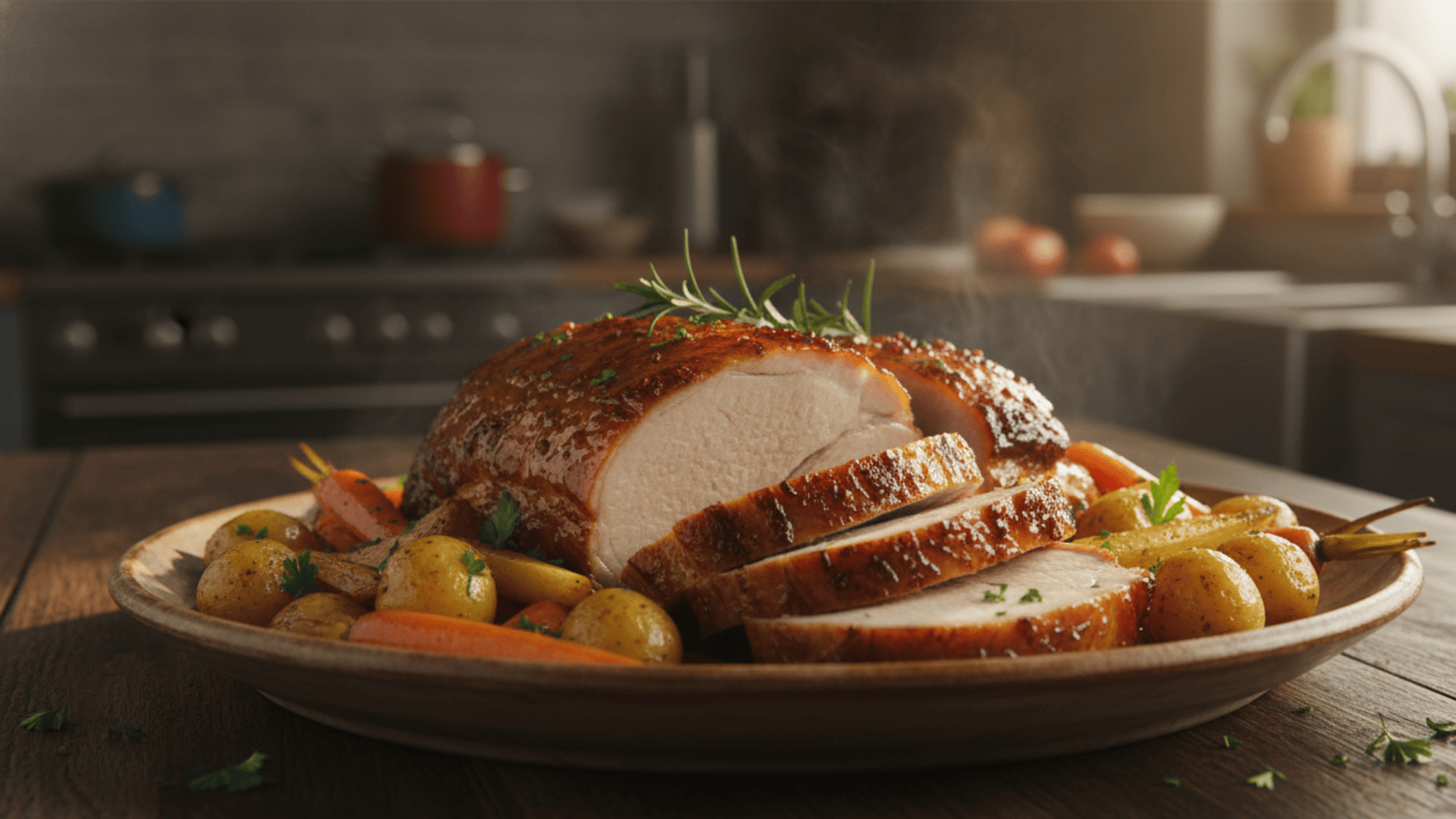
Pigs root forward when they eat, symbolizing forward movement and progress. Eating pork on New Year’s Day means you’ll move ahead in life, not backward. Many cultures serve ham, sausage, or roast pork for this reason.
- Why Pork: Pigs push forward, representing progress and prosperity
- What To Avoid: Chicken or fish, which scratch backward or swim away
- Popular Dishes: Ham, pork chops, or Italian sausage
14. Avoiding Crying or Sadness

Tears on January 1st are thought to bring sorrow for the entire year ahead. Even if something upsets you, try to stay composed and positive. Starting with joy invites more happiness into your future months.
- The Superstition: Cry today, cry all year long
- What To Do: Focus on gratitude and happy memories
- Cultural Basis: Found in many Eastern European and Asian traditions
15. Opening Doors and Windows at Midnight

This practice allows negative energy to escape and fresh energy to enter your home. Some cultures believe it lets good spirits in while pushing bad ones out. The flow of air symbolizes renewal and a clean slate.
- Why Do It: Fresh air cleanses the space of old, stagnant energy
- How Long: Keep them open for a few minutes after midnight
- Added Benefit: Physically and symbolically refreshes your living space
16. Writing Intentions or Wishes for the Year

Putting your goals on paper makes them feel real and achievable. Some people write wishes and burn them to send them to the universe. Others keep the list as a reminder to check throughout the year.
- Method One: Write wishes and burn them for symbolic release
- Method Two: Keep a list and review it monthly
- Why It Helps: Clarifies goals and keeps you focused on what matters
17. Avoiding Debts or Unpaid Bills

Starting the year owing money is believed to keep you in debt all year long. Pay off what you can before midnight on December 31st. Enter January 1st with a clean financial slate to attract abundance.
- The Principle: Start in debt, stay in debt
- What To Clear: Credit cards, loans, or money owed to friends
- Mindset Shift: Financial clarity invites more money to flow your way
18. Eating Lentils for Wealth
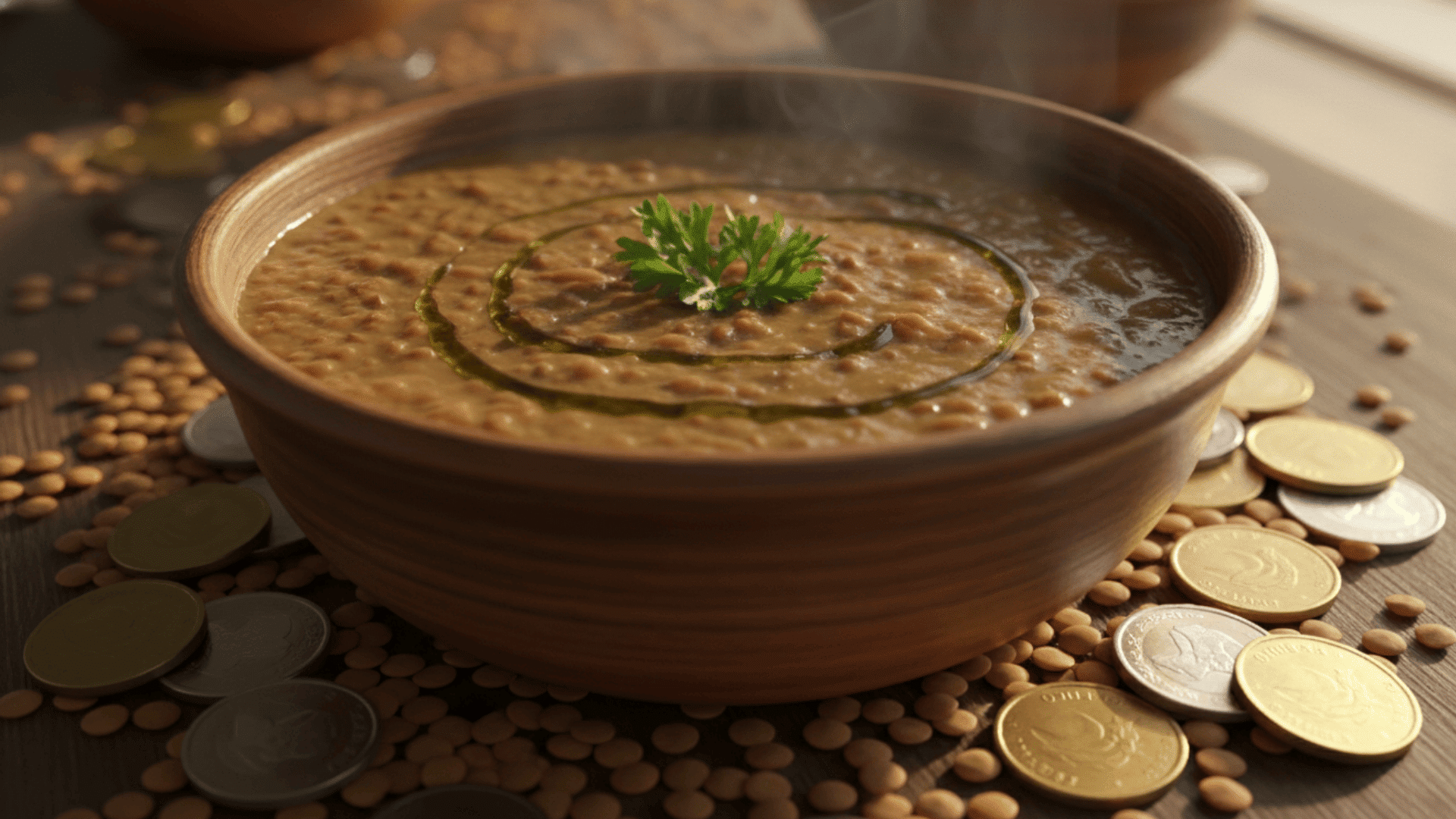
Lentils resemble coins and are packed with protein, making them a symbol of sustenance and wealth. Italian families traditionally eat lentils at midnight or on New Year’s Day. The more you eat, the richer you’ll supposedly become.
- Why Lentils: Their coin-like shape represents money multiplying
- How To Serve: In soups, stews, or as a side dish
- Cultural Tradition: Strong in Italian and Brazilian customs
19. Wearing New Clothes

New garments symbolize a fresh start and renewal for the coming year. Wearing something new on January 1st invites abundance and good fortune. Some people buy a completely new outfit specifically for this tradition.
- What to Wear: Anything new, from underwear to a complete outfit
- Color Matters: Red for luck, white for peace, gold for wealth
- Cultural Roots: Popular in many Asian and Latin American communities
20. Keeping the House Clean Before the New Year

A clean home on January 1st represents a clear mind and an organized life ahead. Finish all cleaning tasks by December 31st to sweep away old problems. Starting fresh in a tidy space invites positive energy and new opportunities.
- What To Clean: Floors, windows, clutter, and forgotten corners
- Why It Works: Physical cleanliness reflects mental and spiritual clarity
- Don’t forget: Finish before midnight so you don’t sweep away luck on January 1st
21. Avoiding Knives or Sharp Objects

Using knives or scissors on New Year’s Day is thought to cut your luck short. Sharp tools can also symbolize severing relationships or opportunities. Many people prepare all their food the night before to avoid this risk.
- The Fear: Cutting tools sever good fortune and relationships
- What To Skip: Chopping, cutting, or using scissors
- Meal Prep Tip: Slice vegetables and prepare dishes on December 31st
22. First-Footer Tradition for Good Fortune

The first person to enter your home after midnight determines your luck for the year. Ideally, it should be a dark-haired man carrying gifts like bread, salt, or coal. This Scottish tradition is still followed in many communities today.
- Who’s Ideal: A tall, dark-haired man brings the most luck
- What They Bring: Bread for food, salt for wealth, coal for warmth
- What to Avoid: A blonde or red-haired person entering first is considered unlucky
23. Avoiding Breaking Glass

Broken glass on New Year’s Day symbolizes shattered dreams and broken relationships. Handle dishes and glasses carefully to avoid accidents. Some cultures see broken glass as 12 months of misfortune ahead.
- Why It’s Bad: Represents broken promises and failed plans
- Prevention: Use plastic cups at midnight parties
- If It Happens: Some say throwing salt over your shoulder reverses the curse
24. Eating Leafy Greens for Financial Growth
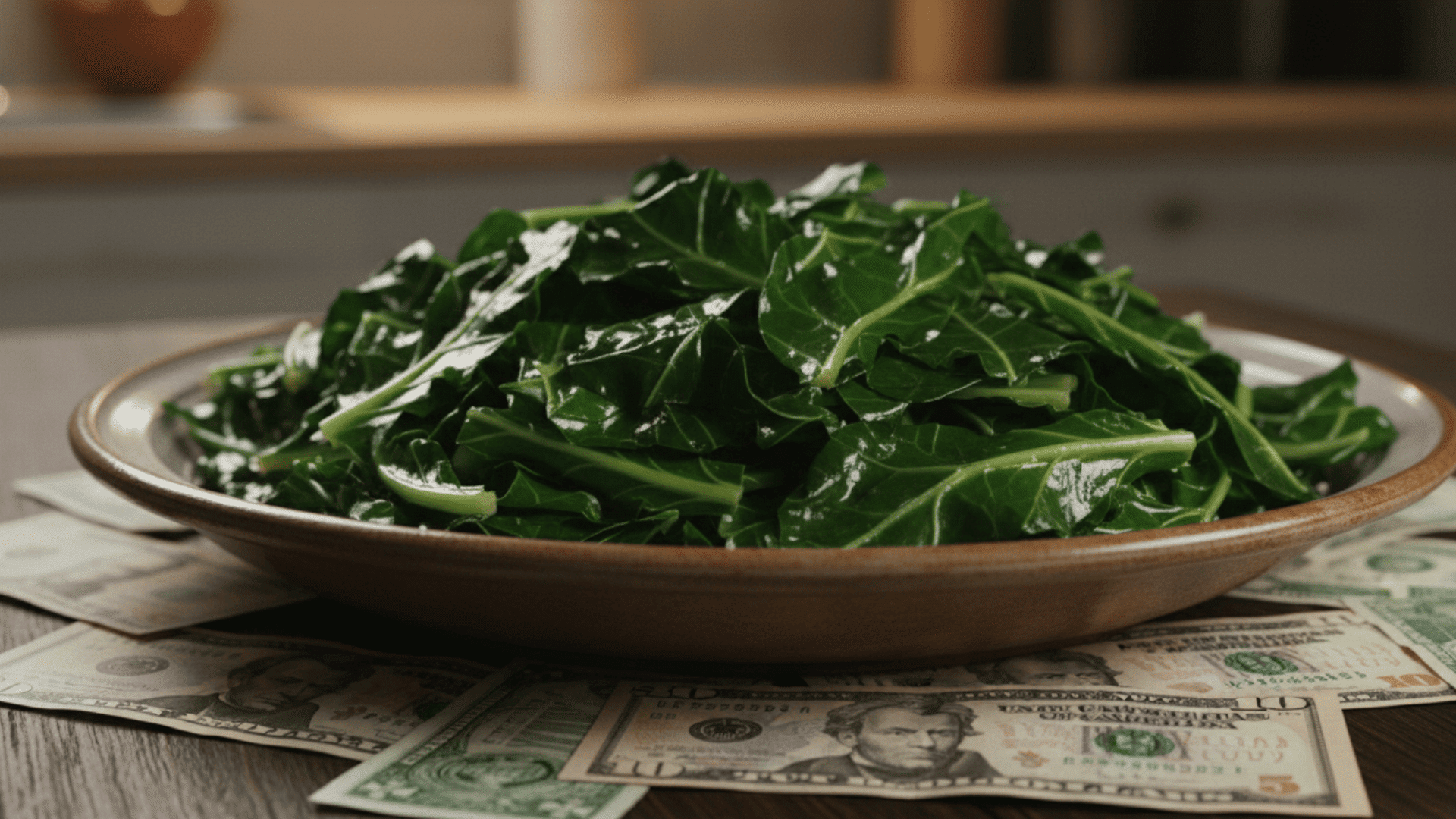
Greens like collards, kale, or cabbage represent paper money and financial growth. The more greens you eat, the more money you’ll make this year. Southern Americans often pair them with black-eyed peas and cornbread.
- Best Choices: Collard greens, kale, cabbage, or spinach
- Why They Work: Their color and shape resemble dollar bills
- How To Serve: Cooked with bacon, garlic, or in a traditional Southern style
25. Avoiding Sleeping the Day Away

Wasting New Year’s Day in bed suggests you’ll waste opportunities all year long. Stay awake and active to show the universe you’re ready for what’s ahead. Productivity on January 1st sets a motivated tone for the months to come.
- The Message: Be present and engaged from day one
- What To Do Instead: Spend time with family, go outside, or set goals
- Belief Origin: Tied to farming cultures that valued hard work
26. Kissing Someone at Midnight for Connection and Love

A midnight kiss ensures you’ll have love and affection throughout the year. It strengthens bonds with your partner and invites romance into your life. Being alone at midnight is thought to predict loneliness for the coming months.
- Why Kiss: It seals love and connection for 365 days
- Who To Kiss: Your partner, a close friend, or family member
- Single Superstition: Some say you’ll spend the year alone if you don’t kiss anyone
Are New Year’s Day Superstitions Good or Bad?
With so many traditions to follow, you might wonder if superstitions help or hurt. The answer depends on how you approach them and what they mean to you personally.
| Aspect | The Good Side | The Bad Side |
|---|---|---|
| Cultural Connection | Keeps family traditions alive across generations. | Forces beliefs you may not personally agree with. |
| Emotional Comfort | Provides hope and control during uncertain times. | Creates dependency on luck instead of action. |
| Social Bonding | Strengthens relationships through shared rituals. | Causes judgment when you don’t follow the rules. |
| Mental Focus | Helps clarify goals and set intentions clearly. | Leads to anxiety about breaking small rules. |
| Positive Mindset | Boosts confidence and optimism for the year. | Blames bad luck instead of taking responsibility. |
How to Choose Which New Year’s Day Superstitions to Follow?
You don’t need to follow every superstition you hear about. Focus on traditions that hold real meaning for you, not ones driven by fear or obligation.
If a ritual makes you feel connected to your family or brings genuine comfort, keep it. If it stresses you out or feels pointless, let it go.
Create your own personal traditions by mixing old customs with new ideas that reflect your values. The goal is to start the year with intention and joy, not anxiety about breaking arbitrary rules.
Choose superstitions that inspire hope rather than ones that make you afraid of bad luck. Your New Year’s Day should feel empowering, not restrictive.
Trust yourself to know which beliefs serve you and which ones don’t.
To Sum It Up
New Year’s Day superstitions offer more than just quirky rules about food and luck.
They represent hope, cultural connection, and the universal desire for a better year ahead. You don’t need to follow every tradition mentioned here.
Pick the ones that resonate with your values and bring you genuine comfort. Remember, superstitions work best when they inspire positive action, not fear or stress.
Whether you eat black-eyed peas, kiss at midnight, or set clear intentions, make January 1st meaningful in your own way.
What superstitions does your family follow? Share your favorite New Year traditions in the comments below!