

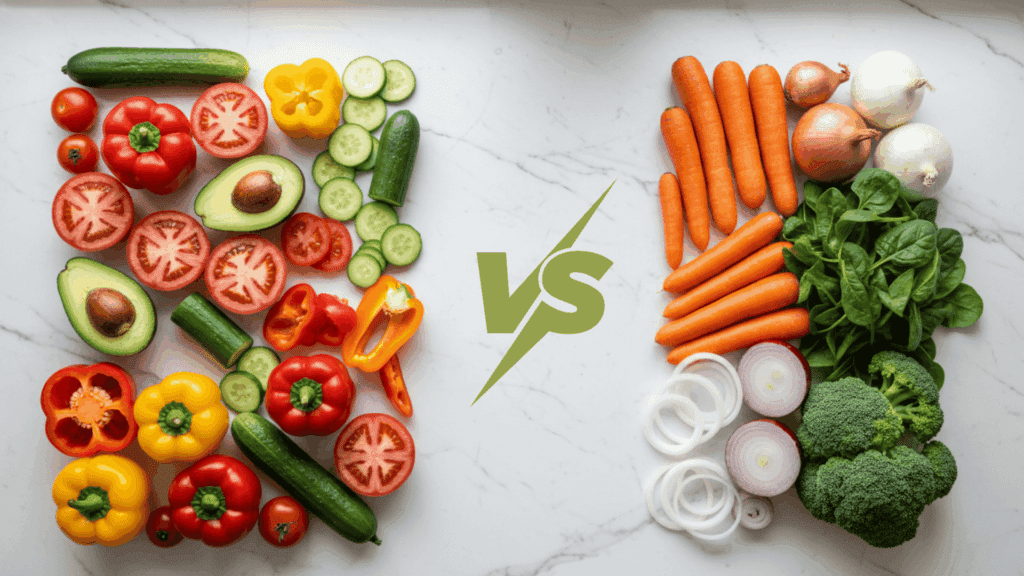
Ever grab a tomato at the grocery store and wonder why it sits with the cucumbers instead of the apples? Most people think they know the difference between fruits and vegetables.
Then someone mentions that tomatoes are actually fruits, and everything feels confusing again. The mix-up happens because kitchens and science don’t speak the same language.
What you call a vegetable in cooking might be a fruit in botany. And honestly, it doesn’t matter much when you’re making dinner.
This guide breaks down the real difference, explains why the confusion exists, and shows how both fit into healthy eating.
You’ll learn what makes something a fruit, what counts as a vegetable, and why getting enough of both matters more than labels ever will.
How Are Plants Classified in Botany?
Botany looks at plant structure and function, not taste. Scientists care about how plants reproduce and which parts people eat.
“Vegetable” isn’t actually a scientific term. It’s just a kitchen word for edible plant parts. Fruits, though, have a real botanical meaning tied to reproduction.
Once you understand this, it’s easier to see why tomatoes and cucumbers get labeled the way they do.
What Is a Fruit?
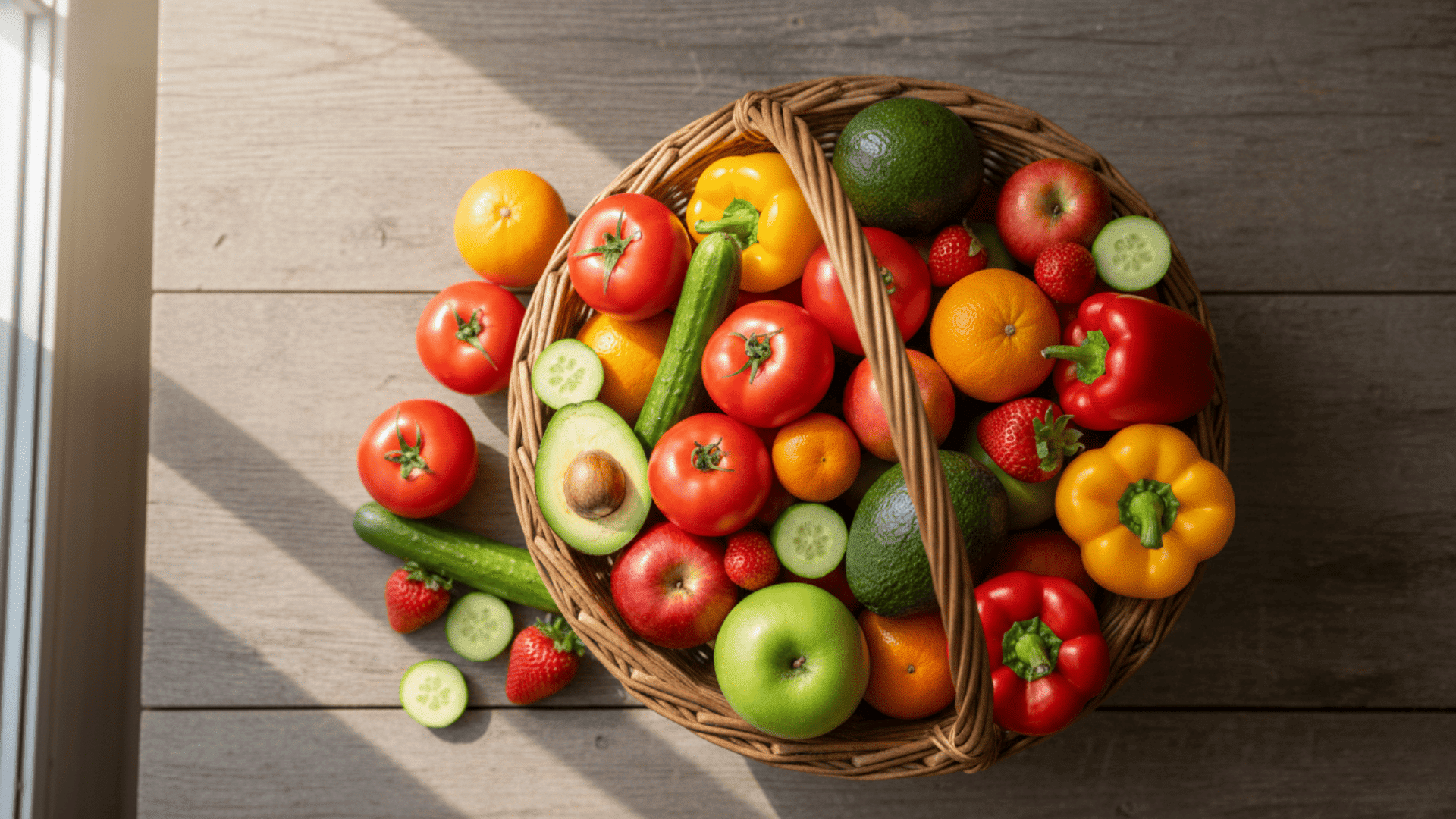
In botany, a fruit has a specific definition. It’s the part of a plant that comes from a flower and holds seeds. Scientists don’t care if it tastes sweet or savory. What matters is its role in helping the plant reproduce.
Here’s what makes something a fruit:
- Develops from a flower: After pollination, the flower’s ovary turns into a fruit.
- Contains seeds: Seeds are always inside, whether visible or not.
- Supports reproduction: The fruit protects seeds and helps spread them to grow new plants.
This explains why tomatoes, cucumbers, squash, and avocados are all fruits. Flavor doesn’t change the classification. If it came from a flower and has seeds, it’s a fruit.
What Is a Vegetable?
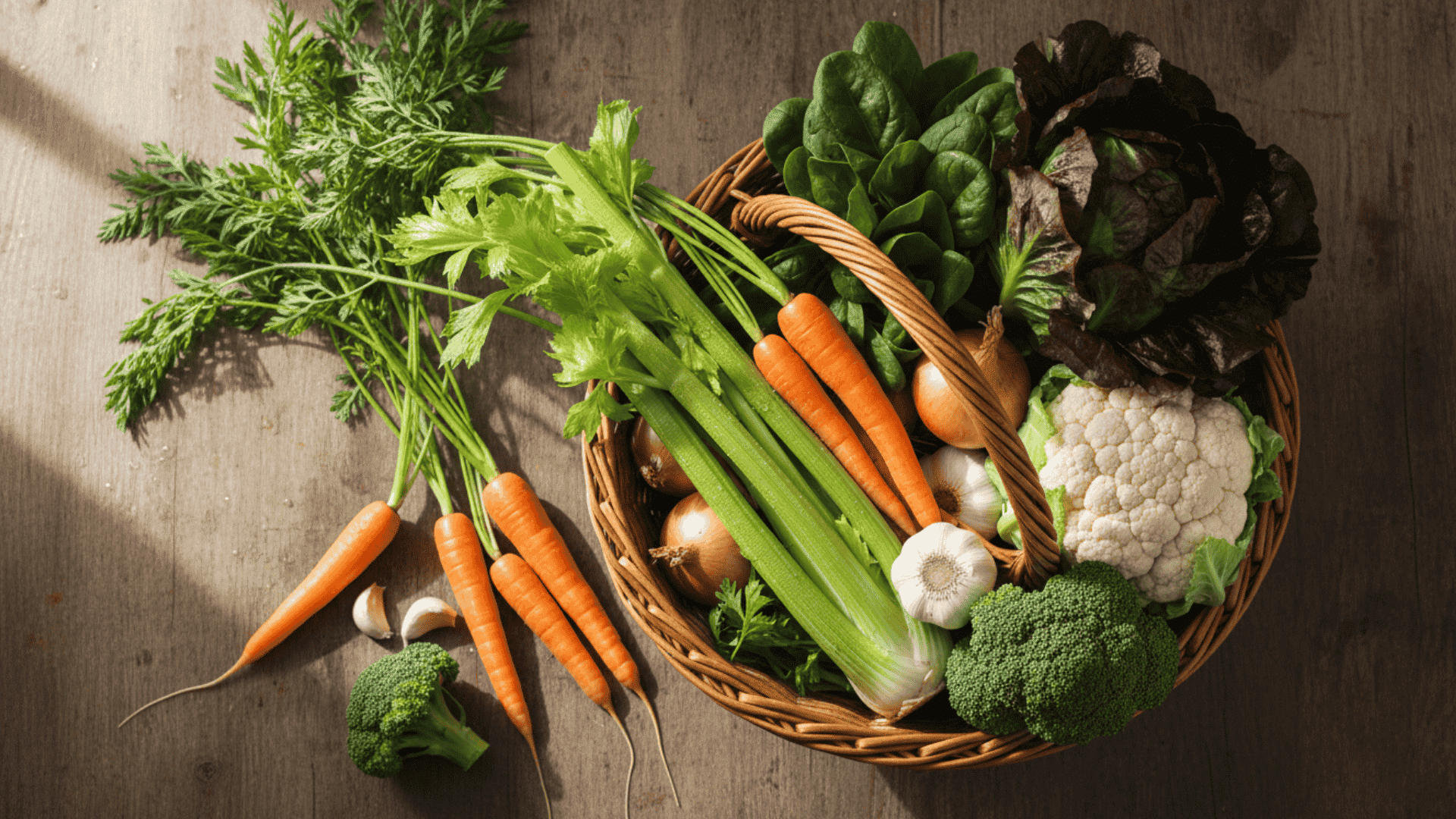
A vegetable is any edible plant part that doesn’t help with reproduction. Unlike fruits, vegetables can come from many different areas of a plant. The term is used more in cooking than in science, which is why it feels less strict.
Here are the main types of vegetables based on plant parts:
- Roots: Carrots, beets, and radishes grow underground and store nutrients.
- Stems: Celery and asparagus are crunchy stalks that support the plant.
- Leaves: Spinach, lettuce, and kale are the green parts that absorb sunlight.
- Bulbs: Onions and garlic grow as layered underground storage organs.
- Flowers: Broccoli and cauliflower are technically flower buds that we eat before they bloom.
Because vegetables are grouped by how we use them in cooking, not by biology, the category stays flexible. It’s a culinary tool, not a strict scientific label.
Fruit vs Vegetable: Side-by-Side Botanical Comparison
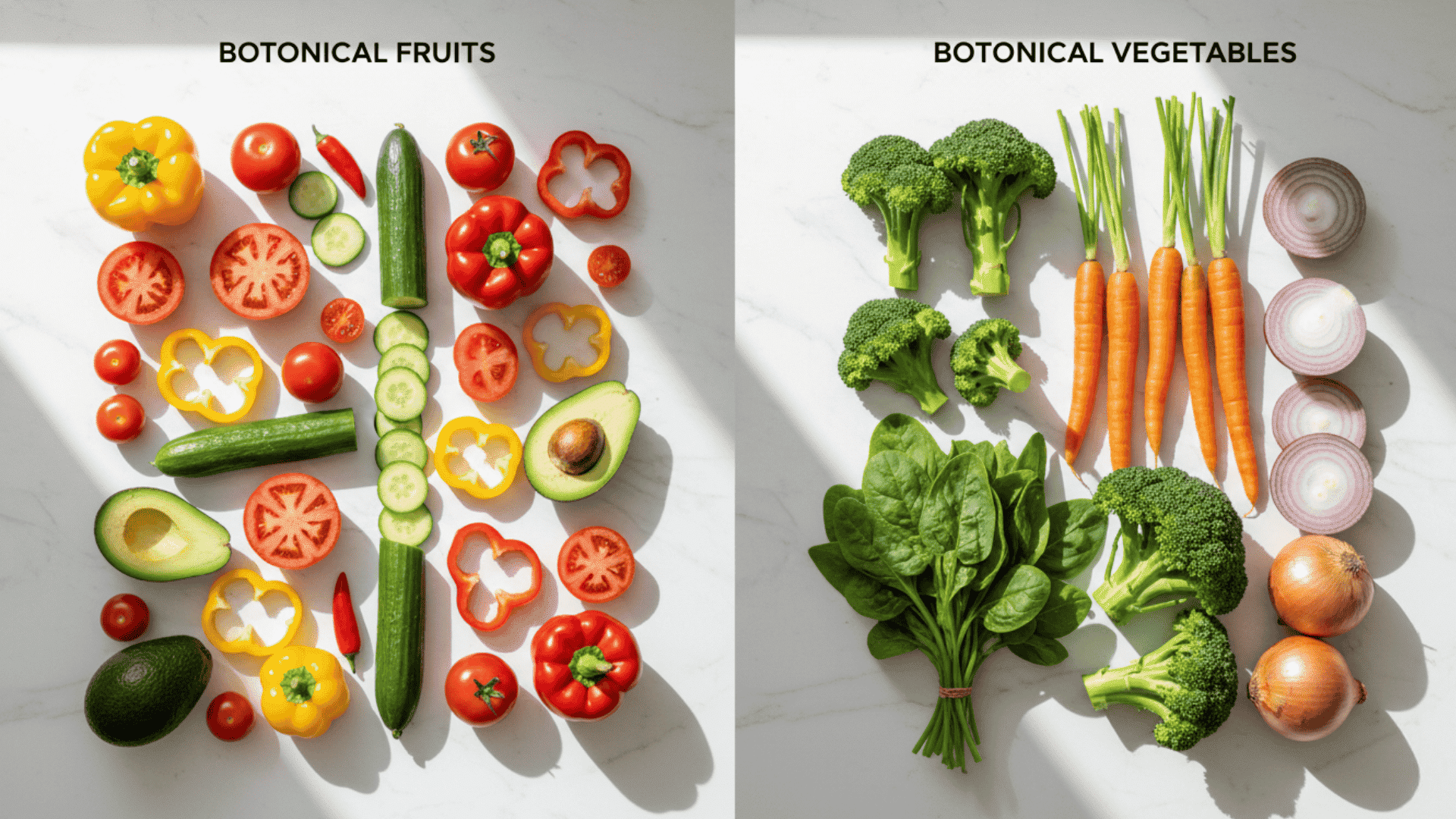
Looking at fruits and vegetables side by side makes the differences clearer. Here’s how they compare across key botanical features.
1. Part of the Plant
- Fruit: Always comes from the flower of a plant. The flower blooms, gets pollinated, and then becomes a fruit.
- Vegetable: Comes from other plant parts like roots, stems, leaves, or bulbs. These parts don’t involve flowers or reproduction.
2. Seed Presence
- Fruit: Always contains seeds, even if they’re tiny or hidden. Seeds are the main reason the fruit exists.
- Vegetable: Usually has no seeds at all. If it does, the seeds aren’t the main feature.
3. Role in Plant Growth
- Fruit: Exists to protect seeds and spread them to new locations. Reproduction is the entire purpose.
- Vegetable: Supports the plant by storing nutrients or providing structure. Growth and survival are the main jobs.
4. Scientific Classification
- Fruit: Has a clear, specific definition in botany. Scientists agree on what makes something a fruit.
- Vegetable: Not a scientific term at all. It’s a loose grouping based on cooking and everyday use.
5. Common Examples
- Fruit: Apples, oranges, tomatoes, cucumbers, peppers, and avocados all fit the botanical definition.
- Vegetables: Carrots, spinach, broccoli, onions, and celery are typical examples used in cooking.
Fruit vs Vegetable: Culinary Differences
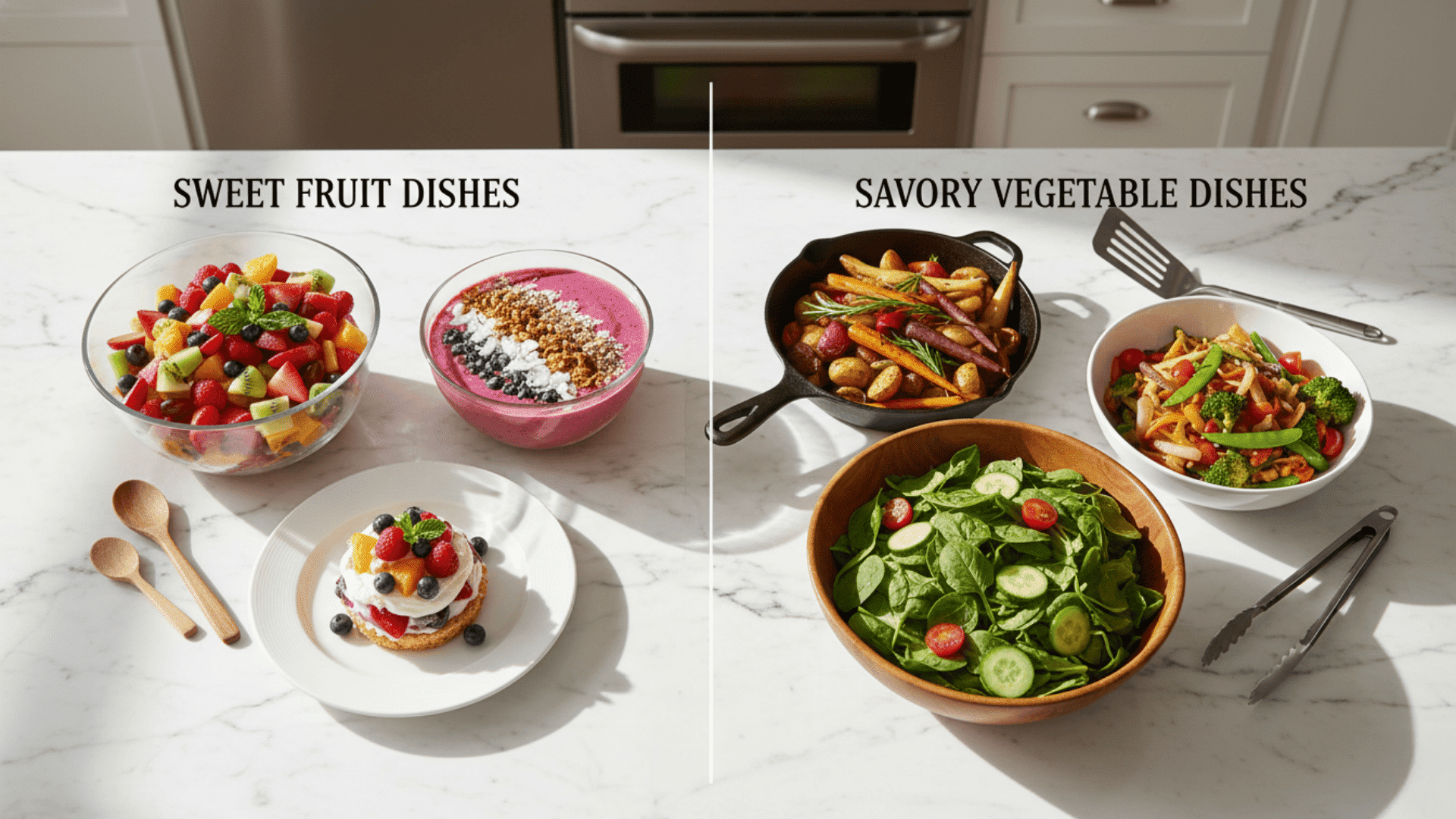
In the kitchen, taste and use matter more than science. Here’s how fruits and vegetables differ when you’re cooking.
| Feature | Fruit | Vegetable |
|---|---|---|
| Taste | Usually sweet or tart | Typically savory or mild |
| When eaten | Often as snacks or desserts | Mostly in main dishes and sides |
| Sugar content | Higher natural sugars | Lower sugar, more neutral flavor |
| Cooking method | Eaten raw or lightly cooked | Often cooked or roasted |
| Meal placement | Breakfast, snacks, treats | Lunch and dinner meals |
| Kitchen label | Based on sweetness | Based on how it’s used in cooking |
This culinary approach is why tomatoes, peppers, and zucchini get called vegetables in recipes. They taste savory and work well in main dishes. Even though they’re botanical fruits, cooks treat them like vegetables. Flavor and use win over science in the kitchen.
Foods That Are Commonly Misclassified
Some foods confuse because what science says and what kitchens do are entirely different. Here are the most common mix-ups.
Fruits Often Called Vegetables
- Tomatoes: They have seeds and grow from flowers, making them fruits in every botanical sense.
- Cucumbers: Full of seeds and develop from the flower, so they’re definitely fruits.
- Bell peppers: The seeds inside and the flower origin confirm these are fruits, not vegetables.
- Squash: All types of squash grow from flowers and contain seeds, which makes them fruits.
- Eggplants: These develop from flowers and hold tiny seeds, putting them in the fruit category.
- Avocados: They have a large seed and come from a flower, so botanically they’re fruits.
Vegetables Sometimes Mistaken for Fruits
- Rhubarb: Tastes tart and often sweetened in desserts, but it’s actually a stem vegetable.
- Sweet potatoes: The sweetness tricks people, but these are root vegetables with no seeds.
- Beets: Their natural sugar makes them taste sweet, yet they’re roots have no reproductive role.
- These mix-ups happen because flavor and cooking matter more than plant biology in daily life.
Health Benefits of Both Fruits and Vegetables
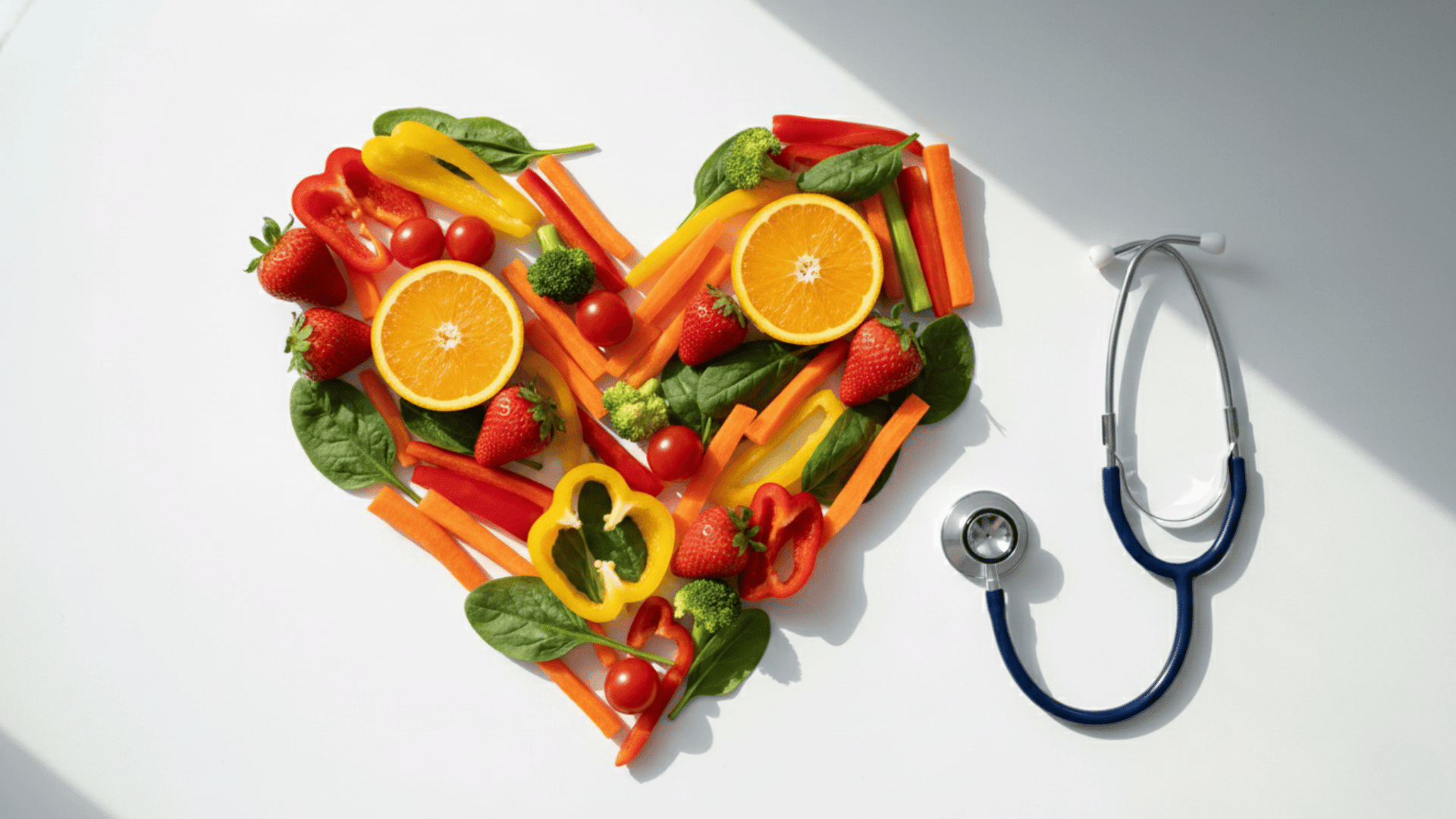
Eating both fruits and vegetables regularly keeps your body functioning well and protects against future health problems.
1. Heart Health
These foods contain potassium, which helps manage blood pressure. Soluble fiber also lowers cholesterol by stopping it from entering your bloodstream.
This reduces your risk of heart disease over time. Regular consumption supports healthy blood flow and keeps arteries clear.
2. Digestive Health
Fiber keeps your digestive system running smoothly and feeds good gut bacteria. It also slows sugar absorption, which prevents blood sugar spikes and crashes throughout the day.
Better digestion means better nutrient absorption and more consistent energy levels.
3. Immune System Support
Vitamins and antioxidants strengthen your immune system and protect cells from damage.
Many vegetables also reduce inflammation, helping your body stay healthy and resist illness. A strong immune system means fewer sick days and faster recovery.
4. Weight Management
Fruits and vegetables are low in calories but high in water and fiber. This helps you feel full longer without overeating, making weight management easier and more natural.
You can eat larger portions without worrying about excess calories.
5. Long-Term Disease Risk Reduction
Studies show that eating more produce improves cardiovascular health and protects blood vessels. Regular intake is also linked to lower rates of certain chronic conditions over a lifetime.
The protective effects build up year after year with consistent healthy eating.
How to Identify Fruits and Vegetables?
Figuring out if something is a fruit or a vegetable is actually simple.
Just ask yourself one question: Did it come from a flower and contain seeds? If the answer is yes, it’s a fruit. If no, it’s a vegetable.
This rule works most of the time and clears up confusion fast. Keep in mind that kitchens don’t always follow this rule. Culinary traditions often label foods based on taste and use instead of plant biology.
But scientifically, the flower and seed test never fails.
Wrapping It Up
The difference between fruit and vegetables comes down to plant structure, not taste.
Fruits grow from flowers and hold seeds. Vegetables come from other plant parts like roots, stems, and leaves. That’s the scientific truth. But in your kitchen, labels matter less than results.
Focus on eating a wide variety of both. Mix colors, try new options, and don’t stress about categories. Your body doesn’t care if a tomato is technically a fruit. It just needs the nutrients.
Start today by adding one extra serving of produce to your meals. Which will you choose first?