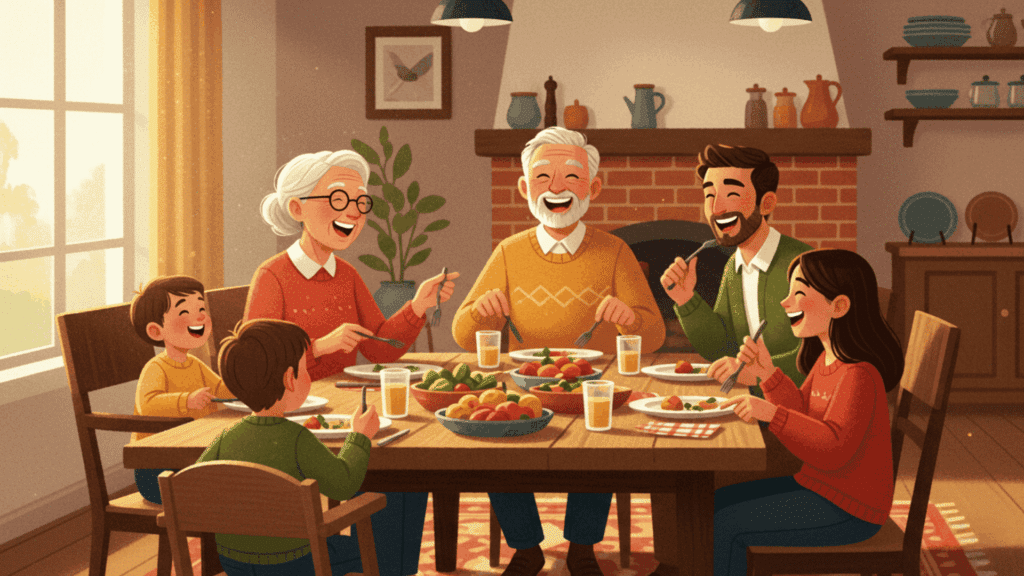

Time spent together is often fragmented in households. A quick chat before bed, a few minutes at breakfast, or perhaps a weekend meal together .
It can be challenging to find times when everyone is completely present because of work, school, screens, and everyday obligations. This is where artistic craft projects subtly enter the picture. As a shared experience that unites people around a common goal, rather than as a pastime to become proficient in or a skill to perfect .
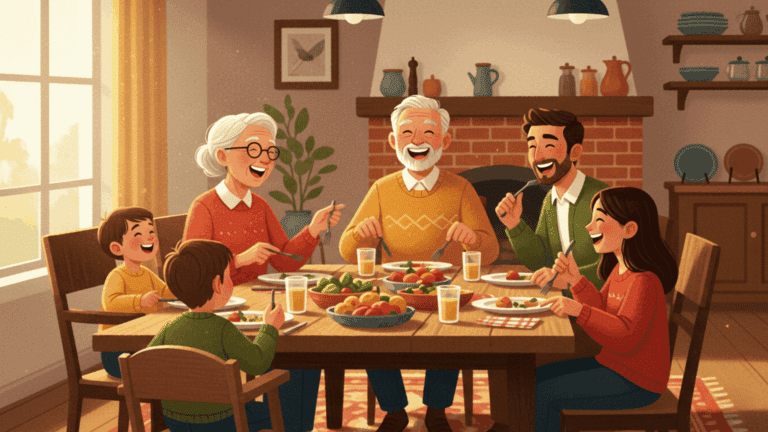
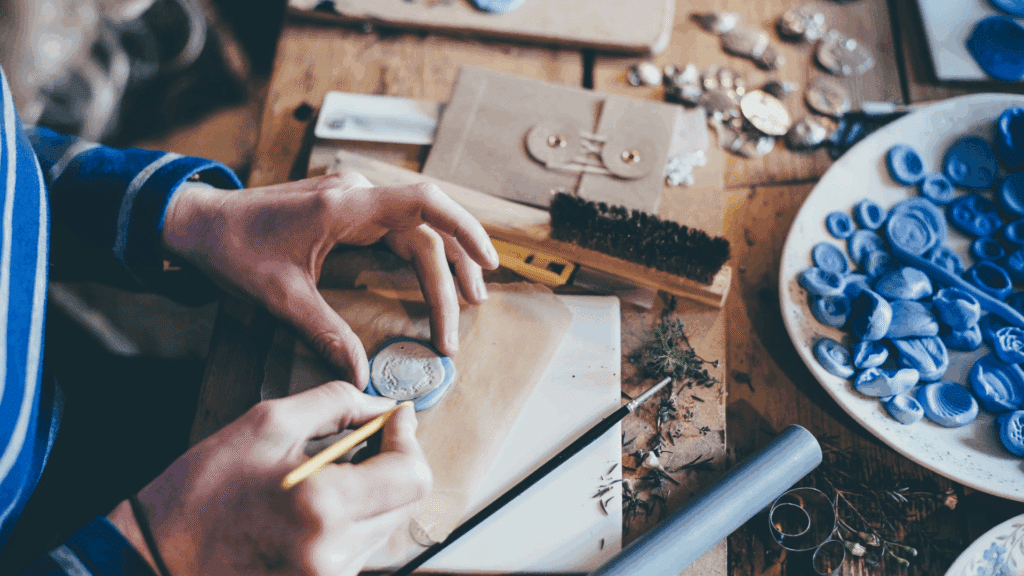
At home, crafting together slows things down. Families have an excuse to sit next to each other, use their hands and converse freely. The laughter is more valuable than the completed project.
Why Crafting Works for Family Connection
Family craft activities are inherently inclusive, in contrast to many activities that divide family members based on age or skill.
While an older sibling concentrates on details, a younger child might enjoy selecting colors or joining pieces. Instead of watching over their kids from a distance, parents can simply participate with them or offer guidance when needed.
A feeling of equality is produced by this common rhythm. No one has to be an expert, everyone can contribute in their own unique way. Because hands are busy and expectations are low the table becomes a place where conversation flows more freely . There is no winner, no scoreboard, and no performance pressure.
Quiet times are also made possible by crafting. Not every connection has to be animated or loud . While working on a project it can be just as meaningful to sit in comfortable silence as it is to converse.
Going Beyond Results and Excellence
For families, letting go of results is one of the most liberating aspects of do-it-yourself crafts. Crafting ceases to be about making something look flawless when it is framed around creativity and time spent together.
Ideas may change midway through, paint may spill, and pieces may not line up. These are frequently the most memorable times.
Seeing adults accept flaws is especially beneficial to kids. They learn that mistakes are a necessary part of the process and that creativity is adaptable .
Crafting becomes a safe environment when parents show curiosity rather than correction. When parents model curiosity instead of correction, crafting becomes a safe space for self expression.
This approach also removes pressure from children who might feel intimidated by traditional art activities. When the goal is shared enjoyment rather than skill building, everyone feels welcome to participate.
Simple Hands-On Family Activities that Suit All Ages
The most effective interactive family activities are flexible. They eliminate the need for separate setups and enable each person to participate at their own level. Certain concepts naturally promote teamwork while remaining easy enough for people of different ages.
Crafts based on stories are effective. Families can construct a shared narrative around paper figures, characters, or brief scenes.
While older children help shape the story, younger children may concentrate on decorating. The craft serves as a springboard for creativity and dialogue.
Projects using recycled materials are an additional inclusive choice. Using cardboard, paper rolls, leftover fabric, or old magazines encourages unrestricted creativity. Families can create an abstract piece, collage, or shared structure where each member’s contribution counts .
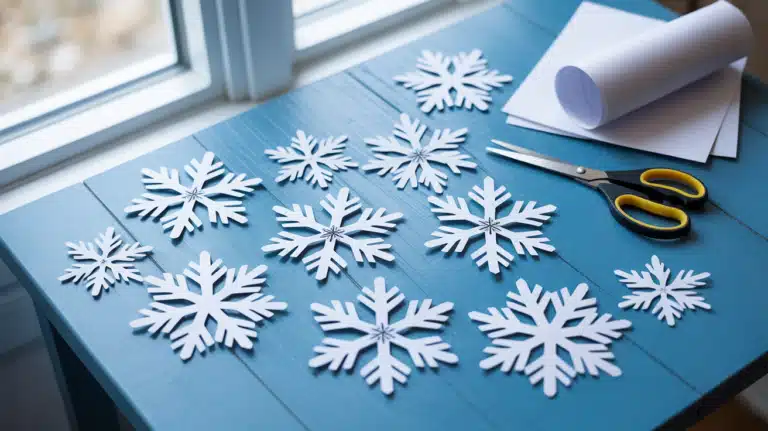
Additionally, seasonal crafts give family life a sense of rhythm. Making something related to a season or holiday helps the activity feel rooted in the here and now. These projects frequently reappear later as mementos or decorations, subtly reminding everyone of the time spent together.
Creating a Routine Around Creative Family Time
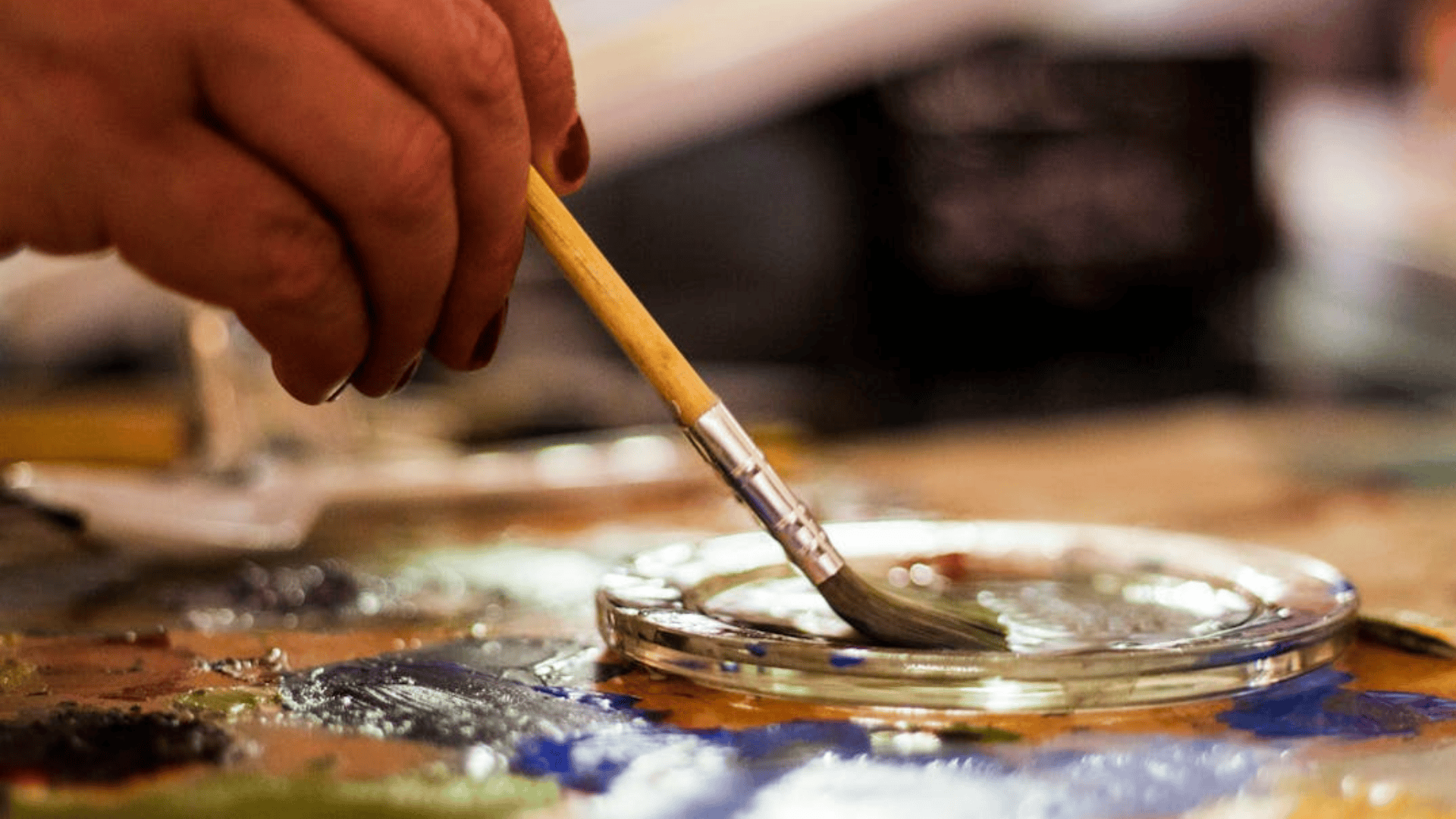
Making crafts doesn’t have to be a special occasion. Actually it functions best when incorporated into a regular rhythm. Establishing a regular time slot even once a week makes creative family time feel planned rather than impromptu .
This routine doesn’t have to be lengthy. The pace of the household can be reset in as little as 45 minutes. The emphasis can change from productivity to presence, phones can be put away, and soft music can be played.
This common practice fosters familiarity over time. Family members start to connect and feel at ease when they are crafting. Everyone starts to look forward to it because of how it feels to be together rather than what they will create.
Using Structured Projects without Losing Flexibility
Open-ended crafting has its own appeal, but some families prefer some structure.
Parents can participate more easily without having to plan everything themselves, and children who feel overwhelmed by too many options can benefit from clear steps .
Here, well-thought-out kits can be incorporated into family life without making the activity a chore.
For instance, Rolife offers practical hands-on craft projects that offer a structure while allowing for creativity, making them appropriate for families seeking a guided but flexible shared activity.
The key is how the project is approached. Families can work together on one piece instead of dividing tasks. They can pause, modify steps, or add personal touches. The kit becomes a starting point rather than a set of rules.
Crafting as A Memory Building Tool
The true value of crafting endures long after the glue has dried and the table has been cleared. Combined items frequently have emotional significance that goes well beyond their outward appearance.
Memories of jokes, conversations, and quiet times spent together can be preserved in a slightly uneven model or a handmade decoration.
Children’s memories of home are shaped by these experiences . Every family memory doesn’t have to be connected to a vacation or a significant occasion. The most profound impressions are frequently left during routine evenings spent crafting together.
Parents also benefit in a long-term way. In fast-paced years, crafting provides a means of remaining in the moment. It produces brief breaks from the hectic pace of everyday life, moments that feel authentic and grounded.
Making Space for Connection at Home
Selecting easy, imaginative activities is a gentle act of intention in a world full of constant stimulation. Crafting at home doesn’t require special skills, pricey supplies, or precise timing. All it requires is a shared table, a little curiosity, and a willingness to slow down .
Family craft projects serve as a reminder that commonplace experiences foster unity. One project at a time, families find ways to reconnect through quiet concentration, cooperative effort, and small acts of creativity.
Conclusion
Crafting is not about teaching skills or producing impressive results. It is about being present with one another. When families create together, they build something far more meaningful than a finished object.
They build shared memories, mutual understanding and a sense of belonging that lasts well beyond the craft itself.