

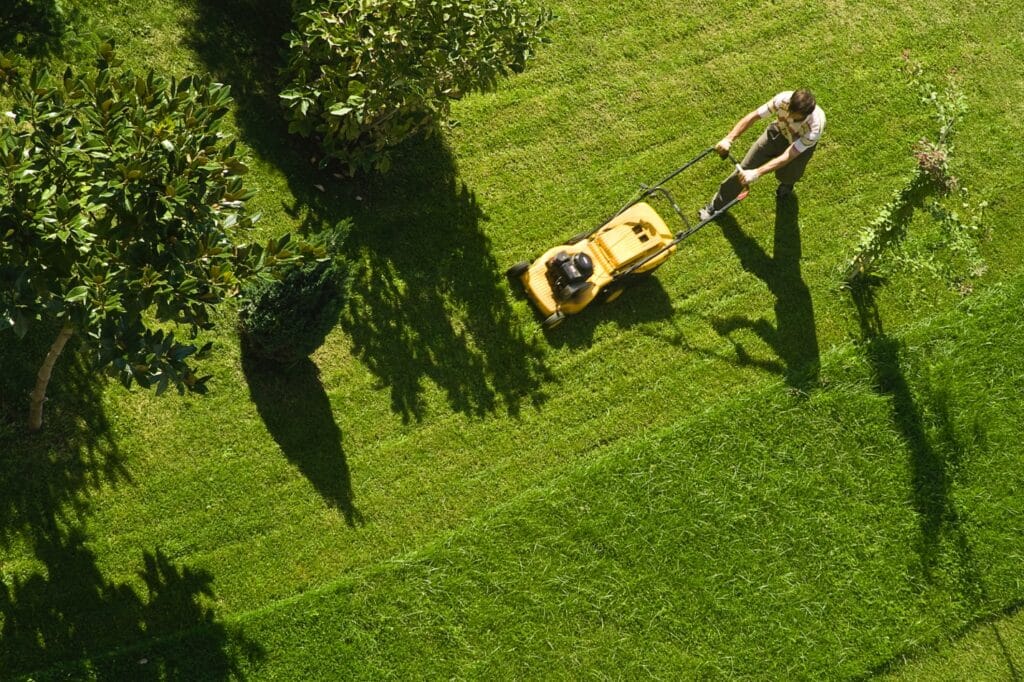
As families think about retirement, conversations often focus on finances, healthcare, and lifestyle changes. One topic that deserves equal attention is the yard.
A lawn that once felt manageable can become physically demanding over time. Creating a lawn care retirement plan helps families reduce future strain while keeping outdoor spaces enjoyable and safe for years to come.
Rethinking Maintenance as Needs Change
Retirement often brings shifts in energy levels and physical ability. Tasks like mowing, edging, fertilizing, and weed control can become tiring or risky. Planning allows homeowners to adjust expectations before these chores feel overwhelming.
This may include choosing grass varieties that grow more slowly, reducing lawn size, or replacing high-maintenance areas with ground cover or landscaping features that require less attention.
Designing for Long-Term Simplicity
Smart design choices make a significant difference as homeowners age. Wide walkways, level surfaces, and clearly defined borders reduce trip hazards and simplify upkeep.
Shrubs and perennials that return each year minimize planting demands. Irrigation systems with timers can eliminate the need for frequent watering while promoting healthy growth. These changes support consistent results with less hands-on effort.
Budgeting for Ongoing Support
A lawn care retirement plan also includes financial preparation. Even with simplified landscaping, some tasks may eventually require outside help. Setting aside funds for seasonal services ensures the lawn remains cared for without added stress.
Many families gradually transition responsibilities, starting with occasional help and increasing support as needed. Planning early avoids rushed decisions later.
Involving Family in the Plan
For many households, the yard is a shared space that brings generations together. Open conversations with adult children about future maintenance expectations help align plans.
Some families choose to keep lawns simple, so younger members can assist easily. Others plan to hire professionals to maintain consistency. Either option works best when expectations are clear and agreed upon early.
Environmental Benefits of Scaling Back
Reducing lawn size or maintenance intensity can also benefit the environment. Less frequent mowing lowers fuel use, and native plants often require fewer chemicals and less water.
These adjustments support sustainability while making the yard easier to manage. A simplified approach benefits both homeowners and the surrounding community.
A thoughtful lawn care strategy supports comfort, safety, and enjoyment throughout retirement.
By planning, families protect their outdoor spaces from becoming a burden. Instead, the yard remains a place for relaxation, gatherings, and quiet moments that fit naturally into a new stage of life. To learn more, feel free to look over the accompanying infographic below.