


It’s common for aging parents to face challenges with failing teeth or poorly fitting dentures, which can affect their nutrition, self-assurance, and overall well-being. When searching for a lasting solution, one approach frequently stands out: the All-on-4 dental implant procedure.
Naturally, questions arise about whether this investment is worthwhile for an older loved one. Gaining a clear understanding of the treatment, its long-term benefits, and its potential impact is essential for making a thoughtful, informed choice.
Understanding the Investment: All-on-4 Cost vs Value
Look beyond the price tag to the lasting value. A consultation with a qualified dental professional will clarify the All-on-4 cost vs value proposition. You’ll see how it’s a strategic investment in a permanent solution, designed to restore your smile, your function, and your everyday confidence.
While dentures seem cheaper initially, they come with hidden, ongoing costs: adhesives, adjustments, relines, and replacements every few years. Crucially, they don’t prevent bone loss, which can lead to a sunken facial appearance and more health issues over time.
The value of All-on-4 comes from what it provides for decades:
- Permanence: A solution designed to last 20+ years with proper care.
- Health preservation: It maintains your jawbone and facial structure.
- Daily freedom: It restores the ability to eat, speak, and smile with confidence.
When you spread the cost over 20 or more years of reliable, hassle-free use, the investment in daily well-being becomes clear. You’re paying for a permanent solution that protects health and restores independence.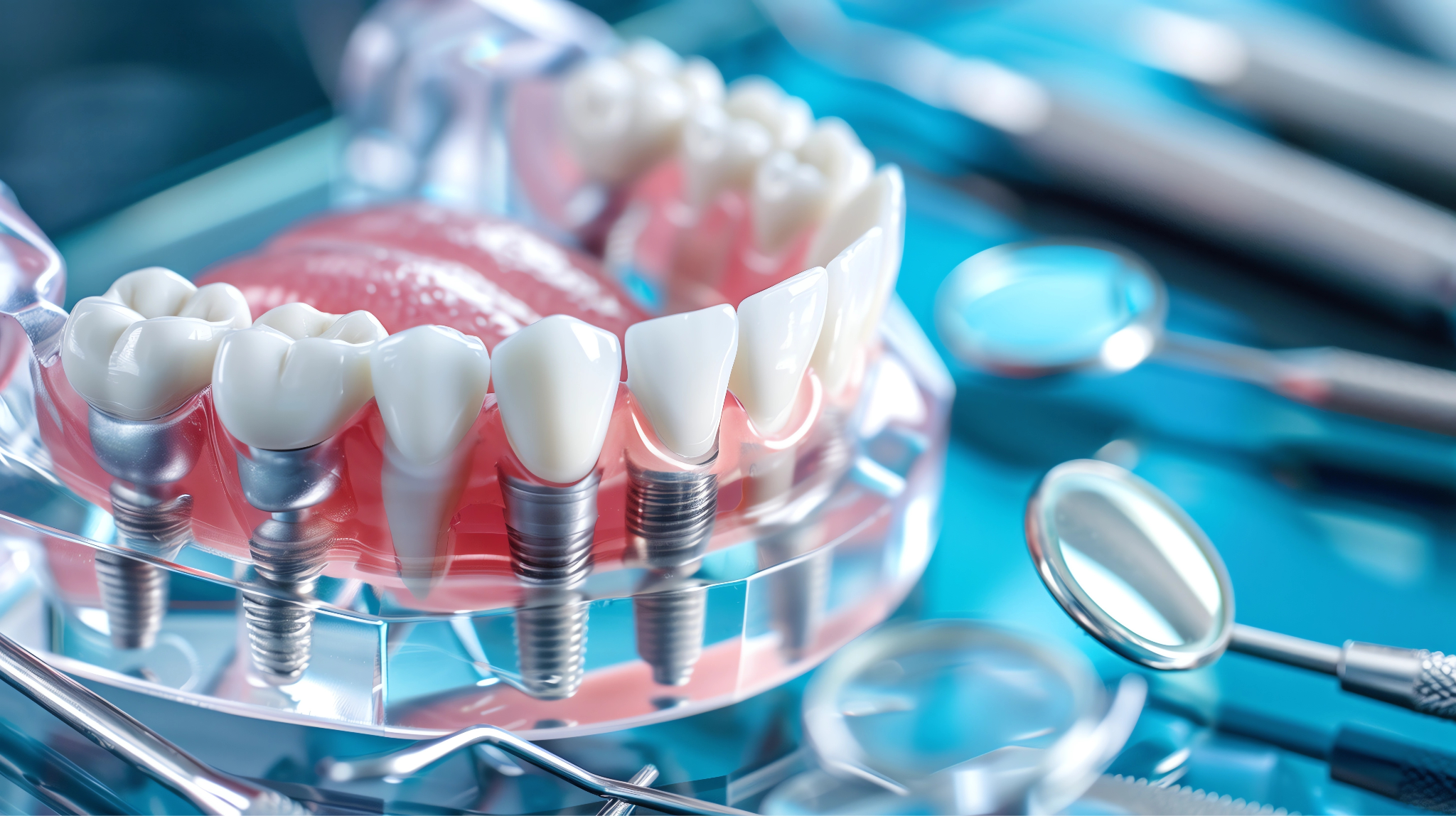
Key Benefits for Seniors
The advantages of this procedure for the elderly population are particularly compelling, addressing the core challenges of aging with tooth loss.
1. Improved Nutrition
All-on-4 implants restore up to 80–90% of natural biting force, allowing seniors to eat healthy, firm foods like steak, apples, and nuts that are often difficult with dentures. This eliminates the restrictive soft-food diet, enabling better nutrition, stronger immunity, and enhanced energy.
2. Bone Preservation
Unlike dentures, dental implants stimulate the jawbone like natural roots, preventing the facial collapse (sunken-in look) and further bone loss that typically follows tooth loss. This preservation of jawbone density is crucial for maintaining a person’s natural facial structure and profile.
3. Same-Day Results
The All-on-4 technique often allows patients to leave the dental clinic with a temporary prosthesis on the same day as surgery, minimizing time spent without teeth. This immediate transformation provides a huge psychological boost.
4. Stability & Comfort
Because they are fixed in place, there is no slipping, clicking, or gum tissue irritation, which are common complaints with traditional dentures. This stability restores confidence in speaking, laughing, and eating in public.
The Procedure and Recovery Experience
A common concern for families is the stress of surgery and recovery time for an older parent. The implant surgery for All-on-4 is typically less invasive than placing individual full-mouth dental implants. By using angled implant placement to anchor in stronger bone, complex bone augmentation procedures are frequently unnecessary.
Post-operative care involves managing swelling with ice packs and adhering to a prescribed soft-food diet for several weeks. Meanwhile, the implants begin to fuse with the bone, which is called osseointegration. Recovery time varies by individual, but most resume normal, gentle activities within a few days.
Discomfort is managed with medication and is highly dependent on individual pain tolerance. The temporary prosthesis allows for normal function during this healing period before the final, permanent bridge is attached.
Comparing the Alternatives
To truly gauge worth, one must compare All-on-4 to other solutions. Traditional dentures are less stable, accelerate bone resorption, and can hinder taste and sensory experience.
Implant-supported dentures offer similar stability but at a potentially higher cost and procedural complexity if more implants are placed. For parents with only some missing teeth, partial dentures might be a stopgap, but they do not prevent bone loss in the empty sockets.
For a parent experiencing complete or near-complete tooth loss in one or both arches, All-on-4 presents a middle ground—a comprehensive full mouth restoration that is more stable than dentures and often less surgically intensive than other full-arch restoration options requiring bone graft procedures.
The Impact Beyond the Smile
The benefits ripple out far beyond the dental arch. Restored chewing ability means shared family meals without embarrassment or pain. The stability of the teeth improves speech clarity. Perhaps most importantly, the renewal of a confident smile can revitalize social interactions.
Seniors often withdraw from friends and family due to denture-related anxieties.
A secure, natural-looking smile can reignite their willingness to engage in community activities, laugh freely without worry, and enjoy a vibrant social life, which is critical for mental health in later years. This restoration of joy and engagement is an invaluable part of holistic care for your parents.
The Bottom Line
If the goal is to provide a long-term solution that prioritizes health, dignity, and quality of life, then investing in All-on-4 dental implants is worth it.
Give your aging parent the joy of eating a crisp apple again, the confidence to smile in a photograph, the preservation of facial contours, and the freedom from daily denture hassles. All-on-4 represents a foundational restoration of function and self-assurance, offering a lasting gift that empowers them to savor their golden years to the fullest.