
Ever tried naming flowers at a garden center and felt stuck after roses and tulips?
Most of us know the common ones, but when it comes to flowers that start with k, things get quiet fast. Yet K holds some real gems.
From heat-loving succulents that bloom all winter indoors to towering spikes that hummingbirds fight over, this letter packs variety you never expected.
Some have fuzzy blooms shaped like animal paws. Others turn fiery red come fall. This guide walks you through flowers beginning with K, complete with their origins, colors, and how to use them in your space.
Ready to expand your plant vocabulary?
What Defines a Flower?
A flower is the reproductive part of a flowering plant, produced by plants that belong to the angiosperm group, while foliage plants are grown mainly for their leaves rather than blooms.
In plant lists, a flower can be identified by either its common name or its scientific (botanical) name, and both are valid as long as the plant produces true flowers.
Including both names helps avoid confusion, since the same flower may have different common names in different regions.
Flowers Beginning with K: Complete Name List
Looking for flowers that start with k to add to your garden or home? This K flower names list gives you 21 options, from low-care to show-stopping shrubs that will make your neighbors stop and stare.
1. Kalanchoe
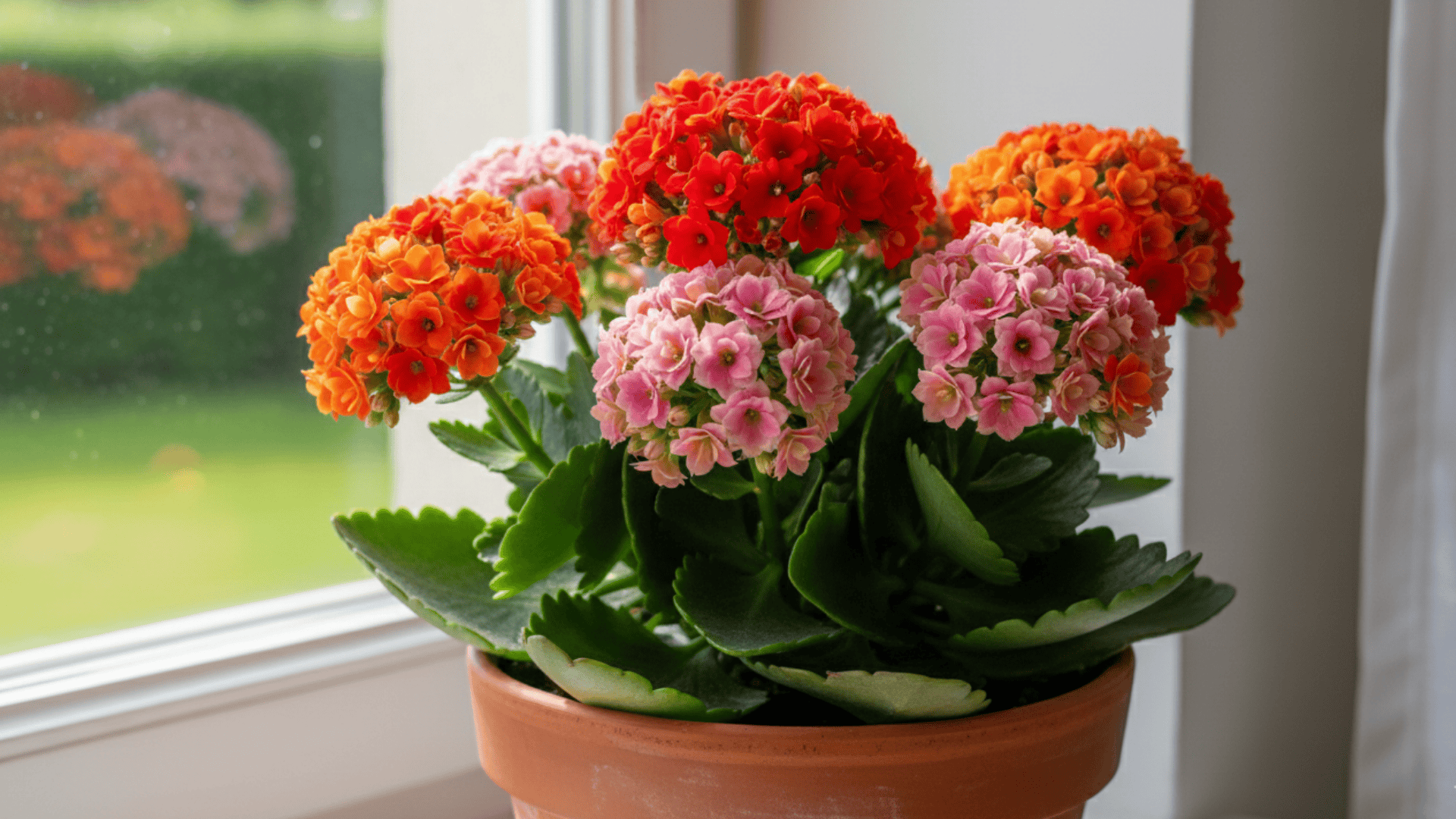
This succulent brightens windowsills with tiny blooms packed into colorful clusters. It needs little water and flowers for months at a time.
| Category | Details |
|---|---|
| Botanical Name | Kalanchoe blossfeldiana |
| Origin | Madagascar |
| Color Range | Red, pink, orange, yellow, white |
| Best Use | Indoor potted plant, desk decor |
| Bloom Time | Winter to spring |
| Height | 6-12 inches |
| Light Needs | Bright indirect light |
2. Kalmia

Pink and white cup-shaped blooms make this evergreen shrub a woodland favorite. The flowers have intricate patterns that look hand-painted.
| Category | Details |
|---|---|
| Botanical Name | Kalmia latifolia |
| Origin | Eastern North America |
| Color Range | Pink, white, rose |
| Best Use | Shade gardens, naturalized areas |
| Bloom Time | Late spring |
| Height | 5-15 feet |
| Light Needs | Partial to full shade |
3. Korean Spice Viburnum
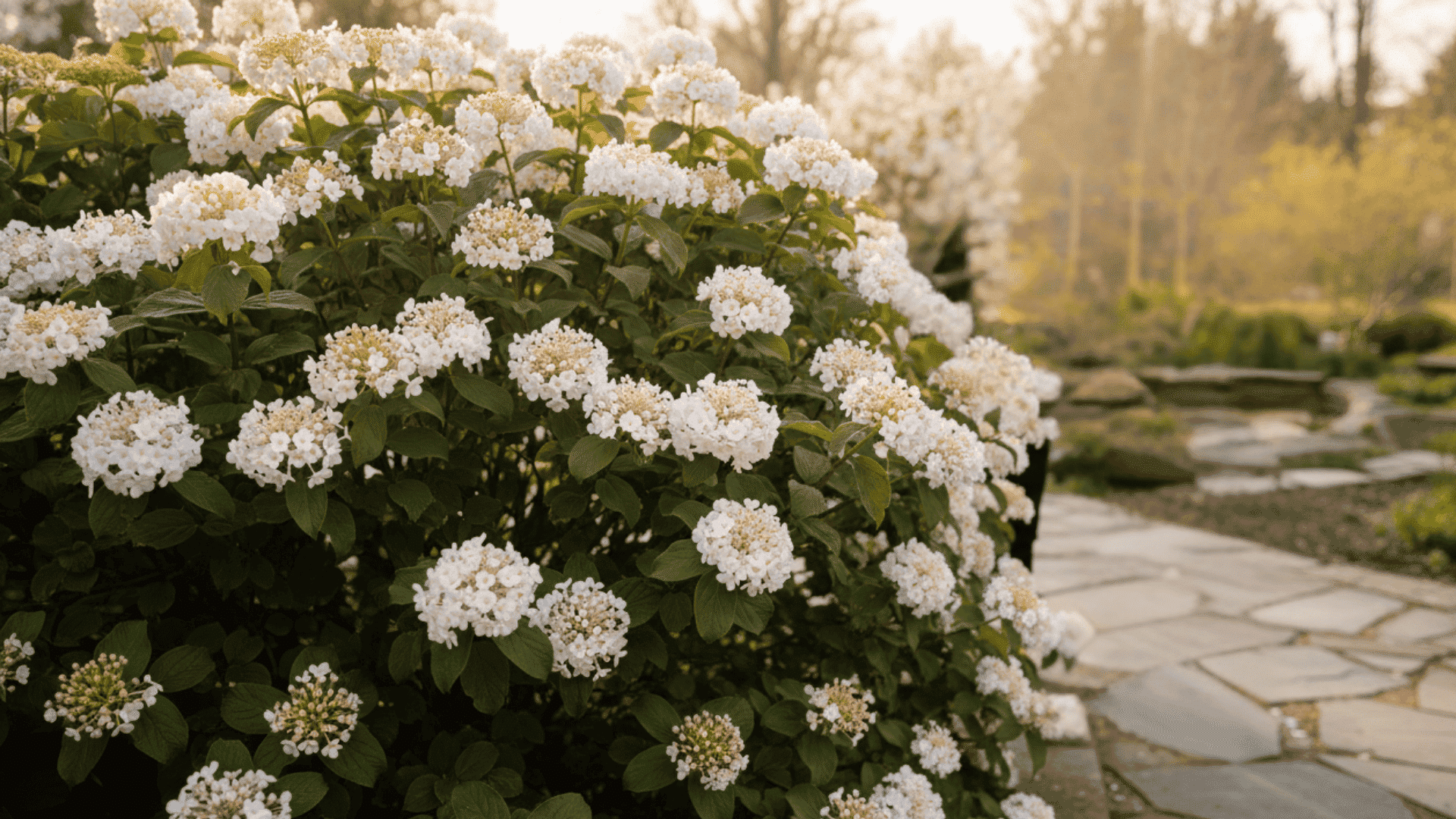
This shrub fills spring gardens with intensely fragrant pink and white flower clusters. The scent can reach you from 20 feet away on a warm day.
| Category | Details |
|---|---|
| Botanical Name | Viburnum carlesii |
| Origin | Korea, Japan |
| Color Range | Pink buds opening to white, blushed pink |
| Best Use | Foundation plantings, fragrance gardens, near patios |
| Bloom Time | Early to mid spring |
| Height | 4-6 feet |
| Light Needs | Full sun to partial shade |
4. Kniphofia
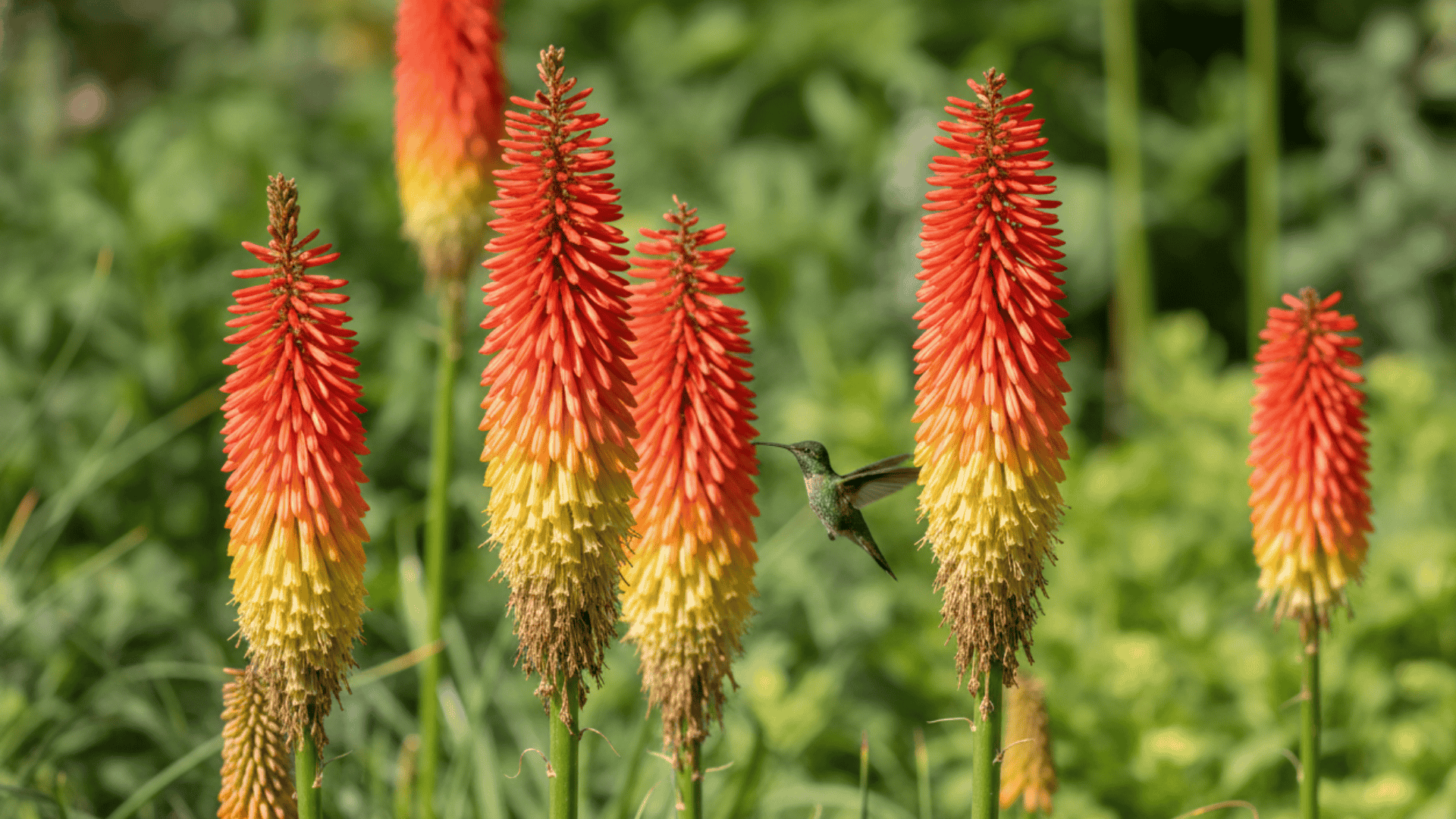
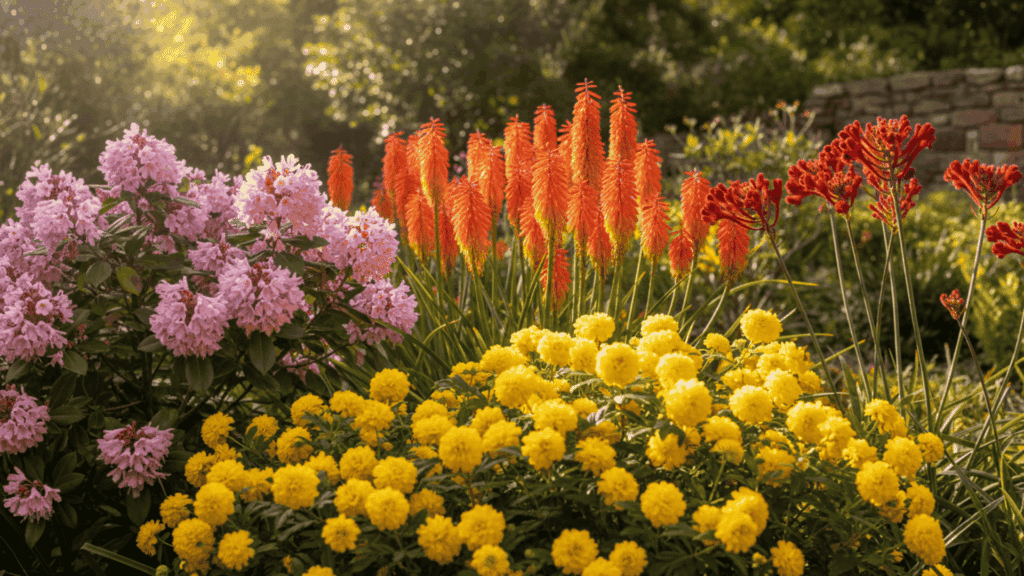
Tall spikes burst into flame colored blooms that hummingbirds cannot resist. These poker shaped flowers stand out in any bed.
| Category | Details |
|---|---|
| Botanical Name | Kniphofia uvaria |
| Origin | South Africa |
| Color Range | Red, orange, yellow, coral |
| Best Use | Back of borders, focal points |
| Bloom Time | Summer to fall |
| Height | 2-4 feet |
| Light Needs | Full sun |
5. Knautia
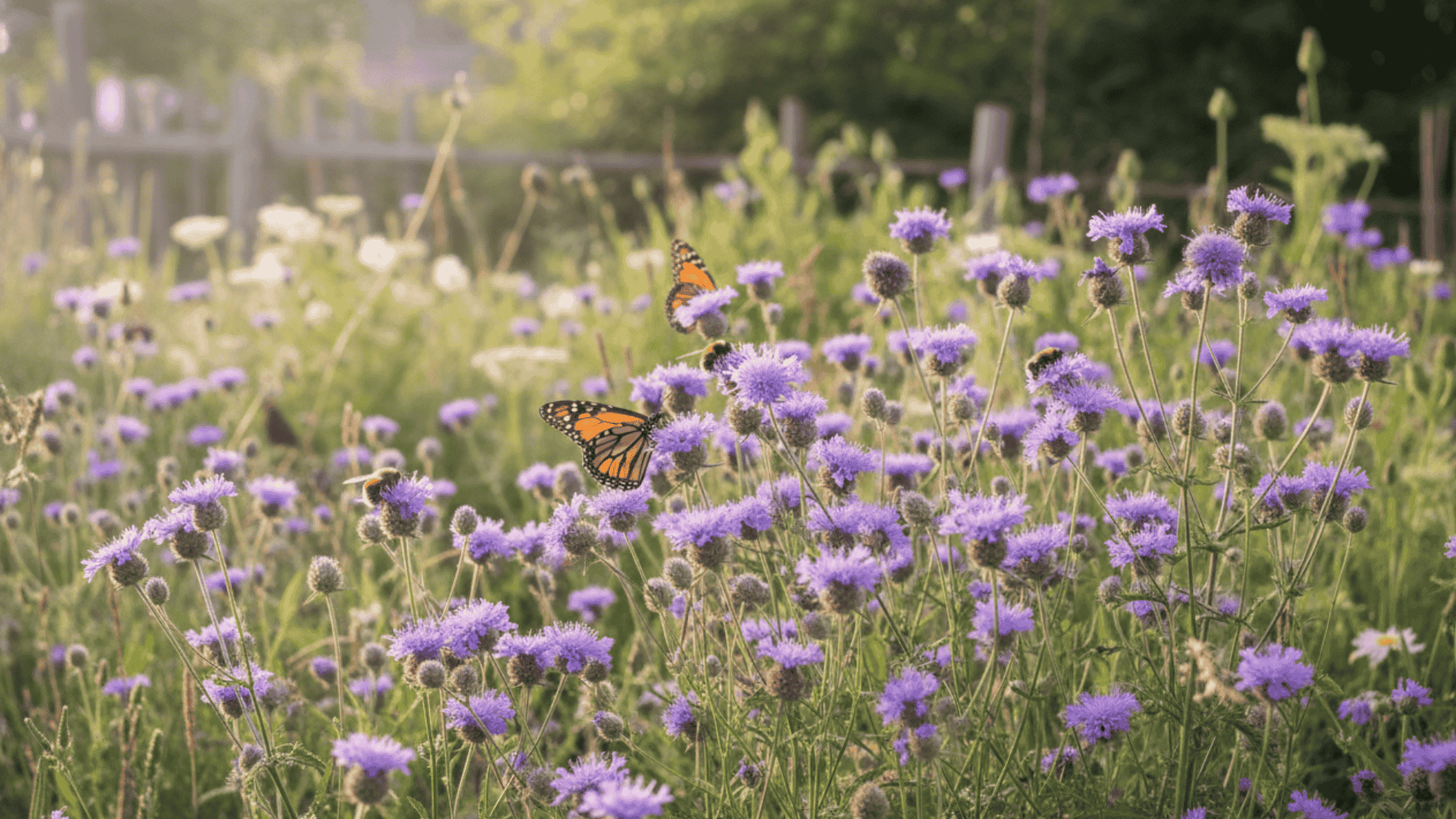
Wild-looking pincushion blooms attract butterflies and bees by the dozen. This cottage garden staple self-seeds freely.
| Category | Details |
|---|---|
| Botanical Name | Knautia arvensis |
| Origin | Europe |
| Color Range | Purple, lilac, pink |
| Best Use | Wildflower meadows, pollinator gardens |
| Bloom Time | Summer |
| Height | 2-3 feet |
| Light Needs | Full sun to light shade |
6. Kolkwitzia
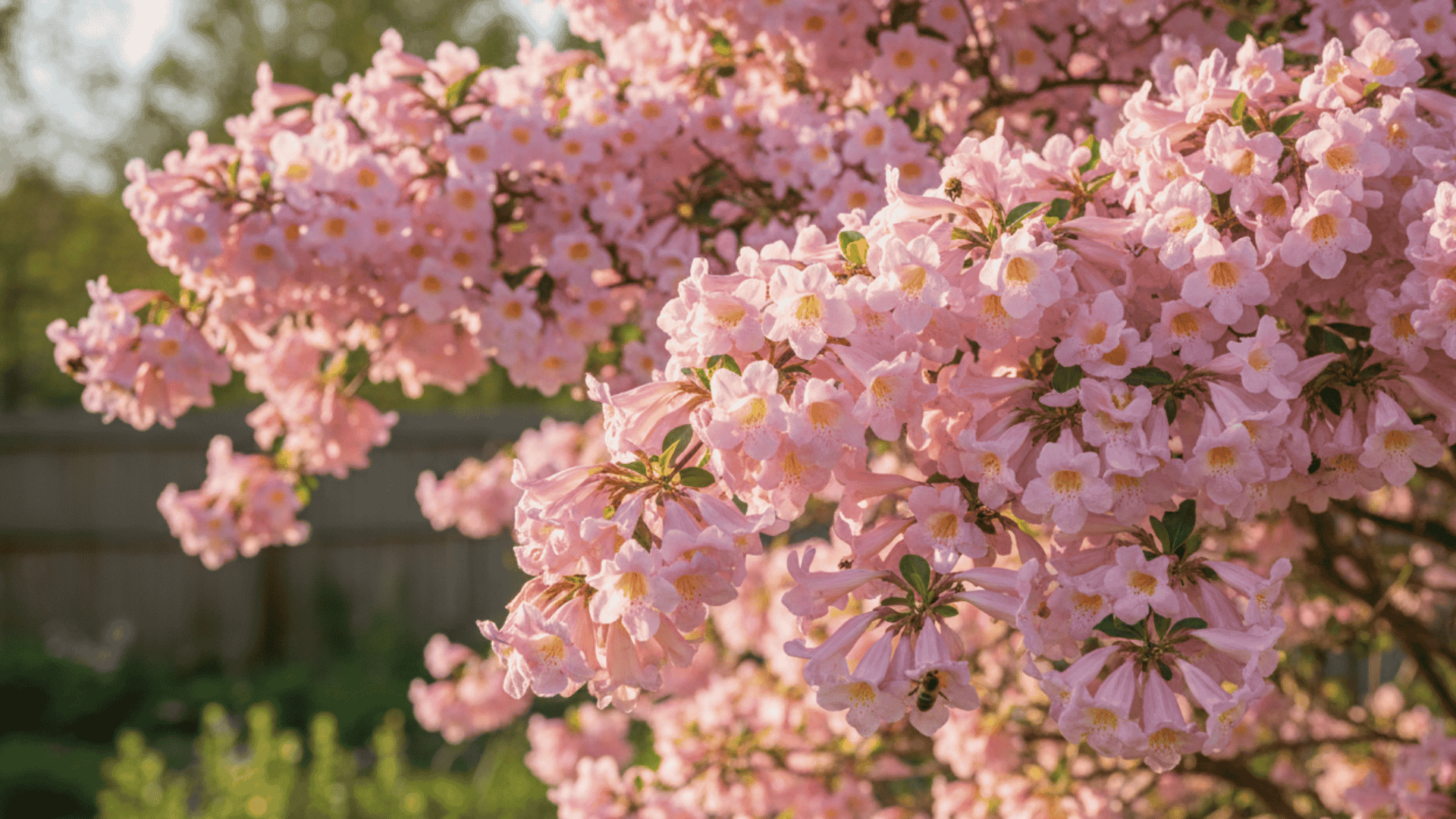
Arching branches get covered in pink trumpet blooms each spring. This old-fashioned shrub earned its common name honestly.
| Category | Details |
|---|---|
| Botanical Name | Kolkwitzia amabilis |
| Origin | China |
| Color Range | Soft pink with yellow throat |
| Best Use | Specimen plant, hedging |
| Bloom Time | Late spring |
| Height | 6-10 feet |
| Light Needs | Full sun |
7. Kerria Japonica
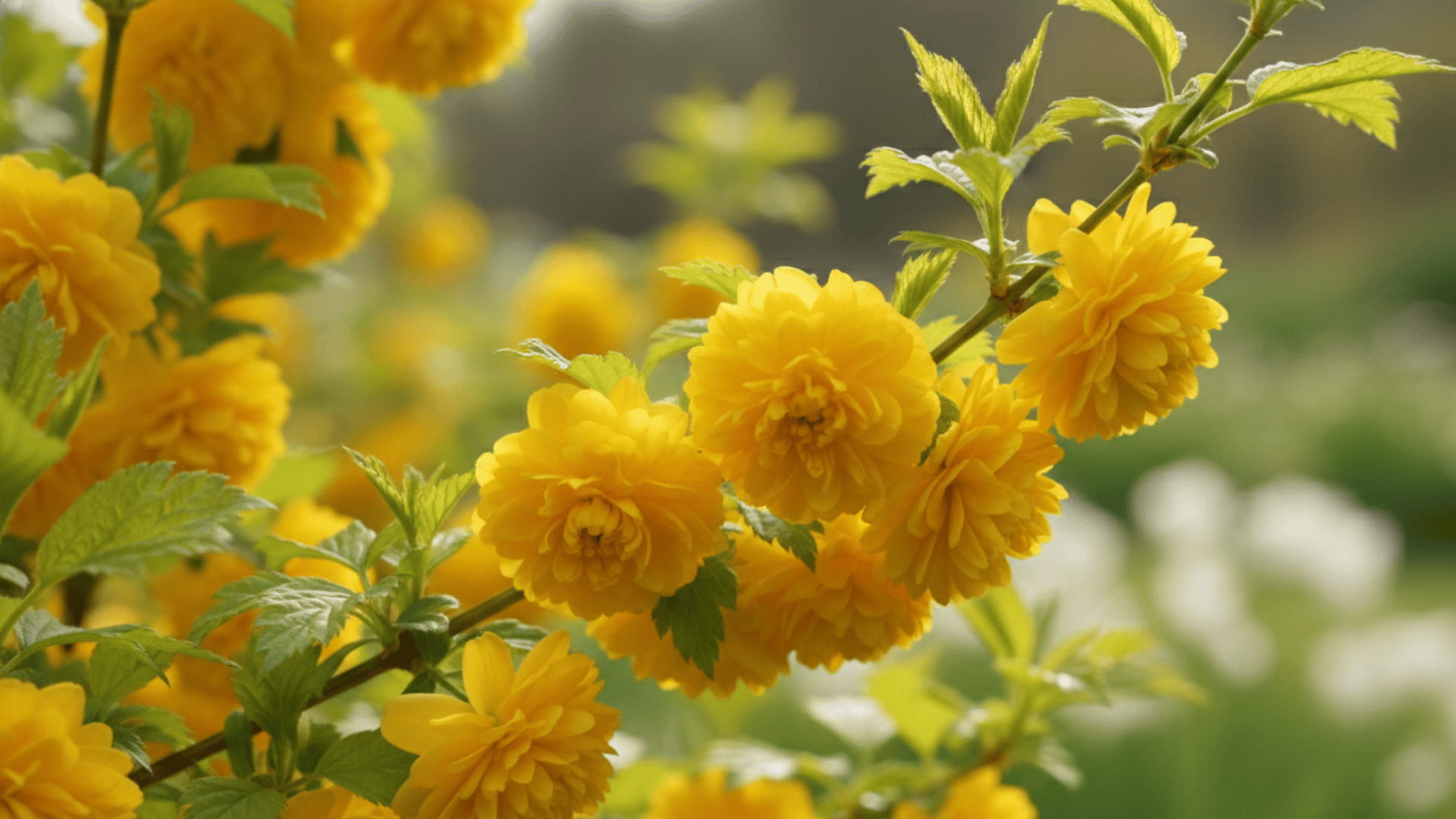
Bright yellow pompom flowers appear on green stems even when leaves fall off. This tough shrub handles shade better than most bloomers.
| Category | Details |
|---|---|
| Botanical Name | Kerria japonica |
| Origin | China, Japan |
| Color Range | Golden yellow |
| Best Use | Foundation plantings, hedges |
| Bloom Time | Spring |
| Height | 3-6 feet |
| Light Needs | Part shade to full sun |
8. Kiss Me Over The Garden Gate
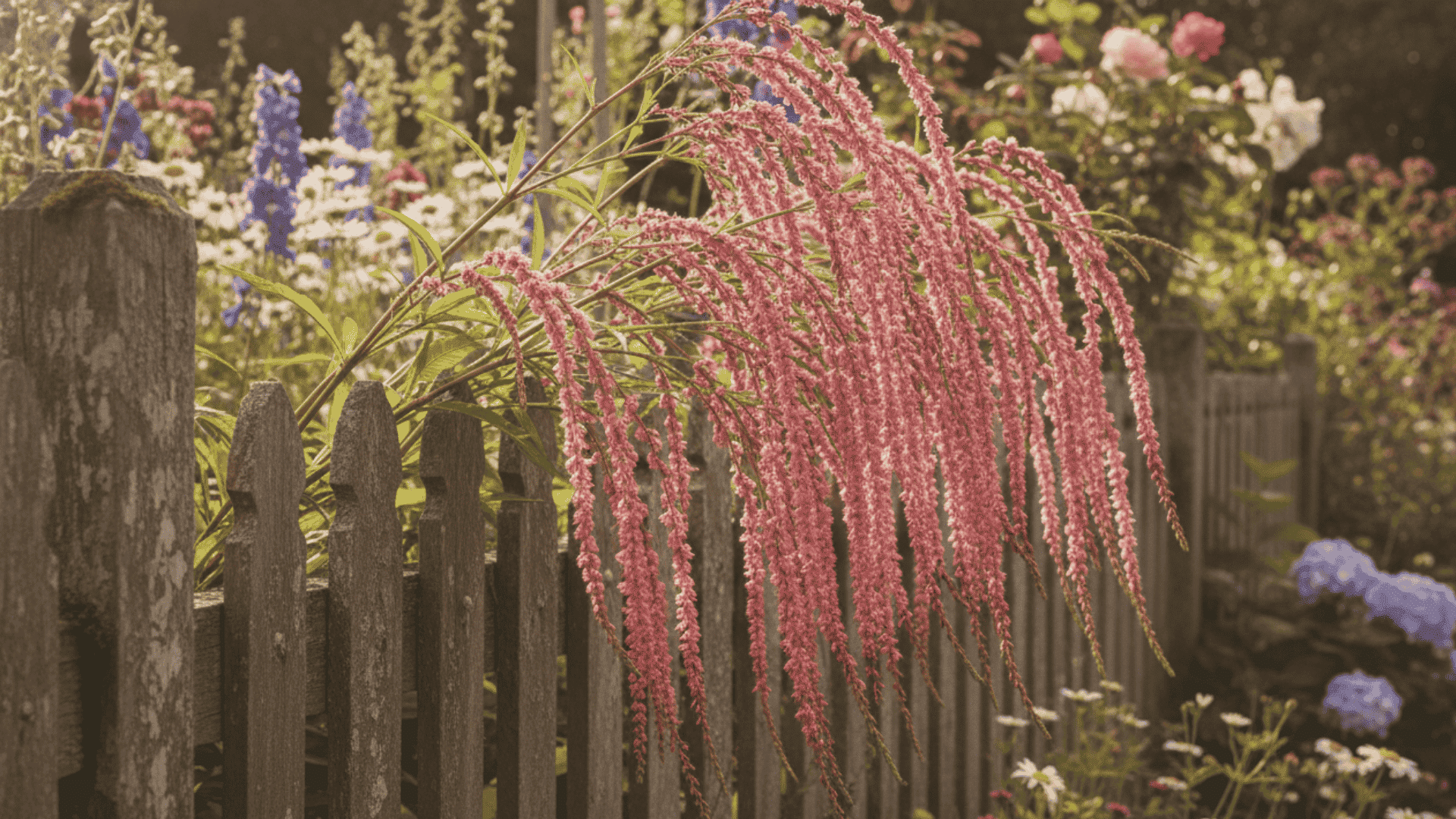
Long drooping pink flower spikes nod over fences and walls. This old cottage plant got its romantic name from its height and charm.
| Category | Details |
|---|---|
| Botanical Name | Persicaria orientalis |
| Origin | Asia |
| Color Range | Rose pink, magenta |
| Best Use | Back borders, screening |
| Bloom Time | Summer to frost |
| Height | 4-8 feet |
| Light Needs | Full sun to part shade |
9. Kalimeris
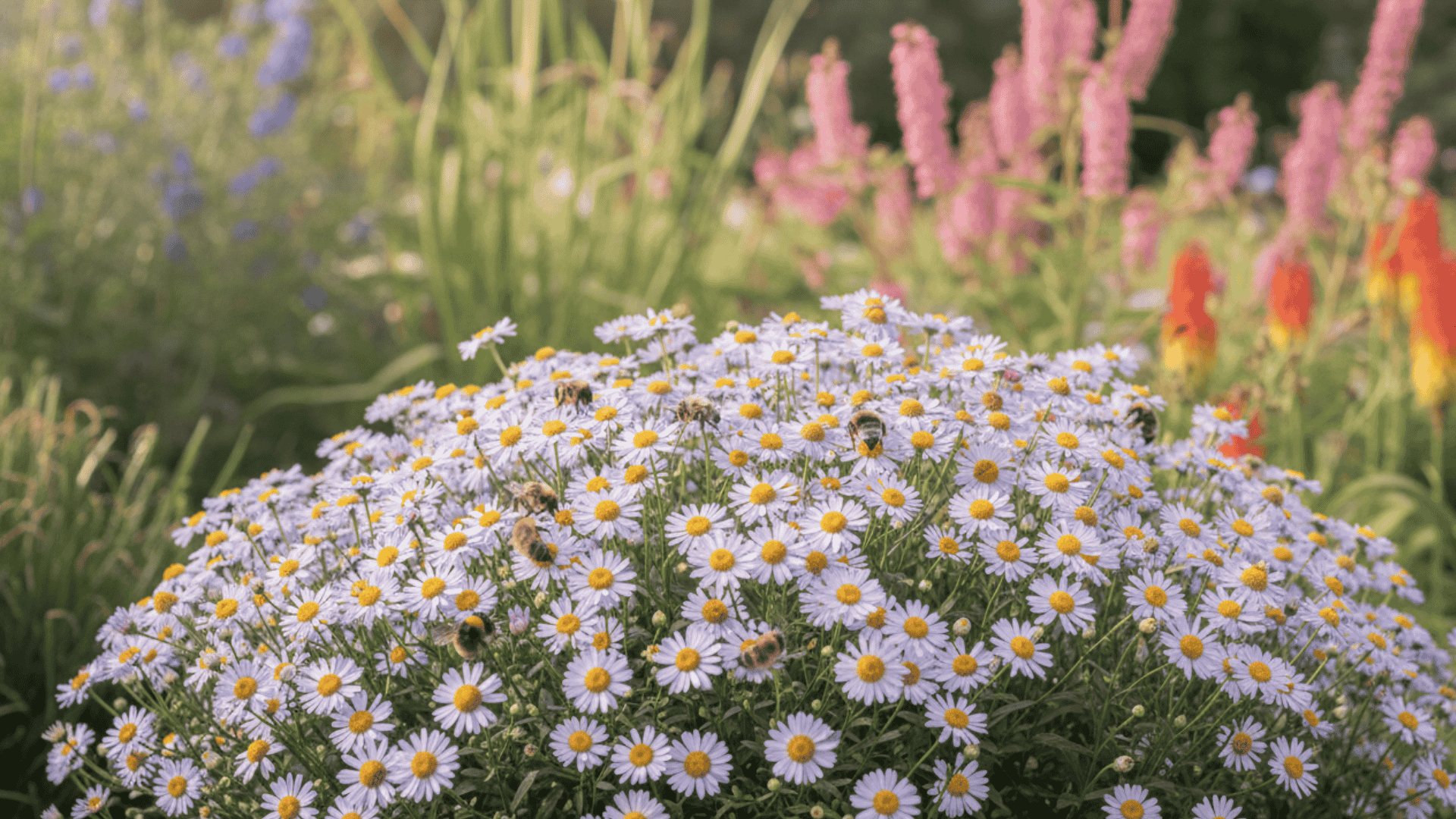
Small daisy flowers keep coming from summer through fall without a break. This perennial spreads to fill gaps but never becomes a pest.
| Category | Details |
|---|---|
| Botanical Name | Kalimeris incisa |
| Origin | East Asia |
| Color Range | White, lavender, blue |
| Best Use | Front borders, containers |
| Bloom Time | Summer to fall |
| Height | 1-2 feet |
| Light Needs | Full sun to part shade |
10. Kochia
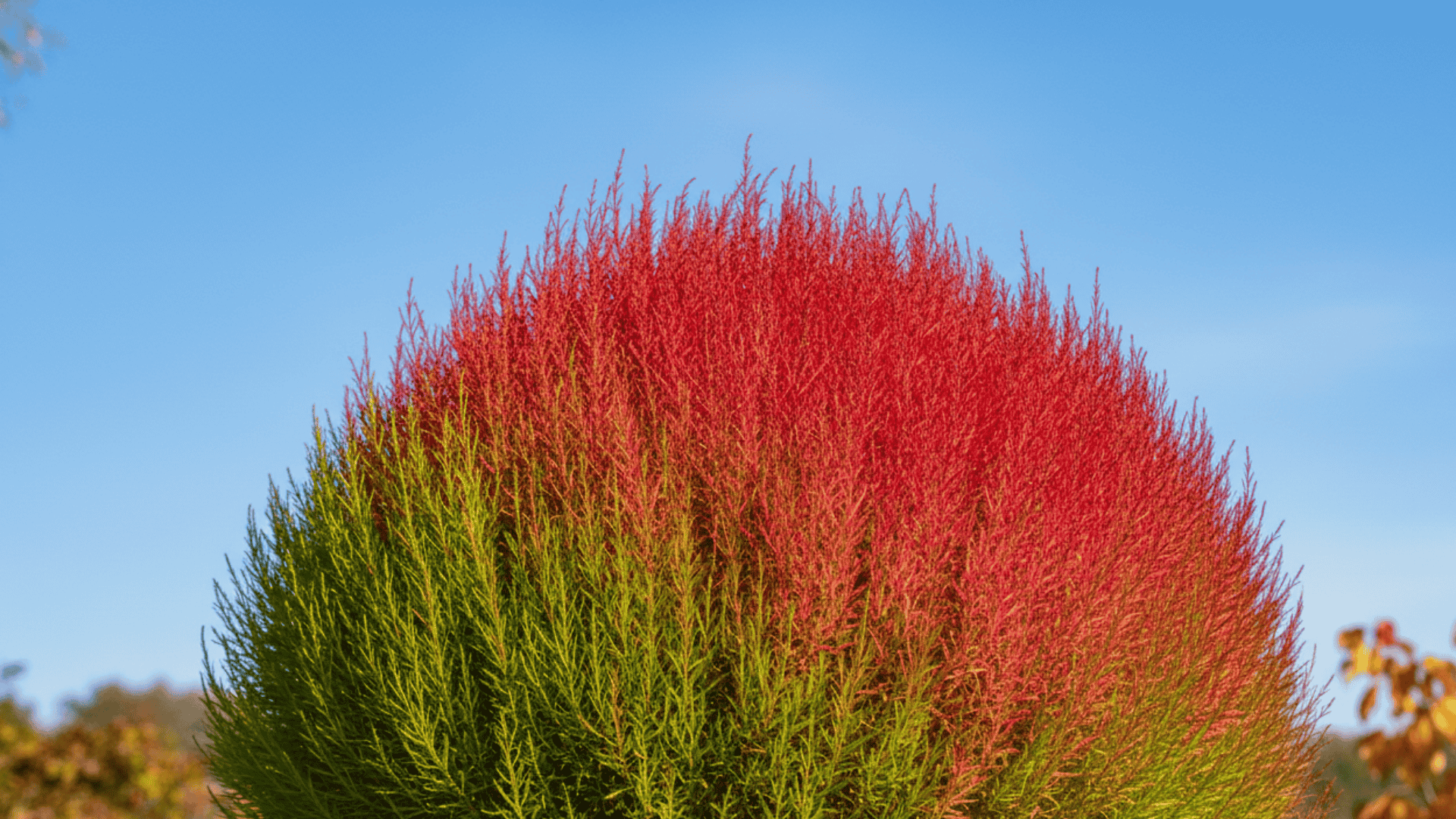
This plant starts green, then turns brilliant red in autumn, as if it caught fire. Though not grown for flowers, its seasonal color steals the show.
| Category | Details |
|---|---|
| Botanical Name | Kochia scoparia |
| Origin | Central Asia |
| Color Range | Green to crimson red foliage |
| Best Use | Annual hedges, fall color |
| Bloom Time | Insignificant flowers |
| Height | 2-3 feet |
| Light Needs | Full sun |
11. Knautia Macedonica
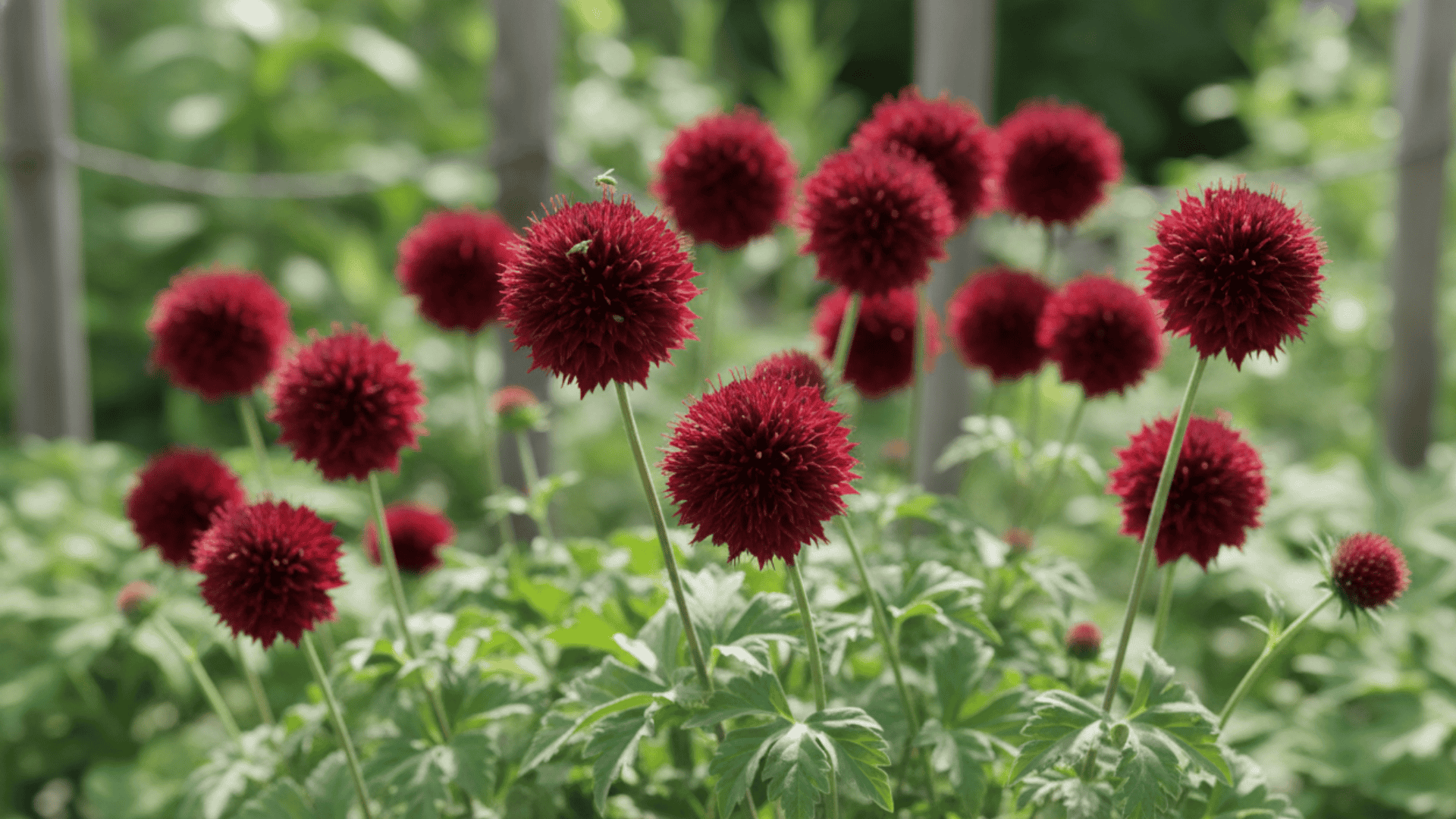
Deep crimson pincushion flowers float on wiry stems above basal leaves. This perennial brings rich color to summer borders.
| Category | Details |
|---|---|
| Botanical Name | Knautia macedonica |
| Origin | Southeastern Europe |
| Color Range | Deep red, burgundy |
| Best Use | Cottage gardens, cutting |
| Bloom Time | Summer |
| Height | 2 feet |
| Light Needs | Full sun |
12. Kudzu
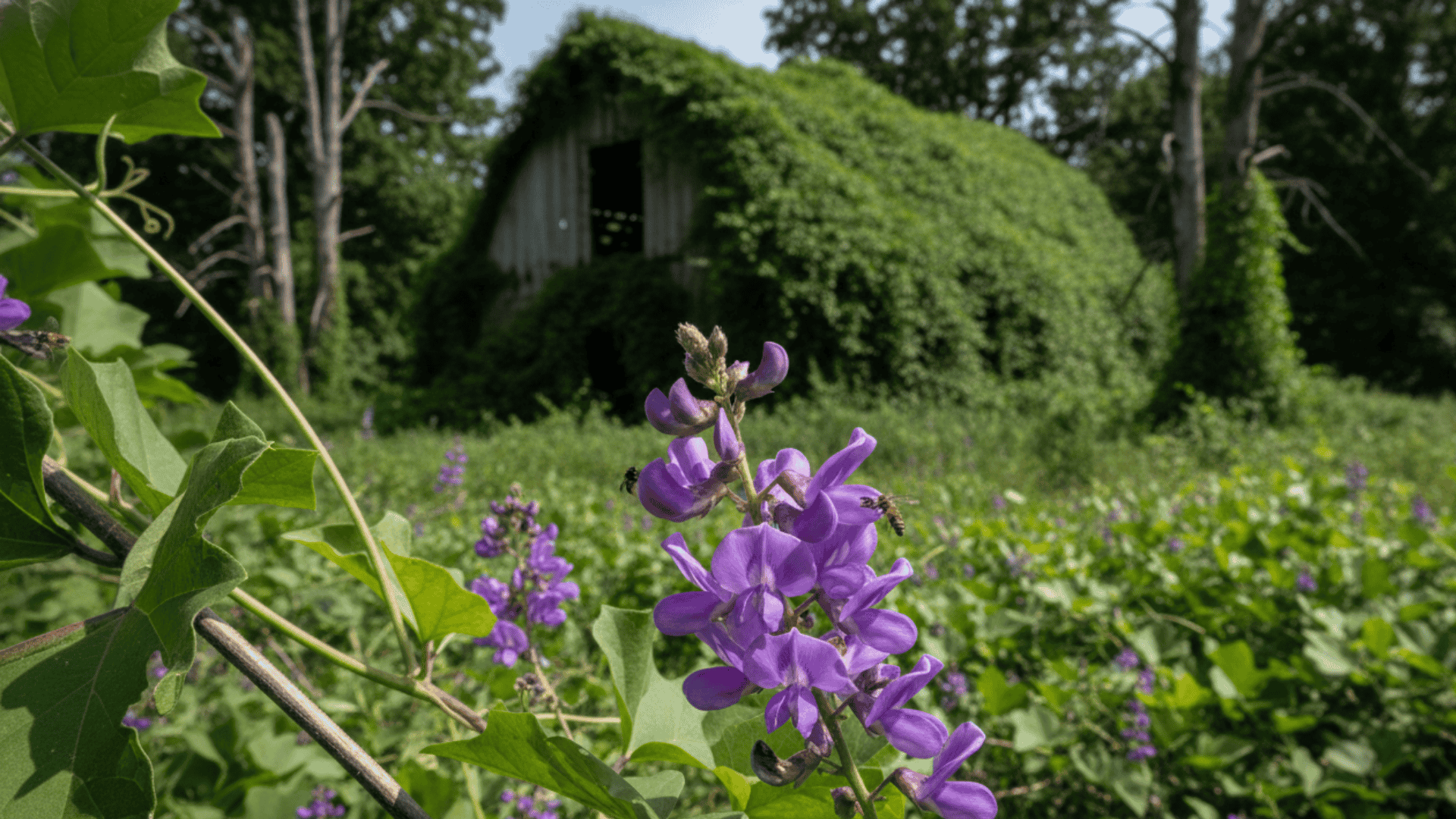
Purple pea-shaped flowers smell sweet, but this vine grows too fast for most gardens. It can cover entire buildings in one season.
| Category | Details |
|---|---|
| Botanical Name | Pueraria montana |
| Origin | East Asia |
| Color Range | Purple, violet |
| Best Use | Not recommended (invasive) |
| Bloom Time | Late summer |
| Height | Climbing to 60+ feet |
| Light Needs | Full sun to part shade |
13. Kalanchoe Thyrsiflora
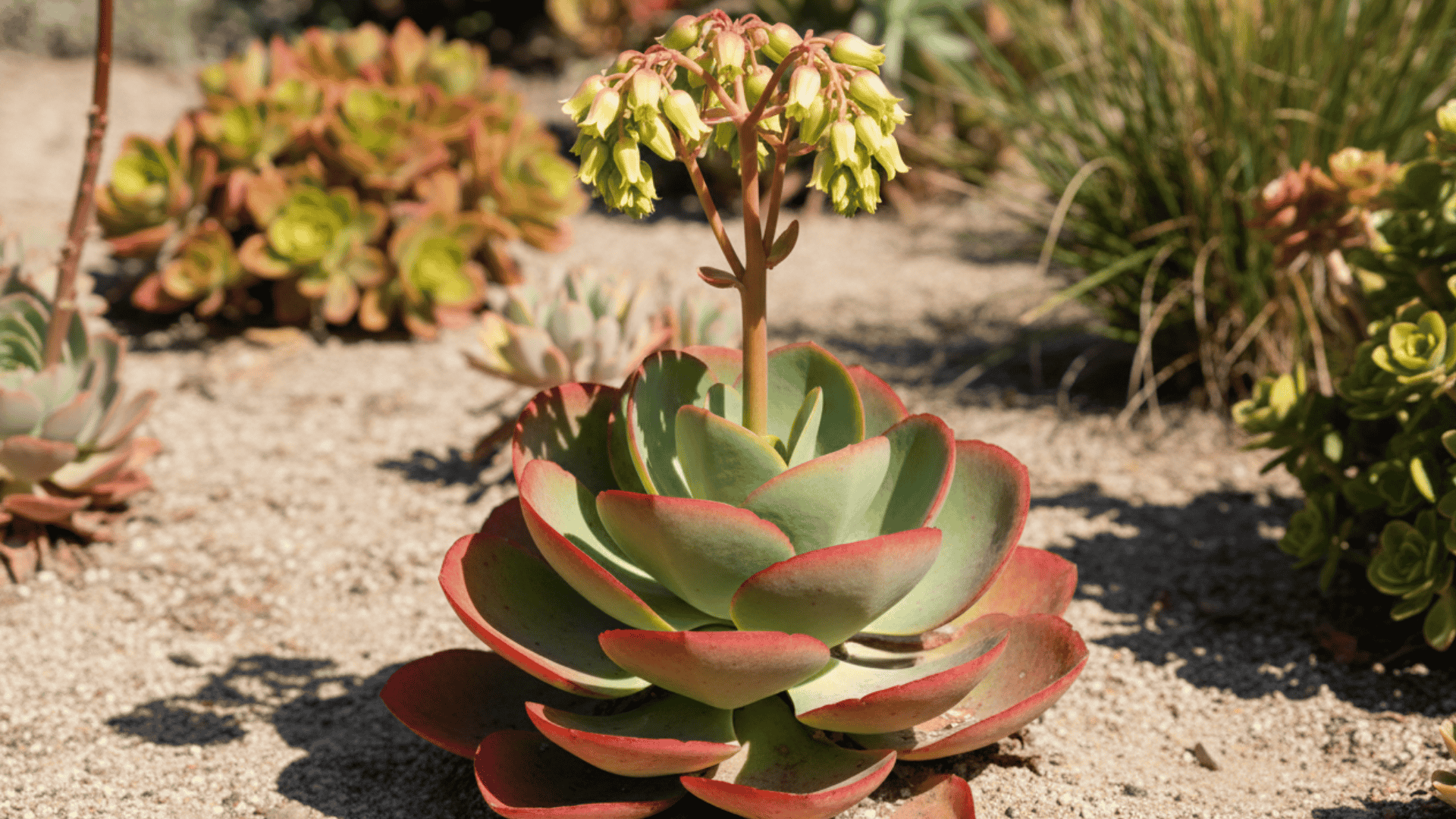
Stacked paddle-shaped leaves turn from green to red at the edges. Small bell flowers dangle from tall stems in winter.
| Category | Details |
|---|---|
| Botanical Name | Kalanchoe thyrsiflora |
| Origin | South Africa |
| Color Range | Yellow-green flowers, red-edged foliage |
| Best Use | Containers, succulent gardens |
| Bloom Time | Winter |
| Height | 1-2 feet |
| Light Needs | Full sun to part shade |
14. Kangaroo Paw Bush Gem
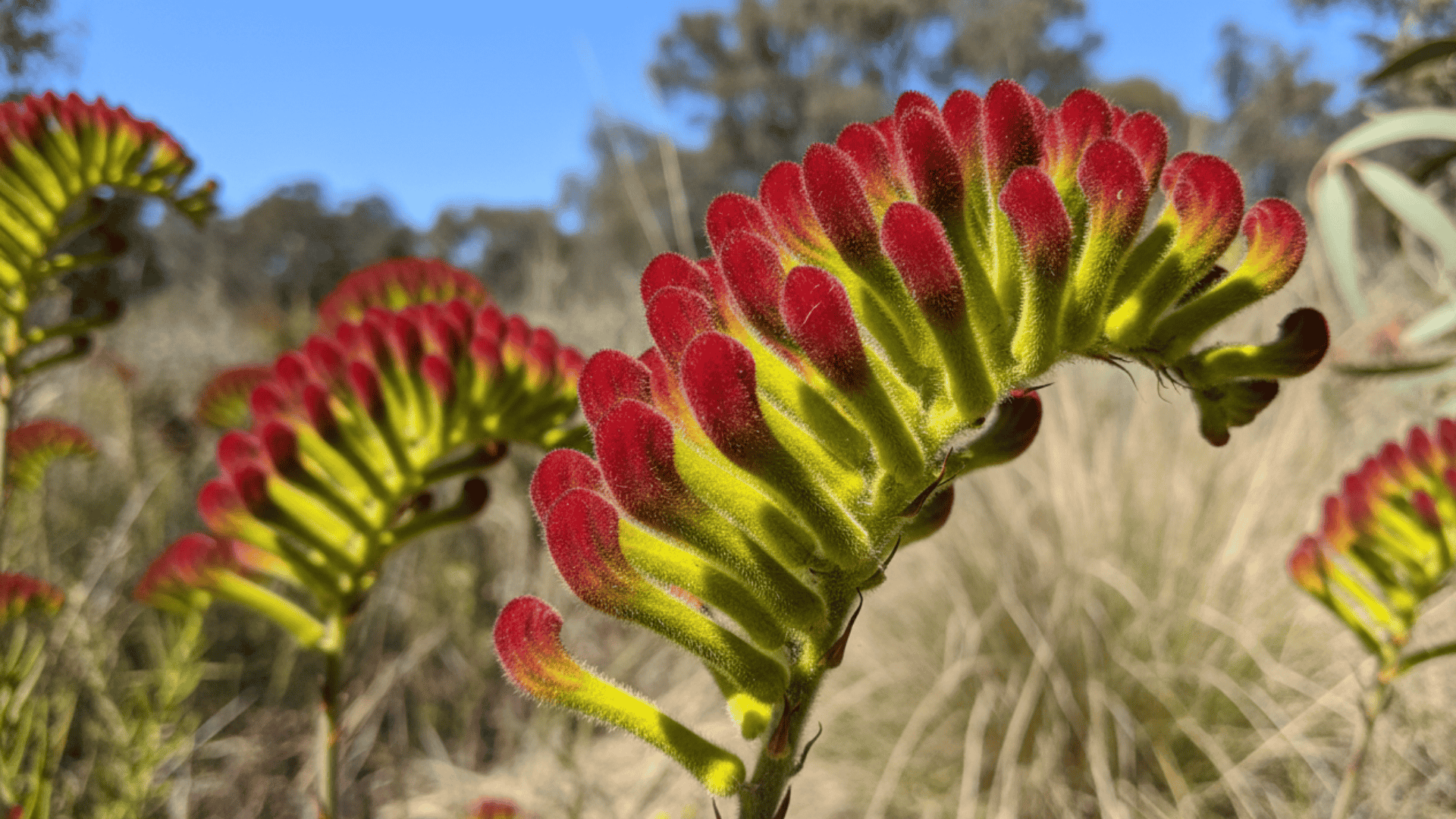
This variety has especially vibrant claw flowers in multiple colors per stem. It handles heat and drought once established.
| Category | Details |
|---|---|
| Botanical Name | Anigozanthos manglesii |
| Origin | Western Australia |
| Color Range | Red and green bicolor |
| Best Use | Feature plant, native gardens |
| Bloom Time | Spring to early summer |
| Height | 2-3 feet |
| Light Needs | Full sun |
15. Kalmia Latifolia Compacta
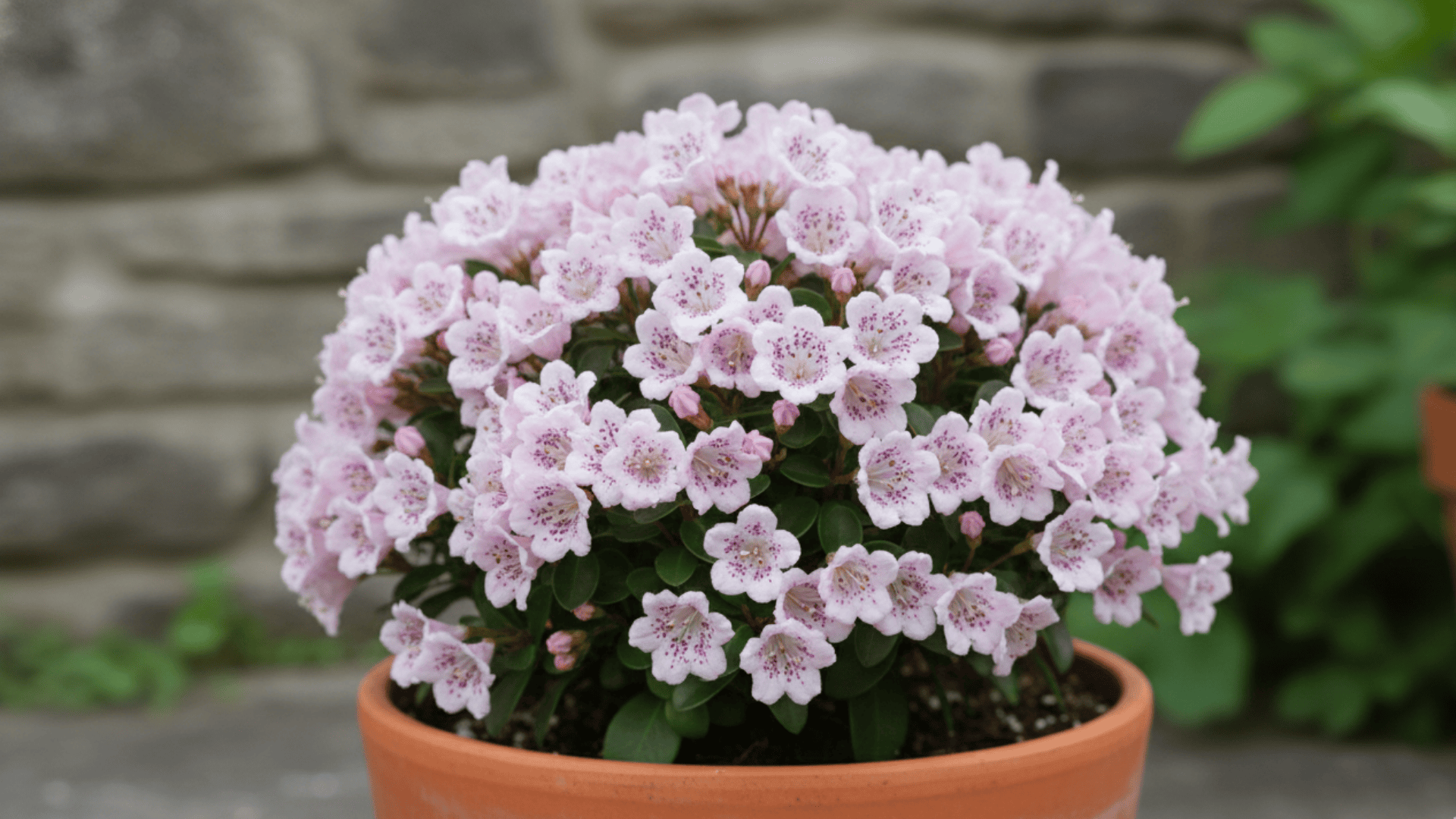
All the beauty of mountain laurel is packed into a smaller form, perfect for tight spaces. The pink blooms have purple markings inside each flower.
| Category | Details |
|---|---|
| Botanical Name | Kalmia latifolia ‘Compacta’ |
| Origin | Eastern North America (cultivar) |
| Color Range | Pink with purple spots |
| Best Use | Small gardens, containers |
| Bloom Time | Late spring |
| Height | 3-4 feet |
| Light Needs | Partial shade |
16. King Protea

Massive artichoke-like blooms can reach 12 inches across with spiky pink petals. This South African icon makes a statement wherever it grows.
| Category | Details |
|---|---|
| Botanical Name | Protea cynaroides |
| Origin | South Africa |
| Color Range | Pink, white, red |
| Best Use | Specimen, cut flowers |
| Bloom Time | Spring to summer |
| Height | 3-5 feet |
| Light Needs | Full sun |
17. Keckiella
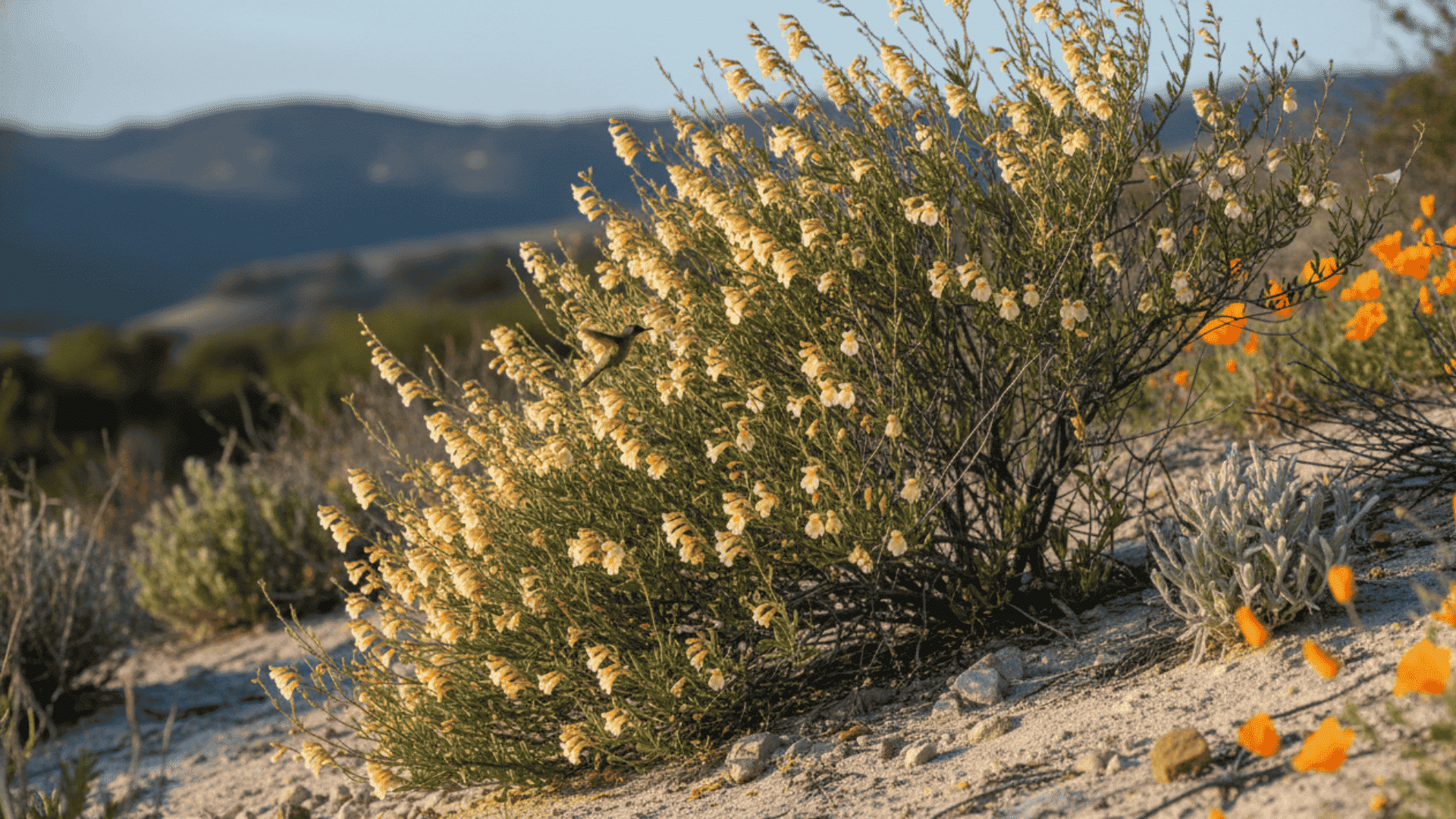
Small tubular flowers attract hummingbirds to this California native shrub. It thrives in dry conditions once roots establish.
| Category | Details |
|---|---|
| Botanical Name | Keckiella cordifolia |
| Origin | California |
| Color Range | Yellow, cream |
| Best Use | Native gardens, dry slopes |
| Bloom Time | Late spring to summer |
| Height | 3-6 feet |
| Light Needs | Full sun to part shade |
18. Klematis
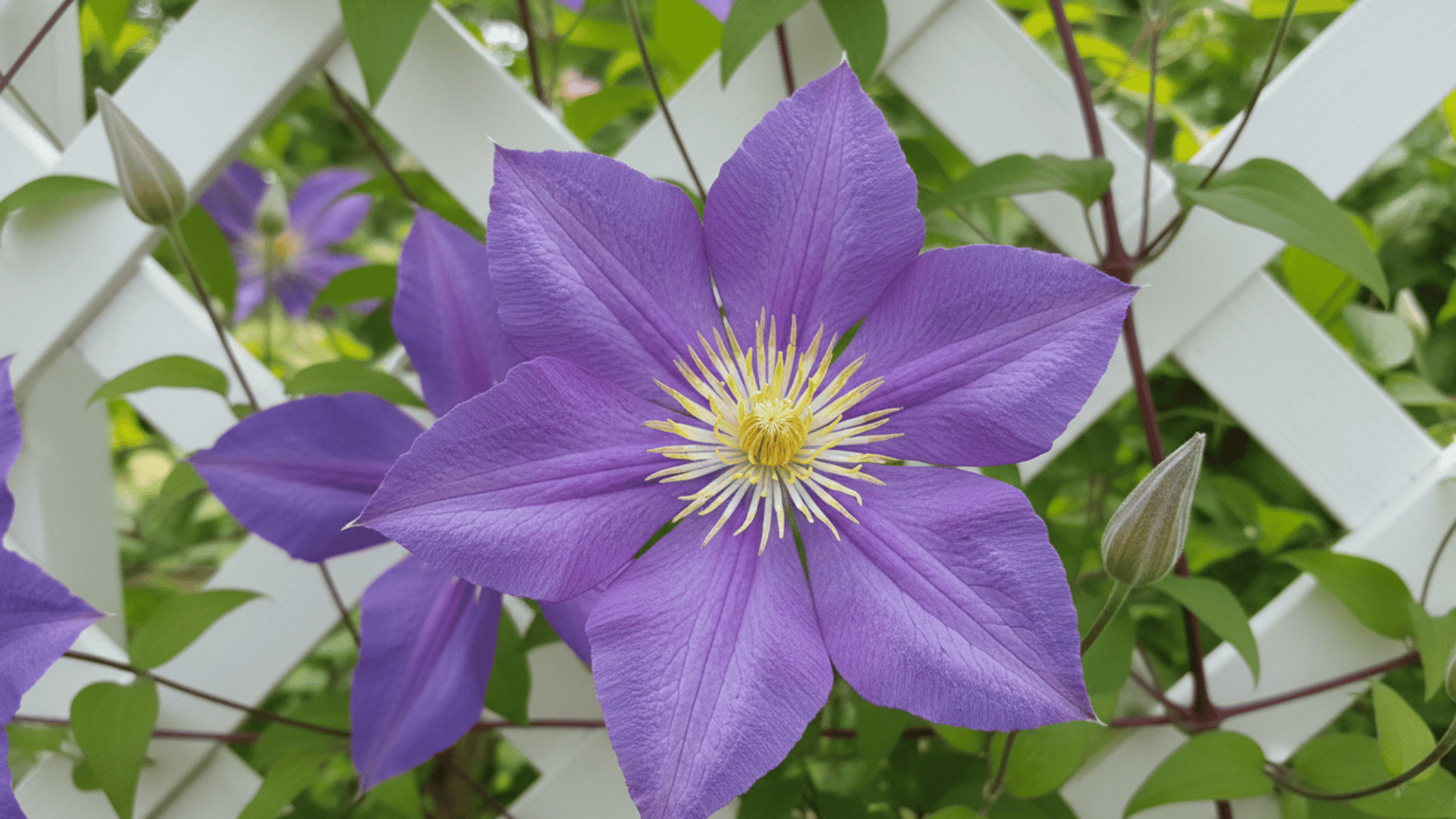
Large star or bell-shaped blooms climb fences, trellises, and arbors with ease. Hundreds of varieties exist in nearly every color except true blue.
| Category | Details |
|---|---|
| Botanical Name | Clematis spp. |
| Origin | Various (worldwide) |
| Color Range | Purple, pink, white, red, yellow |
| Best Use | Climbing on supports |
| Bloom Time | Spring, summer, or fall, depending on the type |
| Height | 6-20+ feet |
| Light Needs | Sun on flowers, shade on roots |
19. Kosteletzkya
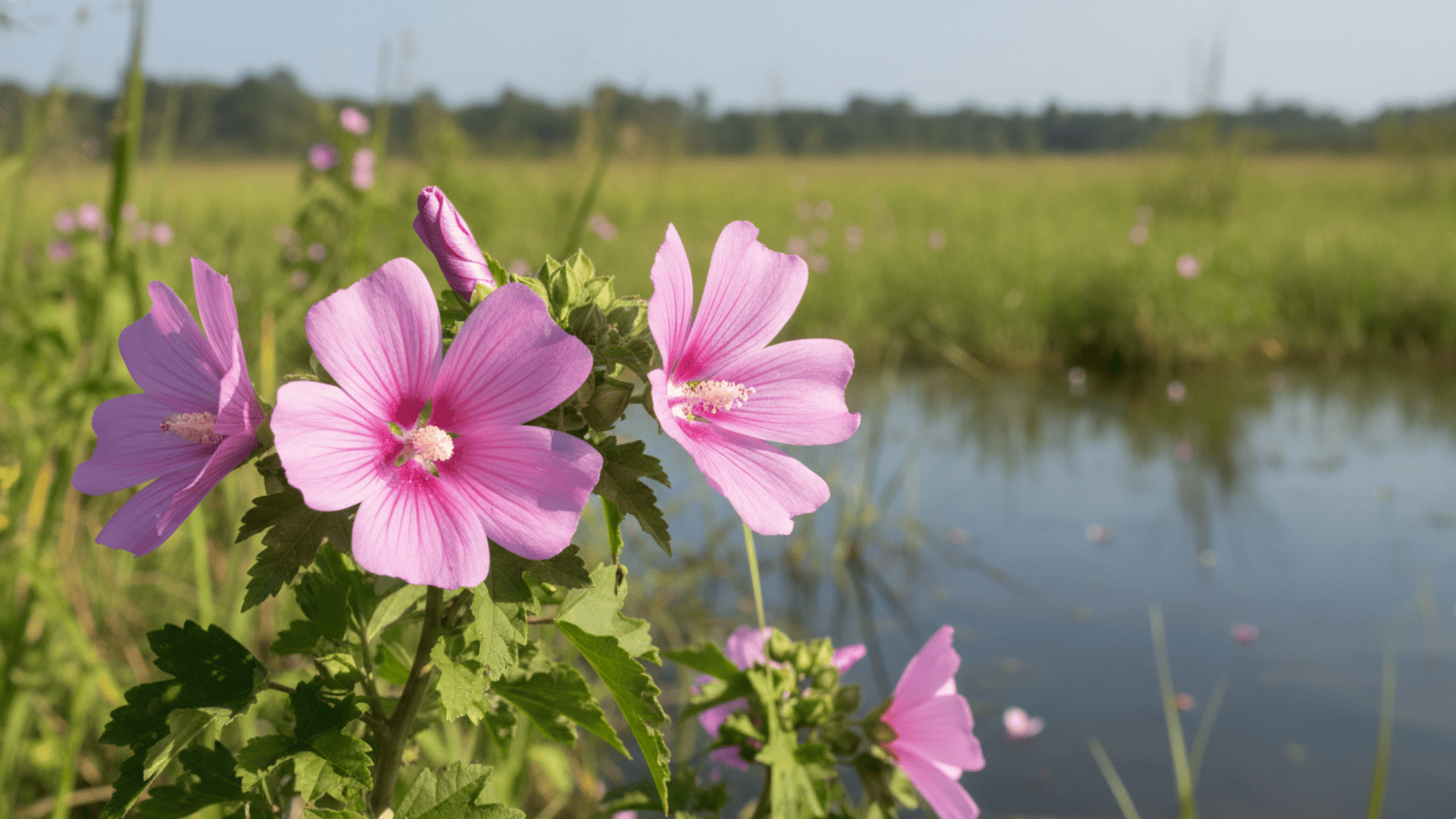
Pink hibiscus-style flowers bloom in marshy areas where most plants drown. This wetland specialist handles standing water.
| Category | Details |
|---|---|
| Botanical Name | Kosteletzkya virginica |
| Origin | Eastern United States |
| Color Range | Pink, rose |
| Best Use | Rain gardens, pond edges |
| Bloom Time | Summer to fall |
| Height | 3-5 feet |
| Light Needs | Full sun |
20. Knotweed
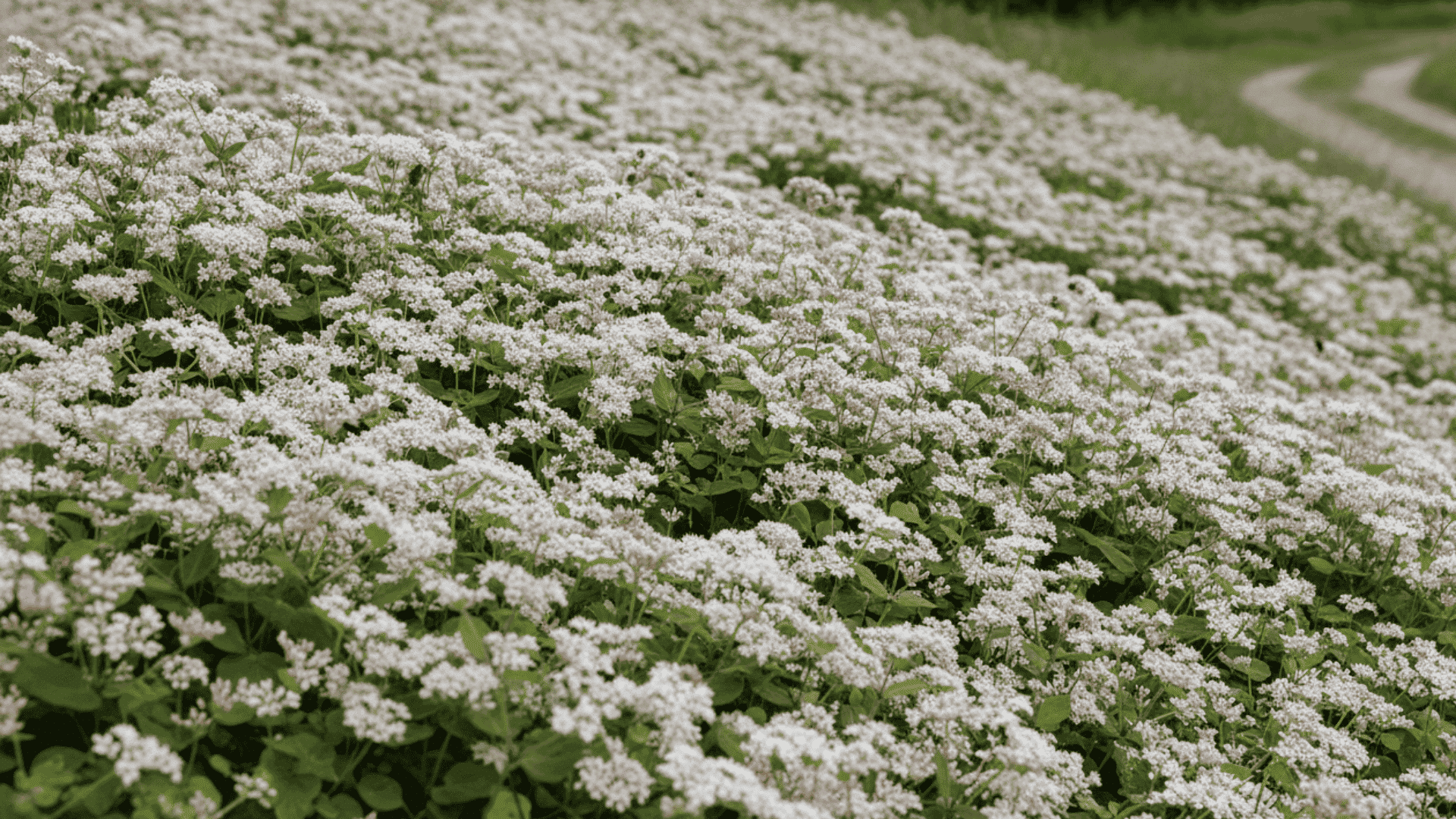
Some varieties offer small white or pink flower clusters on fast-spreading plants. Certain types help hold soil on slopes and banks.
| Category | Details |
|---|---|
| Botanical Name | Polygonum spp. |
| Origin | Worldwide |
| Color Range | White, pink, red |
| Best Use | Ground cover, erosion control (use non-invasive types) |
| Bloom Time | Summer to fall |
| Height | 6 inches to 3 feet |
| Light Needs | Full sun to part shade |
21. Kochia Scoparia Green Fountain
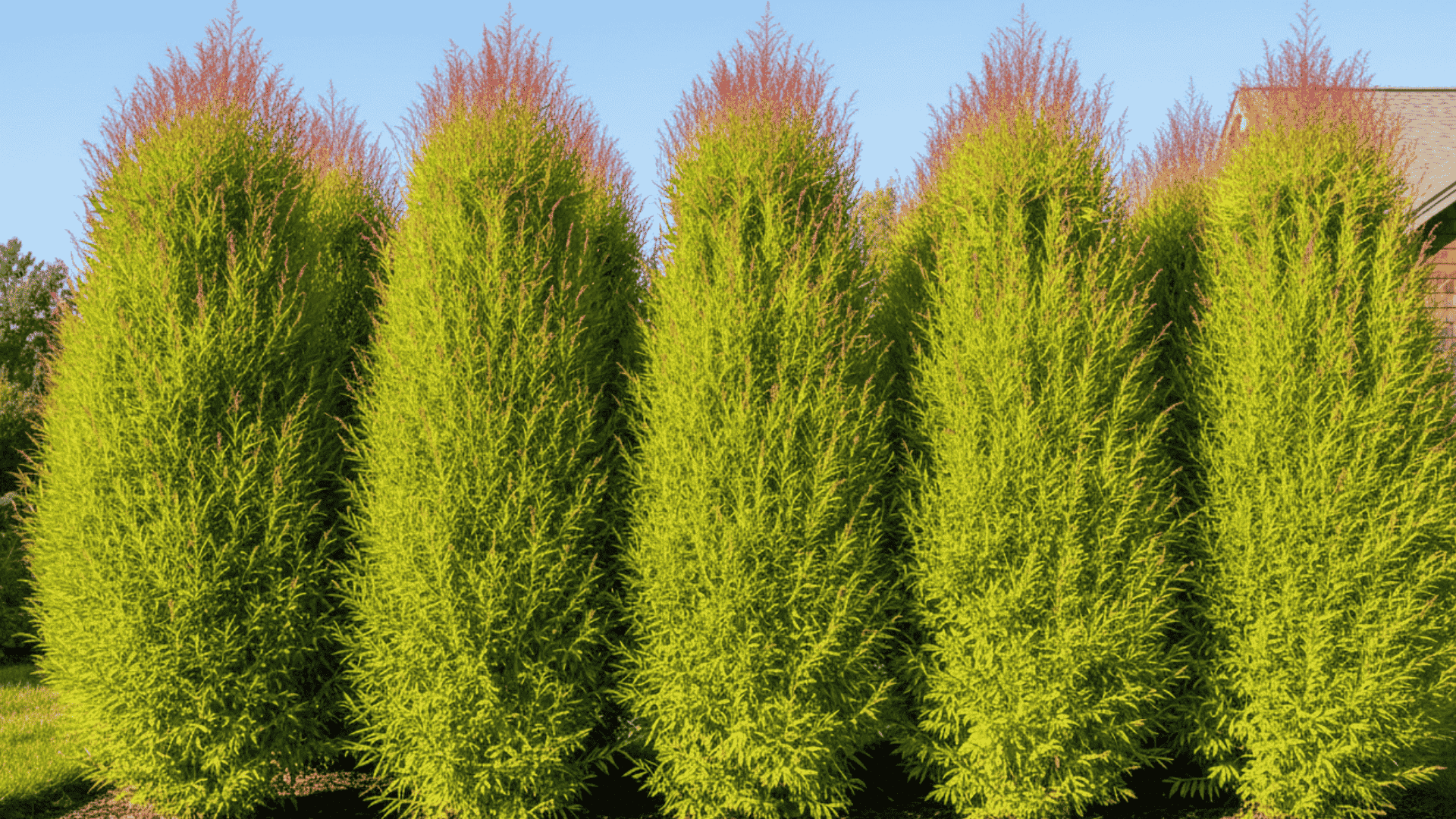
Feathery green columns turn deep burgundy red in cool fall weather. This annual works as a quick, temporary hedge or accent.
| Category | Details |
|---|---|
| Botanical Name | Kochia scoparia’ Green Fountain.’ |
| Origin | Central Asia (cultivar) |
| Color Range | Lime green to dark red foliage |
| Best Use | Annual borders, privacy screen |
| Bloom Time | Flowers insignificant |
| Height | 3-5 feet |
| Light Needs | Full sun |
Bringing It All Together
There you have it. Flowers that start with k, each with its own personality and growing needs.
From tiny indoor kalanchoes to massive king proteas, this letter offers more variety than most people realize. Some thrive in shade while others need full sun.
Some want wet soil, and others prefer drought. The best part? You now know exactly where each one fits in your garden or home.
Pick one that matches your climate and space. Start small if you’re new to gardening. Which K flower caught your eye? Drop a comment below and tell us which one you’ll try first. Happy planting!