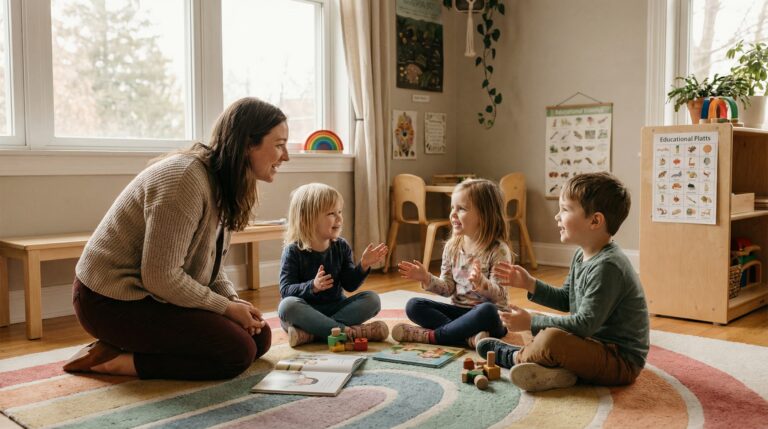


A family’s needs change over time, and a comfortable home should adapt with them. Infants, school-aged children, teenagers, parents, and older adults all experience indoor environments differently.
Factors such as temperature, lighting, air quality, and noise influence sleep, health, learning, and daily routines. Making thoughtful adjustments throughout the home helps every family member feel more comfortable while supporting long-term well-being.
Supporting Babies and Young Children
Young children are especially sensitive to their surroundings. Comfortable indoor temperatures, good ventilation, and clean air contribute to healthier sleep and everyday comfort. Regularly replacing HVAC filters and keeping vents clear help improve airflow throughout the home.
Soft lighting in bedrooms encourages restful sleep, while blackout curtains may help infants maintain more consistent sleep schedules.
Parents should also monitor humidity levels because air that is too dry or too humid can affect comfort and respiratory health. Organized play areas with adequate natural light also create welcoming spaces for learning and development.
Creating Functional Spaces for Growing Families
As children grow, homes often become busier with homework, hobbies, and family gatherings. Comfortable shared spaces encourage productivity while making it easier for everyone to spend time together.
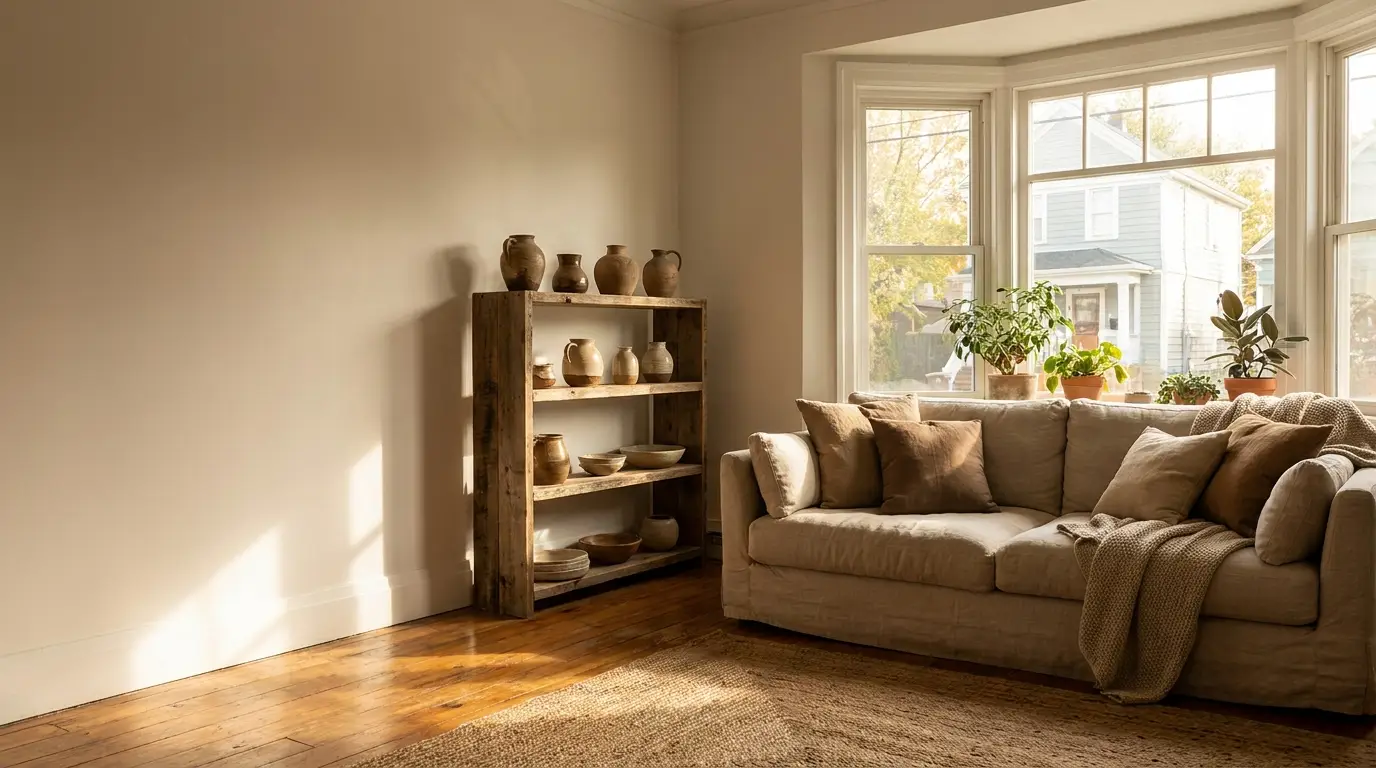
Natural daylight supports reading, studying, and everyday activities. Well-maintained residential windows allow more sunlight to enter the home while helping improve insulation and reduce outside noise. Comfortable seating, organized storage, and flexible furniture arrangements also make shared living spaces more practical as family routines continue to evolve.
Adapting for Older Family Members
Many families eventually welcome grandparents or aging relatives into their homes, either temporarily or permanently. Comfortable indoor environments become even more important as people age because older adults may be more sensitive to temperature changes.
Clear walkways, supportive seating, bright lighting, and easily accessible living areas improve both comfort and safety. Routine maintenance of heating and cooling systems also helps ensure dependable performance during every season. Simple improvements can make daily activities easier while supporting greater independence for older family members.
Build Comfort That Lasts
Indoor comfort is about much more than maintaining the right temperature. Air quality, lighting, insulation, humidity, noise reduction, and thoughtful home organization all contribute to a healthier living environment.
As families grow and change, reviewing these elements regularly helps ensure the home continues meeting everyone’s needs.
Creating a comfortable indoor space supports better sleep, healthier routines, stronger family connections, and greater enjoyment of everyday life.
With ongoing attention to the home’s environment, families can create welcoming spaces that remain comfortable through every stage of life. Check out the infographic below for more information.