

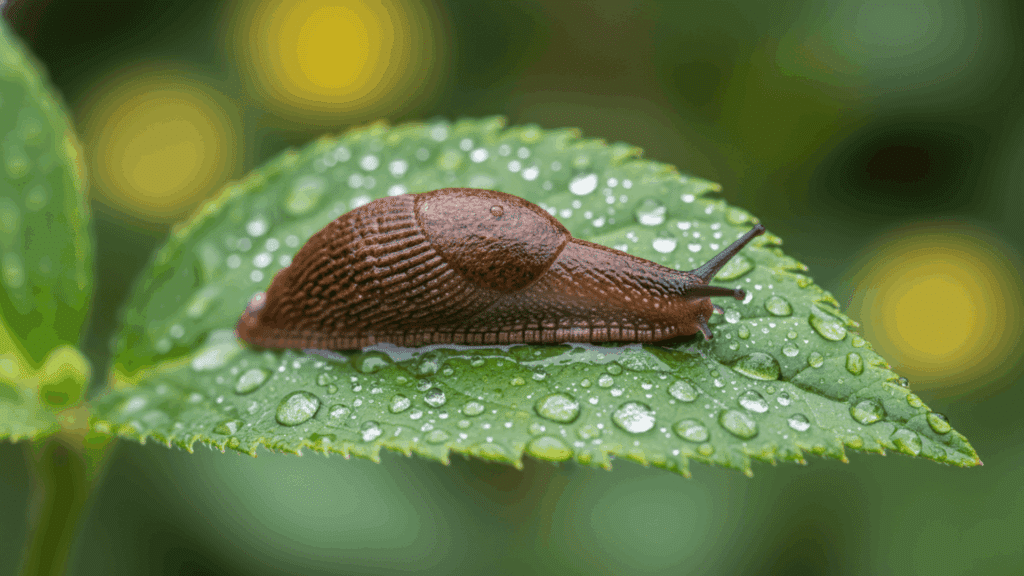
Ever walked into your garden and found your favorite plants chewed to bits overnight?
Those slimy trails and ragged holes tell one story: slugs are taking over. These little pests can wipe out seedlings, ruin vegetables, and turn your beautiful garden into a feeding ground.
But you don’t need harsh chemicals to win this battle. Simple, natural methods work just as well and keep your soil healthy.
In this guide, you’ll learn how to get rid of slugs in garden spaces using copper barriers, beer traps, coffee grounds, and other safe techniques.
We’ll cover identification tips, seasonal management, and prevention strategies that actually work. Let’s get your garden back on track.
Why Slug Control Is Crucial for Your Garden?
Slugs can destroy your garden faster than you think. These pests eat through tender leaves, seedlings, and flowers overnight. They leave behind slimy trails and holes in your plants.
Young plants suffer the most because slugs can kill them completely. Your vegetables, herbs, and ornamental plants all become targets.
When slug numbers grow out of control, your entire garden starts looking chewed up and unhealthy. Learning how to get rid of slugs in garden spaces protects your hard work and keeps plants thriving.
Without proper control, you will spend money replacing damaged plants season after season.
How to Identify Slug Problems in Your Garden?
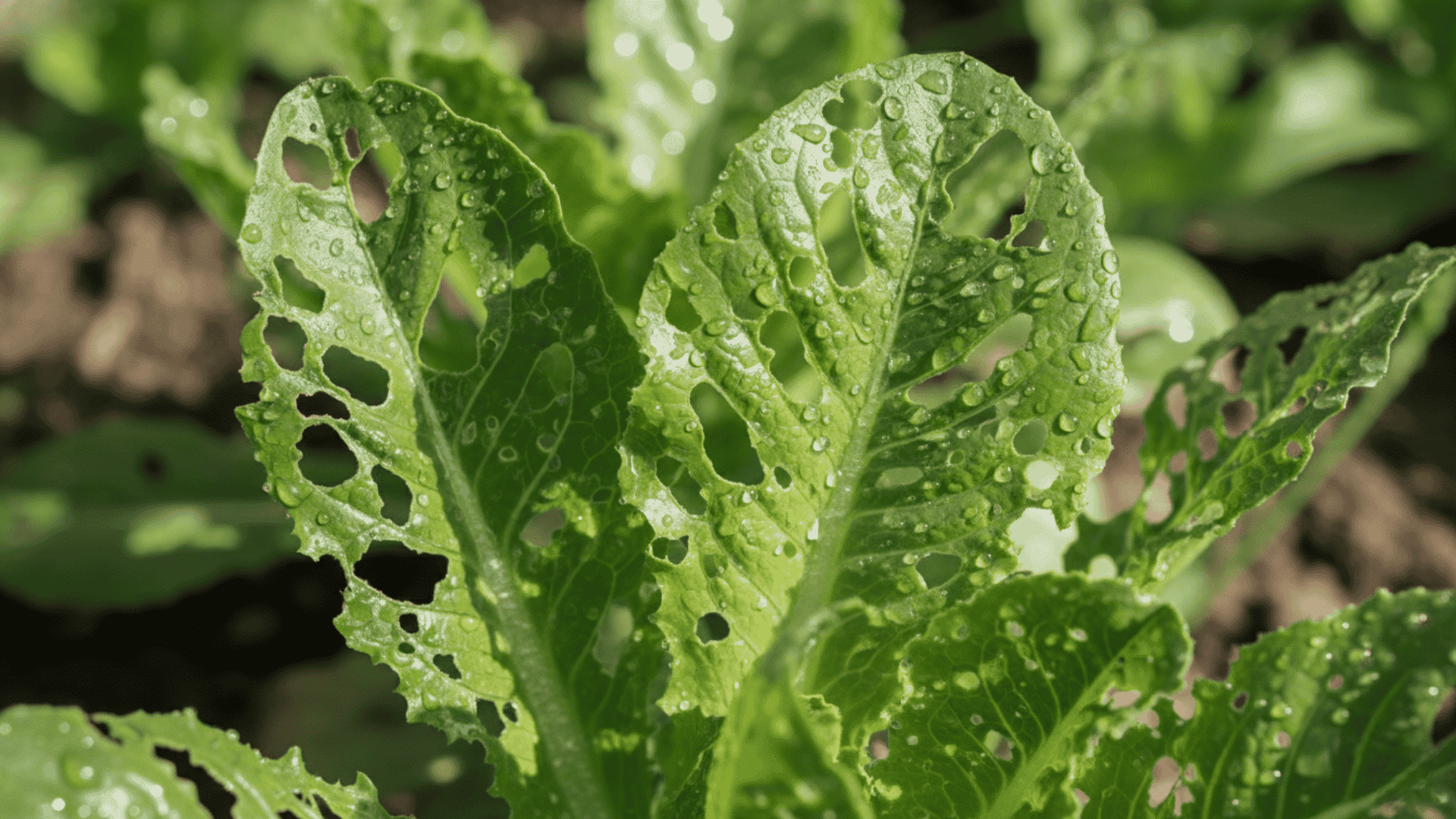
You need to catch slug problems early before they ruin your entire garden. Knowing what to look for helps you act fast and save your plants.
Difference Between Slug Damage and Other Pests
| Pest Type | Damage Pattern | Key Difference |
|---|---|---|
| Slugs | Irregular holes with slime trails | Wet, shiny trails present; damage happens at night |
| Caterpillars | Clean, round holes or leaf edges eaten | No slime; you can see the caterpillar during the day |
| Snails | Similar to slugs with holes | Shell present; also leave slime trails |
| Beetles | Small, round holes | No slime; damage is more uniform and scattered |
Signs of Slug Activity:
- Silvery slime trails on plants or soil: Slugs leave behind shiny, wet trails that look like dried glue marks on leaves, stems, and ground surfaces.
- Irregular holes in leaves and seedlings: You will notice ragged holes in the middle or edges of leaves, not clean cuts like caterpillars make.
- Plants eaten down to stems by morning: Entire seedlings or young plants get stripped overnight, leaving only bare stems standing.
|
When Slugs Are Most Active: Slugs come out at night and after rain, hiding under rocks and mulch during the day. Check your garden in the evening or early morning to catch them feeding. |
7 Effective Ways to Get Rid of Slugs Naturally
Now that you know what slug damage looks like, it’s time to fight back. These seven natural methods will help you control slugs without harming your plants, pets, or soil.
1. Use Copper Barriers
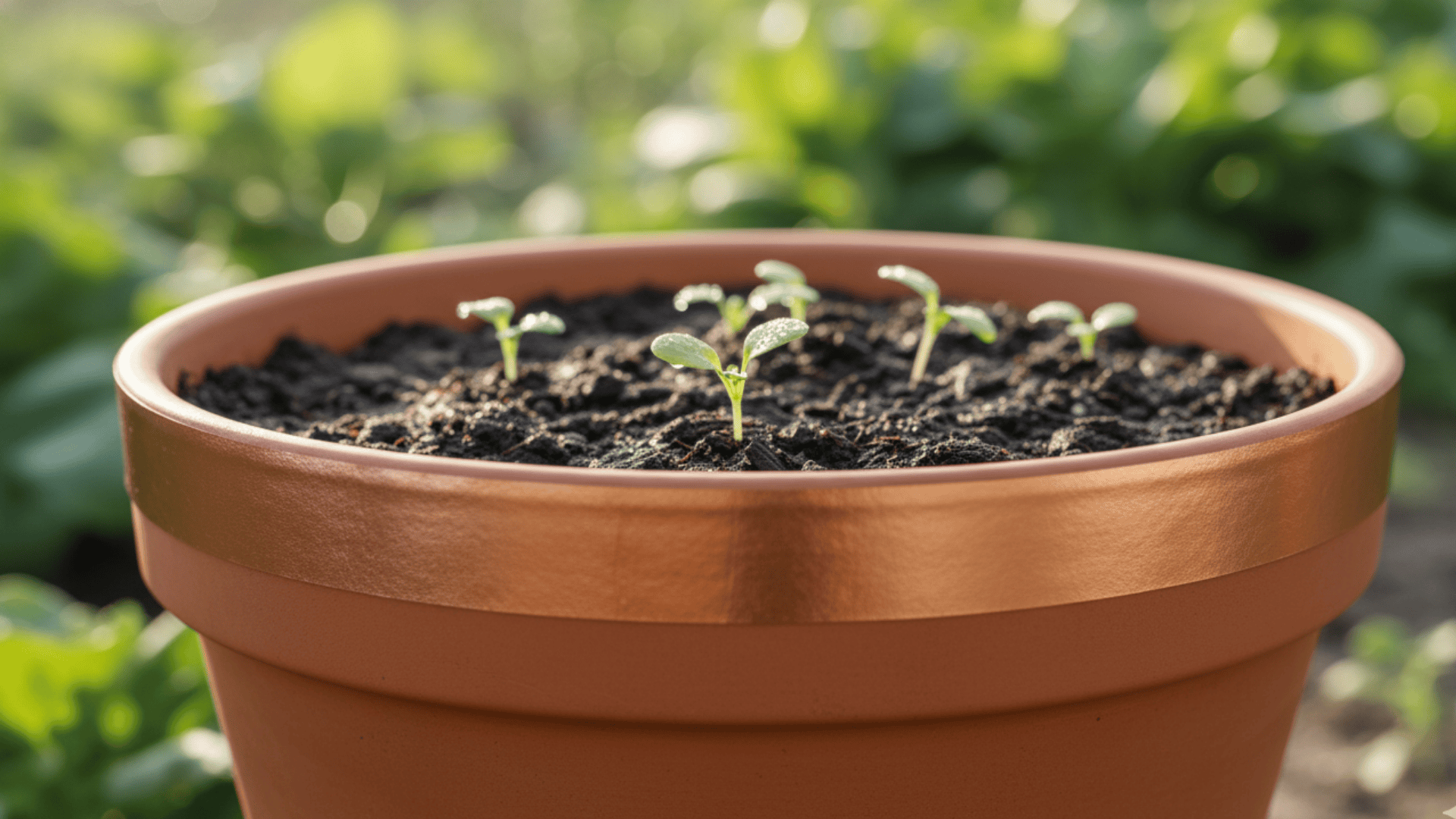
Copper creates a small electric charge when slugs touch it, making them turn back instantly. This natural reaction keeps your plants safe without any chemicals.
Steps:
- Buy copper tape or strips from garden centers
- Wrap tape around pot rims or raised bed edges
- Make sure copper forms a complete circle with no gaps
- Clean copper monthly to keep it working well
2. DIY Beer Traps
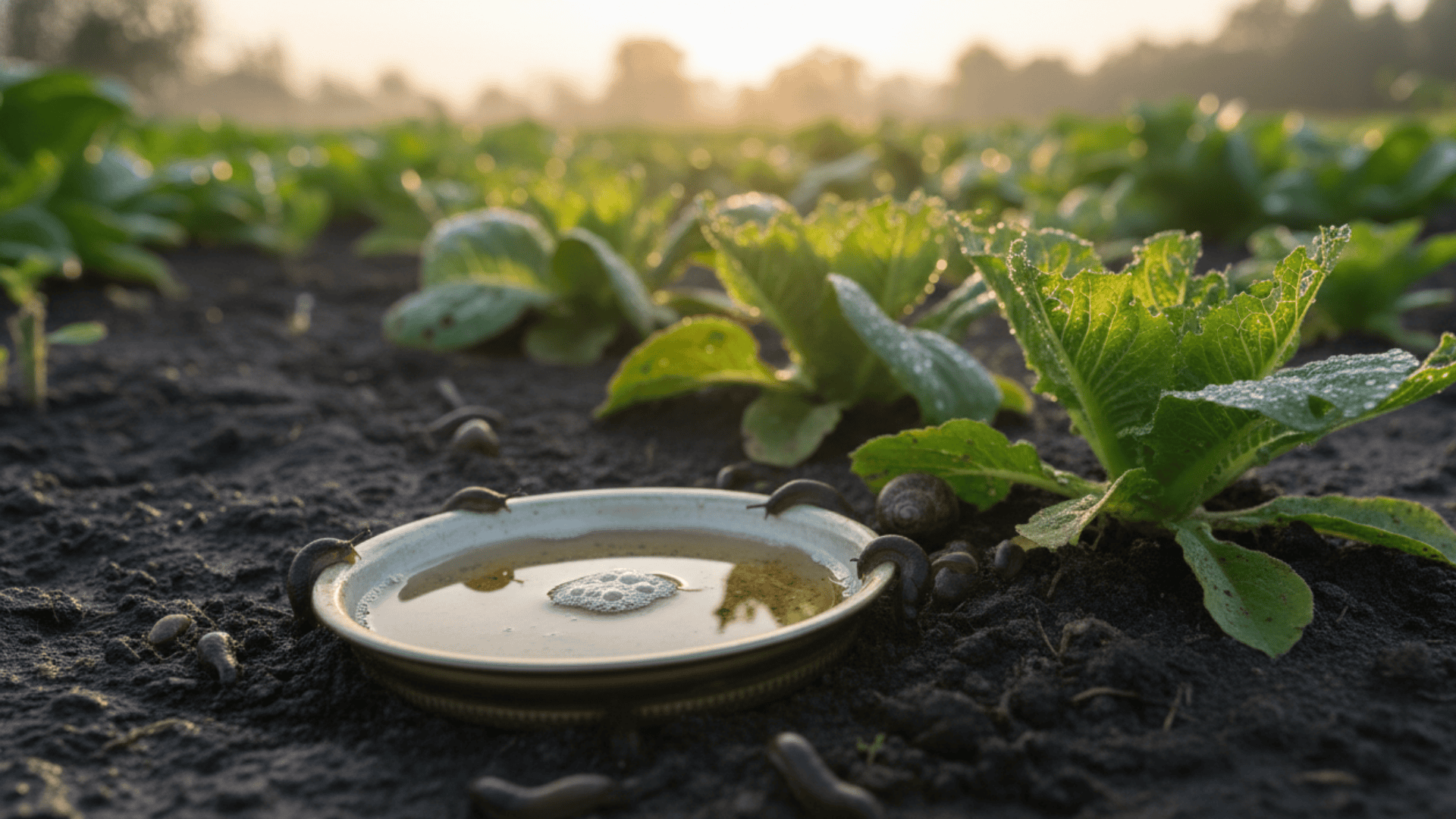
Beer attracts slugs from several feet away, and they crawl in but cannot escape. This trap works best when you refresh it every two to three days.
Steps:
- Dig small holes in the soil near the affected plants
- Place shallow dishes or cut plastic bottles in holes
- Fill containers halfway with cheap beer
- Empty and refill traps each morning
- Position traps at ground level for easy slug access
3. Sprinkle Coffee Grounds
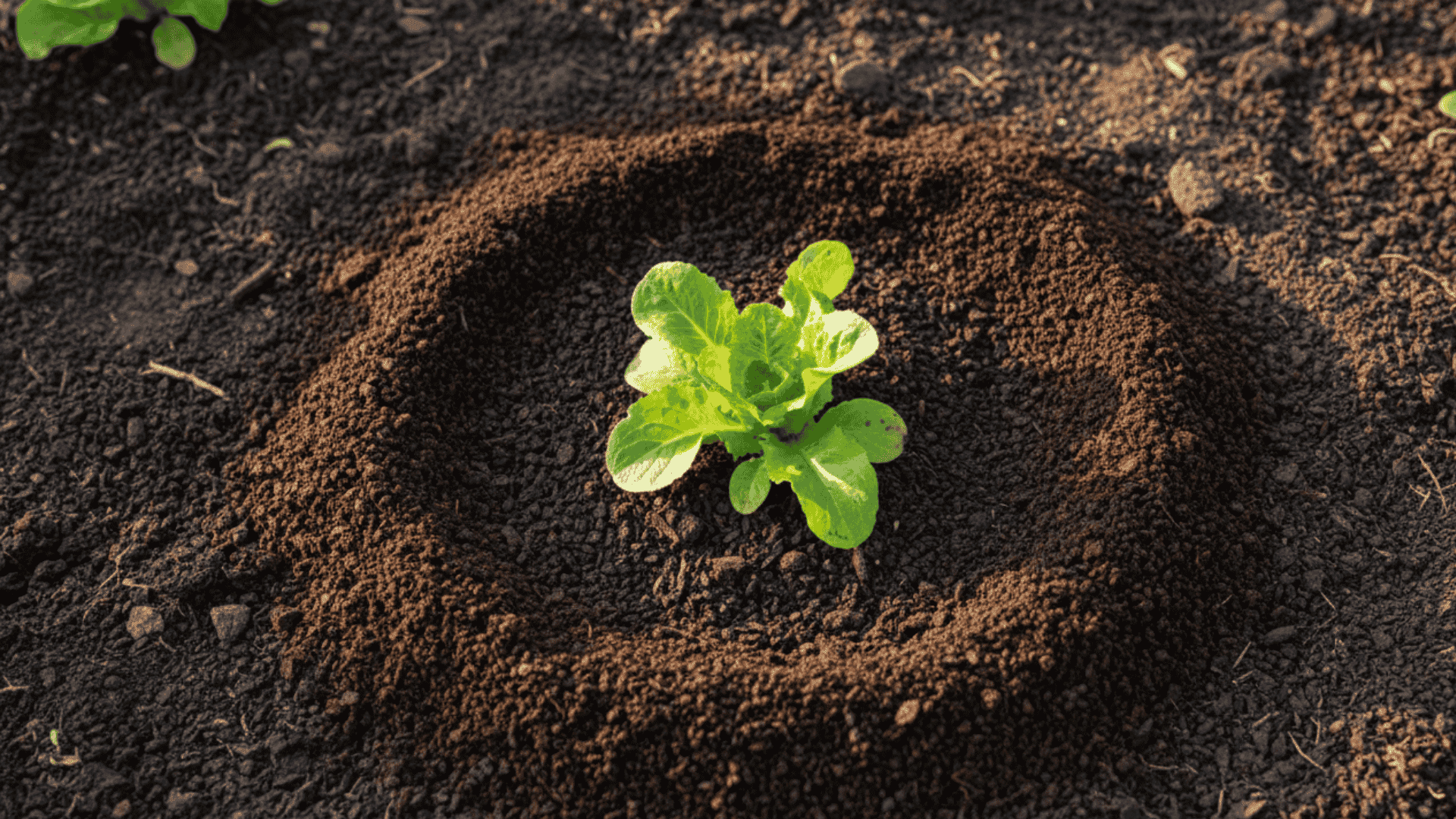
Used coffee grounds smell strongly to slugs and make them stay away from treated areas. As a bonus, your soil gets extra nitrogen while you protect plants.
Steps:
- Save used coffee grounds from your morning brew
- Let the grounds dry out for a day
- Spread a thin layer around plant bases
- Reapply after heavy rain washes them away
- Add fresh grounds weekly for best results
4. Create Physical Barriers
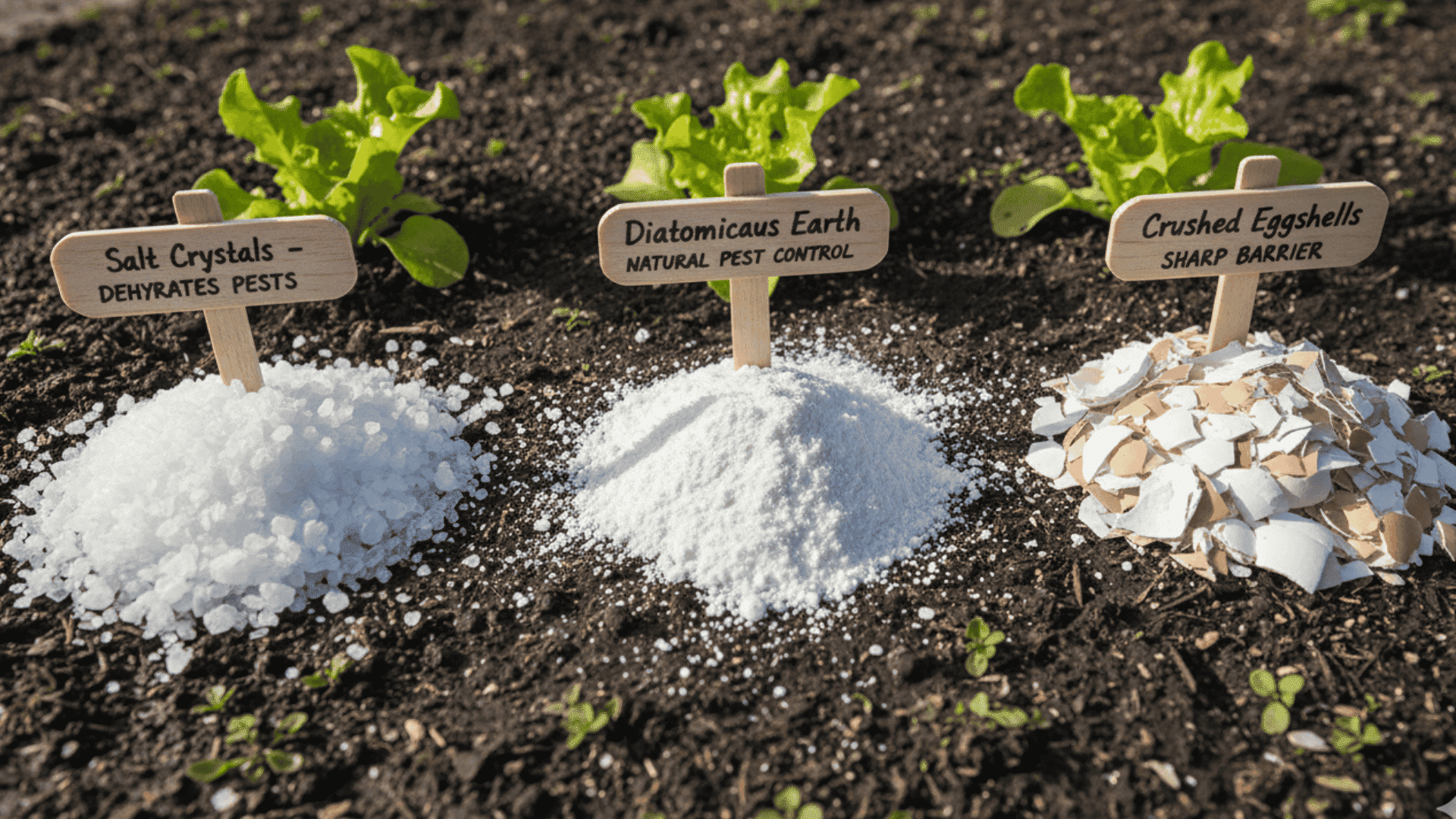
Sharp and rough materials cut into slug bodies, forcing them to find easier paths. These barriers work day and night without any maintenance needed.
Steps for Salt:
- Sprinkle salt only on pathways, never near plant roots
- Use very small amounts to avoid soil damage
Steps for Diatomaceous Earth:
- Buy food-grade diatomaceous earth only
- Wear a mask when applying the powder
- Dust a ring around each plant stem
- Reapply after rain or watering
Steps for Crushed Eggshells:
- Rinse and dry eggshells completely
- Crush into small, jagged pieces
- Spread shells in a wide band around plants
- Mix with soil after several weeks
5. Natural Slug Deterrent Sprays
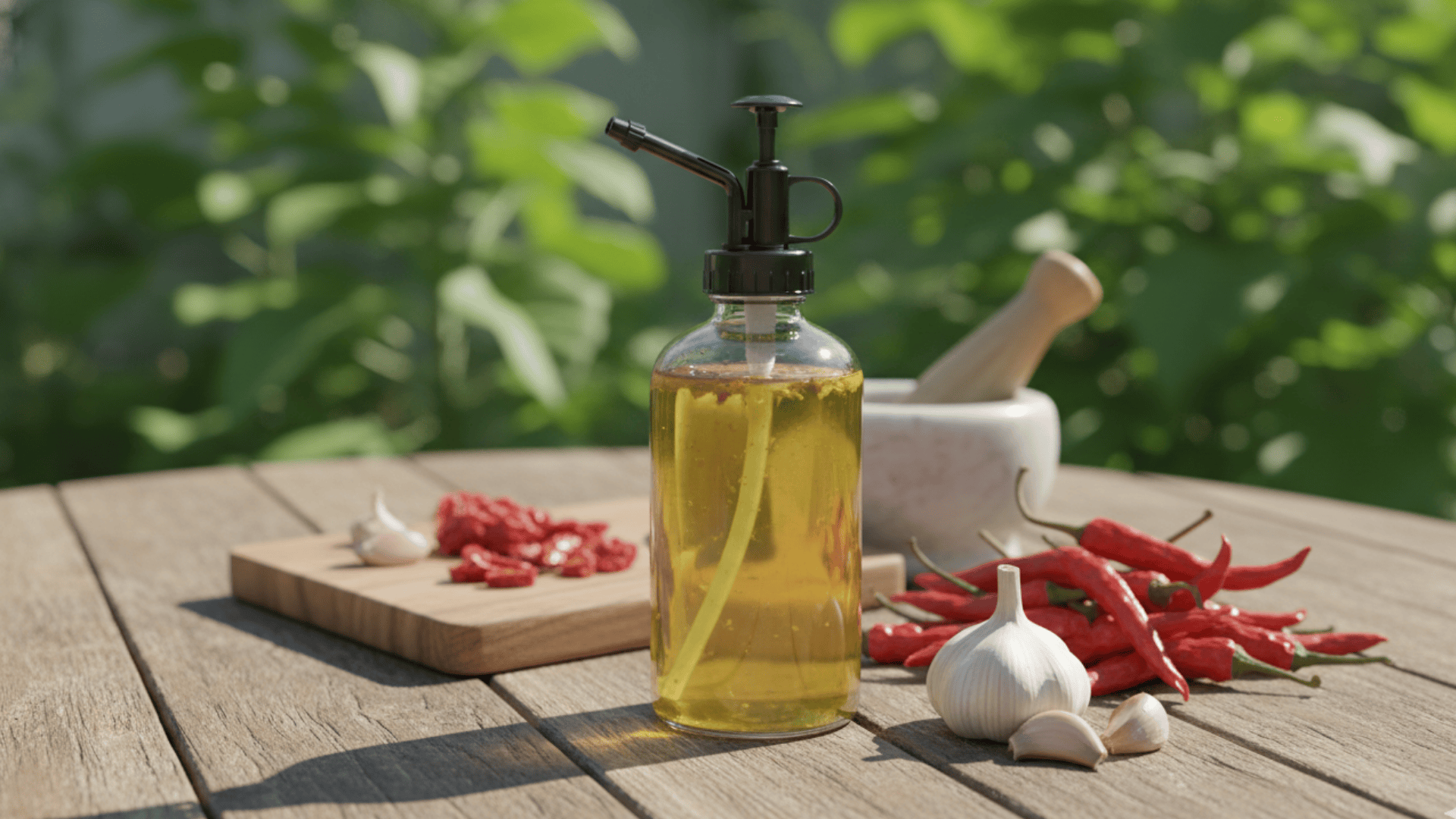
Strong flavors and smells make plants taste terrible to slugs. Homemade sprays cost almost nothing and work for several days per application.
Steps for Garlic Spray:
- Crush 10 garlic cloves and soak in water overnight
- Strain liquid into a spray bottle
- Add a drop of dish soap to help it stick
- Spray directly on leaves every three days
Steps for Hot Pepper Spray:
- Mix two tablespoons of hot pepper flakes with water
- Let the mixture sit for 24 hours
- Strain and add to the spray bottle
- Apply to plant leaves, avoiding flowers
- Wear gloves to protect your hands
6. Encourage Natural Predators
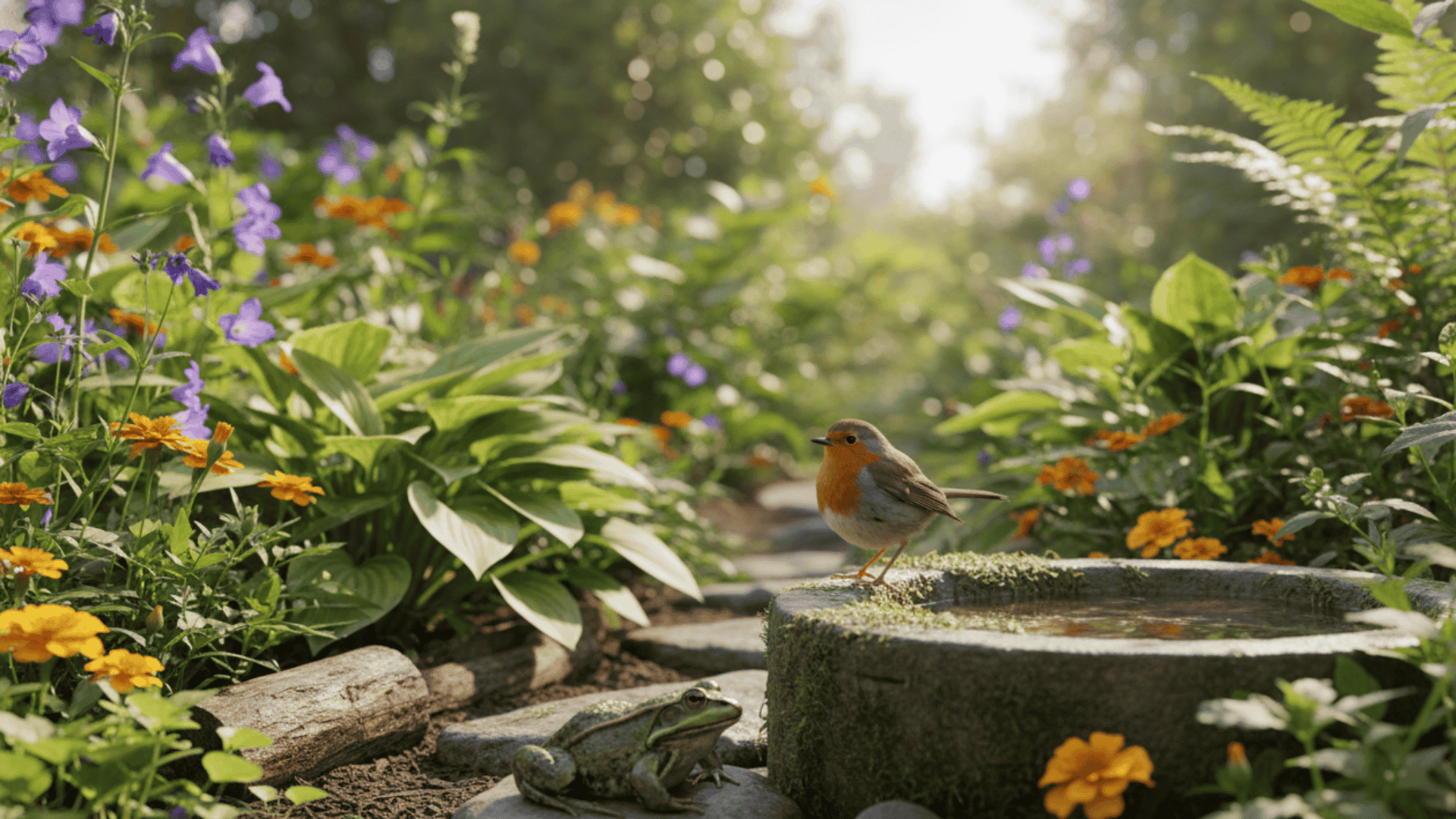
Birds, frogs, toads, and ground beetles eat slugs as part of their daily diet. Creating spaces they love brings free pest control to your garden year-round.
Steps:
- Set up bird baths or small water dishes
- Leave logs and rocks for toad shelters
- Plant native flowers to attract helpful insects
- Avoid pesticides that harm beneficial animals
- Keep a brush pile in one corner for wildlife homes
7. Manual Removal
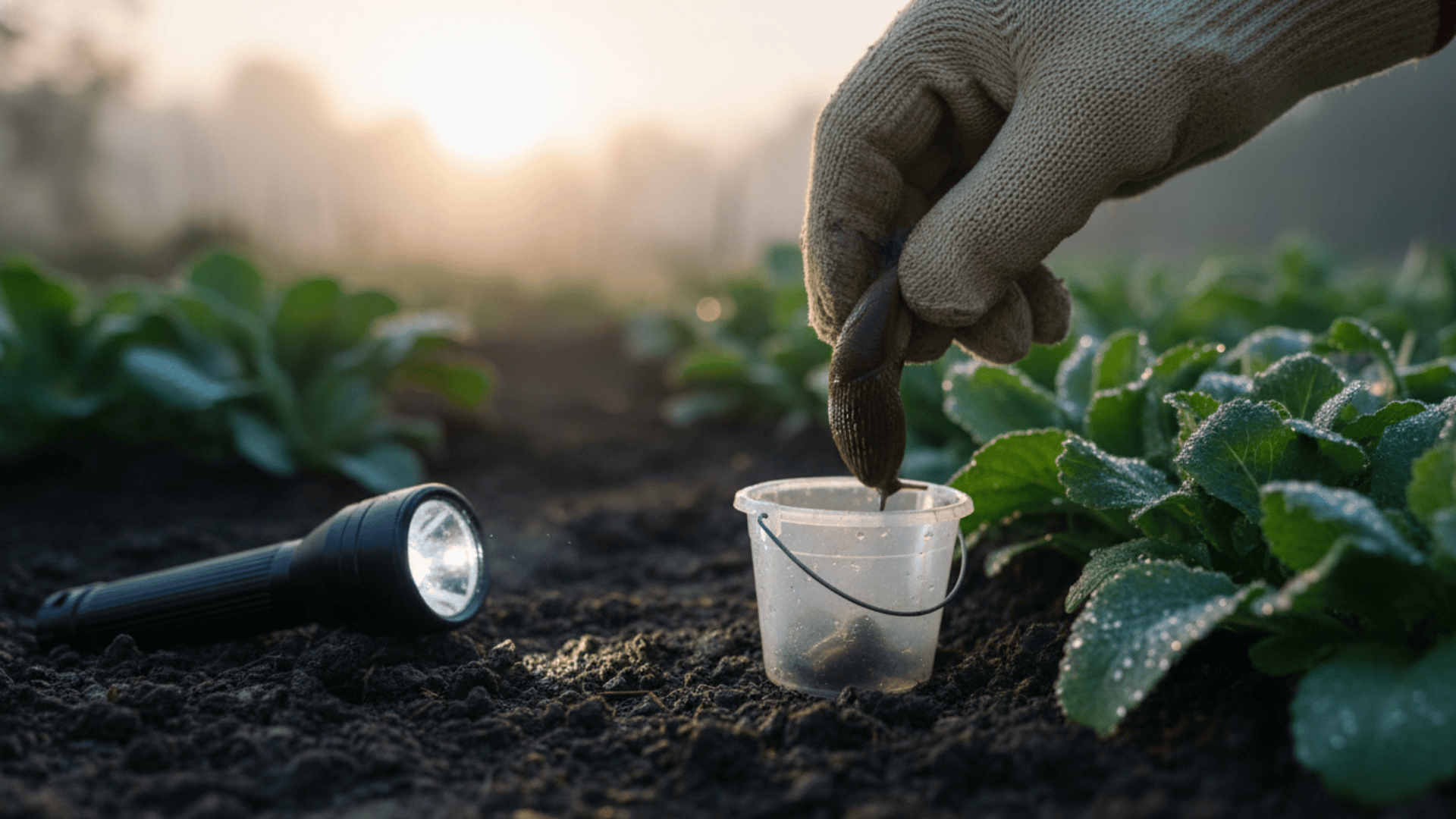
Picking slugs by hand works immediately and costs nothing. This method lets you remove large numbers quickly on nights when slugs come out in force.
Steps:
- Go outside after sunset or early morning
- Bring a flashlight and a collection container
- Check under leaves and mulch
- Drop slugs into soapy water to kill them
- Repeat nightly during peak slug season
How to Prevent Future Slug Infestations?
Getting rid of existing slugs is only half the battle. Making changes to your garden environment stops new slugs from moving in and keeps your plants safe year after year.
- Improve Garden Drainage: Slugs need wet conditions to survive, so fix drainage issues by aerating soil, adding compost, and ensuring water flows away from plant beds.
- Remove Hiding Spots: Clear away dead leaves, wood piles, old mulch, and any debris where slugs hide during daytime hours.
- Create Raised Garden Beds: Slugs find it harder to reach plants in raised beds that sit at least 6 to 12 inches above ground level.
- Water Plants in the Morning: Morning watering lets the soil dry by evening, creating a less friendly environment when slugs become active at night.
- Space Plants Properly: Crowded plants trap moisture and create dark, damp spaces that slugs love, so leave room for air to flow between each plant.
Slug Control Tips for Every Season
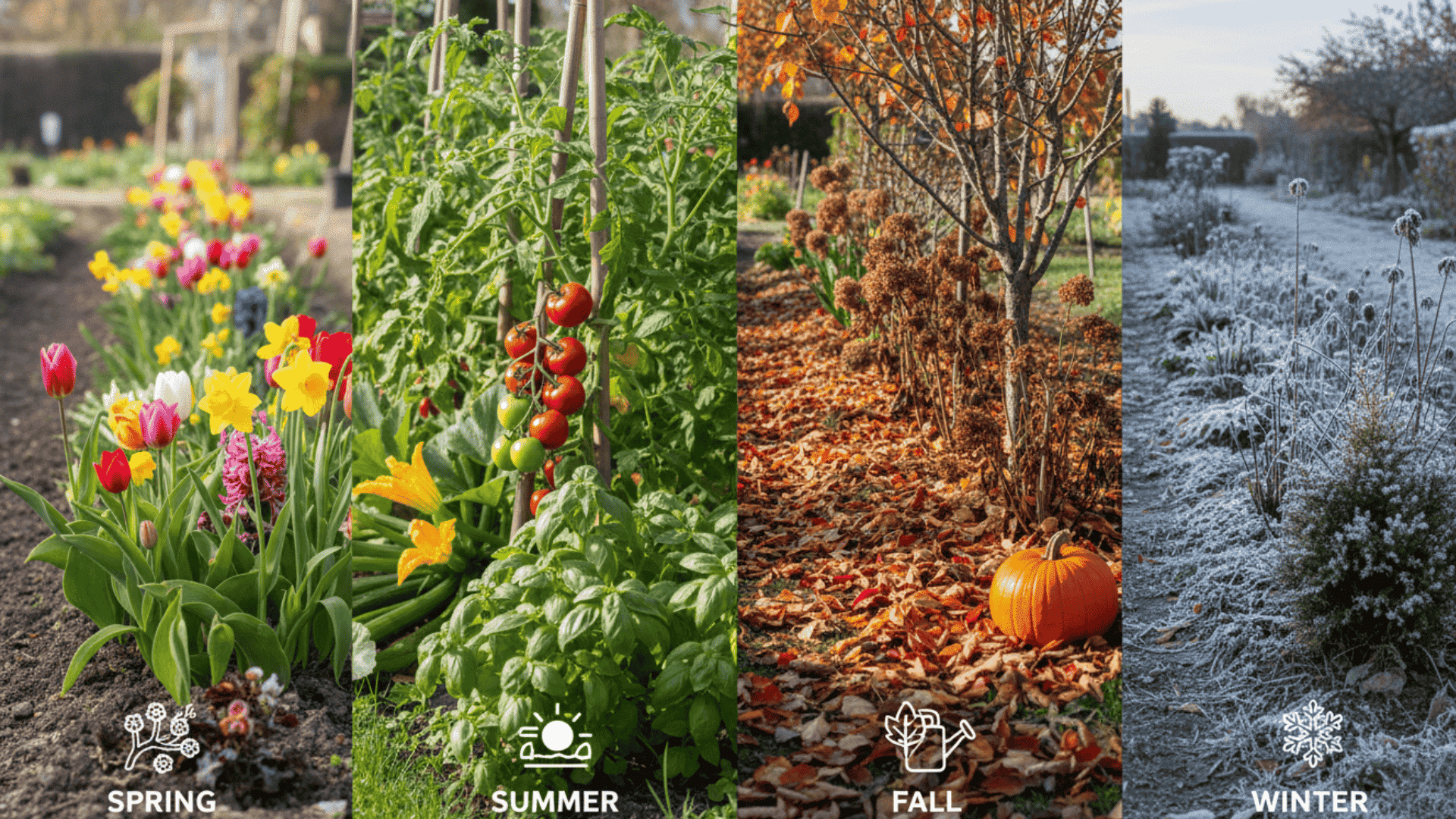
Slug control changes with each season because their behavior shifts throughout the year. Knowing how to get rid of slugs in garden spaces during different months keeps your plants protected all year long.
| Season | Activity Level | Key Actions |
|---|---|---|
| Spring | High | Set up barriers and traps. Remove eggs from the soil. |
| Summer | Moderate to High | Water in the morning only. Hand-pick slugs at night. |
| Fall | Moderate | Clear debris and hiding spots before winter. |
| Winter | Low | Clean garden waste. Turn the soil to expose eggs. |
When to Consider Organic Slug Baits?
Sometimes, natural methods just are not enough to control heavy slug infestations. Iron phosphate baits offer a safe backup option when other techniques fail.
These organic pellets work by stopping slugs from eating, and they break down into soil nutrients after use.
Unlike chemical baits, iron phosphate will not harm pets, birds, or beneficial insects in your garden. Use these baits only after trying barriers, traps, and manual removal first.
Scatter pellets sparingly around badly affected plants and reapply after rain. This should be your last choice, not your first step in learning how to get rid of slugs in garden beds.
Wrapping It Up
Getting rid of slugs does not have to feel overwhelming or complicated. You now know how to get rid of slugs in garden spaces using natural, safe methods that actually work.
Start with simple steps like beer traps, copper barriers, and coffee grounds. Check your garden at night when slugs come out to feed.
Remove hiding spots and improve drainage to stop them from coming back. Try different methods until you find what works best for your space.
Your plants deserve protection from these hungry pests. Take action tonight and reclaim your healthy, thriving garden. Which method will you try first? Share your results in the comments below!