
Jumping into the alphabet “P” can be rewarding, especially when reading about nouns that begin with P.
This letter introduces us to many words, each with meaning and significance.
For example, consider the “Pyramid,” an architectural marvel that has stood the test of time.
Originating in ancient Egypt as monumental tombs for pharaohs, pyramids are synonymous with precision. They were built when Egypt had one of the world’s most powerful civilizations.
This list of nouns starting with “P” covers various categories, from everyday objects to complex concepts, illustrating the diversity of the English language.
Each entry provides a brief description, throwing light on the word’s meaning or context.
Let us get started with the list of P nouns!
Understanding P Nouns Through Examples
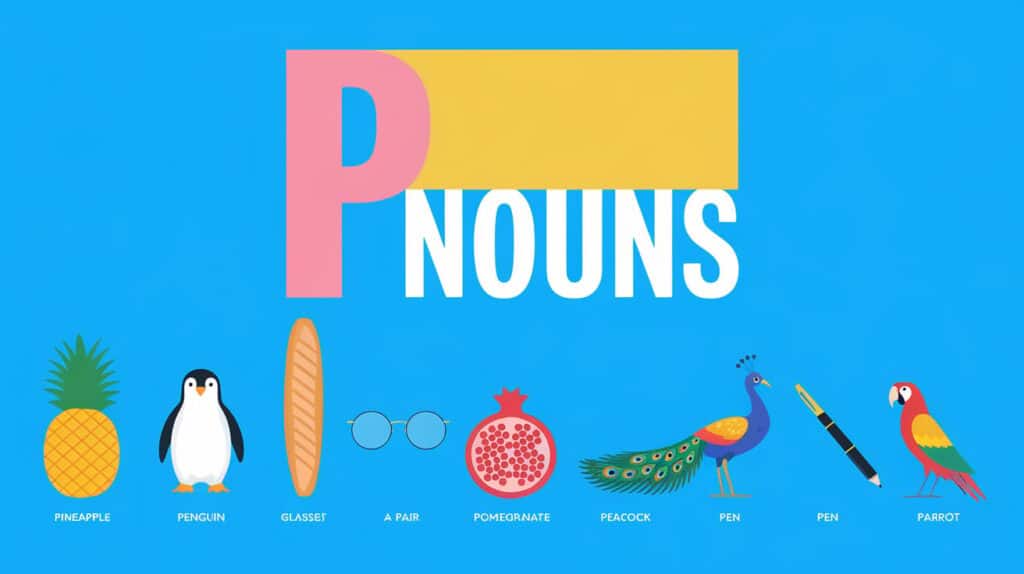
- Package: A box or container holding items for transport or storage.
- Page: One side of a sheet of paper in a book, magazine, or newspaper.
- Pain: An unpleasant sensory and emotional experience associated with actual or potential tissue damage.
- Paint: A colored substance is applied to surfaces to protect or add color.
- Painter: An artist who creates art using paint.
- Palace: A grand residential building, especially a royal residence.
- Palate: The roof of the mouth, separating the nose and mouth cavities.
- Palm: The inner part of the hand from the wrist to the base of the fingers.
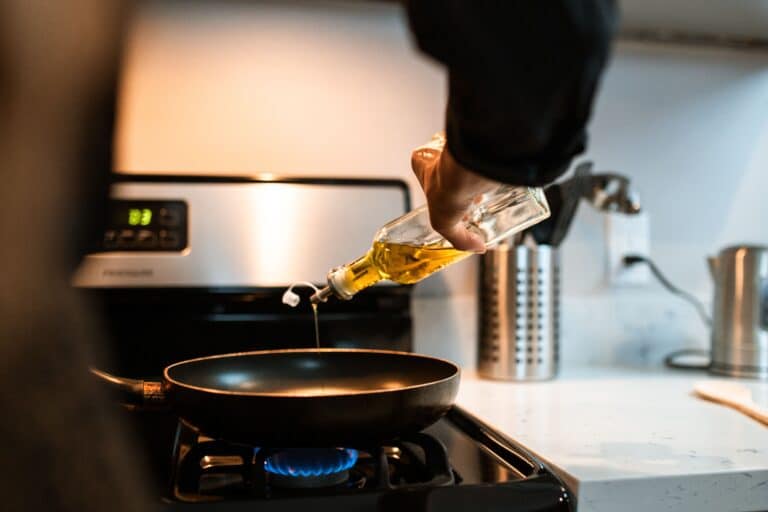
- Pan: A usually shallow and wide container used for cooking.
- Panel: A distinct, flat section or component, often part of a series in construction or machinery.
- Panic: Sudden uncontrollable fear or anxiety, often causing wildly unthinking behavior.
- Panorama: An unbroken view over a wide area.
- Pant: To breathe heavily, typically after exertion.
- Panther: A large wild cat with a black coat, synonymous with a leopard or jaguar.
- Paper: Thin material mainly used for writing upon, printing upon, or packaging.
- Parable: A simple story used to illustrate a moral or spiritual lesson.
- Paradise: An ideal or idyllic place or state.
- Paradox: A seemingly absurd or contradictory statement or proposition.
- Paragraph: A distinct section of a piece of writing, usually dealing with a single theme.
- Parallel: Extending in the same direction, equidistant at all points, and never converging or diverging.
- Paralysis: The loss of the ability to move and sometimes to feel anything, in part or most of the body.
- Parameter: A numerical or other measurable factor forming one of a set that defines a system or sets the conditions of its operation.
- Parcel: An object or collection of objects wrapped in paper to be carried or sent by mail.
- Parchment: A stiff, flat, thin material made from the prepared skin of an animal and used as a durable writing surface in ancient and medieval times.
- Pardon: Forgiving or being forgiven for an error or offense.
- Parent: A father or mother.
- Park: A large public green area in a town used for recreation.
- Parlor: A sitting room in a private house.
- Parrot: A bird, often vividly colored, known for its ability to mimic sounds.
- Parsley: A herb used as seasoning or garnish.
- Part: A piece or segment of something separate from the whole.
- Participant: A person who takes part in something.
- Particle: A minute portion of matter.
- Partner: A person who participates in an undertaking with others, especially in business.
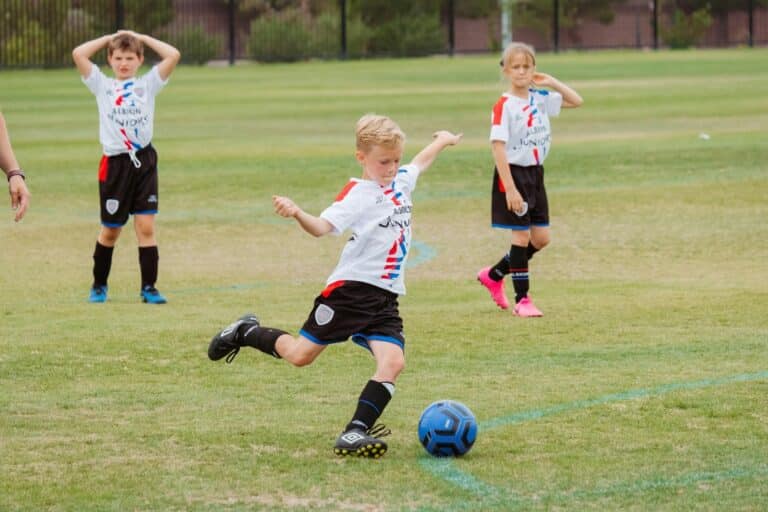
- Party: A social gathering of guests, typically involving eating, drinking, and entertainment.
- Pass: An act or instance of moving past or through something.
- Passage: A narrow way allowing access between buildings or different rooms within a building.
- Passerby: A person who happens to be going past something, especially on foot.
- Passion: Strong and barely controllable emotion.
- Passport: A government-issued document that certifies the identity and nationality of its holder for international travel.
- Past: The time or a period before the moment of speaking or writing.
- Paste: A thick, soft, moist substance, usually produced by mixing dry ingredients with a liquid.
- Pastel: An art medium in the form of a stick consisting of pure powdered pigment and a binder.
- Pastry: A dough of flour, shortening, and water used as a base and covering in baked dishes such as pies.
- Patch: A piece of cloth or other material used to mend or strengthen a torn or weak point.
- Patent: A government authority or license conferring a right or title for a set period, especially the sole right to exclude others from making, using, or selling an invention.
- Path: A way or track laid down for walking or made by continual treading.
- Patience: The capacity to accept or tolerate delay, problems, or suffering without becoming annoyed or anxious.
- Patient: A person receiving or registered to receive medical treatment.
- Patio: A paved outdoor area adjoining a house, generally used for dining or recreation.
- Patriot: A person who vigorously supports their country and is prepared to defend it against enemies or detractors.
- Patrol: An expedition to keep watch over an area, especially by guards or police walking or driving around at regular intervals.
- Patron: A person who gives financial or other support to a person, organization, cause, or activity.
- Pattern: A repeated decorative design.
- Pause: A temporary stop in action or speech.
- Pavement: A raised paved or asphalted path for pedestrians at the side of a road.
- Paw: The foot of an animal that has claws or nails.
- Peak: The pointed top of a mountain.
- Peanut: A small oval seed used for food from which oil is extracted.
- Pearl: A hard, lustrous spherical mass, typically white or bluish-gray, formed within the shell of a pearl oyster.
- Peasant: A poor smallholder or agricultural laborer of low social status.
- Pedal: A foot-operated lever or control for a vehicle, musical instrument, or other mechanisms.
- Pedestrian: A person walking rather than traveling in a vehicle.
- Peer: A person of the same age, status, or ability as another specified person.
- Pelican: A large water bird with a distinctive pouch under its beak, known for catching fish.
- Pen: An instrument for writing or drawing with ink.
- Penalty: A punishment imposed for breaking a law, rule, or contract.
- Pencil: An instrument for writing or drawing consisting of a thin stick of graphite or a similar substance enclosed in a long, thin piece of wood or fixed in a metal or plastic case.
- Pendant: A piece of jewelry that hangs from a chain worn around the neck.
- Penguin: A large flightless seabird of the southern hemisphere, with black upper parts and white underparts.
- Peninsula: A piece of land almost surrounded by water or projecting out into a body of water.
- Penny: A one-cent coin equal to one-hundredth of a dollar.
- Pension: A regular payment made during a person’s retirement from an investment fund to which that person or their employer has contributed during their working life.
- Pepper: A hot-tasting spice produced from a tropical plant of the nightshade family.
- Perch: A thing on which a bird alights or roosts, typically a branch or a horizontal bar.
- Performance: An act of staging or presenting a play, concert, or other form of entertainment.
- Perfume: A fragrant liquid typically made from essential oils extracted from flowers and spices, used to impart a pleasant smell to one’s body or clothes.
- Period: A length or portion of time.
- Permit: An official document giving someone authorization to do something.
- Person: A human being regarded as an individual.
- Perspective: A particular attitude toward or way of regarding something; a point of view.
- Pest: A destructive insect or other animal that attacks crops, food, livestock, etc.
- Pet: An animal kept for companionship and enjoyment or as a hobby.
- Petal: Each of the segments of the corolla of a flower, which are modified leaves and are typically colored.
- Petition: A formal written request, typically one signed by many people, appealing to authority concerning a particular cause.
- Phantom: A ghost.
- Pharmacy: A store where medicinal drugs are dispensed and sold.
- Phase: A distinct period or stage in the process of change or forming part of something’s development.
- Phenomenon: A fact or situation that is observed to exist or happen, especially one whose cause or explanation is in question.
- Philosopher: A person engaged or learned in philosophy, especially as an academic discipline.
- Phone: A telephone.
- Photo: A photograph.
- Phrase: A small group of words standing together as a conceptual unit, typically forming a component of a clause.
- Physical: Relating to the body as opposed to the mind.
- Physician: A person qualified to practice medicine.
- Physics: The branch of science concerned with the nature and properties of matter and energy.
- Piano: A large keyboard musical instrument with a wooden case enclosing a soundboard and metal strings, which are struck by hammers when the keys are pressed.
- Pick: A tool used for breaking hard surfaces or prying open objects.
- Picture: A painting or drawing.
- Pie: A baked dish of fruit or meat and vegetables, typically with a top and base of pastry.
- Pier: A platform on pillars projecting from the shore into water, used as a docking or loading place for ships.
- Pig: A domesticated mammal often kept as livestock by farmers or as pets by others.
- Pigeon: A common bird known for its ability to find its way home over long distances.
- Pike: A long-bodied predatory freshwater fish.
- Pill: A small round mass of solid medicine for swallowing whole.
- Pillar: A tall vertical structure of stone, wood, or metal used as a support for a building or as an ornament or monument.
- Pillow: A cushion used to support the head of a person or animal while sleeping.
- Pilot: A person who operates the flying controls of an aircraft.
- Pin: A small piece of metal or wood, typically cylindrical and pointed, used to fasten materials together.
- Pine: A type of coniferous tree which grows tall and straight, known for its wood and pine cones.
- Pink: A pale red color that takes its name from the flower of the same name.
- Pinnacle: The most successful point; the culmination.
- Pioneer: A person who is among the first to explore or settle a new country or area.
- Pipe: A tube of metal, plastic, or other materials used to convey water, gas, oil, or other fluid substances.
- Pirate: A person who attacks and robs ships at sea.
- Pistol: A small firearm designed to be held in one hand.
- Pit: A large hole in the ground.
- Pitch: The quality of a sound governed by the rate of vibrations producing it; the degree of highness or lowness of a tone.
- Pitcher: A container for holding and pouring liquids that usually has a lip or spout and a handle.
- Pixel: The smallest discrete component of an image or picture on a CRT screen (usually a colored dot).
- Pizza: A dish of Italian origin consisting of a flat, round base of dough baked with a topping of tomato sauce and cheese, typically with added meat or vegetables.
- Place: A particular position, point, or area in space; a location.
- Plague: A contagious bacterial disease characterized by fever and delirium, typically with the formation of buboes.
- Plain: A large area of flat land with few trees.
- Plan: A detailed proposal for doing or achieving something.
- Plane: A flat surface on which a straight line joining any two points would wholly lie.
- Planet: A celestial body moving in an elliptical orbit around a star.
- Plank: A long, thin, flat piece of timber used especially in building and flooring.
- Plant: A living organism that typically grows in a permanent site, absorbs water and inorganic substances through its roots, and synthesizes nutrients in its leaves.
- Plaque: An ornamental tablet, typically of metal, porcelain, or wood, that is fixed to a wall or other surface in commemoration of a person or event.
- Plasma: The colorless fluid part of blood, lymph, or milk, in which corpuscles or fat globules are suspended.
- Plaster: A soft mixture of lime with sand or cement and water for spreading on walls, ceilings, or other structures to form a smooth hard surface when dried.
- Plate: A flat dish, typically circular and made of china, from which food is eaten or served.
- Platform: A raised level surface on which people or things can stand.
- Play: Engage in activity for enjoyment and recreation rather than a serious or practical purpose.
- Player: A person taking part in a sport or game.
- Plea: A request made in an urgent and emotional manner.
- Pleasure: A feeling of happiness, satisfaction, and enjoyment.
- Pledge: A solemn promise or undertaking.
- Plight: A dangerous, difficult, or otherwise unfortunate situation.
- Plot: A plan made in secret by a group of people to do something illegal or harmful.
- Plow: A large farming implement with one or more blades fixed in a frame, drawn by a tractor or by animals, and used for cutting furrows in the soil and turning it over.
- Plug: A piece of solid material fitting tightly into a hole and blocking it up.
- Plum: A small, soft, round fruit with smooth red or purple skin and a single hard seed.
- Plumber: A person who fits and repairs the pipes, fittings, and other apparatus of water supply, sanitation, or heating systems.
- Plume: A long, soft feather or arrangement of feathers used by a bird for display or worn by a person for ornament.
- Plunge: Jump or dive quickly and energetically.
- Pocket: A small bag sewn into or on clothing so as to form part of it, used for carrying small articles.
- Poem: A piece of writing in which the expression of feelings and ideas is given intensity by particular attention to diction (sometimes involving rhyme), rhythm, and imagery.
- Poet: A person who writes poems.
- Point: A precise location or position on a surface or in space.
- Poison: A substance that is capable of causing illness or death when introduced into or absorbed by a living organism.
- Poke: A jab or prod with one’s finger or a sharp object.
- Pole: A long, slender, rounded piece of wood or metal, typically used with one end placed in the ground as a support for something.
- Police: The civil force of a national or local government responsible for the prevention and detection of crime and the maintenance of public order.
- Policy: A course or principle of action adopted or proposed by an organization or individual.
- Polish: A substance used to give something a smooth and shiny surface when rubbed in.
- Politician: A person who is professionally involved in politics, especially as a holder of an elected office.
- Poll: The process of voting in an election or a survey of public opinion.
- Pollen: A fine powdery substance, typically yellow, consisting of microscopic grains discharged from the male part of a flower or from a male cone.
- Pollution: The presence in or introduction into the environment of a substance or thing that has harmful or poisonous effects.
- Polo: A team game played on horseback in which the objective is to hit a ball into a goal using a long-handled mallet.
- Pond: A small body of still water formed naturally or by artificial means.
- Pony: A small horse.
- Pool: A small area of still water, typically one formed naturally.
- Pop: A sudden, sharp, explosive sound or movement.
- Pope: The Bishop of Rome as head of the Roman Catholic Church.
- Poppy: A flowering plant, often grown for its seeds, which are used in baking and can produce opium.
- Porch: A covered shelter projecting in front of the entrance of a building.
- Pork: The flesh of a pig used as food.
- Port: A town or city with a harbor where ships load or unload, especially one where customs officers are stationed.
- Porter: A person employed to carry luggage and other loads, especially in a railroad station, airport, or hotel.
- Portfolio: A range of investments held by a person or organization.
- Portion: A part of a whole; an amount, section, or piece of something.
- Portrait: A painting, drawing, photograph, or engraving of a person, especially one depicting only the face or head and shoulders.
- Position: A place where someone or something is located or has been put.
- Positive: With no possibility of doubt; clear and definite.
- Possession: The state of having, owning, or controlling something.
- Possibility: A thing that may happen or be the case.
- Post: A long, sturdy piece of timber or metal set upright in the ground and used to support something or mark a position.
- Poster: A large printed picture, notice, or advertisement displayed in a public place.
- Pot: A container, typically rounded or cylindrical and of ceramic ware or metal, used for storage or cooking.
- Potato: A starchy plant tuber which is one of the most important food crops, cooked and eaten as a vegetable.
- Potential: Having or showing the capacity to develop into something in the future.
- Potion: A liquid with healing, magical, or poisonous properties.
- Potter: A person who makes pottery.
- Pouch: A small flexible bag, typically carried in a pocket or attached to a belt.
- Poultry: Domestic fowl, such as chickens, turkeys, ducks, and geese, raised for their meat or eggs.
- Pound: A unit of weight in general use equal to 16 ounces avoirdupois (0.4536 kg).
- Pour: To flow or cause to flow in a steady stream from or into a container or place.
- Poverty: The state of being extremely poor.
- Powder: Fine, dry particles produced by the grinding, crushing, or disintegration of a solid substance.
- Power: The ability or capacity to do something or act in a particular way.
- Practice: The actual application or use of an idea, belief, or method, as opposed to theories relating to it.
- Prairie: A large open area of grassland, especially in the Mississippi River valley.
- Praise: The expression of approval or admiration for someone or something.
- Prank: A practical joke or mischievous act.
- Prayer: A solemn request for help or expression of thanks addressed to God or another deity.
- Predator: An animal that naturally preys on others.
- Predecessor: A person who held a job or office before the current holder.
- Pregnancy: The condition or period of being pregnant.
- Prejudice: Preconceived opinion that is not based on reason or actual experience.
- Premise: A previous statement or proposition from which another is inferred or follows as a conclusion.
- Premium: An amount to be paid for an insurance policy.
- Preparation: The action or process of making ready or being made ready for use or consideration.
- Prescription: An instruction written by a medical practitioner that authorizes a patient to be provided a medicine or treatment.
- Presence: The state or fact of existing, occurring, or being present.
- Present: A thing given to someone as a gift.
- Preservation: The action of preserving something.
- President: The elected head of a republican state.
- Press: Newspapers or journalists viewed collectively.
- Pressure: The continuous physical force exerted on or against an object by something in contact with it.
- Prestige: Widespread respect and admiration felt for someone or something on the basis of a perception of their achievements or quality.
- Pretzel: A crisp biscuit baked in the form of a knot or a stick and flavored with salt.
- Prevention: The action of stopping something from happening or arising.
- Prey: An animal that is hunted and killed by another for food.
- Price: The amount of money expected, required, or given in payment for something.
- Pride: A feeling of deep pleasure or satisfaction derived from one’s own achievements.
- Priest: An ordained minister of the Catholic, Orthodox, or Anglican Church, authorized to perform certain rites and administer certain sacraments.
- Primacy: The fact of being primary, preeminent, or more important.
- Primary: Of chief importance; principal.
- Prime: Of first importance; main.
- Prince: A male royal ruler of a small state, actually, historically, or nominally sovereign.
- Princess: The daughter of a monarch.
- Principle: A fundamental truth or proposition that serves as the foundation for a system of belief or behavior.
- Print: To produce (books, newspapers, or other printed material) by a mechanical process involving the transfer of text or designs to paper.
- Printer: A machine for printing text or pictures, especially one linked to a computer.
- Priority: The fact or condition of being regarded or treated as more important.
- Prism: A solid geometric figure whose two end faces are similar, equal, and parallel rectilinear figures, and whose sides are parallelograms.
- Prison: A building in which people are legally held as a punishment for a crime they have committed or while awaiting trial.
- Prisoner: A person legally held in prison as a punishment for crimes they have committed or while awaiting trial.
- Privacy: The state or condition of being free from being observed or disturbed by other people.
- Prize: Something given as a reward or in recognition of an outstanding achievement.
- Probability: The extent to which something is probable; the likelihood of something happening or being the case.
- Probe: A thorough investigation into a crime or other matter.
- Problem: A matter or situation regarded as unwelcome or harmful and needing to be dealt with and overcome.
- Procedure: An established or official way of doing something.
- Process: A series of actions or steps taken in order to achieve a particular end.
- Prodigy: A person, especially a young one, endowed with exceptional qualities or abilities.
- Producer: A person, company, or country that makes, grows, or supplies goods or commodities for sale.
- Product: An article or substance that is manufactured or refined for sale.
- Profession: A paid occupation, especially one that involves prolonged training and a formal qualification.
- Professor: A teacher of the highest rank in a college or university.
- Profile: An outline of something, especially a person’s face, as seen from one side.
- Profit: A financial gain, especially the difference between the amount earned and the amount spent in buying, operating, or producing something.
- Program: A planned series of future events, items, or performances.
- Progress: Forward or onward movement toward a destination.
- Project: An individual or collaborative enterprise that is carefully planned to achieve a particular aim.
- Projection: An estimate or forecast of a future situation based on a study of present trends.
- Promise: A declaration or assurance that one will do something or that a particular thing will happen.
- Promotion: The action of raising someone to a higher position or rank or the fact of being so raised.
- Proof: Evidence or argument establishing a fact or the truth of a statement.
- Prop: A pole or beam used as a support or to keep something in position, typically one that is not an integral part of the thing supported.
- Propaganda: Information, especially of a biased or misleading nature, used to promote a political cause or point of view.
- Property: A thing or things belonging to someone; possessions collectively.
- Proportion: A part, share, or number considered in comparative relation to a whole.
- Proposal: A plan or suggestion, especially a formal or written one, put forward for consideration by others.
- Proposition: A statement or assertion that expresses a judgment or opinion.
- Prosecutor: A legal official who accuses someone of committing a crime, especially in a court of law.
- Prospect: The possibility or likelihood of some future event occurring.
- Prosperity: The state of being prosperous.
- Protection: The action of protecting, or the state of being protected.
- Protein: A molecule composed of amino acids that are essential for the growth and repair of animal tissue.
- Protest: An expression or declaration of objection, disapproval, or dissent.
- Protocol: The official procedure or system of rules governing affairs of state or diplomatic occasions.
- Prototype: A first or preliminary version of a device or vehicle from which other forms are developed.
- Proverb: A short, well-known pithy saying stating a general truth or piece of advice.
- Provider: A person or thing that provides something.
- Province: A principal administrative division of certain countries or empires.
- Provision: The action of providing or supplying something for use.
- Prowess: Skill or expertise in a particular activity or field.
- Proxy: The authority to represent someone else, especially in voting.
- Prune: A plum preserved by drying, having a black, wrinkled appearance.
- Psalm: A sacred song or hymn, in particular any of those contained in the biblical Book of Psalms and used in Christian and Jewish worship.
- Psychologist: An expert or specialist in psychology.
- Psychology: The scientific study of the human mind and its functions, especially those affecting behavior in a given context.
- Pub: A public house where beverages, especially alcoholic ones, are sold and consumed.
- Public: Of or concerning the people as a whole.
- Publication: The preparation and issuing of a book, journal, or piece of music for public sale.
- Publicity: The notice or attention given to someone or something by the media.
- Publisher: A person or company that prepares and issues books, journals, or music for sale.
- Puddle: A small accumulation of liquid, usually water, on a surface.
- Puff: A short, explosive burst of breath or wind.
- Pull: To exert force on (someone or something) so as to cause movement toward oneself.
- Pulp: A soft, wet, shapeless mass of material.
- Pulpit: A raised platform or lectern in a church or chapel from which the preacher delivers a sermon.
- Pulse: A rhythmical throbbing of the arteries as blood is propelled through them, typically felt in the wrists or neck.
- Pump: A device that is used to move fluids, such as liquids or gases, from one place to another.
- Pumpkin: A large, rounded, orange-yellow fruit with a thick rind, edible flesh, and many seeds.
- Punch: A device or machine for making holes in materials or a blow with the fist.
- Punishment: The infliction or imposition of a penalty as retribution for an offense.
- Pupil: A student in school.
- Puppy: A young dog.
- Purchase: The action of buying something.
- Purity: The condition or quality of being pure; freedom from anything that debases, contaminates, pollutes, etc.
- Purple: A color intermediate between red and blue.
- Purpose: The reason for which something is done or created or for which something exists.
- Purse: A small bag used by a woman to carry everyday personal items.
- Pursuit: The action of following or pursuing someone or something.
- Push: The act of applying force in order to move something away.
- Puzzle: A game, toy, or problem designed to test ingenuity or knowledge.
- Pyramid: A monumental structure with a square or triangular base and sloping sides that meet at a point at the top, especially one built of stone as a royal tomb in ancient Egypt.
- Python: A large, heavy-bodied, nonvenomous snake inhabiting warmer climates, often kept as a pet.
Summing Up
This comprehensive list of P nouns shows the diversity of the English language.
From “Package” to “Python,” each noun depicts a different aspect of daily life, scientific interest, or cultural significance.
We gain vocabulary insights into various areas of society and nature by exploring these nouns.
As we reflect on these words, we appreciate the variety of communication tools that enable clearer and more precise expressions in written and spoken forms.
This journey through P nouns improves our linguistic capabilities and understanding of the world.
If you are interested in more such content, please check out other blogs on our website!