
Small bedrooms feel impossible to decorate sometimes.
You want a comfy bed, storage for your stuff, and enough space to actually move around. But it seems you can only pick one or two of those, not all three.
Actually, size matters less than you think. The real secret is how you arrange what you have and which furniture you choose.
A tiny room can feel open and organized when you use vertical space, pick multi-purpose pieces, and keep walkways clear.
This guide shows you practical ideas that work in really small bedrooms. You’ll learn which furniture fits best, how to add storage without clutter, and simple styling tricks that make any room look bigger.
How to Plan a Tiny Bedroom Layout Before Decorating
Planning comes first when you want to make the most of your space. A good layout can make even the smallest room feel open and functional. Start by thinking about what you need most in your bedroom.
Do you need storage, a work area, or just a peaceful sleep space? Your priorities will guide every choice you make.
Smart planning saves you from buying furniture that does not fit or blocking important pathways.
- Measuring the Room Correctly: Measure length, width, and height before buying furniture to ensure everything fits.
- Maintaining Clear Walkways: Keep 24 to 30 inches of space around your bed to move freely.
- Choosing Furniture Based on Room Priorities: Pick furniture that meets your top needs first, such as a storage bed or a wall desk.
- Using Vertical Space Efficiently: Use wall shelves and hooks to free up floor space and make your room feel bigger.
Tiny Very Small Bedroom Ideas
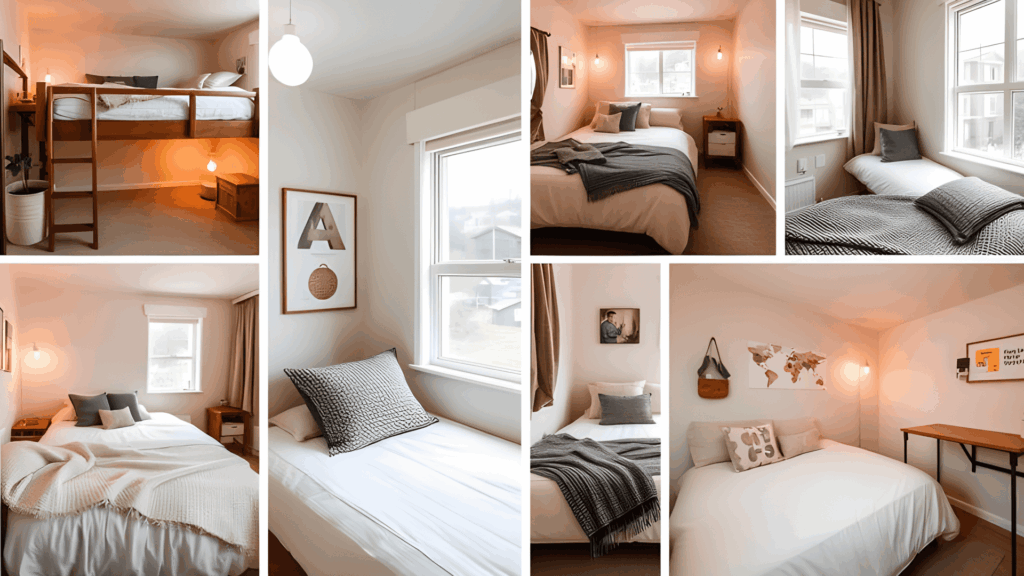
Small bedrooms need smart solutions, not just smaller furniture. These 26 tiny bedroom ideas help you make the most of every inch without making your space feel cramped or cluttered.
1. Floating Nightstand Shelves
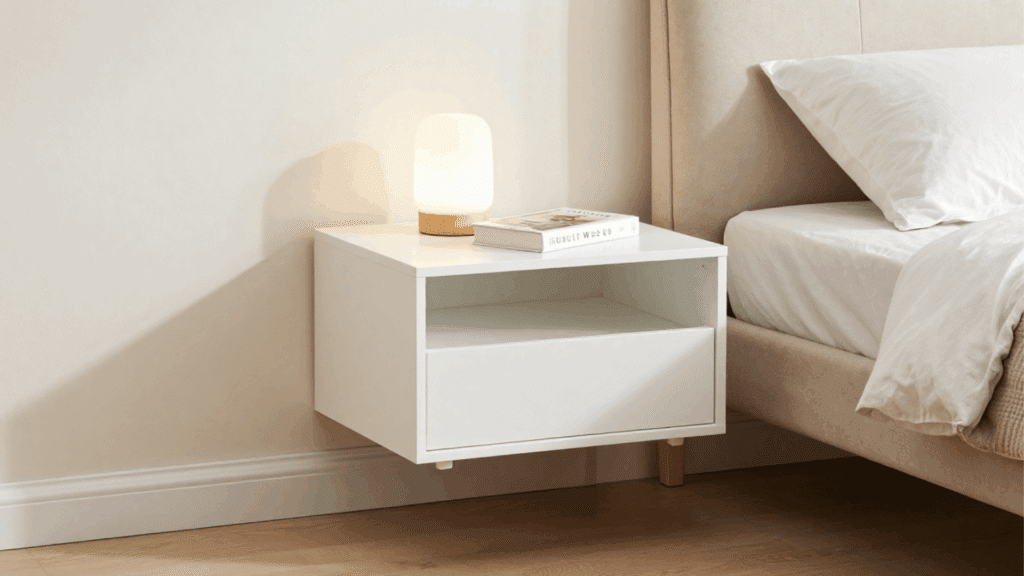
Floating shelves take up less visual space than traditional nightstands. They keep your essentials within reach while the floor stays clear underneath.
Key benefits:
- Creates an open, airy feel
- Easy to clean underneath
- Works in rooms as narrow as 8 feet
2. Wall-Mounted Sconces
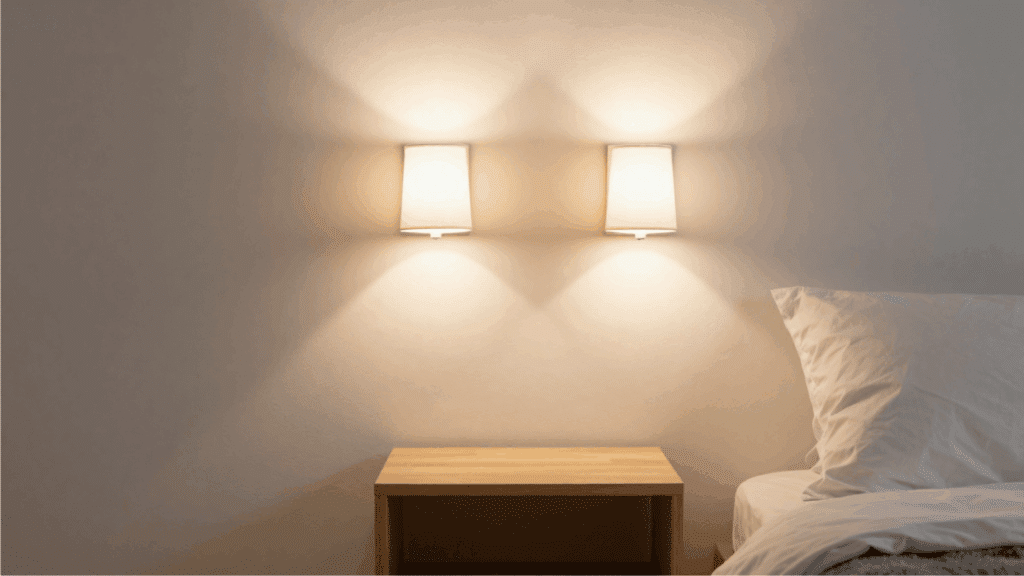
Wall sconces free up your nightstand surface for books or your phone. They also add soft lighting without taking up precious tabletop space.
Best placement tips:
- Mount 18 to 24 inches above the mattress
- Choose adjustable arm styles for reading
- Use dimmer switches for mood control
3. Storage Beds with Built-In Drawers or Lift-Up Bases
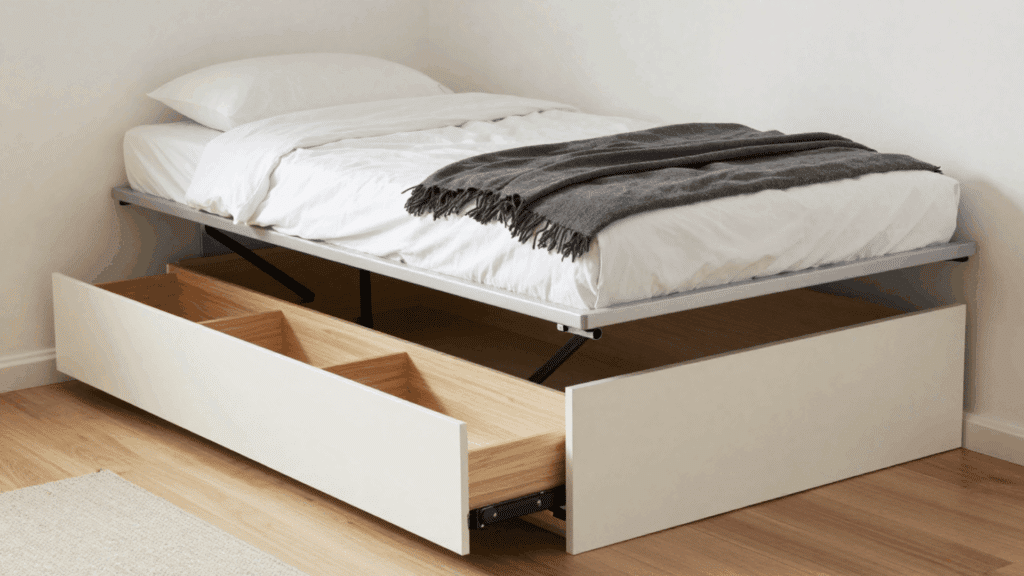
Storage beds hide away clothes, shoes, and extra bedding. This turns wasted space under your mattress into useful storage.
Storage options:
- Side drawers for easy access
- Lift-up bases for seasonal items
- Hydraulic lifts for heavy mattresses
4. Slim-Profile Dressers
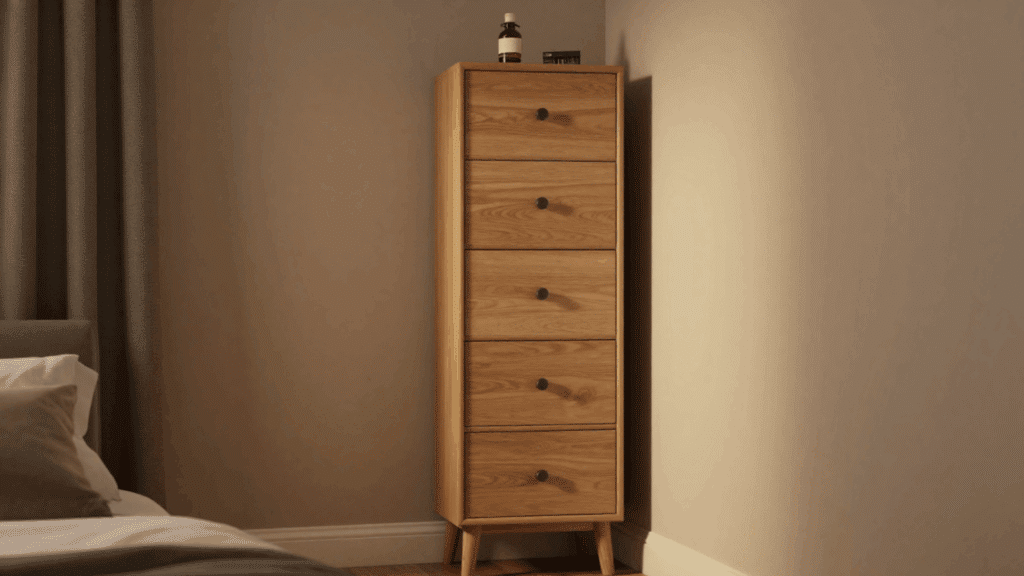
Narrow dressers fit in tight spots without blocking walkways. Look for ones that are 12 to 18 inches deep instead of standard 20-inch models.
Shopping tips:
- Measure your wall space first
- Choose vertical designs with more drawers
- Pick lighter colors to reduce bulk
5. Loft Beds
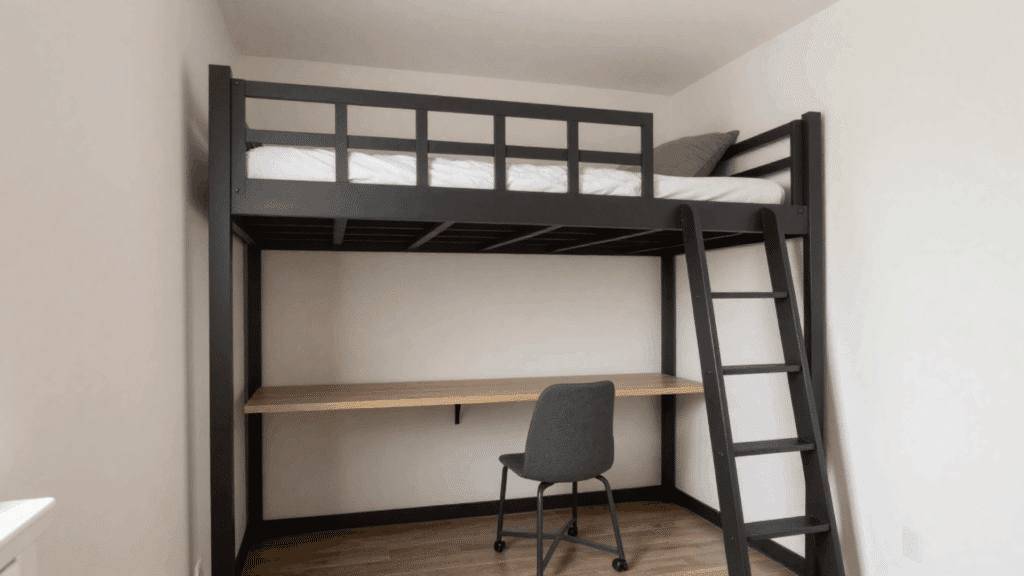
Loft beds raise your sleeping area off the ground. The space underneath works well for a desk, a closet, or a cozy reading nook.
Ideal for:
- Studio apartments
- Kids’ and teen rooms
- Home offices that need dual function
6. Murphy Beds
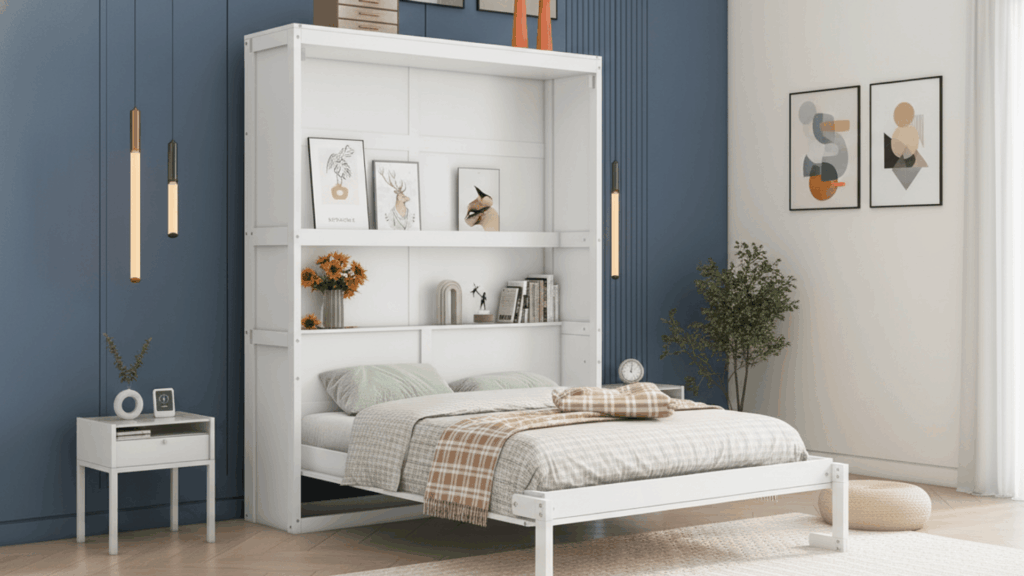
Murphy beds fold into the wall when not in use. This turns your bedroom into a living room, office, or gym during the day.
Installation notes:
- Requires sturdy wall support
- Takes 6 to 8 feet of wall space
- Professional installation recommended
7. Daybeds
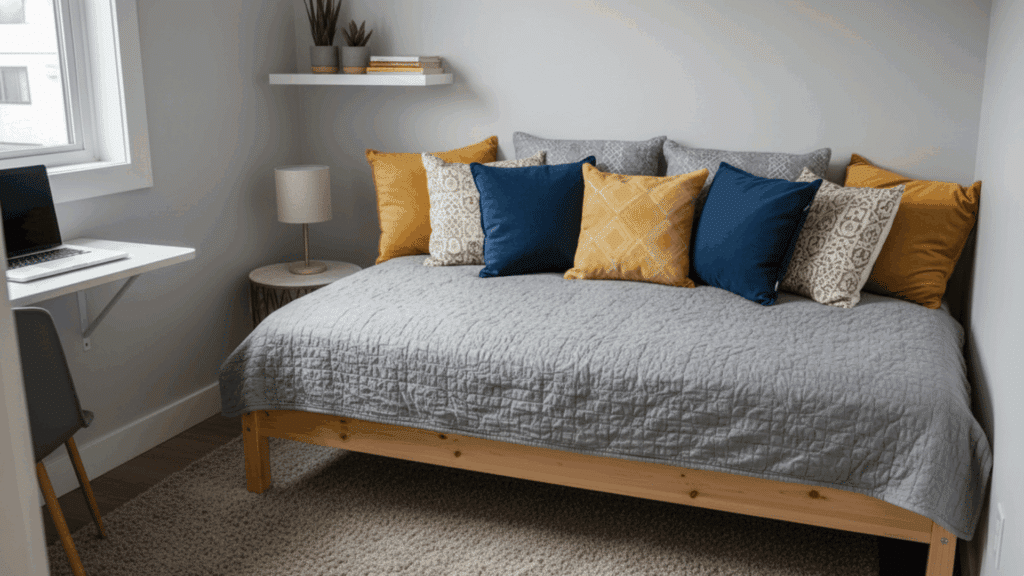
Daybeds function as both a bed and a sofa. Add some throw pillows, and your bedroom becomes a comfortable hangout spot, too.
Styling ideas:
- Use bolster pillows along the back
- Choose washable slipcovers
- Add a side table for drinks
8. Corner Bed Placement
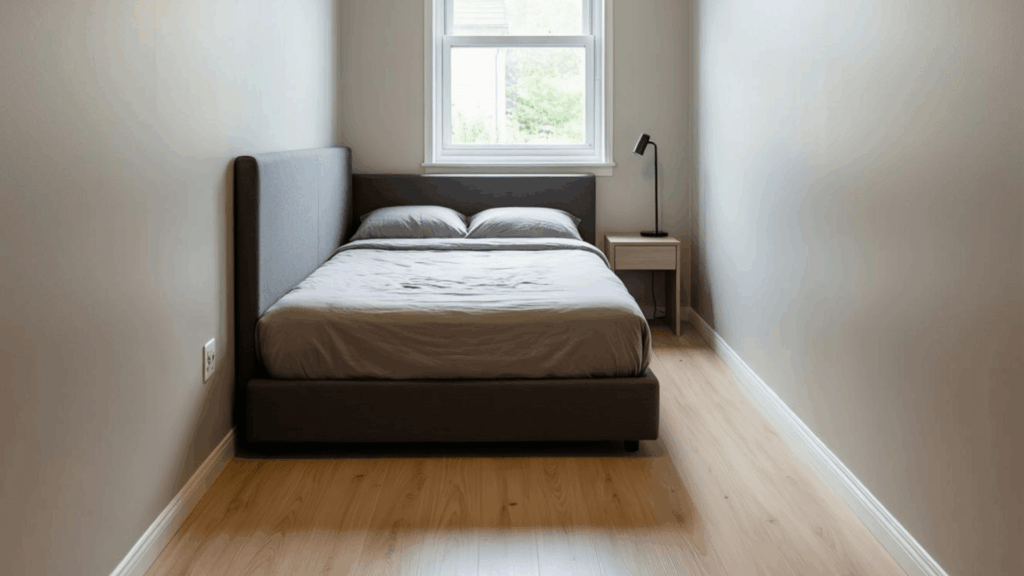
Placing your bed in a corner opens up the middle of your room. This makes walking around easier and creates more usable floor space.
Layout benefits:
- Only one side needs clearance
- Two walls can hold shelves
- Works well in square rooms
9. Floor-to-Ceiling Wardrobes
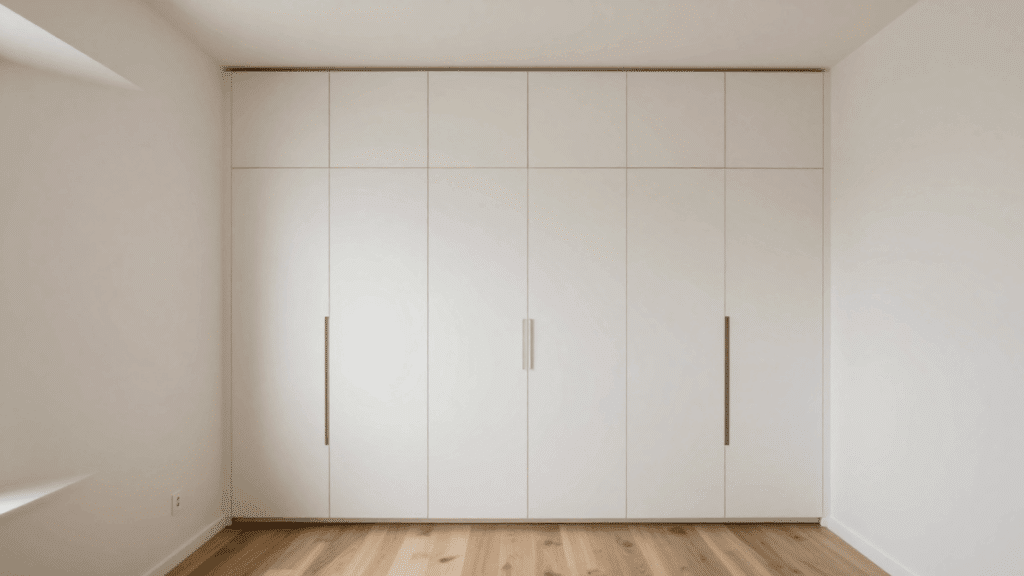
Tall wardrobes use height instead of floor space for storage. They hold more clothes than standard closets while taking up less room.
Organization tips:
- Use top shelves for seasonal items
- Install interior lighting
- Add drawer dividers for small items
10. Over-the-Door Organizers
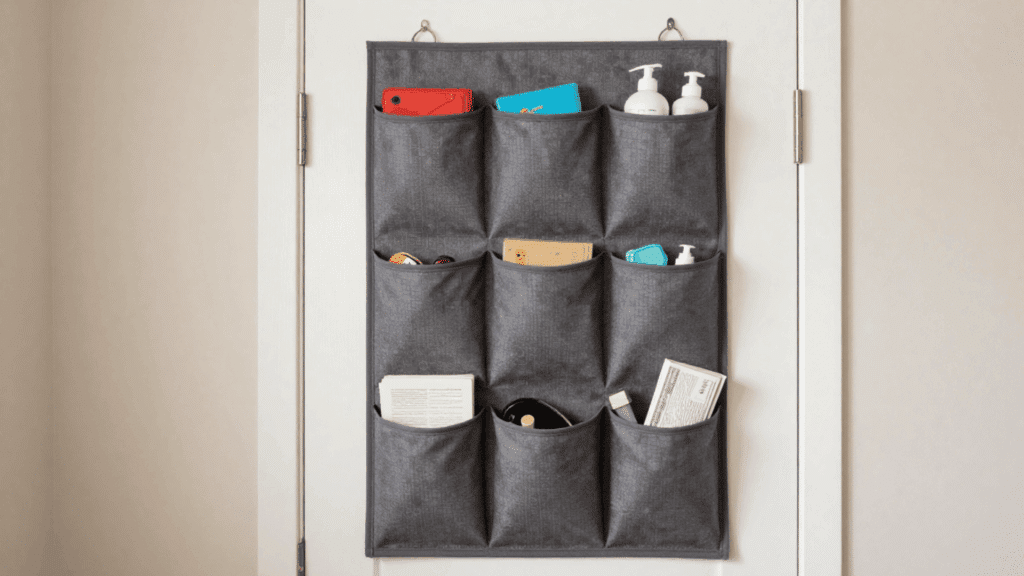
Door organizers hold jewelry, scarves, and bags without using wall space. They keep accessories visible and easy to grab.
What to store:
- Jewelry in clear pockets
- Belts and ties on hooks
- Shoes in fabric pouches
11. Built-In Shelving Above the Headboard
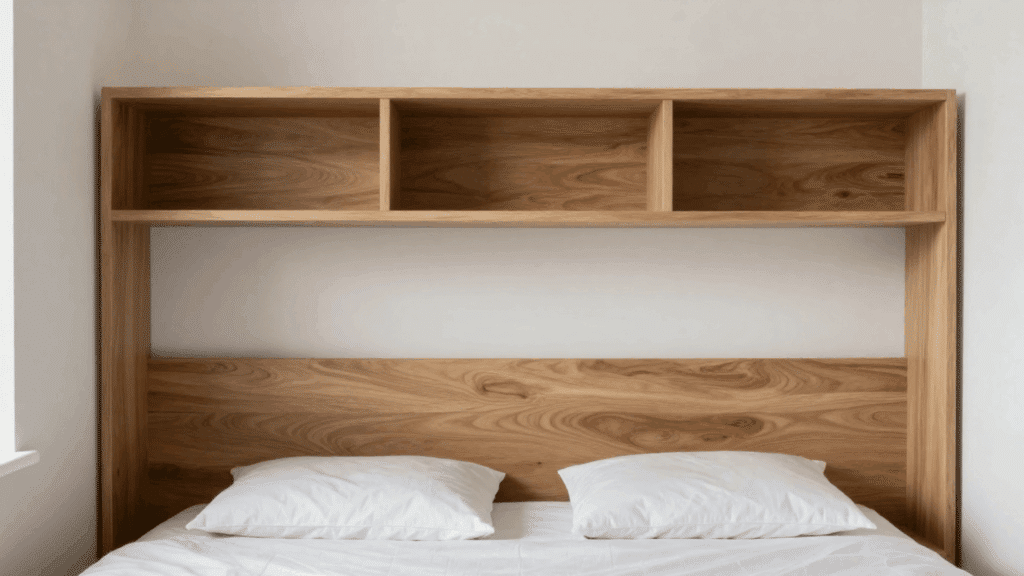
Shelves above your bed create storage without taking up floor space. Use them for books, plants, or decorative items you love.
Safety first:
- Secure shelves to wall studs
- Avoid heavy items directly overhead
- Leave 12 inches between the pillow and the shelf
12. Mirrors Placed Opposite Light Sources
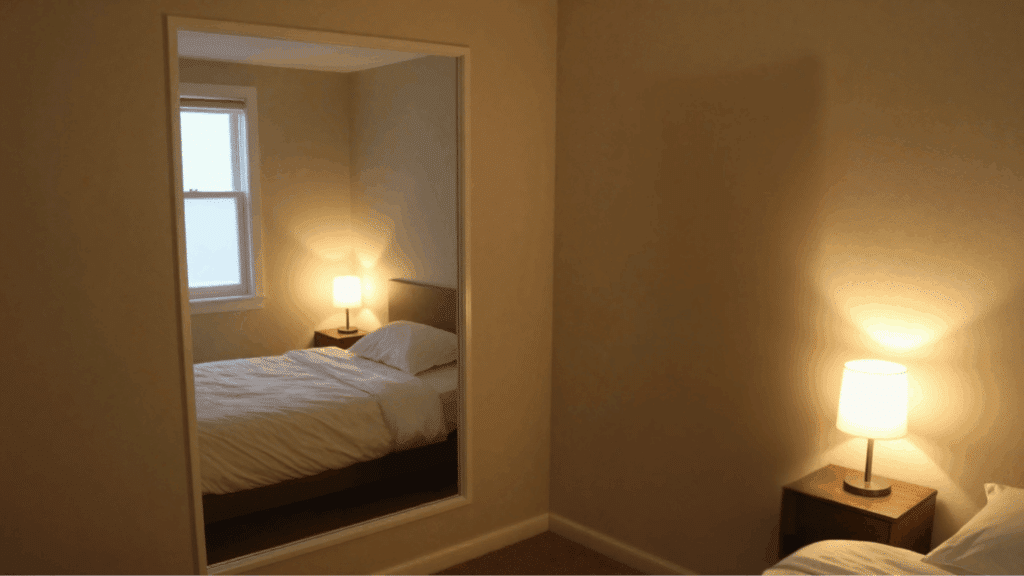
Mirrors bounce light around your room and make it feel bigger. Position them across from windows or lamps for the best effect.
Mirror placement:
- Full-length mirrors on closet doors
- Round mirrors above dressers
- Mirrored furniture for double impact
13. Light Neutral Wall Colors
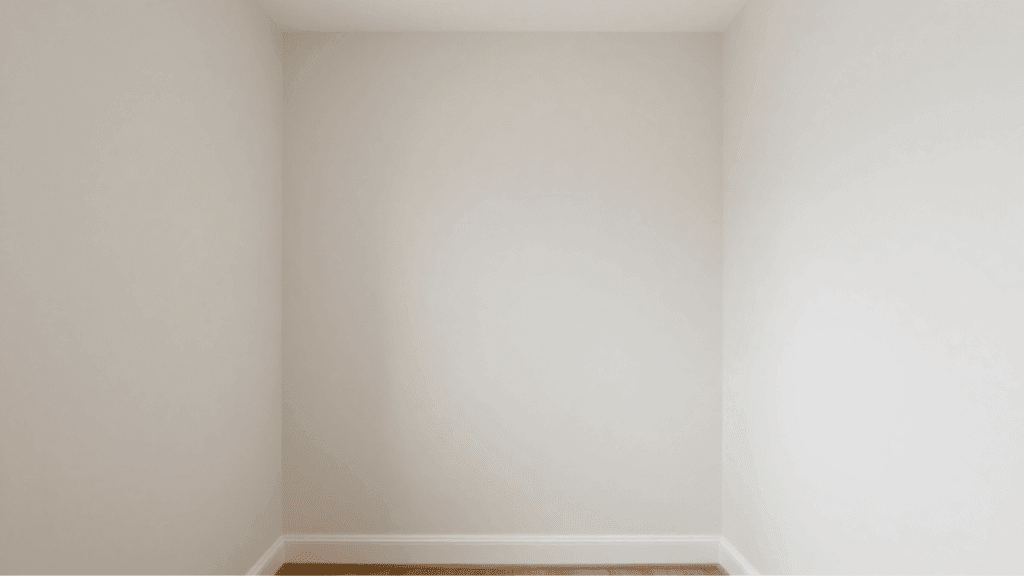
Soft whites, beiges, and grays reflect light better than dark colors. They make your tiny, very small bedroom ideas look more spacious and welcoming.
Color choices:
- Warm whites for cozy vibes
- Cool grays for modern looks
- Soft beiges for timeless appeal
14. Monochrome Palettes
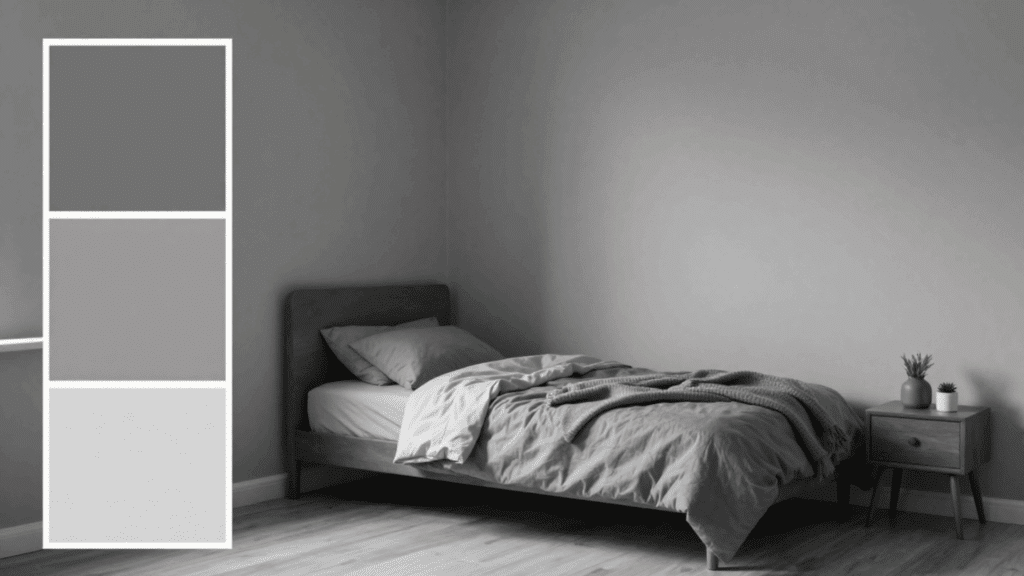
Using one color family throughout your room creates visual calm. Different shades of the same color look cohesive without feeling busy.
How to build your palette:
- Start with one base color
- Add three shades from light to dark
- Mix in textures for interest
15. Ceiling-Mounted Curtain Rods
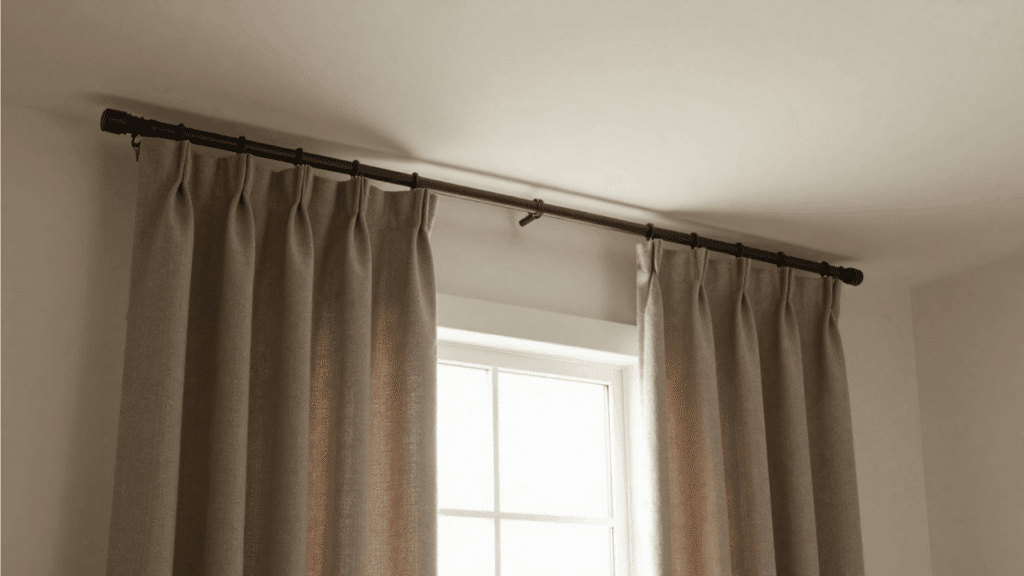
Hanging curtains near the ceiling makes walls look taller. This simple trick draws the eye up and creates the illusion of more space.
Hanging guidelines:
- Mount rods 2 to 4 inches below the ceiling
- Let curtains touch or puddle on the floor
- Choose vertical stripe patterns
16. Under-Bed Rolling Storage Bins
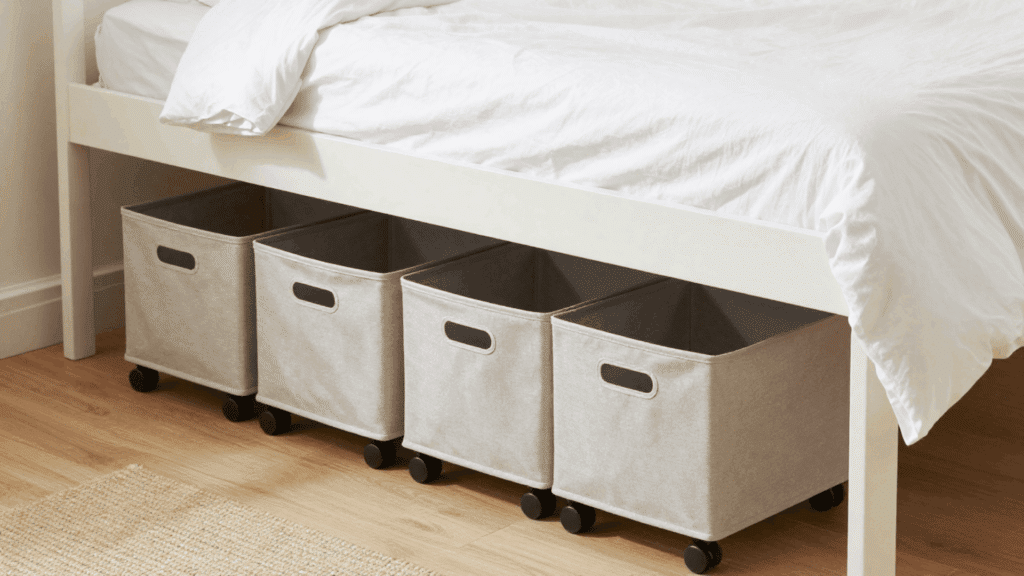
Rolling bins slide easily under your bed for quick access. They work great for off-season clothes, extra blankets, or shoes.
Container features:
- Clear sides to see the contents
- Wheels for smooth rolling
- Low profile to fit tight spaces
17. Narrow Storage Benches at the Foot of the Bed
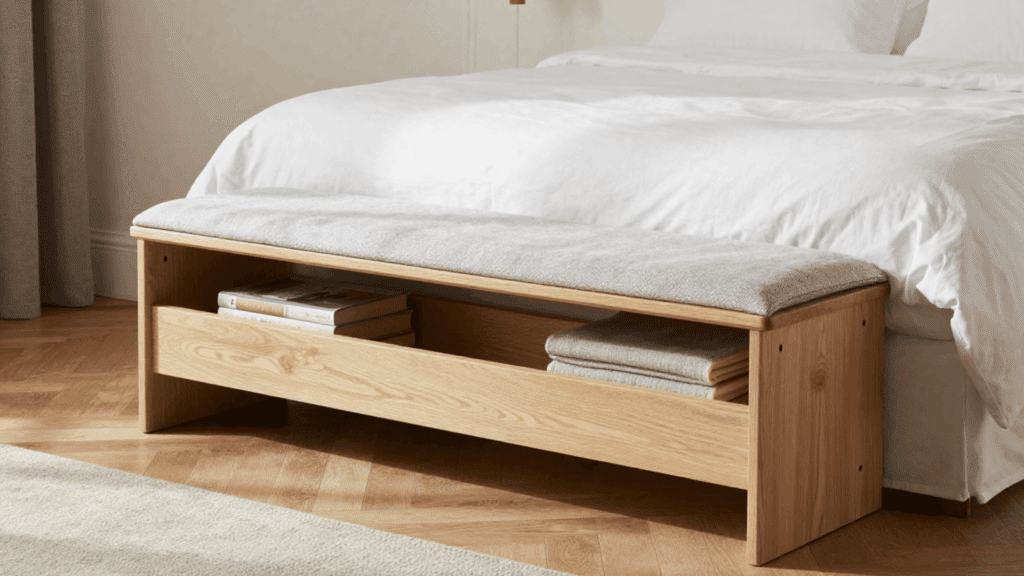
A slim bench adds seating and storage in one piece. Use it for extra blankets, pillows, or items you need daily.
Bench specs:
- Look for 12 to 15-inch depths
- Lift-top or drawer styles work best
- Match the bed frame finish
18. Fold-Down Wall Desks
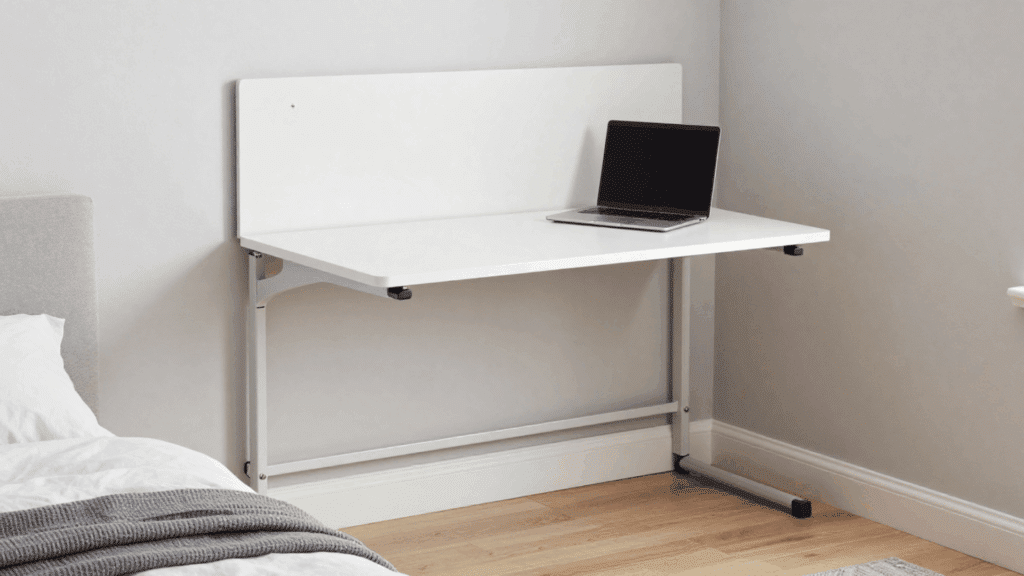
Wall-mounted desks fold up when not in use. They give you a workspace without permanently losing floor area.
Desk features:
- Built-in cord management
- Folds to 6 inches or less
- Can support a laptop and a lamp
19. Minimal or No Headboard Designs
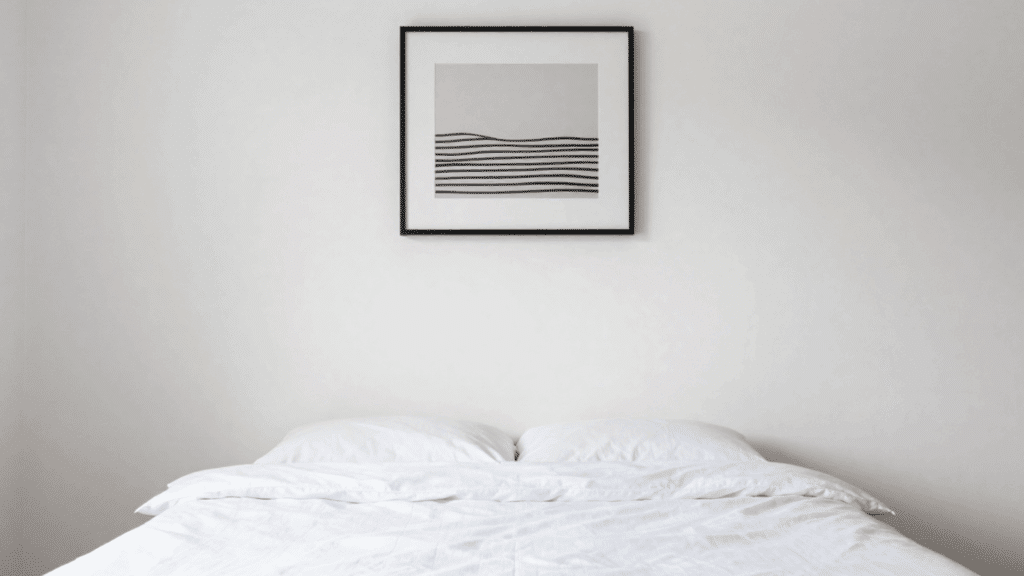
Skipping the headboard saves visual and physical space. Use wall art, paint, or decals to add interest behind your bed instead.
Alternatives to try:
- Large artwork or tapestry
- Painted accent wall
- Removable wallpaper panels
20. One Large Artwork
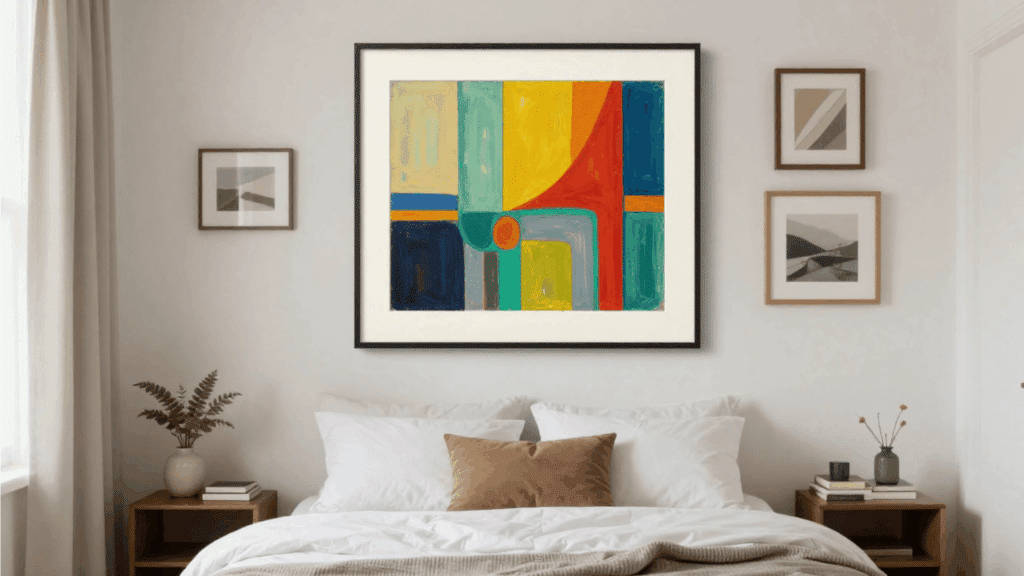
A single large piece looks cleaner than many small ones. It draws the eye without creating visual chaos on your walls.
Art sizing:
- Cover two-thirds of the bed width
- Hang the center 57 inches from the floor
- Leave 6 to 8 inches above the headboard
21. Properly Sized Area Rugs
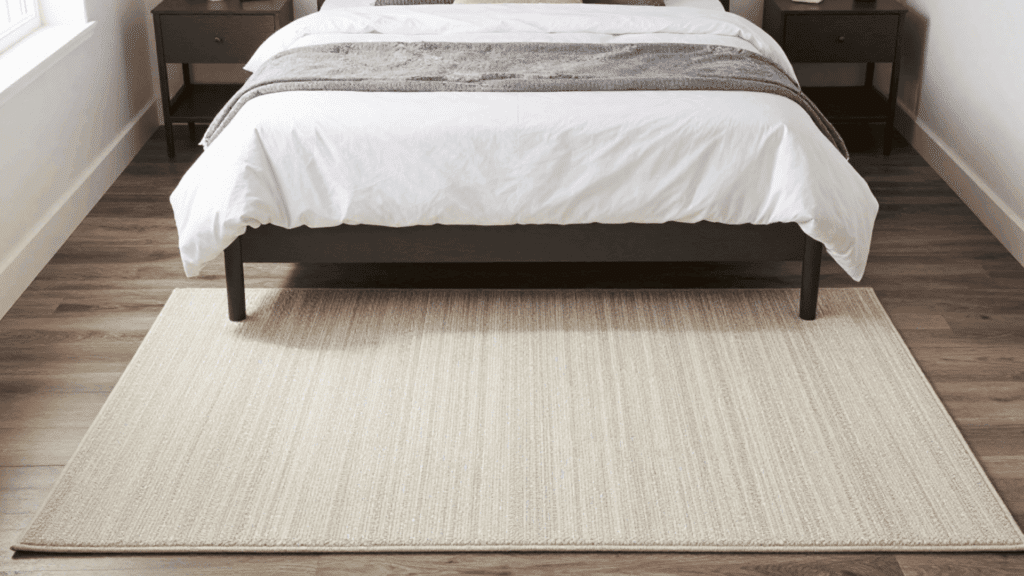
The right rug size makes furniture look intentional, not random. Your rug should extend at least 18 inches beyond each side of your bed.
Rug dimensions:
- Twin beds: 5×7 or 6×9 feet
- Full beds: 8×10 feet minimum
- Queen beds: 8×10 or 9×12 feet
22. Wall Hooks for Daily Essentials
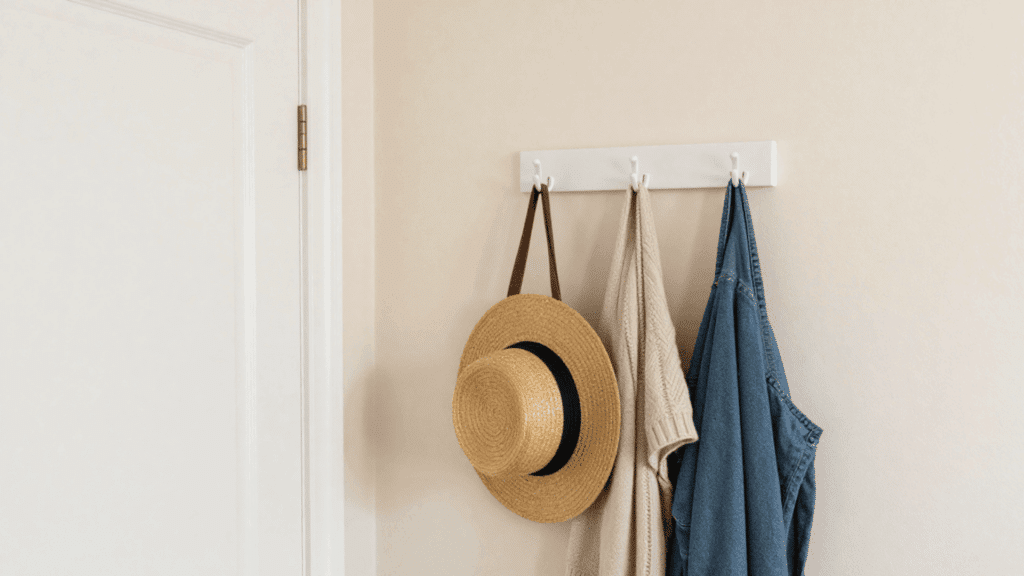
Hooks keep bags, robes, and jackets off your floor and furniture. They are easy to install and add function to empty wall space.
Hook placement:
- Behind doors for robes
- Near the entryway for bags
- Beside the bed for next-day outfits
23. Open Shelving as Nightstand Alternatives
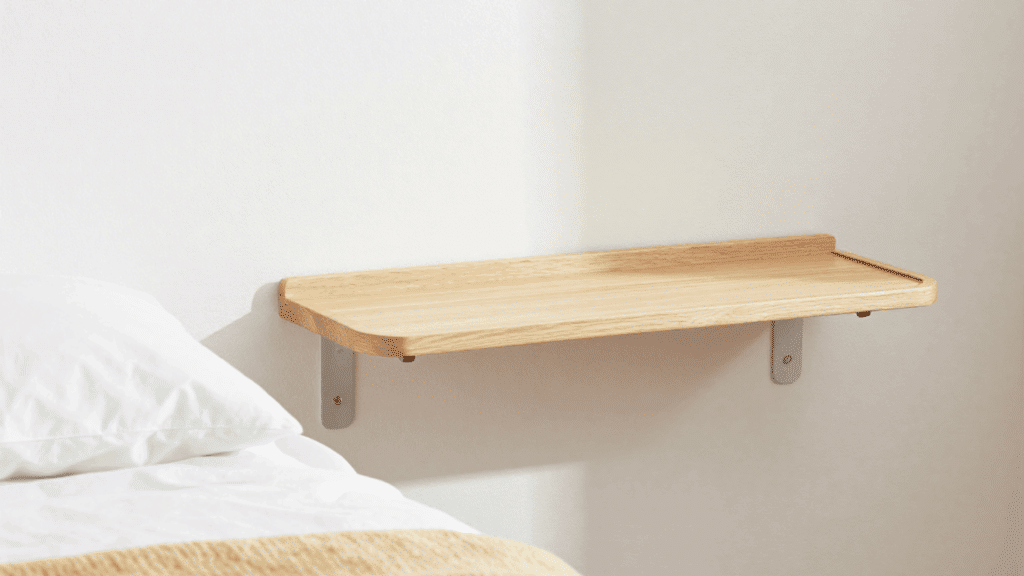
Open shelves work like nightstands but feel lighter. They hold your nighttime essentials while keeping the space feeling open.
Shelf setup:
- Mount at mattress height
- Keep 12 to 18 inches wide
- Add small baskets for hidden storage
24. Layered Lighting Using Wall and Ceiling Fixtures
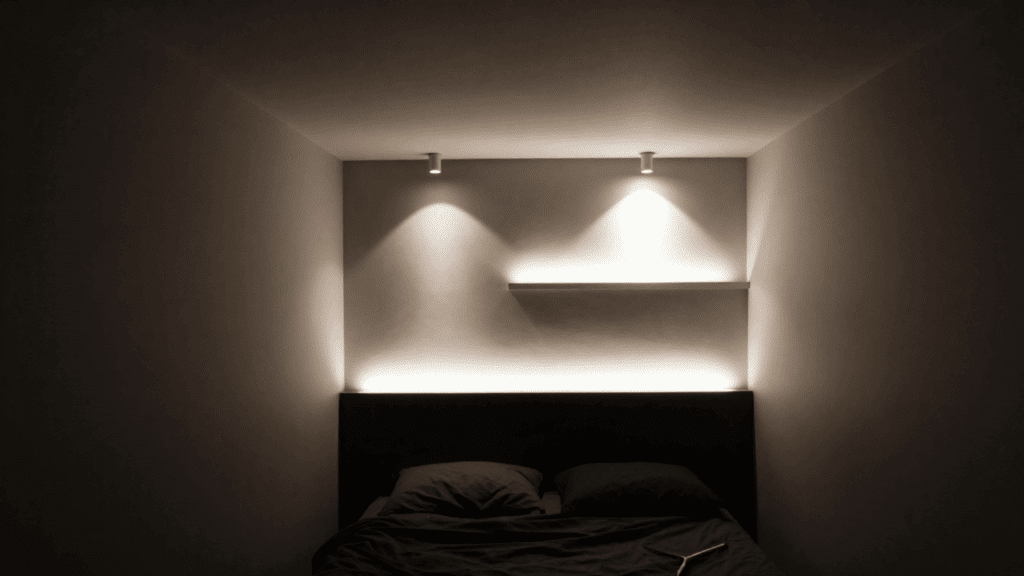
Multiple light sources make your room feel bigger and more functional. Mix overhead lights with wall sconces and task lighting.
Lighting layers:
- Ceiling fixture for general light
- Sconces for reading
- Small lamps for ambiance
25. Declutter Zones
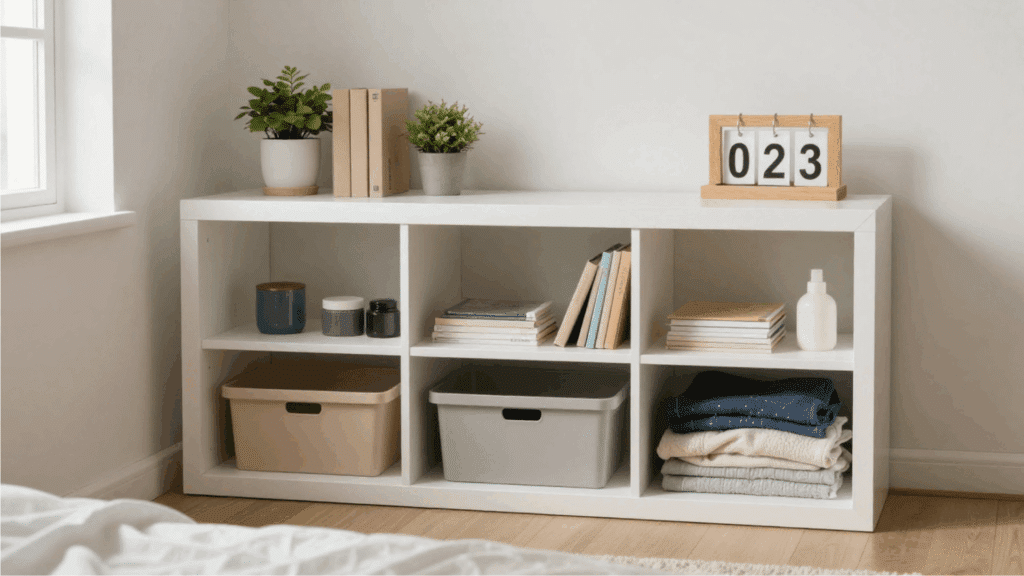
Creating specific zones for your belongings prevents mess from spreading. Give everything a home so your room stays organized.
Zone examples:
- Nightstand for bedtime items only
- Dresser top for morning routine
- Closet for clothing storage
26. Neutral Bedding Paired with Textured Accents
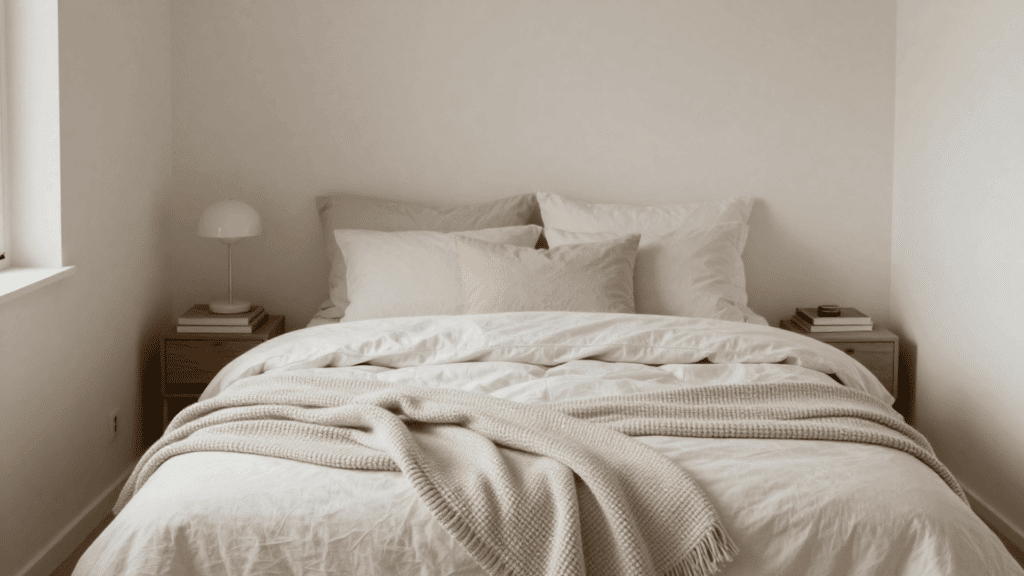
Neutral bedding keeps your room calm while textures add interest. Mix smooth, knit, and woven fabrics to create depth without color chaos.
Texture combinations:
- Linen sheets with a knit throw
- Cotton duvet with velvet pillows
- Waffle blanket with smooth shams
The Bottom Line
Making a small bedroom work for you is not about having more space.
It’s about using what you have more intelligently. These tiny bedroom ideas prove that good planning and the right furniture choices make a huge difference.
Start with one or two changes that solve your biggest problem. Maybe you need more storage, better lighting, or just clearer walkways. Pick what matters most to you right now.
Your bedroom should feel comfortable, not cramped. Which idea will you try first? Drop a comment below and share what’s working in your small space. We’d love to hear your tips, too.