
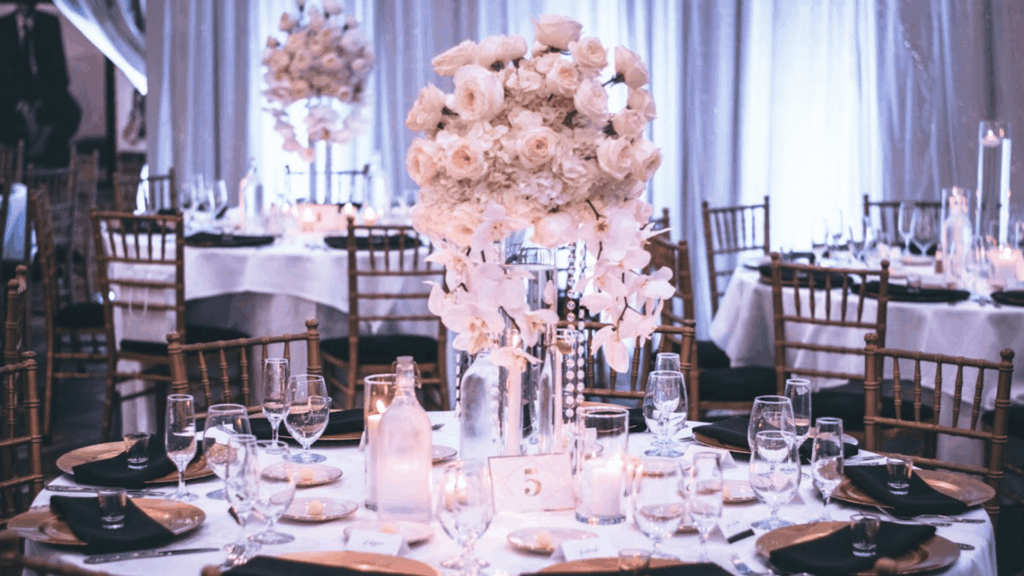
Wedding décor sets the mood before guests even find their seats. It hints at the vibe, guides people through the space, and makes photos feel intentional instead of random.
The best décor does not need to be expensive or complicated. It needs a clear plan, smart priorities, and details that make sense for the venue and the season.
For many couples, lighting becomes the “secret weapon” because it flatters faces and makes a room feel warm fast. That is where candles in bulk and bulk wedding candles often come up during planning, especially for reception tables, welcome areas, and ceremony aisles. Used thoughtfully, they can look high-end while staying practical.
Do Start With a Clear Décor Plan
Do decide on a simple visual direction before buying anything. Pick two or three anchor elements that will show up everywhere, like greenery, linen texture, or a metallic accent. When those anchors repeat across tables, signs, and ceremony décor, the whole event feels intentional. This also saves money because you stop impulse-buying pieces that do not match.
Do walk the venue with a “guest view” mindset. Notice sightlines, awkward corners, and areas guests naturally gather, like the bar, the guest book, and the entrance to the reception room. Those spaces deserve the most attention. A few well-designed moments beat a hundred scattered details.
Do create a quick checklist that covers the ceremony, cocktail hour, reception, and exits. Many décor issues happen because one part of the day gets forgotten. A simple plan prevents last-minute scrambling and keeps your setup team focused.
Don’t Overdecorate Every Surface
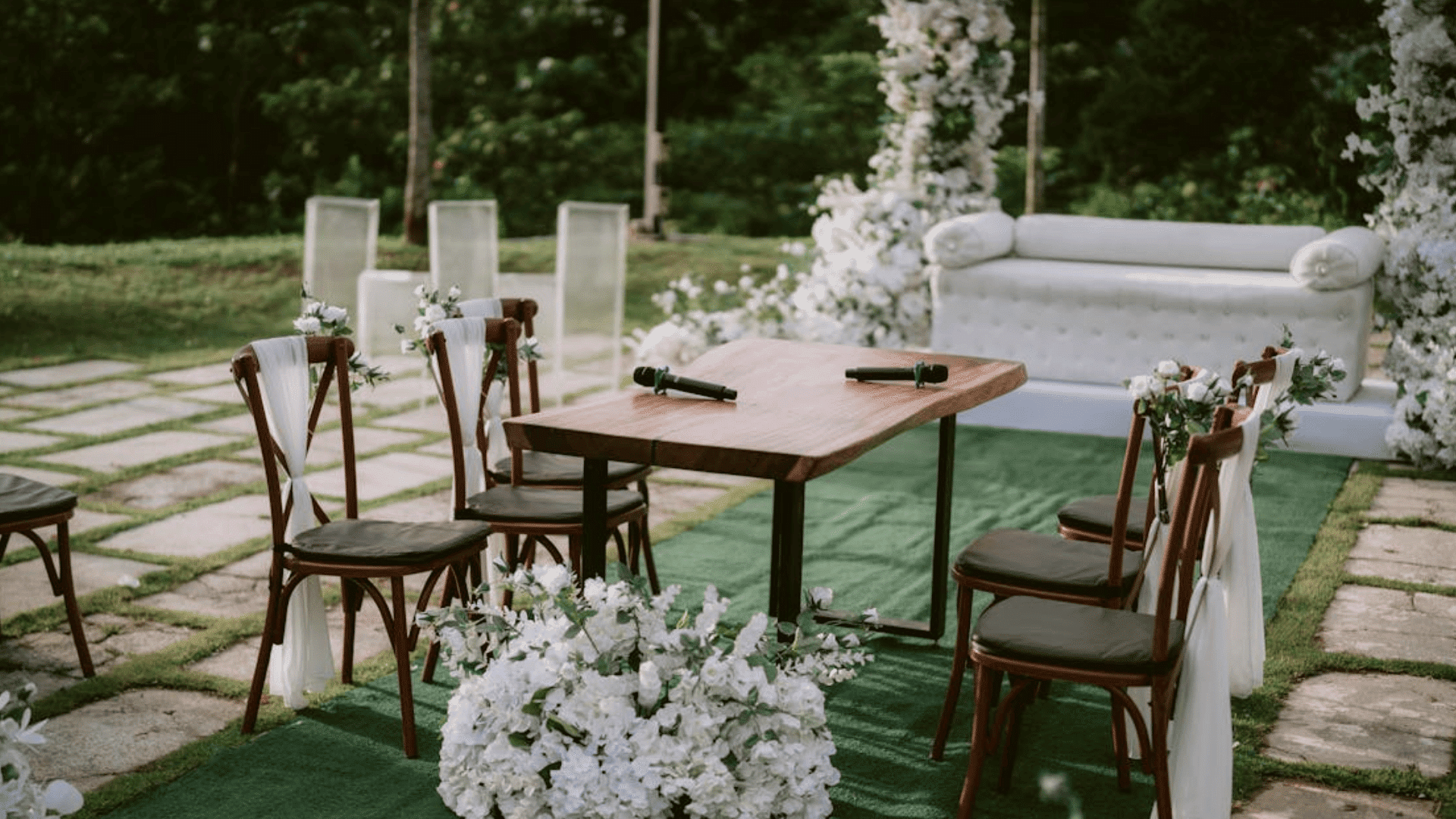
Don’t treat every table, wall, and ledge like it needs a statement piece. Too much décor makes a space feel busy and shrinks the room visually. Guests also need breathing room, especially at dinner. Empty space is not a failure. It is part of good design.
Don’t crowd tables with tall items that block conversation. If you want height, use it strategically, like on the sweetheart table or at the ceremony. For guest tables, keep most pieces low and easy to see across. People come to talk and laugh, not stare at the back of a floral arrangement.
Don’t forget practicality. Servers need room to set plates. Guests need space for glassware, phones, and purses. If a table looks perfect but functions poorly, it will feel stressful all night.
Do Use Lighting and Color to Control the Mood
Do think of lighting as décor. Soft lighting makes modest spaces feel romantic and polished. Harsh overhead lighting can flatten the room and make even expensive florals look less special. Ask the venue what can be dimmed, what can be turned off, and what can be added.
Do pick a color palette that matches the venue’s existing tones. If the room has warm wood, lean into warm neutrals, soft greens, and muted blush. If the venue is modern and white, you can go bolder with contrast. The goal is a palette that looks natural in the space, not forced.
Do test your colors under real lighting. A shade that looks perfect online can look neon under ballroom lights. Grab a linen swatch and a sample of your key floral color and check them at the venue if you can. That small step prevents big regrets.
Don’t Ignore Scale, Layout, and Guest Flow
Don’t choose décor without considering room size and ceiling height. A grand ballroom can swallow small arrangements. A cozy space can feel cramped with oversized pieces. Scale is the difference between “elegant” and “awkward,” and it often has nothing to do with budget.
Don’t block pathways with décor installations. A sign that sticks out into a walkway, a photo wall in a tight corridor, or a floral piece near the bar can create bottlenecks. Your guests should move easily from ceremony to cocktails to dinner. If people keep bumping into décor, it becomes a problem instead of a highlight.
Don’t forget chairs and spacing. Chairs take up more visual room than many people expect. If you have a bold chair style, simplify tables. If chairs are basic, table décor can do more work. Layout decisions shape how décor reads in photos and in person.
Do Choose Details That Photograph Well and Feel Personal
Do focus on a few “camera zones.” Think ceremony backdrop, sweetheart table, cake table, and the entrance moment. Those spots appear in many photos. When these areas are styled well, the entire wedding looks more polished in the album.
Do add personal touches that have meaning, not clutter. A small display of family wedding photos. A custom sign with a shared quote. Table names tied to favorite places. Personal details should feel intentional, not like a craft fair.
Do keep signage readable and consistent. Fonts should match the vibe and remain easy to read from a few feet away. If guests have to squint to find their table, the sign may look pretty, but it fails its job. Strong décor always balances beauty and function.
Don’t Let Décor Choices Create Safety or Setup Problems
Don’t use décor that becomes a hazard. Anything that tips easily, sheds glitter, or blows over outside can cause issues. If you plan outdoor elements, pick sturdy pieces and have a weather backup plan ready. Wind, heat, and surprise rain happen more often than couples expect.
Don’t overload your setup timeline. Big installations take longer than planners think, especially when a team has to unpack, place, and style everything. Build your décor plan around a realistic setup time. If you have limited venue access, choose fewer pieces with a bigger impact.
Don’t ignore cleanup. Ask who breaks down décor, when it must be removed, and what items the venue will not handle. Label boxes, assign tasks, and keep a simple packing plan. A smooth exit matters. It protects deposits, reduces stress, and makes the next morning feel a lot better.