


A family yard is much more than a place for outdoor play or weekend gardening. It is a living ecosystem where plants, insects, birds, soil organisms, and small wildlife interact every day.
Healthy outdoor spaces support biodiversity while creating an enjoyable environment for children and adults to explore. Learning how these natural connections work can help families make choices that benefit both their property and the surrounding environment.
Healthy Soil Supports Everything Above It
The foundation of every thriving yard is healthy soil. Earthworms, fungi, bacteria, and other microorganisms break down organic matter, recycle nutrients, and improve soil structure. These natural processes allow grass, flowers, shrubs, and trees to grow more successfully.
Adding compost, limiting unnecessary chemical use, and leaving grass clippings to decompose naturally can improve soil quality over time.
Healthy soil also retains moisture more effectively, reducing the need for frequent watering during warmer months. Teaching children about soil health helps them appreciate that many important parts of nature exist below the surface.
Plants Create Homes for Wildlife
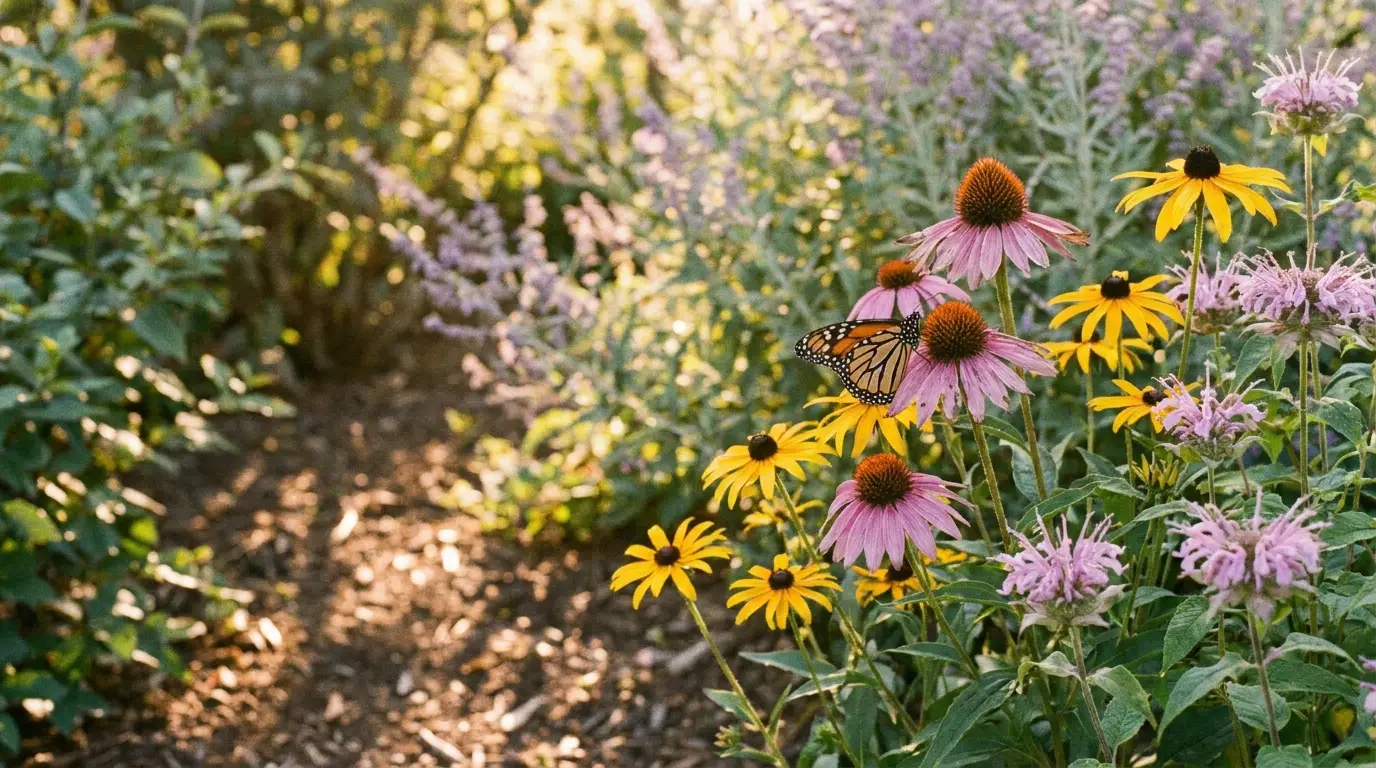
A variety of native plants encourages birds, butterflies, bees, and other beneficial pollinators to visit the yard. Flowering plants provide nectar, shrubs offer shelter, and mature trees create nesting opportunities for many species.
Plant diversity also helps maintain ecological balance by supporting insects that naturally control certain garden pests. Rather than relying entirely on chemical treatments, families can encourage beneficial wildlife that contributes to a healthier landscape. Seasonal blooms provide changing food sources that support wildlife throughout much of the year.
Water and Trees Play Important Roles
Water features such as birdbaths or small rain gardens provide resources for birds and beneficial insects while helping manage rainwater. Keeping water clean and refreshed regularly supports healthier conditions for visiting wildlife.
Trees contribute in many ways by producing shade, reducing soil erosion, improving air quality, and creating habitat for birds and small mammals.
Regular inspections and appropriate maintenance help trees remain healthy for decades. When larger pruning or health concerns arise, professional tree care services can help preserve mature trees while reducing safety risks around the home.
Learning Together Outdoors
A thriving yard offers valuable learning opportunities for children and families. Observing butterflies, identifying birds, planting flowers, or watching seasonal changes encourages curiosity about nature and environmental stewardship.
Simple family activities such as planting pollinator-friendly gardens, building birdhouses, or keeping a nature journal help children develop a stronger connection with the outdoors. These experiences also encourage patience, observation, and respect for living things.
Every yard contains an interconnected community of plants, animals, and microorganisms working together. Supporting healthy soil, diverse vegetation, clean water, and thriving trees creates benefits that extend beyond property lines.
Families who care for their outdoor spaces help strengthen local ecosystems while creating a welcoming environment where children can learn, explore, and enjoy nature close to home. Look over the infographic below for more information.