
Most people think kitchens change when you replace cabinets, upgrade appliances or repaint walls. Yet the way you actually use the room often shifts because of something much smaller. A single accessory can alter behavior more than a renovation ever does. Not by adding decoration, but by changing how comfortable you feel staying in the space.
The Difference Between Visiting and Settling
There are two ways people move through a kitchen. Sometimes you enter briefly, complete a task and leave quickly. Other times you linger, prep slowly, taste often, and talk while working.
The room itself hasn’t changed. What changed is your willingness to stay. When you feel protected from mess, heat and interruption, you settle. When you feel cautious about spills or clothing, you rush. The accessory that removes that caution quietly reshapes your routine.
Freedom Creates Better Cooking
Cooking improves when attention remains on food rather than surroundings. Small worries interrupt rhythm:
- Avoiding splashes
- Protecting clothes
- Searching for somewhere to wipe hands
- Stepping away to clean repeatedly
Each interruption breaks flow. The more often you leave the task, the less natural the process feels. An accessory that absorbs those concerns keeps you present. Instead of managing the environment, you manage the meal.
Why Protection Changes Behavior
Protection does more than prevent stains; it alters posture and pace. People lean closer to pans, move faster between steps and attempt more complex preparation when they feel safe doing so.
Without protection, the kitchen becomes a careful space. With it, the kitchen becomes an active one. That shift transforms the room from a place you pass through into a place you inhabit.
The Value of Immediate Utility
Some kitchen items help occasionally. Others help constantly. The most influential accessory is one used from the moment you start until the moment you finish.
Good design matters here. Fabric weight, pocket placement and tie positioning determine whether it supports movement or interrupts it. Practical items like restaurant aprons crafted for performance exist because long tasks demand reliability. They hold tools, handle heat, and remove the need to step away repeatedly. Instead of adapting your movements, your movements stay natural.
The Social Effect
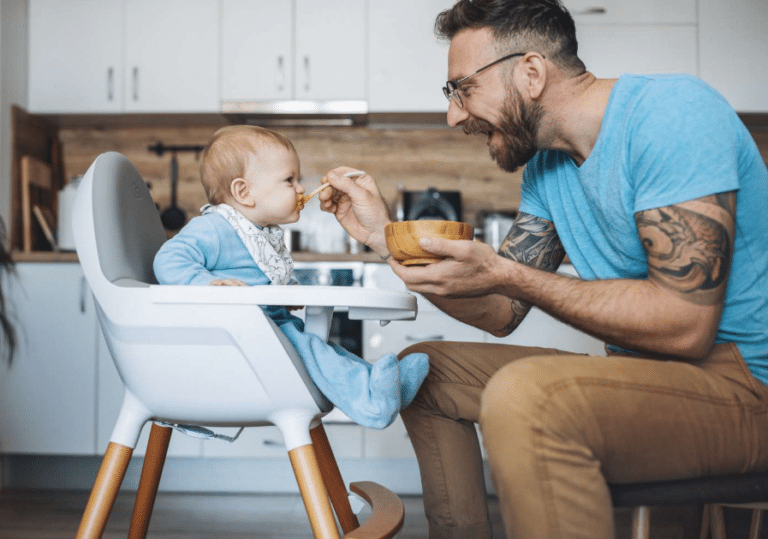
Interestingly, when one person becomes comfortable in the kitchen, others join. A protected cook stays longer, conversations continue nearby, and the room shifts from workspace to gathering place. People gravitate toward activity that looks effortless. The accessory doesn’t just help the cook; it invites participation.
Small Change, Different Room
Nothing structural has moved. The counters remain the same. The layout stays identical. Yet the room behaves differently because the user behaves differently. You chop more slowly. You experiment more. You stay longer. The kitchen didn’t gain space; it gained ease.
Why It Matters
We often chase bigger improvements when daily comfort depends on smaller ones. The accessory that removes hesitation gives the room purpose. It turns preparation into presence.
A kitchen becomes central to a home not when it looks impressive, but when people stop thinking about leaving it.