

The wellness conversation aimed at women has finally grown up. The era of rigid routines and perfection pressure is fading, replaced by practices that respect time, energy, budgets, and real life.
What is gaining traction now is not about extremes or reinvention. It is about consistency that fits into workdays, family schedules, changing bodies, and shifting priorities.
These are wellness trends women are able to sustain because they work with real life instead of fighting it. For those looking to support this long-term approach, a thoughtfully curated wellness collection can bring together essentials that make daily self-care and healthy habit building easier — from supplements and recovery tools to mindfulness aids.
A Shift Toward Movement That Feels Supportive
Exercise has stopped trying to be impressive. That alone has changed everything. Many women are gravitating toward movement that feels restorative instead of punishing, workouts that deliver benefits without requiring mental hype or physical burnout.
Walking remains a quiet favorite, as do Pilates, swimming, and strength training done at a sane pace. The appeal is not aesthetics. It is joint health, posture, bone density, and stress relief.
This mindset has also made space for saunas, which offer a full body benefit without demanding more from already packed schedules. For many women searching for gyms with a sauna near me, a workout followed by heat therapy feels like care rather than obligation. The heat supports muscle recovery, encourages relaxation, and gives the nervous system a reason to settle down.
When wellness feels rewarding in the moment, not just virtuous afterward, it becomes something women return to without forcing themselves.
Food Choices That Support Energy Instead of Control
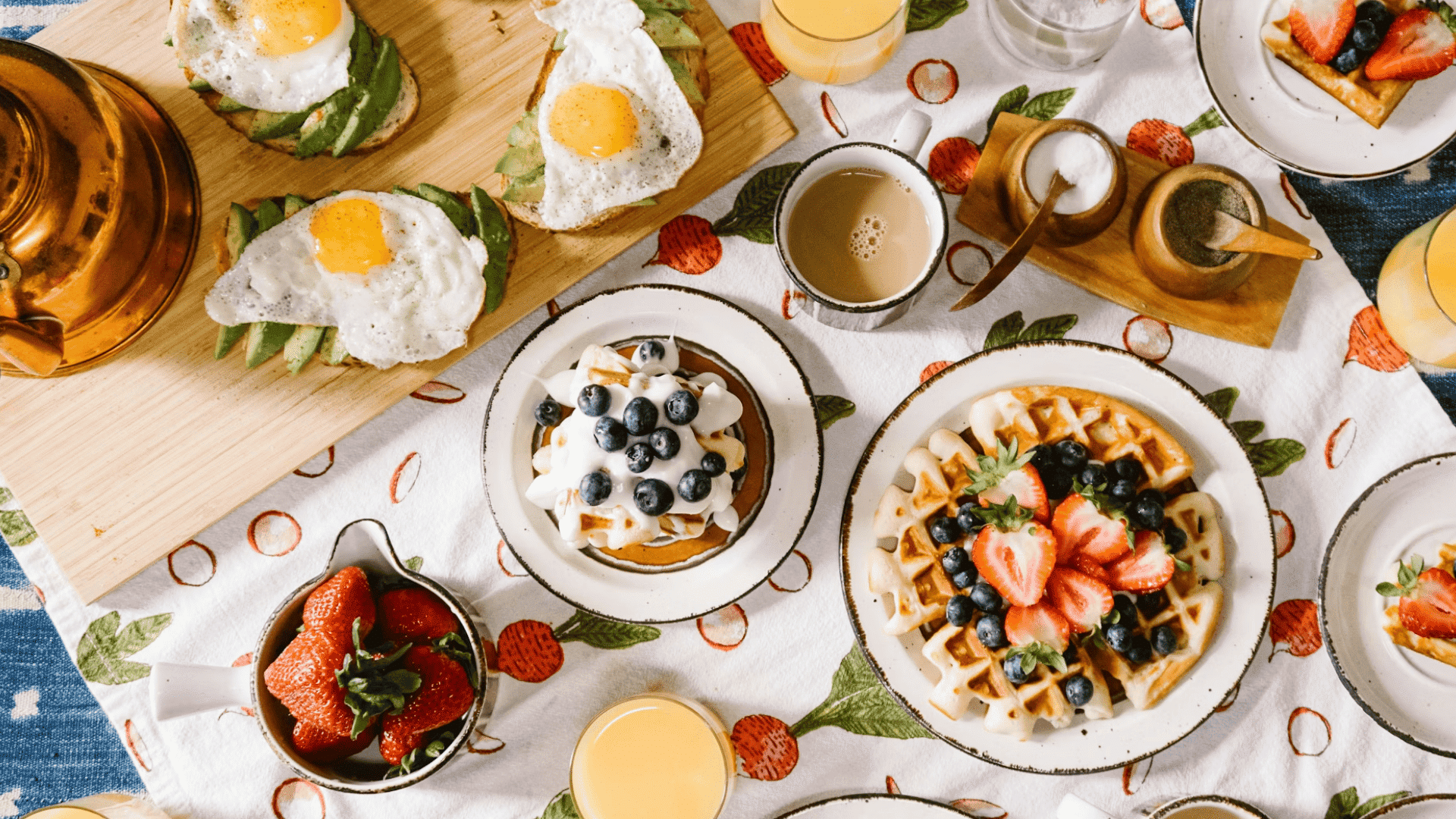
Nutrition has quietly moved away from rules and toward functionality. Instead of obsessing over what to eliminate, many women are focused on what helps them feel steady through long days.
That includes prioritizing protein at breakfast, choosing carbs that support energy instead of spikes, and eating in ways that feel grounding rather than restrictive.
This approach removes guilt from the equation. When food is framed as fuel and comfort rather than a test of discipline, consistency becomes easier. Meals become something that supports work, parenting, creativity, and health rather than something to manage or negotiate with. Sustainability comes from nourishment that fits daily life, not from plans that require constant vigilance.
Rest As A Skill, Not A Luxury
Sleep and recovery have become serious topics, and for good reason. Women are increasingly aware that chronic exhaustion undermines everything else, from focus to mood to metabolic health. The conversation has expanded beyond hours slept to how rest actually feels.
Evening routines that signal the body to slow down are becoming common. Dimming lights earlier, stepping away from constant notifications, and keeping bedtime consistent during the week all support deeper rest. Recovery is no longer framed as indulgent. It is treated as maintenance, the kind that keeps everything else working.
Supplements Used With Intention, Not Hype
Supplement culture has cooled down in a good way. Instead of chasing trends or miracle powders, women are approaching supplementation with discernment. The focus is on filling gaps, supporting digestion, managing stress, and maintaining energy through demanding seasons.
This is where superfood supplements have found a steadier place. Used thoughtfully, they support nutrition rather than replace it.
Greens blends, omega rich powders, and adaptogenic formulas are chosen based on how they make someone feel over time, not on flashy promises. The sustainable shift is subtle. It favors consistency, transparency, and listening to the body over dramatic claims.
Mental Health Practices That Fit Into Daily Life
Mental wellness is no longer limited to long meditation sessions or expensive retreats. Women are adopting practices that integrate into daily routines without requiring silence or perfection.
Short breathing exercises, journaling a few lines at night, and setting realistic boundaries around work hours all count.
Therapy remains part of the picture for many, but so does self awareness built through everyday habits. Learning to recognize stress patterns, noticing physical tension, and allowing for emotional variability without judgment creates resilience. These practices last because they do not demand transformation. They support steadiness.
Wellness That Honors Changing Bodies
One of the most meaningful shifts is how wellness now accounts for hormonal changes, aging, and evolving needs. Women are no longer expected to follow the same routines they did at twenty five. There is growing respect for how bodies change and what they need in different phases.
This shows up in gentler workouts, flexible eating schedules, and more patience around energy levels. Wellness becomes adaptable rather than rigid. That flexibility is what allows it to last. When routines evolve with the body instead of fighting it, they remain relevant year after year.
Sustainable wellness is not about doing more. It is about choosing practices that quietly support daily life without demanding constant effort or self-discipline. When care feels practical, grounding, and forgiving, it stops being a project and becomes part of how women live.