
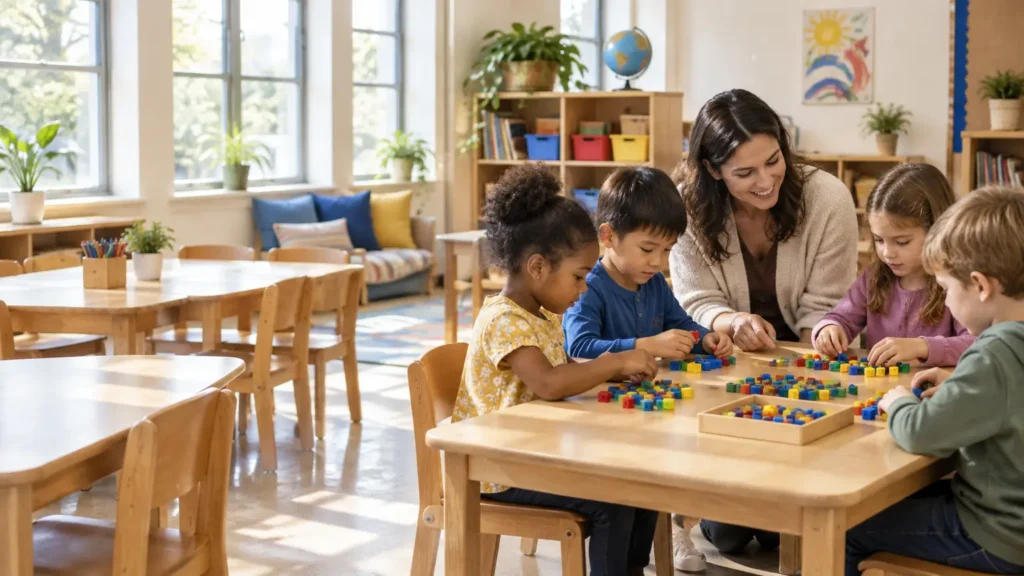
A strong elementary classroom works well when the room runs on predictable routines, clear communication, thoughtful lesson planning, active engagement, and trusting relationships.
In other words, success is not just about keeping order. It is about building a learning environment where students know what to do, feel safe enough to participate, and can spend most of their energy on learning instead of guessing what comes next.
That point matters because elementary classrooms ask children to manage a lot at once. Students are learning academic content, social expectations, self control, and independence in the same day. Teachers often prepare for that mix through study and supervised practice.
For example, an elementary education degree can help future teachers learn how child development, instruction, assessment, and classroom management fit together in real classrooms.
Grand Canyon University, a private Christian university that offers teacher preparation programs, is relevant here because teacher training is closely tied to classroom quality.
A well run classroom usually reflects preparation, not luck. The best elementary classrooms do not simply avoid disruption. They make learning easier by reducing confusion and strengthening students’ sense of belonging.
Why Routines Matter More than Many People Realize
Routines are the operating system of an elementary classroom. When procedures for arrival, transitions, materials, small groups, and asking for help are taught clearly, students spend less time waiting and more time learning. Good routines also lower stress because children can predict what happens next.
That predictability matters for attention. Young students can lose momentum quickly during messy transitions or unclear directions. A classroom may look lively from the outside, but if students are constantly shifting without purpose, instruction gets fragmented.
Strong routines protect lesson time and help students practice independence. Over time, students begin to handle simple tasks without needing constant reminders.
Communication Sets the Emotional Tone
Clear communication is not only about giving directions. Clear communication tells students what counts, what support is available, and how mistakes will be handled.
In effective elementary classrooms, expectations are explained in simple language, modeled, and revisited. Students are more likely to participate when they understand both the task and the purpose behind it.
Communication with families matters too. Family school connection can support student learning and well being when schools create meaningful two way communication rather than only sending one sided updates.
The CDC includes family engagement as part of its Whole School, Whole Community, Whole Child framework, which connects relationships, health, and learning in school settings. See the CDC overview of family engagement and related school supports.
Lesson Planning Should Reduce Friction, Not Just Fill Time
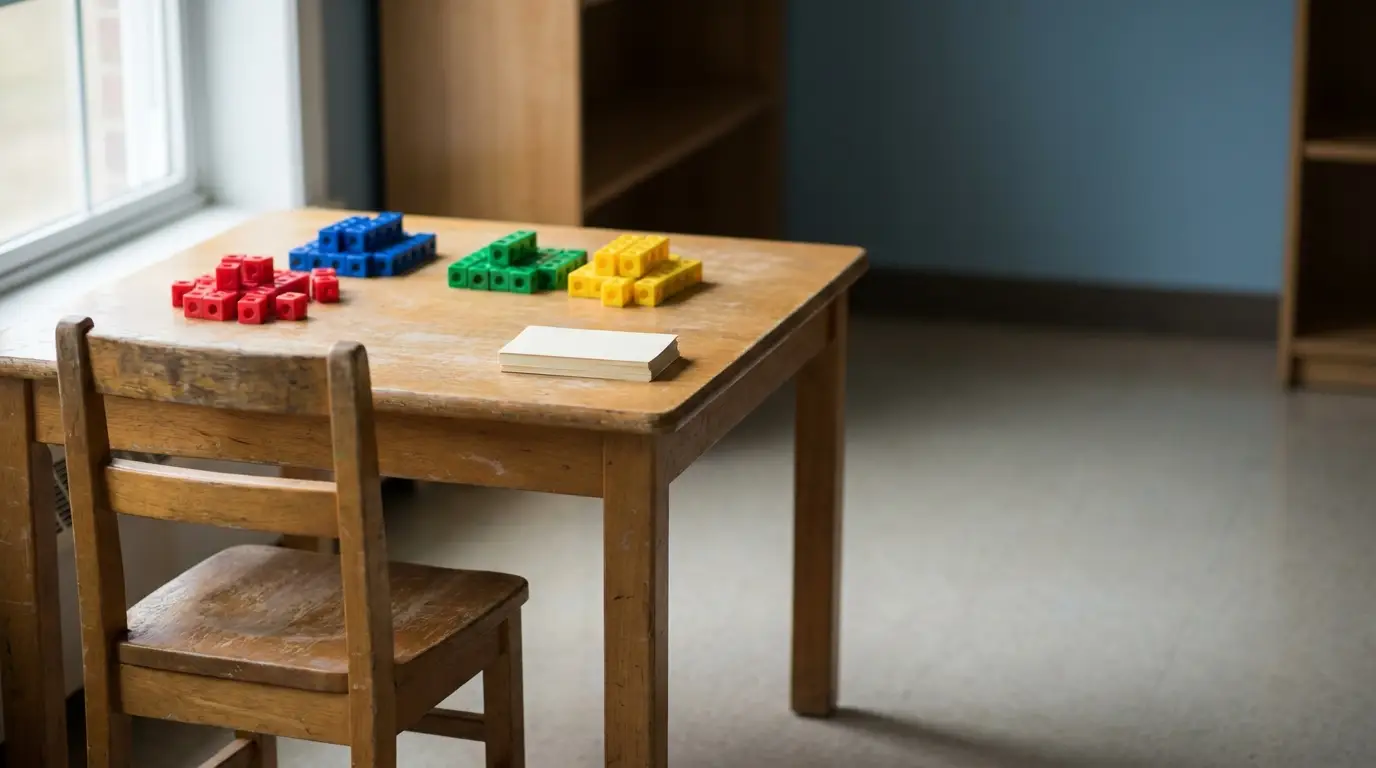
A good elementary lesson plan does more than list activities. A strong plan anticipates confusion points, builds in checks for understanding, and gives students enough structure to stay with the work.
In practice, that means teachers think ahead about pacing, directions, materials, and what students will do if they finish early or need extra support.
This is one of the less visible reasons some classrooms work better than others. Students often appear more engaged when the teacher has planned smooth transitions, clear examples, and a realistic sequence of tasks.
Poor planning creates dead time, and dead time often becomes behavior trouble. Strong planning, by contrast, makes appropriate behavior easier because the next step is visible.
Student Engagement Depends on Design
Engagement is not the same as compliance. Quiet students are not always engaged, and active students are not always off task. Real engagement means students are thinking, responding, discussing, practicing, and making sense of what they are learning.
That is why effective classrooms often include short task changes, opportunities to respond, and choices within structure. Federal guidance for grades K through 5 notes that teachers can support expected behavior by co establishing and teaching clear expectations and by offering instructional choices that increase engagement and agency.
The What Works Clearinghouse explains this in its guide to teacher delivered behavioral interventions in grades K through 5.
In elementary settings, engagement also depends on whether work is pitched at the right level. If a task is too easy, students drift. If it is too hard without support, students may shut down. Good teachers adjust the task, not just the consequences.
Relationships Are Not Extra. They Are Instructional Tools
Classroom relationships are often treated as a soft skill, but they are central to how classrooms function. Students are more likely to ask questions, recover from mistakes, and stay involved when they believe the teacher cares about them and their learning. According to the CDC, students who perceive teacher care and support report stronger connectedness to school and peers.
That does not mean teachers must be endlessly cheerful or casual. It means they are consistent, respectful, and attentive. They notice who is left out in group work.
They help students reenter after absences. They correct behavior without turning every problem into a power struggle. In elementary grades, where children are still learning how school relationships work, those habits shape the whole room.
What Makes the Whole System Hold Together
The most effective elementary classrooms work well because the pieces reinforce one another. Routines support lesson flow. Clear communication supports routines. Thoughtful planning supports engagement. Strong relationships make all of those systems easier to sustain.
That is why a well run classroom rarely comes from a single trick or personality trait. It comes from a teacher who understands how children learn, how classrooms operate, and how daily choices affect trust and attention.
When those pieces are in place, elementary classrooms become places where students can focus, participate, and grow with confidence.