
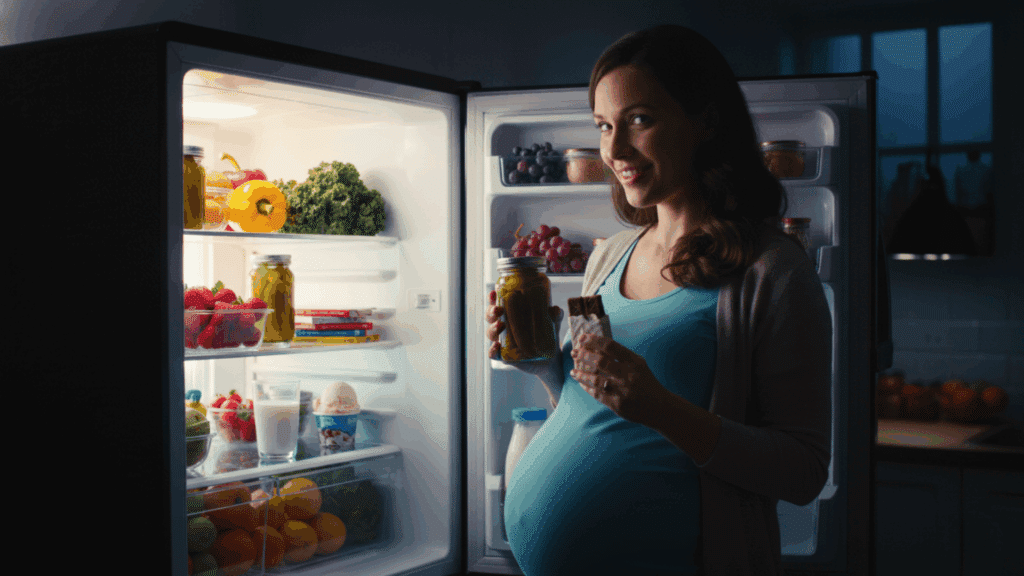
Midnight ice cream runs. Pickles straight from the jar. That sudden need for French fries at 9 AM.
Sound familiar? Pregnancy cravings can feel confusing and sometimes a little wild. You might wonder when they actually start or why you suddenly want foods you never cared about before.
Maybe you’re craving combinations that make everyone raise their eyebrows. These intense food desires are completely normal, but understanding them helps you handle them better.
In this guide, we’ll cover when pregnancy cravings typically begin, what causes them, which foods women crave most often, and how to manage them in a healthy way.
Plus, we’ll clear up some common myths about cravings you’ve probably heard before.
What Are Pregnancy Cravings?
Pregnancy cravings are intense urges to eat specific foods that go beyond regular hunger.
Unlike normal hunger, which can be satisfied with any meal, cravings make you want one particular food right now.
You might suddenly need pickles at midnight or crave ice cream even after a full dinner. Some women also experience the opposite: pregnancy aversions.
These are strong dislikes for foods they once enjoyed. Both cravings and aversions are common parts of pregnancy that many women experience.
When Do Cravings Start in Pregnancy?
If you’re waiting for cravings to hit, the timing varies for every woman. Let’s break down when you might start experiencing those intense food desires.
Early Pregnancy
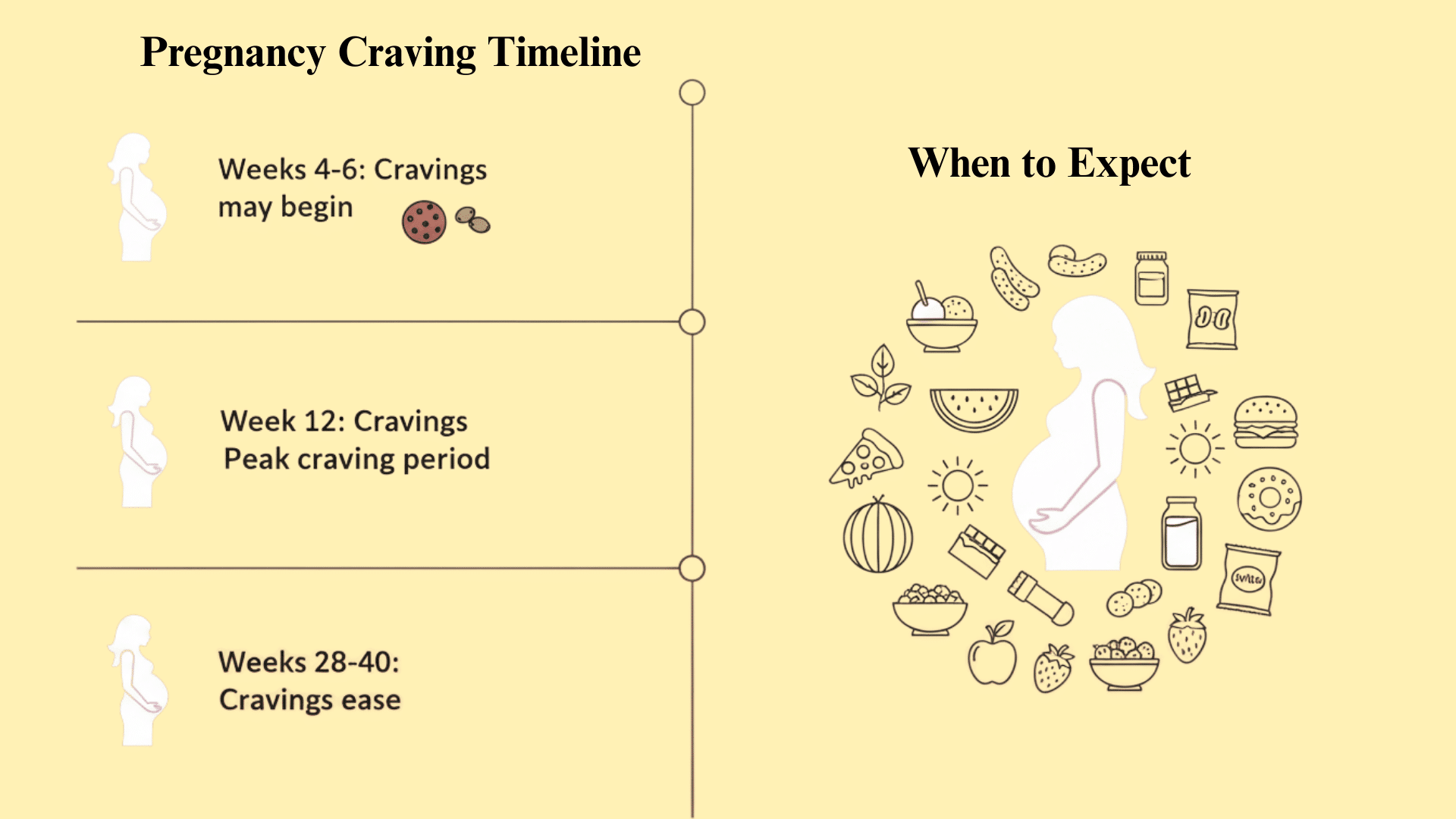
For some women, cravings can begin as early as week 4 to 6. These early cravings often appear alongside other pregnancy symptoms like nausea and fatigue. However, not everyone experiences cravings this early in pregnancy.
End of First Trimester
Most pregnant women start noticing stronger cravings around week 12. This happens as pregnancy hormones continue to rise and fluctuate. Your body is adjusting to major changes during this time.
Second Trimester
Cravings often reach their peak during the second trimester. Many women report the strongest and most frequent food desires during these weeks. This is when you might find yourself craving unusual food combinations.
Third Trimester
Cravings may start to ease up as you enter the third trimester. Some women continue having strong desires for certain foods, while others notice their cravings become less intense. Every pregnancy is different in this phase.
Timeline Summary:
| Stage | Craving Onset |
|---|---|
| Early Pregnancy | Weeks 4–6 (Variable) |
| End of First Trimester | Around Week 12 |
| Second Trimester | Peak period (13–27) |
| Third Trimester | Eases or continues (28–40) |
Types of Foods Craved During Pregnancy
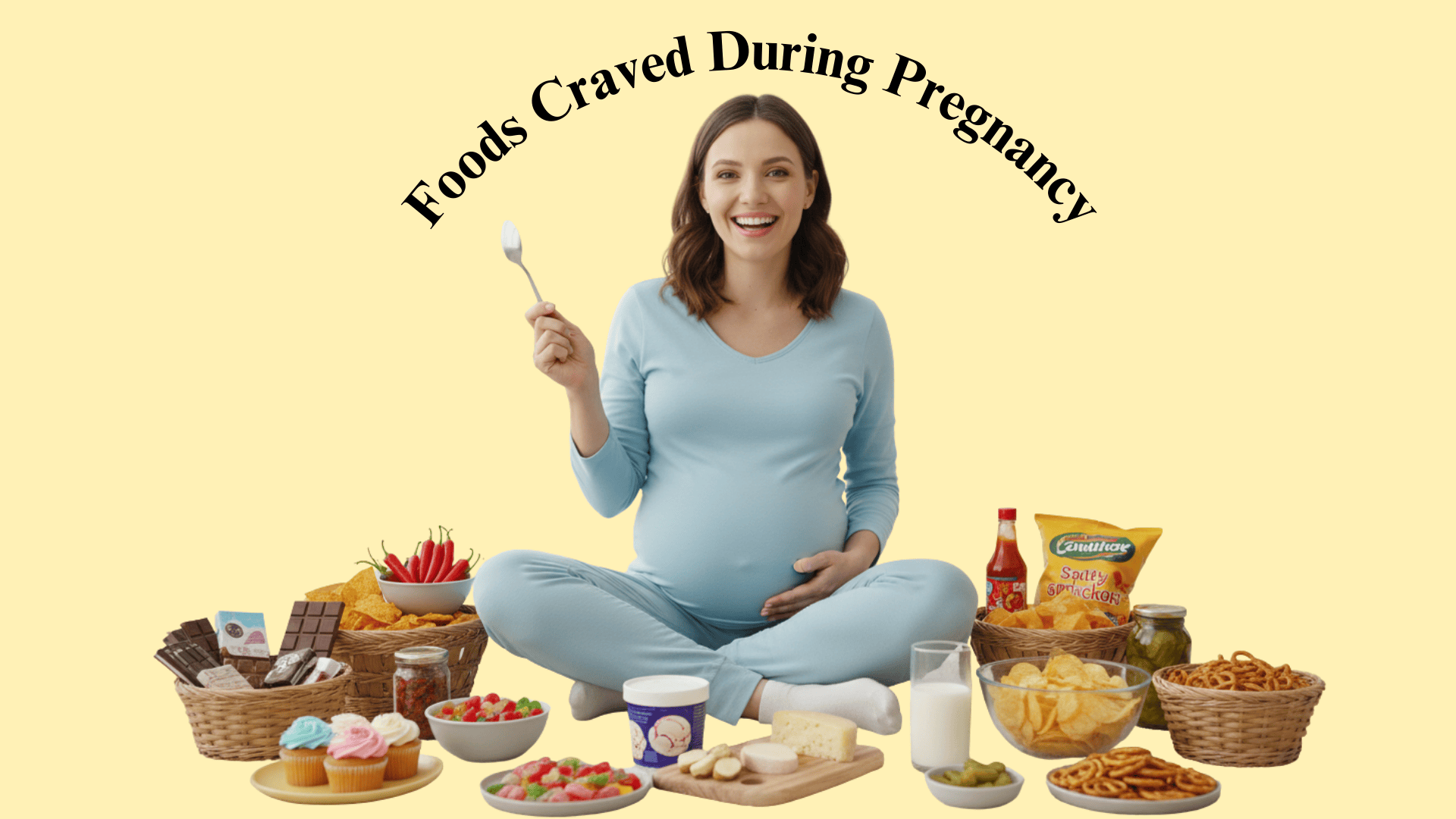
Pregnancy cravings vary widely from woman to woman. Here are the most common types of foods that pregnant women crave.
1. Sweet Cravings
Many pregnant women develop a strong desire for sugary treats during pregnancy. These cravings often feel strongest during the second trimester. Your body might be seeking quick energy from sugar during this time.
Common sweet cravings include: Chocolate, ice cream, cakes, candies, cookies, donuts
2. Salty & Savory Cravings
Salty foods are another common pregnancy craving that many women experience. The desire for salt can be intense and happen at any time. These savory options provide the sodium and flavor your taste buds want.
Common salty cravings include: Pickles, chips, French fries, pizza, pretzels, salted nuts
3. Dairy & Carbohydrates
Cravings for dairy products and carb-heavy foods are very common in pregnancy. These foods provide comfort and might indicate your body needs more calcium and energy. Creamy and starchy foods feel satisfying during this time.
Common dairy and carb cravings include: Cheese, milk, yogurt, bread, pasta, rice
4. Spicy & Tangy Cravings
Some pregnant women suddenly love spicy and tangy foods they never enjoyed before. The intense flavors seem more satisfying during pregnancy. Sharp and sour tastes can also help with nausea.
Common spicy and tangy cravings include: Spicy foods, hot sauces, citrus fruits, lemons, vinegar-based foods
5. Unusual Combinations
Pregnancy can create truly unique food pairings that sound strange to others. These odd combinations might seem bizarre, but taste perfect to you. Your changing taste buds make these pairings work in ways they never did before.
Common unusual combinations include: Ice cream with pickles, fruit with salt, peanut butter with pickles, cheese with jam
Why Do Pregnancy Cravings Happen?
Now that you know when cravings start, you’re probably wondering what causes them. Let’s look at the science and theories behind those sudden food desires.
| Cause | How It Works |
|---|---|
| Hormonal Changes | Estrogen and progesterone alter taste, smell, and appetite |
| Sensory Shifts | Heightened senses make foods more appealing or repulsive |
| Nutritional Changes | Possible link to iron, calcium needs (evidence not conclusive) |
| Psychological Factors | Stress, comfort eating, and cultural influences affect desires |
| Expert Insight: Most obstetricians confirm that hormone fluctuations are the primary cause of pregnancy cravings. Registered dietitians recommend listening to your body but maintaining balanced nutrition throughout pregnancy. |
When Pregnancy Cravings Go Beyond Food (Pica)
Pica is a condition where pregnant women crave and eat non-food items like dirt, clay, ice, chalk, or laundry starch. This goes beyond normal food cravings and can be harmful to both mother and baby.
Pica often signals iron or zinc deficiency in your body. If you find yourself wanting to eat non-food substances, talk to your healthcare provider right away.
They can check your nutrient levels and help address the underlying cause. Never ignore these unusual cravings, as eating non-food items can lead to serious health problems.
What Happens If You Ignore Pregnancy Cravings?
Should you give in to every craving or fight them off completely? The answer lies somewhere in between, and here’s why balance matters.
- Cravings Are Usually Harmless: Most pregnancy cravings are normal and safe to satisfy in moderation.
- Nutritional Impact: Ignoring all cravings might leave you feeling unsatisfied and affect your overall nutrition.
- Risk of Overconsumption: Giving in to every craving can lead to excessive weight gain or nutritional imbalances.
- Health Complications: Over-indulgence in unhealthy foods might increase the risk of gestational diabetes or high blood pressure.
- Moderation Is Key: The best approach is balancing your cravings with a healthy, varied diet throughout pregnancy.
Common Myths About Pregnancy Cravings
You’ve probably heard old wives’ tales about what cravings mean. Let’s separate fact from fiction and clear up these common misconceptions.
| Myth | Reality |
|---|---|
| Cravings predict a baby’s gender | No scientific proof. Sweet or salty cravings cannot tell if it’s a boy or a girl. |
| Cravings mean unhealthy habits | Cravings are normal and hormonal, not a sign of poor eating. |
| You must satisfy every craving | Moderation is fine. You do not need to give in to every craving. |
| Cravings show what the baby needs | No evidence that cravings reflect the baby’s nutritional needs. |
| Ignoring cravings harms the baby | Skipping unhealthy cravings will not hurt your baby if you eat well. |
How to Manage Pregnancy Cravings in a Healthy Way

Understanding cravings is one thing, but managing them wisely is what really matters. Here are practical strategies to satisfy your cravings without compromising your health or your baby’s nutrition.
Healthy Swaps
- Replace candy with fresh berries or sliced fruit when you crave something sweet
- Choose air-popped popcorn or roasted nuts instead of chips for salty cravings
- Try Greek yogurt with honey as a healthier alternative to ice cream
- Swap regular soda for sparkling water with a splash of fruit juice
Portion Control
- Use smaller plates and bowls to manage portion sizes naturally
- Buy single-serving packages instead of family-size bags to avoid overeating
- Enjoy your craving, but stop after a small portion rather than eating the whole container
- Share treats with family members so you satisfy the craving without excess
Stay Hydrated
- Drink a glass of water before reaching for snacks to check if you’re actually thirsty
- Keep a water bottle with you throughout the day to maintain hydration
- Sometimes thirst disguises itself as hunger or cravings during pregnancy
- Aim for 8 to 10 glasses of water daily to help reduce unnecessary cravings
Balance with Nutrient-Dense Foods
- Pair cheese cravings with whole-grain crackers and sliced vegetables for added fiber
- Add protein like nuts or eggs alongside sweet treats to balance blood sugar
- Include leafy greens or colorful vegetables with every meal to boost nutrition
- Combine cravings with foods rich in vitamins and minerals your baby needs
When to Talk to a Professional?
You should talk to your healthcare provider if your cravings become overwhelming or interfere with healthy eating.
If you crave non-food items like dirt, clay, or ice, contact your doctor immediately, as this could indicate pica. A registered dietitian can help you maintain balanced nutrition while managing intense cravings.
They can also check for nutrient deficiencies that might be causing unusual food desires. If your cravings are linked to emotional stress or anxiety, consider speaking with a therapist or counselor.
Getting professional support ensures both you and your baby stay healthy throughout pregnancy.
Final Reflections
Pregnancy cravings are a normal part of your body’s changes during these nine months. They usually start around week 4 to 6 and often peak during the second trimester.
Whether you’re craving sweets, salty snacks, or unusual food combinations, remember that moderation is your best friend.
Listen to your body, but balance cravings with nutritious foods that support your baby’s growth.
If cravings become overwhelming or you notice desires for non-food items, don’t hesitate to contact your healthcare provider.
Every pregnancy is unique, so embrace your experience and enjoy this special time. What’s your most unusual pregnancy craving? Share your story in the comments below!