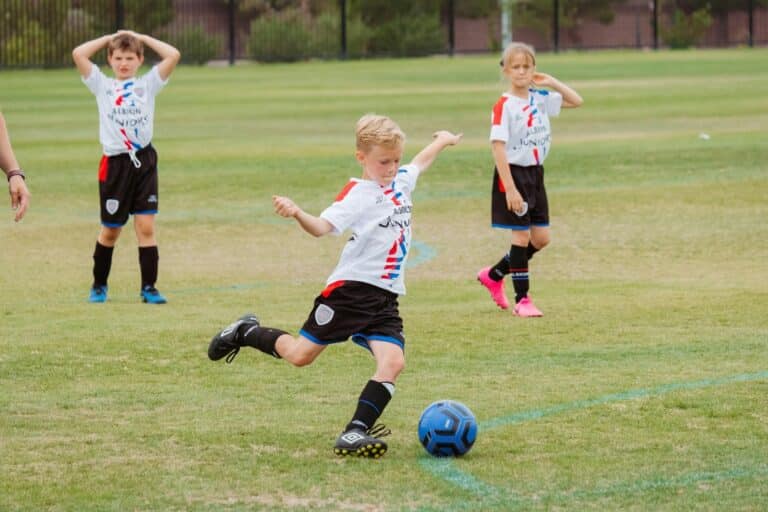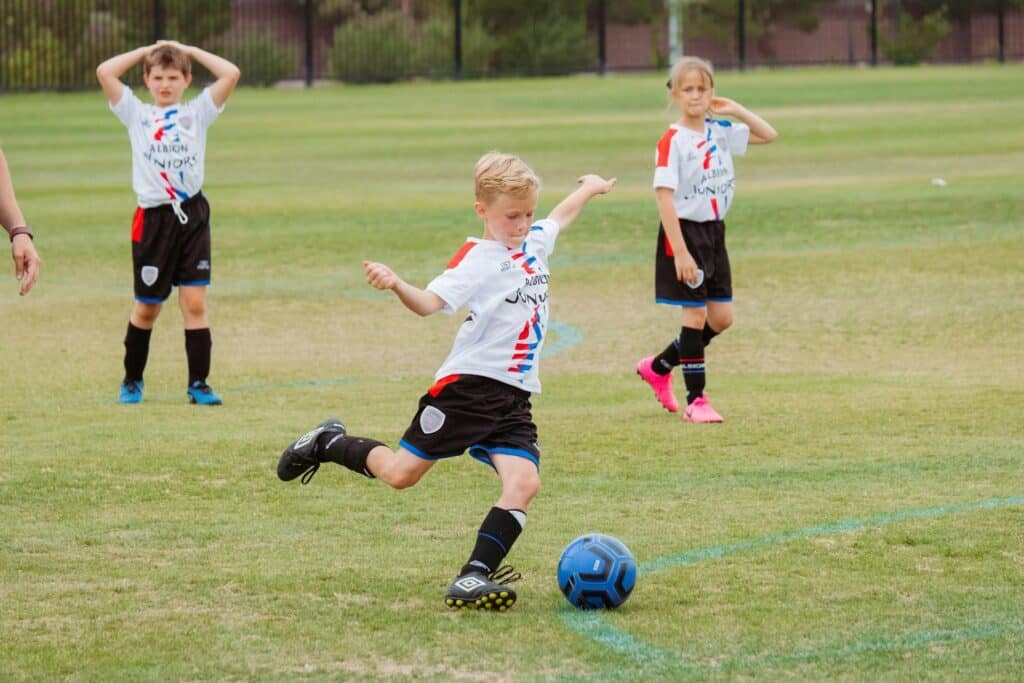

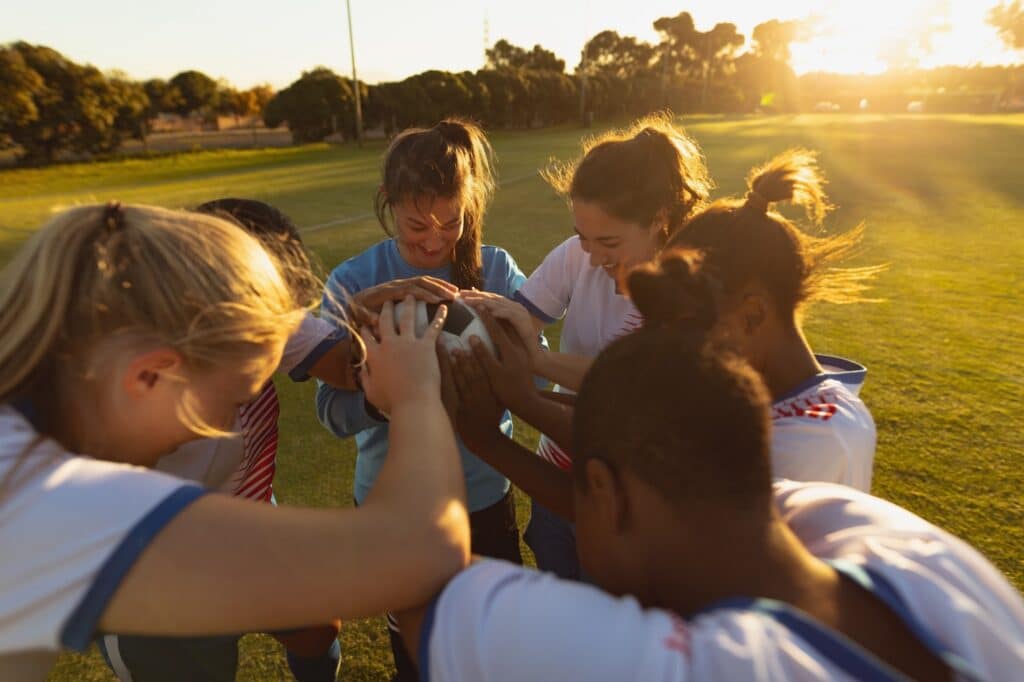
Youth activities often become some of the most meaningful parts of childhood. Sports teams, music groups, theater programs, dance classes, and community clubs give children opportunities to learn skills while building friendships and confidence. Families also create lasting memories through the shared routines, travel, and celebrations connected to these activities.
Shared Experiences Strengthen Family Bonds
Parents may spend hours attending practices, helping with schedules, volunteering at events, or cheering from the sidelines. Siblings often become involved as well through travel, celebrations, and group activities connected to the program.
Simple traditions may become meaningful family memories over time. Weekend tournaments, post-game meals, and costume preparation before performances often create strong emotional connections for both parents and children. Many families also save photos, medals, uniforms, and event programs because these items represent important milestones from childhood.
Teamwork Helps Children Build Confidence
Group activities often teach children how to communicate, cooperate, and handle challenges. Practices and performances may help children learn discipline, patience, and responsibility while working with others toward common goals. Children also gain experience handling both success and disappointment in supportive environments.
Activities involving performance and teamwork may strengthen social confidence over time. Wearing matching dance team uniforms during competitions or recitals may also help children feel connected to their group and proud of their participation. Positive coaching and encouragement from adults often play a major role in helping children feel supported during difficult moments.
Friendships Often Continue for Years

Many childhood friendships begin through youth programs and shared interests. Children who spend time together during practices, games, performances, and trips often develop strong social bonds. Shared experiences may create memories that continue well into adulthood.
Friendships built through activities may also help children feel more connected during school years. Supportive peer relationships often improve emotional well-being and confidence during important stages of development. Parents frequently build friendships through these programs as well, especially during long sports seasons or recurring community events.
Life Lessons Often Matter More than Awards
Trophies and rankings may fade over time, though personal experiences often remain memorable much longer. Children usually remember teamwork, encouragement, funny moments, and personal growth more clearly than final scores. Activities that support participation, effort, and positive relationships often create healthier long-term memories. Parents who focus on enjoyment and emotional support may help children build stronger confidence through activities without creating unnecessary pressure.
Youth activities often shape childhood through friendships, family involvement, teamwork, and personal growth. Practices, performances, competitions, and shared routines create memories that many families carry for years. Children who participate in supportive activities often gain stronger confidence, social skills, and emotional connections that continue influencing their lives long after childhood ends. Look over the infographic below to learn more.