


Have you ever wondered about the diverse and exotic fruits that start with less common alphabet letters?
The letter “X” introduces a unique collection of fruits, many of which you might not have heard of before.
These fruits range from the well-known Xigua, more commonly recognized as watermelon, to the rare Ximenia roja, offering a glimpse into the vast and varied world of fruit.
Exploring these fruits can expand your palate and enrich your nutritional intake with their distinct flavors and health benefits.
Dive into the intriguing assortment of “X” fruits and discover your new favorite!
What Fruits Start with X?
1. Xigua

Xigua is commonly called watermelon in China and is known for its juicy, sweet interior and green rind. It is a staple summer fruit that offers refreshing hydration on hot days.
| Nutritional Benefits | Culinary Uses | Growing Conditions |
|---|---|---|
| High in water content, vitamins A and C, and antioxidants. | Eaten fresh, in fruit salads, or juiced. | Thrives in warm, sunny climates with well-drained soil. |
Fun Facts:
- Due to its hydrating properties, Xigua is a popular choice for traditional Chinese medicine.
- ‘Xigua’ directly translates to ‘Western melon’ in Mandarin.
2. Ximenia caffra fruit
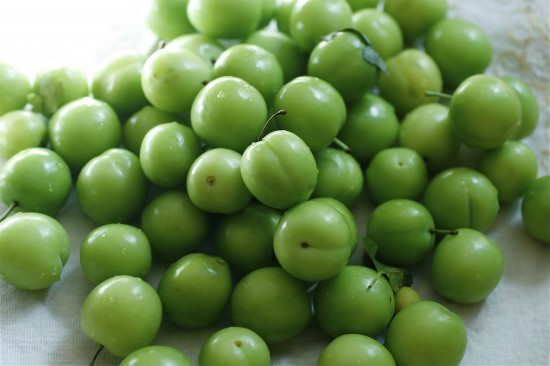
Also known as sour plum, Ximenia caffra is a small orange or yellow fruit native to Africa. It has a tangy and somewhat bitter taste.
| Nutritional Benefits | Culinary Uses | Growing Conditions |
|---|---|---|
| Rich in vitamin C and dietary fiber. | Consumed raw or used to make preserves and sauces. | Prefers arid savannah habitats and tolerates drought well. |
Fun Facts:
- Ximenia caffra is also used in traditional African medicine to treat various ailments.
- The fruit is named after the Spanish monk Francisco Ximénez, who described it.
3. Xoconostle
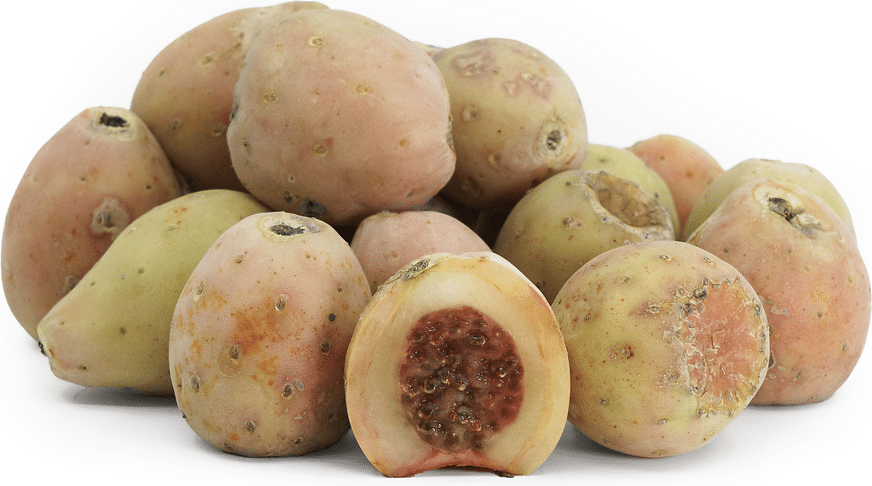
Xoconostle is a type of prickly pear cactus fruit native to Mexico, known for its acidic and tart flavor. It is less sweet than the more common prickly pear.
| Nutritional Benefits | Culinary Uses | Growing Conditions |
|---|---|---|
| High in fiber, vitamins C and K, and antioxidants. | They are used in Mexican cuisine for salsas, sauces, and candies. | It grows well in dry, arid regions and requires minimal water. |
Fun Facts:
- Xoconostle is often used as a natural treatment for diabetes in traditional Mexican medicine.
- The fruit is a staple during the Mexican holiday Dia de los Muertos for its symbolic significance.
4. Xinjiang Pear
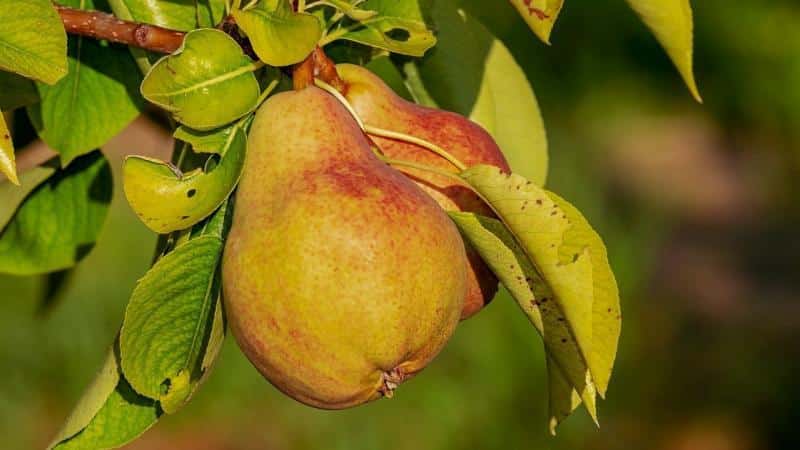
The Xinjiang Pear is a large, juicy variety from the Xinjiang region in China, known for its crisp texture and sweet flavor.
| Nutritional Benefits | Culinary Uses | Growing Conditions |
|---|---|---|
| Rich in dietary fiber, vitamin C, and potassium. | Typically eaten fresh, it is also popular in desserts and salads. | Requires cold winters and long sunny periods for optimal growth. |
Fun Facts:
- Chinese culture often celebrates Xinjiang pears for their size and delicious taste.
- These pears are a major export product for the Xinjiang region and are prized in international markets.
5. Xylocarp
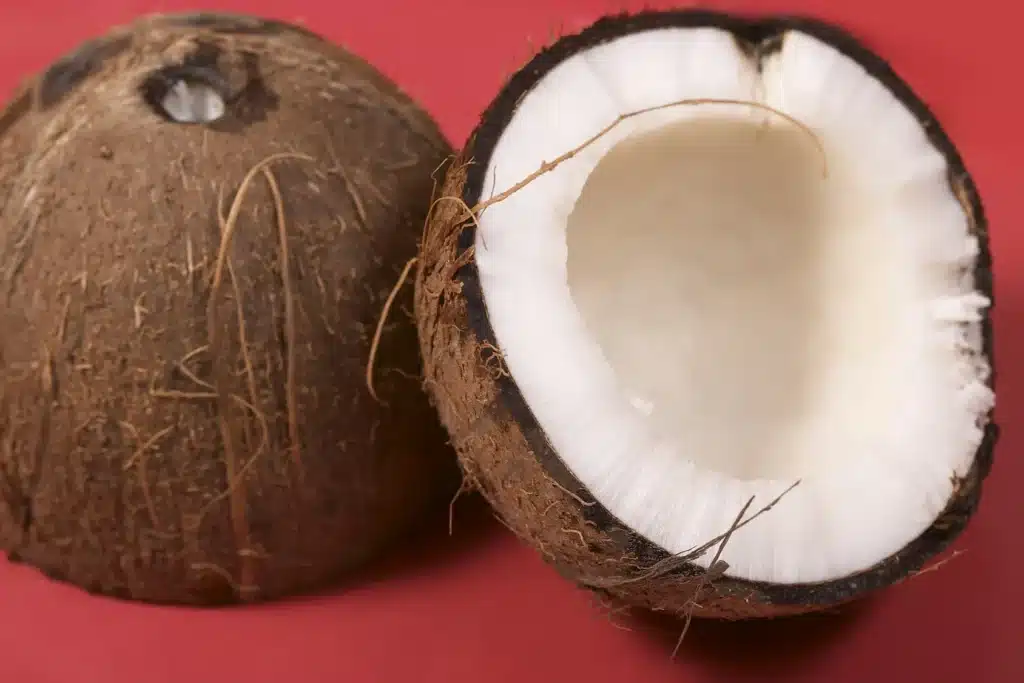
Xylocarp refers to hard, woody fruits such as coconuts. These fruits are known for their tough exterior and nutritious, versatile interiors.
| Nutritional Benefits | Culinary Uses | Growing Conditions |
|---|---|---|
| High in dietary fiber, vitamins C and E, and minerals like iron and magnesium. | They are used in cooking and baking, for oils, and in beverages. | Requires tropical climates and sandy soils. |
Fun Facts:
- Xylocarps, like coconuts, can float on water, allowing them to spread across oceans.
- They are among the largest seeds in the plant kingdom.
6. Ximenia Americana
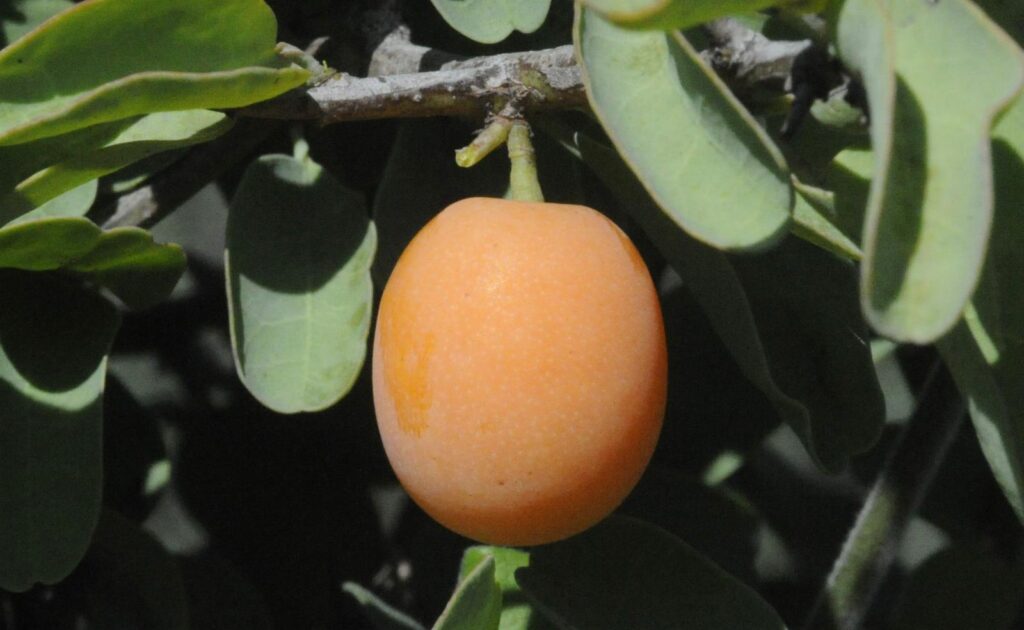
Commonly known as yellow plum, Ximenia americana produces small, tart fruits that are yellow or orange. It is found in both tropical and subtropical areas.
| Nutritional Benefits | Culinary Uses | Growing Conditions |
|---|---|---|
| Contains vitamins A and C, calcium, and iron. | Eaten raw, used in jams, or as a tart addition to dishes. | Thrives in sandy soils tolerates drought and partial shade. |
Fun Facts:
- The oil extracted from Ximenia americana seeds is used in cosmetics for its moisturizing properties.
- The fruit is sometimes called ‘sea lemon’ due to its habitat near coastal areas.
7. Xi yang li (Persimmon)
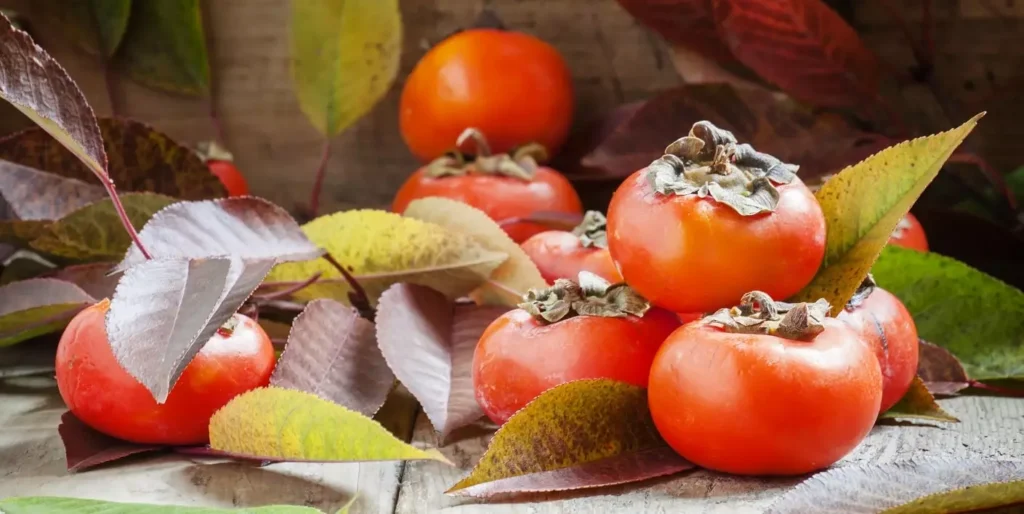
Xi yang li, or persimmon, is a sweet, honey-flavored fruit native to China. It ranges in color from light yellow-orange to dark red-orange and is known for its smooth texture and delicious taste.
| Nutritional Benefits | Culinary Uses | Growing Conditions |
|---|---|---|
| Rich in vitamins A and C, fiber, and antioxidants. | Commonly eaten fresh, dried, or used in desserts and salads. | Prefers mild to temperate climates with well-drained soil. |
Fun Facts:
- Persimmons can be astringent or non-astringent, depending on the variety.
- In East Asia, dried persimmon skins are brewed into a tea called “gamnip cha.”
8. Xarel-lo
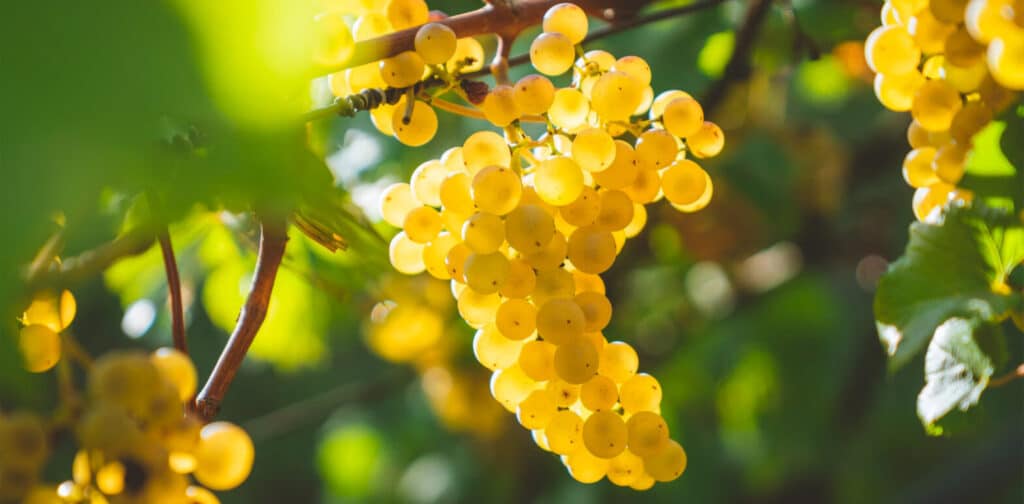
Xarel-lo is primarily known as a white grape variety from Spain and is used in producing white wines and cava. When eaten fresh, the grape offers a crisp and mildly sweet flavor.
| Nutritional Benefits | Culinary Uses | Growing Conditions |
|---|---|---|
| Provides antioxidants, vitamins, and minerals. | Primarily used in winemaking, especially in the production of cava. | Grows best in limestone-rich soil in Mediterranean climates. |
Fun Facts:
- Xarel-lo vines are known for their resilience and ability to produce high-quality grapes in diverse weather conditions.
- The grape provides acidity and structure to cava and other Spanish wines.
9. Ximenia roja
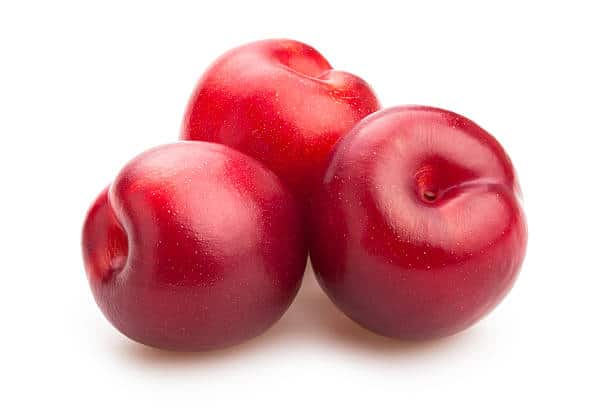
Ximenia roja, or red plum, is a small fruit native to parts of South America. It is similar to the yellow plum but with a deeper red color and a slightly sweeter taste.
| Nutritional Benefits | Culinary Uses | Growing Conditions |
|---|---|---|
| Rich in vitamins A and C, fiber, and essential minerals. | It is eaten fresh, used in jams, or incorporated into various dishes for added sweetness. | Prefers tropical to subtropical climates, adaptable to different soil types. |
Fun Facts:
- For its nutritional benefits, Ximenia roja is often used in traditional South American medicine.
- The tree that bears this fruit is also valued for its decorative appearance and hardy nature.
10. Ximenia
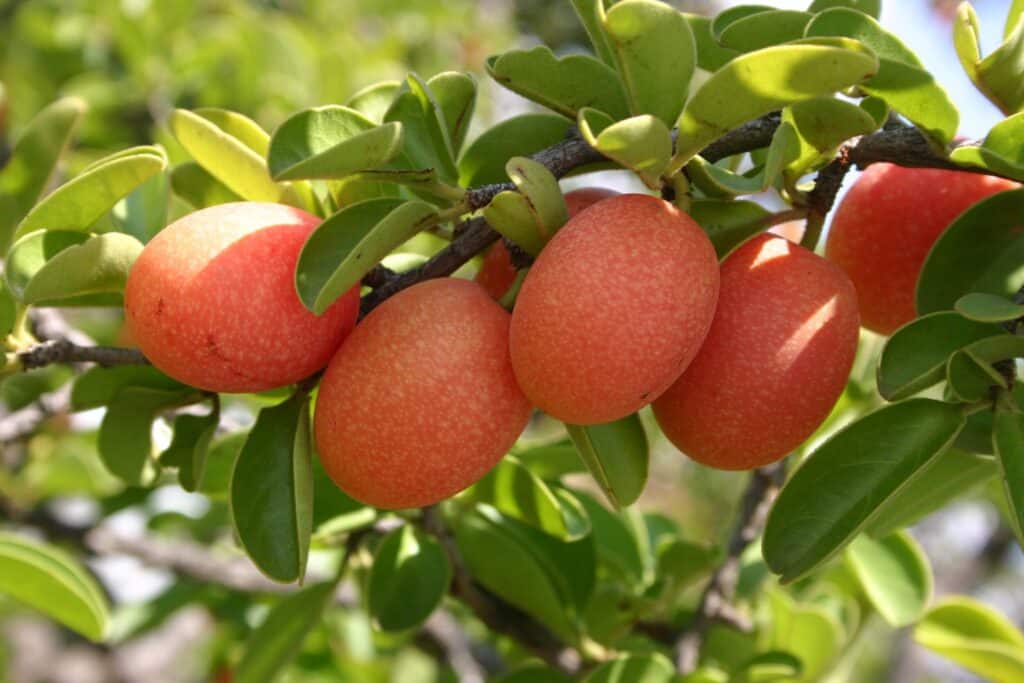
Ximenia encompasses a genus of shrubs and small trees that produce edible fruits known as tallow plums. These fruits are small, oval, and vary in color from yellow to red.
| Nutritional Benefits | Culinary Uses | Growing Conditions |
|---|---|---|
| High in vitamin C, fatty acids, and antioxidants. | It is consumed raw or used to make preserves and traditional medicines. | Adapts well to arid and semi-arid environments; drought-resistant. |
Fun Facts:
- Ximenia oil, extracted from the fruit seeds, is used in high-end cosmetics and skin care products.
- The fruit is named after the Spanish priest and botanist Francisco Ximénez.
Summing Up
Exploring fruits that start with X reveals a fascinating slice of the world’s botanical diversity.
From the juicy sweetness of Xigua to the tartness of Xoconostle, each fruit brings unique flavors and benefits.
This journey through exotic fruits enhances our culinary knowledge and connects us to different cultures and environments where these fruits are native.
Including diverse fruits can add excitement to your meals and provide essential nutrients.
Interestingly, the Ximenia plant produces highly valued oil in the cosmetics industry, highlighting the versatile uses of these rare fruits beyond just culinary delights.